Guide
Field Company Cookware Materials
Our honest guide to Field Company cookware materials — what actually matters, what to skip, and how to choose well.
Our honest guide to Field Company cookware materials — what actually matters, what to skip, and how to choose well.
Best Overall
 Best Value
Field Company cookware is, at its core, cast iron. The important part is not a mix of many materials, but how that cast iron is made: recycled iron, traditional sand casting, a smoother machine-finished cooking surface, and pre-seasoning before it reaches your kitchen. In practical terms, that means cast-iron heat retention and oven versatility with a surface and weight that many cooks find easier to live with day to day.
Field’s cookware material is cast iron, made from recycled iron and formed in traditional green-sand molds. According to the company’s manufacturing information, production is based in the United States, with operations in Indiana, Illinois, and Wisconsin.
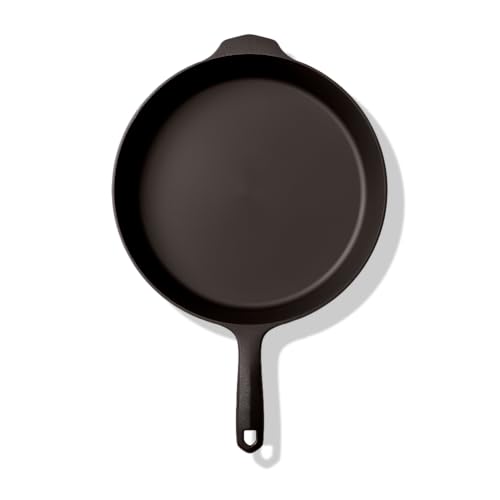
Field Company No.10 Large Cast Iron Skillet – 11.6-Inch Pre-Seasoned Pan for 4+ Servings, Lighter & Smooth, Made in USA
Shop at Amazon →That base material matters because cast iron behaves very differently from stainless steel, aluminum, or coated nonstick. It stores a lot of heat, releases that heat slowly, and rewards patient preheating. If I want strong browning on a steak, crisp edges on cornbread, or a pan that can move straight from burner to oven, cast iron is the material doing the work.
What sets this style of cast iron apart is the finishing. Instead of leaving the cooking surface with the rougher texture that comes straight from casting, the surface is machine-polished. That does not make it nonstick, and it does not remove the need for seasoning, but it does give the seasoning a more even base to build on.
Green-sand casting is a traditional way to form cast iron cookware. Sand molds shape the iron as it cools, and that method has long been associated with vintage American skillets. After casting, the cooking surface is machine-finished to smooth away much of the coarse texture.
The result is still plain cast iron, so you still get the familiar strengths and trade-offs: excellent heat retention, durability, and compatibility with high heat, balanced against the need for drying and seasoning maintenance.
A smoother cooking surface changes the feel of everyday cooking more than the headline material description suggests. Food release depends mostly on seasoning, heat control, and enough fat, but surface texture still plays a role. A more even surface can make it easier to slide a spatula under eggs, scrape up browned bits, or wipe out the pan after dinner.
Field Company 4.5 Quart Cast Iron Dutch Oven – No.8, Non-Toxic, Naturally Non-Stick, Made in USA
Shop at Amazon →It is worth saying plainly that this is still not a coated pan. Delicate foods need attention. If the pan is underheated, overcrowded, or short on fat, food can still stick. The smoother finish simply gives you a better starting point than a rougher cast surface.
Field’s cast iron arrives pre-seasoned, meaning a layer of oil has already been baked onto the bare iron. That initial layer helps protect the metal from moisture and gives you a usable cooking surface from the start.
Still, seasoning is not a permanent shell. It changes with use. Cooking with a little oil, drying the pan well, and avoiding long exposure to water all help it improve. On the other hand, soaking, storing the pan damp, or letting oil pool on the surface can leave the finish patchy or sticky.
Because the cookware is cast iron, it shines in jobs that benefit from steady heat: searing, shallow frying, roasting, baking, and one-pan dishes that finish in the oven. Once the pan is properly heated, it holds temperature well when food hits the surface, which is exactly what supports good browning.
This style of pan is also made with thinner walls than many heavy traditional skillets, which affects handling and responsiveness. It is still cast iron, so it will never behave like a lightweight aluminum pan, but a thinner body generally feels easier to lift and somewhat quicker to respond when you lower the burner.
Long simmering with acidic ingredients is where I would switch pans. Tomatoes, vinegar, wine, and citrus can wear down seasoning when they sit in cast iron for an extended time, and they may pull out a metallic note if the seasoning is weak. For quick splashes of acid, a well-seasoned pan is often fine. For a long tomato sauce or braise with a lot of wine, a nonreactive pan makes more sense.
The other limitation is speed. Cast iron rewards a slower rhythm. If I need a pan that changes temperature instantly for a delicate sauce or fast sauté, stainless steel is usually easier to control.
Compared with conventional cast iron, this material story is less about what the pan is made of and more about how that iron is finished. Traditional cast iron and Field-style cast iron share the same core strengths: heat retention, durability, seasoning, and high-heat tolerance. The differences are mostly a smoother surface and a lighter-feeling build.
Compared with stainless steel, cast iron holds heat longer and develops a seasoned surface over time, but stainless is better for acidic cooking and quick temperature adjustments. Compared with nonstick or ceramic-coated pans, seasoned cast iron handles higher heat and can last for years with proper care, but it asks more from the cook in terms of preheating, fat use, and cleanup habits.
If I were sorting materials by task, I would keep it simple: cast iron for browning and baking, stainless steel for sauces and acidic cooking, coated pans for easy low-to-moderate-heat release. Field’s own cookware guidance also notes compatibility across gas, electric, glass, ceramic, and induction cooktops, which is one of cast iron’s practical advantages.
Cast iron care does not need to be fussy, but it does need to be consistent. The material itself is durable; the seasoning is the part that asks for routine attention.
After cooking, wash away residue with warm water and a brush, scraper, or cloth. If needed, a small amount of mild soap is fine. The old warning that soap ruins cast iron is not especially useful in a modern kitchen; the real problem is leaving the pan wet.
After rinsing, dry it completely. I like the basic rule here: if there is any doubt, keep drying. A brief stint over low heat helps evaporate lingering moisture. Once dry, wipe on a tiny amount of oil and buff it until the surface looks almost dry, not shiny or greasy. The company’s care FAQ follows the same general principles.
The most common seasoning mistake is too much oil. Seasoning works best as an extremely thin film baked onto the surface. If oil sits in visible patches, it is too thick and can cure into a tacky finish.
Think of it this way: apply oil, then wipe most of it back off. The pan should not look wet. That nearly dry finish is what you want after routine maintenance.
If seasoning wears thin, the fix is usually straightforward: clean the pan, dry it thoroughly, add a very thin coat of oil, and keep cooking in it. Seasoning rebuilds best through regular use and sensible care.
It is made from cast iron. The company describes it as recycled iron cast in traditional sand molds, then machine-finished and pre-seasoned before use.
It is made in the United States. The company’s manufacturing details say production and fulfillment operations are in Indiana, Illinois, and Wisconsin.
Yes. Cast iron works on induction, and the company notes compatibility with induction as well as gas, electric, glass, and ceramic cooktops. I would lift rather than slide any cast-iron pan on a glass surface to help avoid scratches.
The difference comes from a thinner cast-iron design. That can make the pan easier to handle and a bit more responsive to burner changes while still keeping the steady heat behavior cast iron is known for.
Yes, in small amounts when needed. The more important step is drying the pan thoroughly afterward and applying a very light coat of oil before storing it.
Field Company cookware is made from cast iron, but the useful story is the finish: recycled cast iron, a smoother machine-polished surface, and pre-seasoning that gives you a head start. If you want cast iron for searing, baking, and everyday stovetop-to-oven cooking, this material makes sense as long as you are willing to keep up with the simple habits that seasoning needs.

Paige Gilmore
Founder of Stripes & Willows — recipe creator, food photographer and stylist. Every guide is written to make honest, useful kitchen decisions easier.
More about Stripes & Willows →This page contains affiliate links. If you buy through them, Stripes & Willows may earn a commission at no extra cost to you — it never affects what we recommend.
