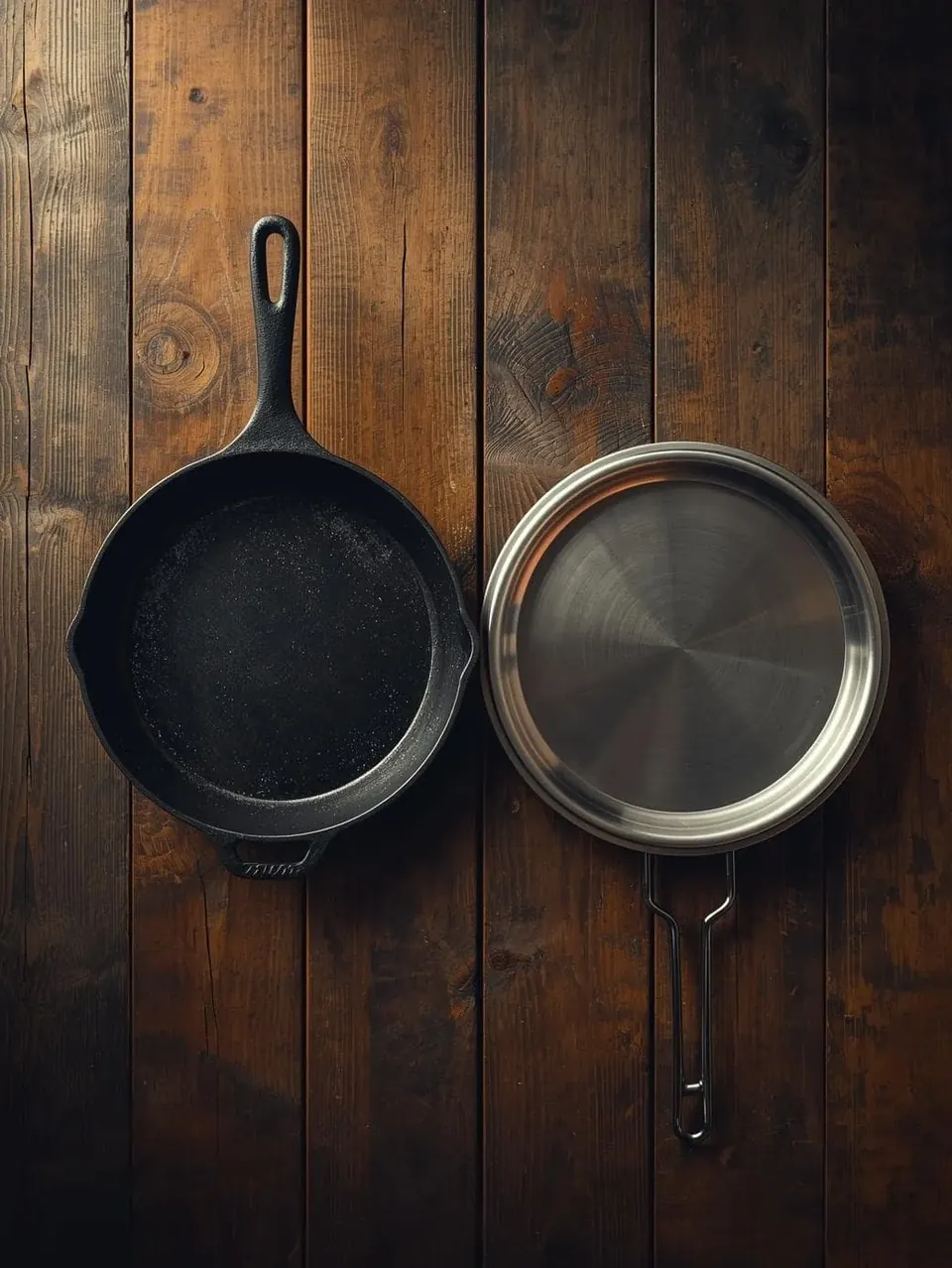
Choosing between cast iron and stainless steel pans feels a bit like picking a favorite child. They're both awesome, but in totally different ways.
I've cooked with both for years. Honestly, this debate gets people going almost as much as pineapple on pizza.
Cast iron holds heat like a champ and gets naturally non-stick over time. Stainless steel, though, is super versatile and easy to care for.
After trying all kinds of recipes, I've noticed cast iron shines for slow cooking and grilling. Stainless steel is my go-to for daily cooking, sautéing, and anything acidic.
The real trick is understanding what each pan does best—how they handle heat, what foods they love, and what quirks they bring to the kitchen. Let me break down the differences, from cooking performance to maintenance quirks.
Cast Iron vs Stainless Steel Pan: Core Differences
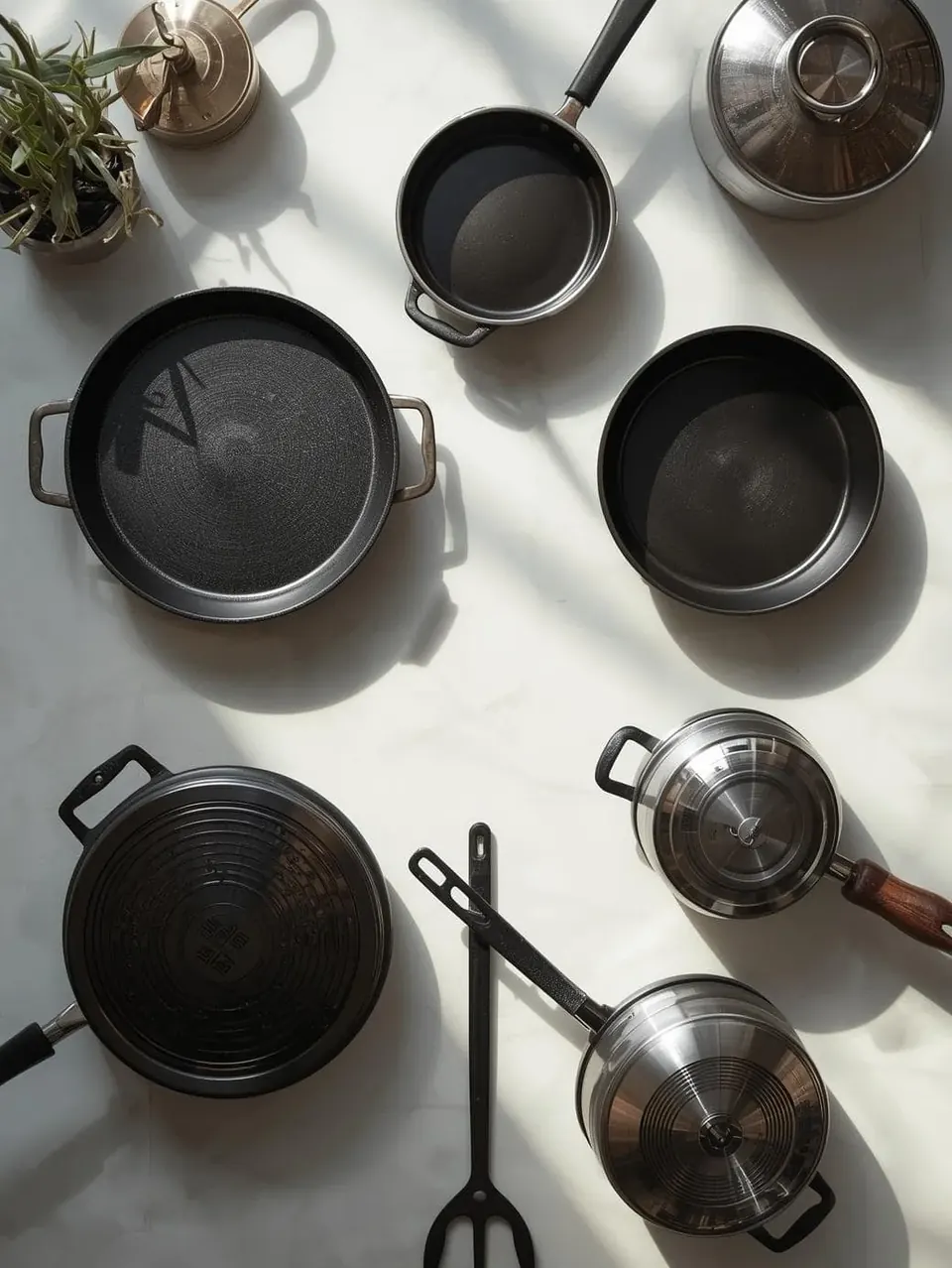
The biggest differences come down to what they're made of and how their surfaces act with food. Cast iron is made from about 2% carbon and iron. Stainless steel mixes several metals for strength.
Material Composition and Manufacturing
I find how they're made pretty interesting. Cast iron forms when iron and a bit of carbon get melted and poured into molds.
That process makes pans that are heavy and dense. You really feel the weight.
Stainless steel is a whole other story. 18/10 stainless steel contains 18% chromium and 10% nickel, which gives it that shiny, rust-resistant finish. Manufacturers layer different metals together.
Most good stainless steel pans have an aluminum or copper core sandwiched between steel. That helps with heat, since plain stainless steel doesn't spread heat very well.
Weight comparison:
Cast iron: 4-8 pounds for a 12-inch skillet
Stainless steel: 2-4 pounds for the same size
Cast iron holds a ton of heat, while stainless steel heats up and cools down fast.
Cooking Surface Characteristics
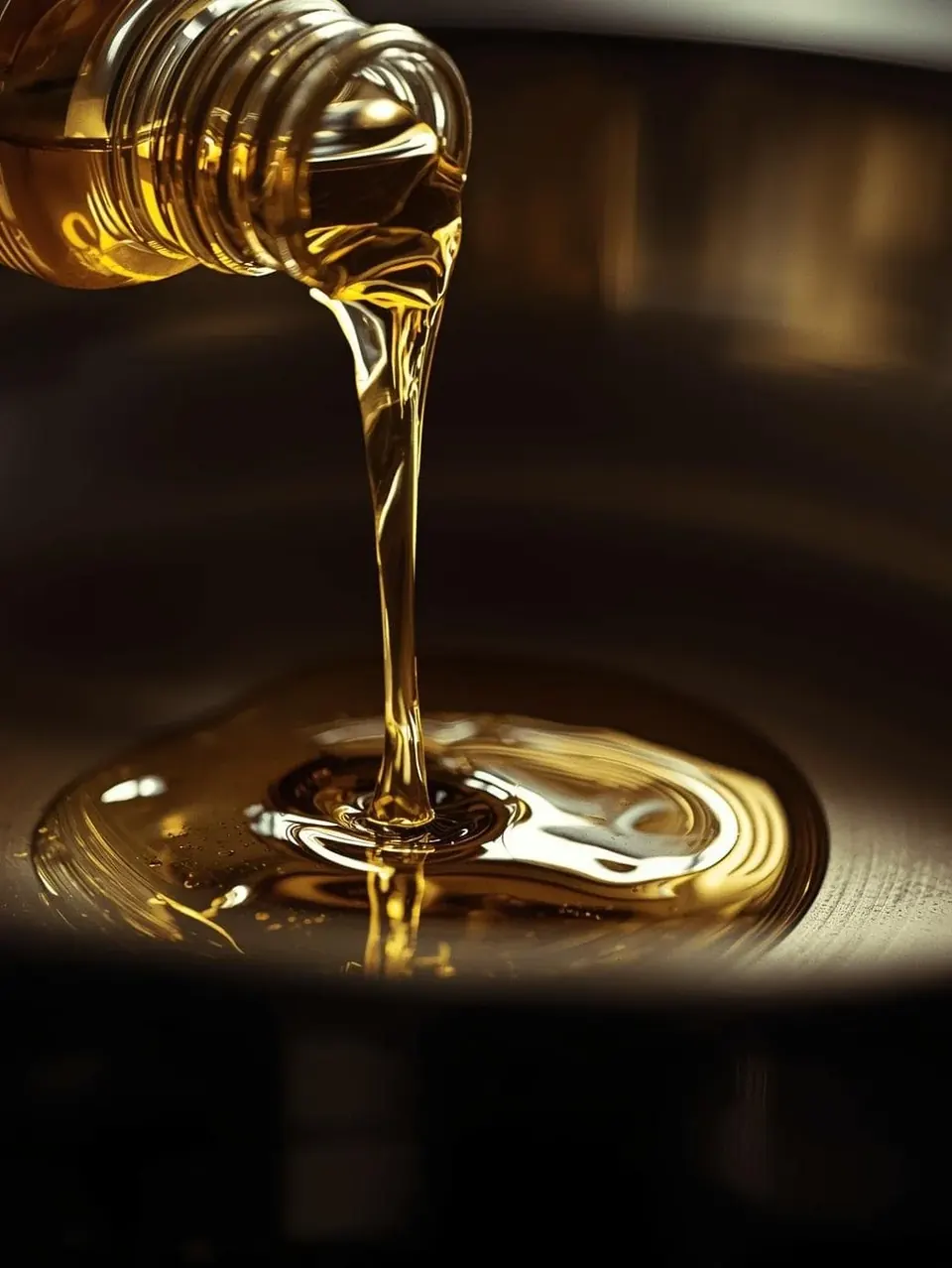
This is where things get fun. Bare cast iron starts rough and bumpy, but builds a natural non-stick coating—seasoning—over time.
That seasoning forms when fats cook at high heat and bond to the surface. The more you use it, the better it gets.
My cast iron pans used to grab onto eggs, but now, after months of use, they slide right off.
Stainless steel surfaces never change. They're smooth and non-reactive from the start.
But here's the catch: food sticks unless you use oil and control the temperature.
Stainless steel keeps delicate flavors pure. Cast iron sometimes adds its own flavor to food.
Reactivity With Foods
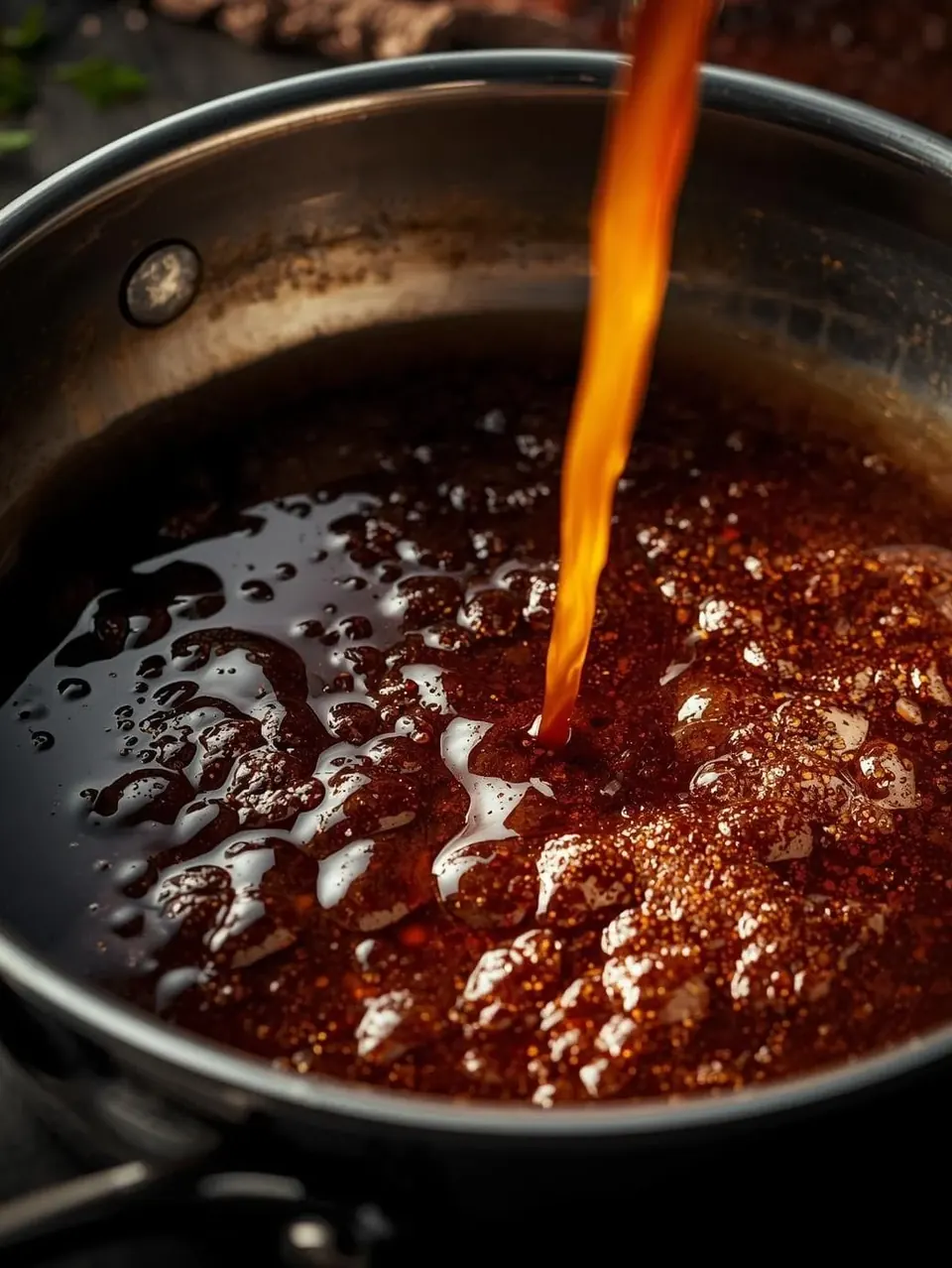
This totally changes what I cook in each pan. Cast iron reacts with acidic foods—tomatoes, wine, citrus—so those can mess up the seasoning and taste metallic.
I learned that the hard way with tomato sauce in my cast iron Dutch oven. The sauce tasted weird and the pan lost some seasoning.
Stainless steel is non-reactive. I can simmer tomato sauce, deglaze with wine, or cook anything acidic without a problem.
Cast iron does have one perk: food cooked in seasoned cast iron can absorb up to 20% more iron. Handy if you're low on iron.
Quick reactivity guide:
Acidic foods (tomatoes, citrus, wine): Use stainless steel
High-heat searing: Both work
Long braises: Stainless steel is more versatile
Cooking Performance and Versatility
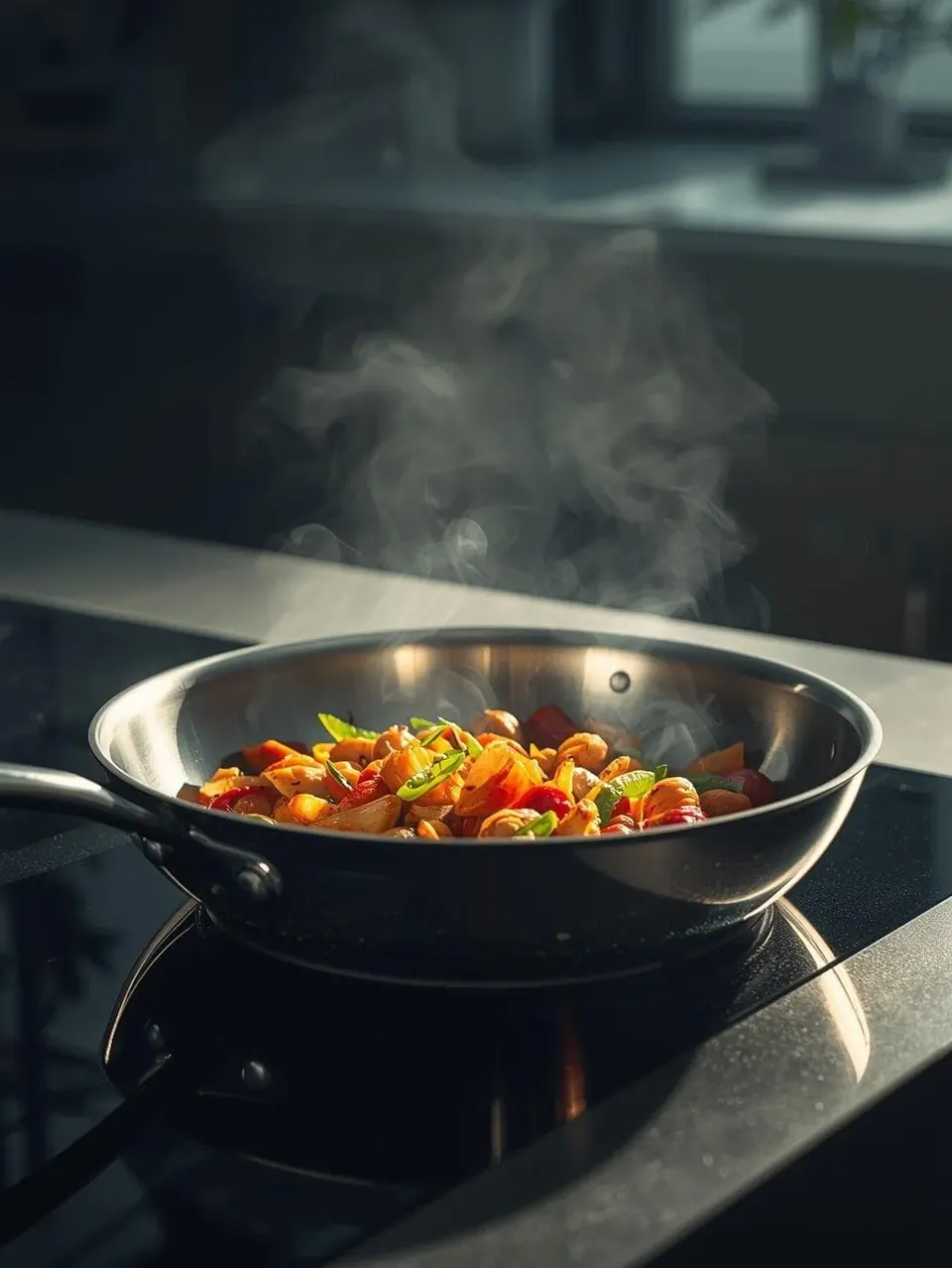
Cast iron is king for heat retention. Stainless steel wins for fast temperature changes.
Each one supports different cooking styles. That can make or break your favorite recipes.
Heat Retention and Heat Conductivity
I notice the biggest difference when preheating. My cast iron skillet takes a while to get hot, but once it does, it stays hot for ages.
I can even move it off the burner and it'll keep cooking.
Stainless steel heats up super fast, but cools down just as quickly if I turn the heat down.
Heat Retention Comparison:
Cast Iron: Holds heat, slow to heat and cool
Stainless Steel: Quick to heat and cool
Cast iron gives steady temperatures for recipes that need it. Stainless steel lets me change temps fast, which is great for sauces or delicate foods.
High-Heat Searing vs Quick Sautéing
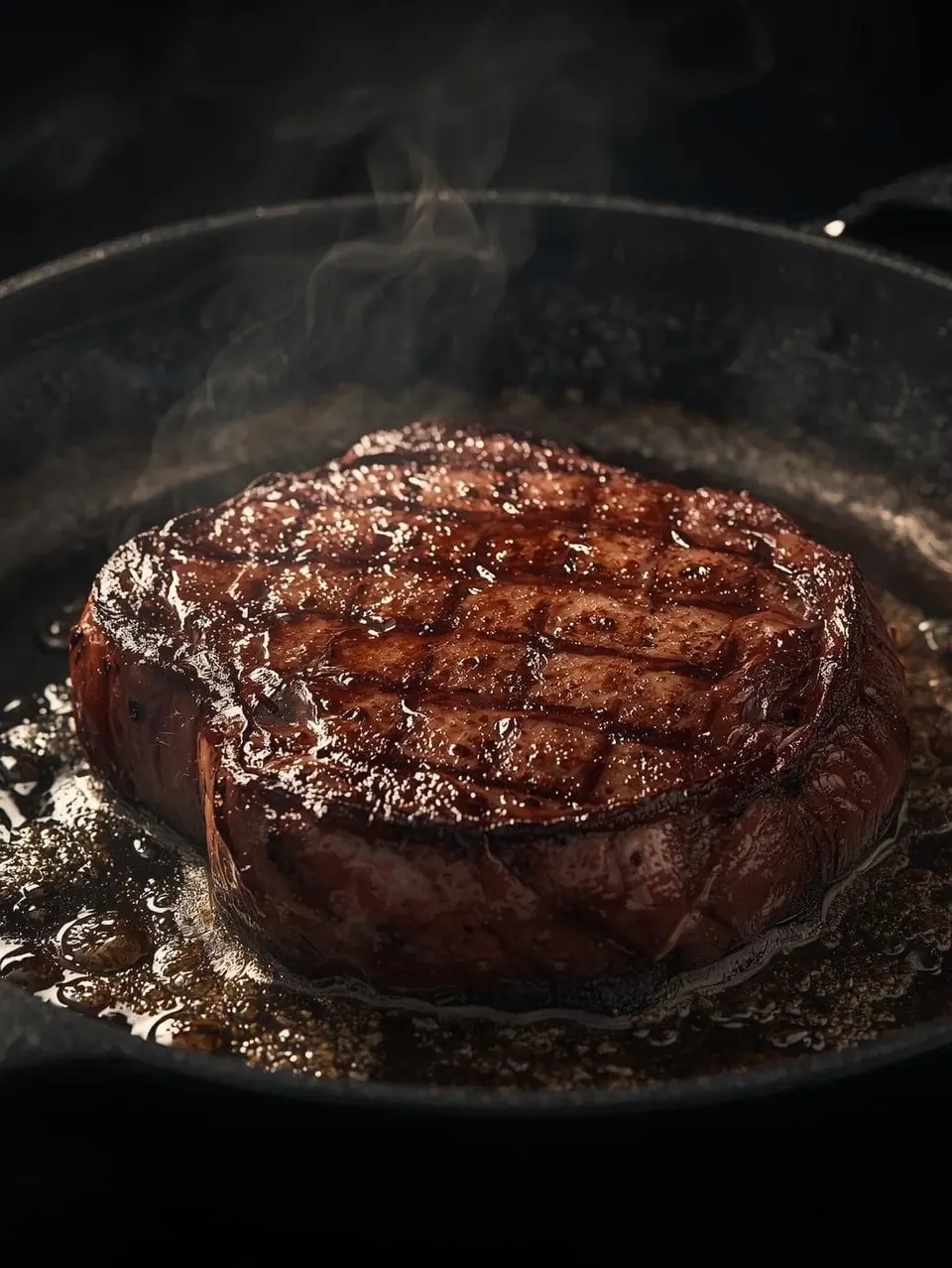
My cast iron skillet is unbeatable for high-heat searing. It gets super hot and keeps that heat, so steaks and chicken get a perfect crust.
It doesn't lose heat when I add cold food.
For quick sautéing, I always grab stainless steel. It reacts instantly when I change the heat, which is clutch for things like garlic or onions that can burn fast.
Best Uses:
Cast Iron: Steaks, burgers, cornbread, anything needing steady high heat
Stainless Steel: Veggies, fish, sauces, quick proteins
Stainless steel skillets give me better control when I need to adjust the heat quickly.
Cooking Methods Supported
Cast iron can handle almost anything. I use mine for slow cooking, braising, frying, and roasting. It's tough enough for stovetop and oven.
Stainless steel shines with other techniques. It's perfect for deglazing—nothing sticks forever, so pan sauces are easy and cleanup is simpler.
Both are good for most cooking, but each has its sweet spot.
Suitability for Baking and Deep-Frying
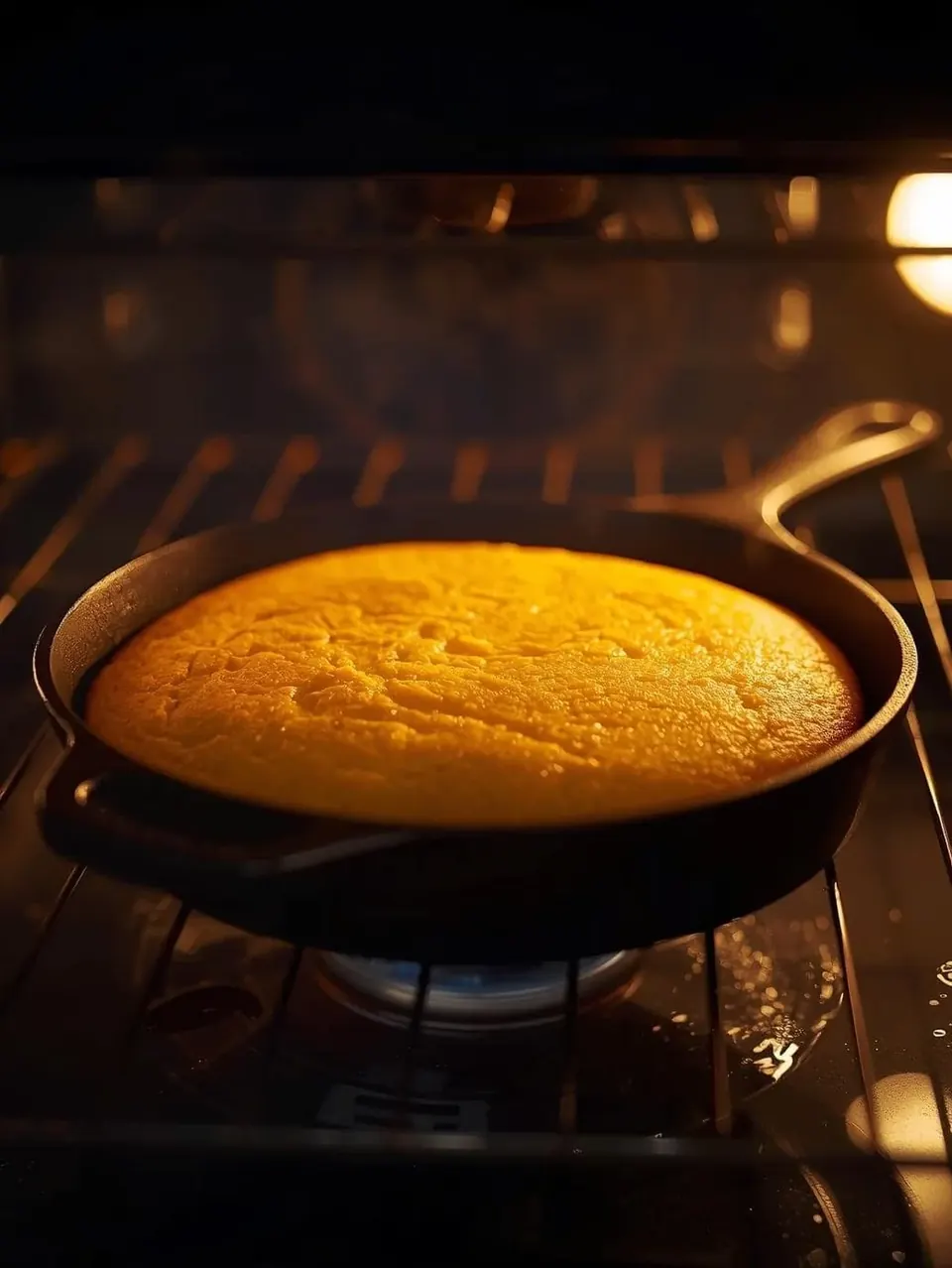
I love baking cornbread and frittatas in my cast iron. Cast iron holds high temps and bakes evenly.
For deep-frying, cast iron is my pick. The heat stays steady, even when I add cold food.
Stainless steel works for shallow frying, but the oil temperature drops too much for deep-frying.
Baking and Frying Performance:
Cast Iron: Great for both baking and deep-frying
Stainless Steel: Good for baking, not great for deep-frying
Cast iron's oven skills make it feel like a skillet and baking dish in one.
Non-Stick Properties and Food Release
Cast iron builds up a natural non-stick surface with seasoning. Stainless steel relies on good technique and temperature.
Both can release food well if you use them right, but they do it in different ways.
Seasoned Cast Iron and Natural Non-Stick Surface
A well-seasoned cast iron pan can get almost as non-stick as anything modern. The natural non-stick comes from layers of polymerized oil.
How I season my pan:
Heat it till it's smoking hot
Wipe on a thin layer of high-smoke-point oil
Wipe off the extra
Let it cool all the way
Every time I cook with fat, another tiny layer forms. My grandma's old cast iron slides eggs around like magic because it's been seasoned for decades.
Foods that love seasoned cast iron:
Eggs and pancakes
Cornbread and baked stuff
Seared meats and veggies
A new cast iron pan won't be non-stick right away. It takes some time and use.
Stainless Steel Non-Stick Techniques
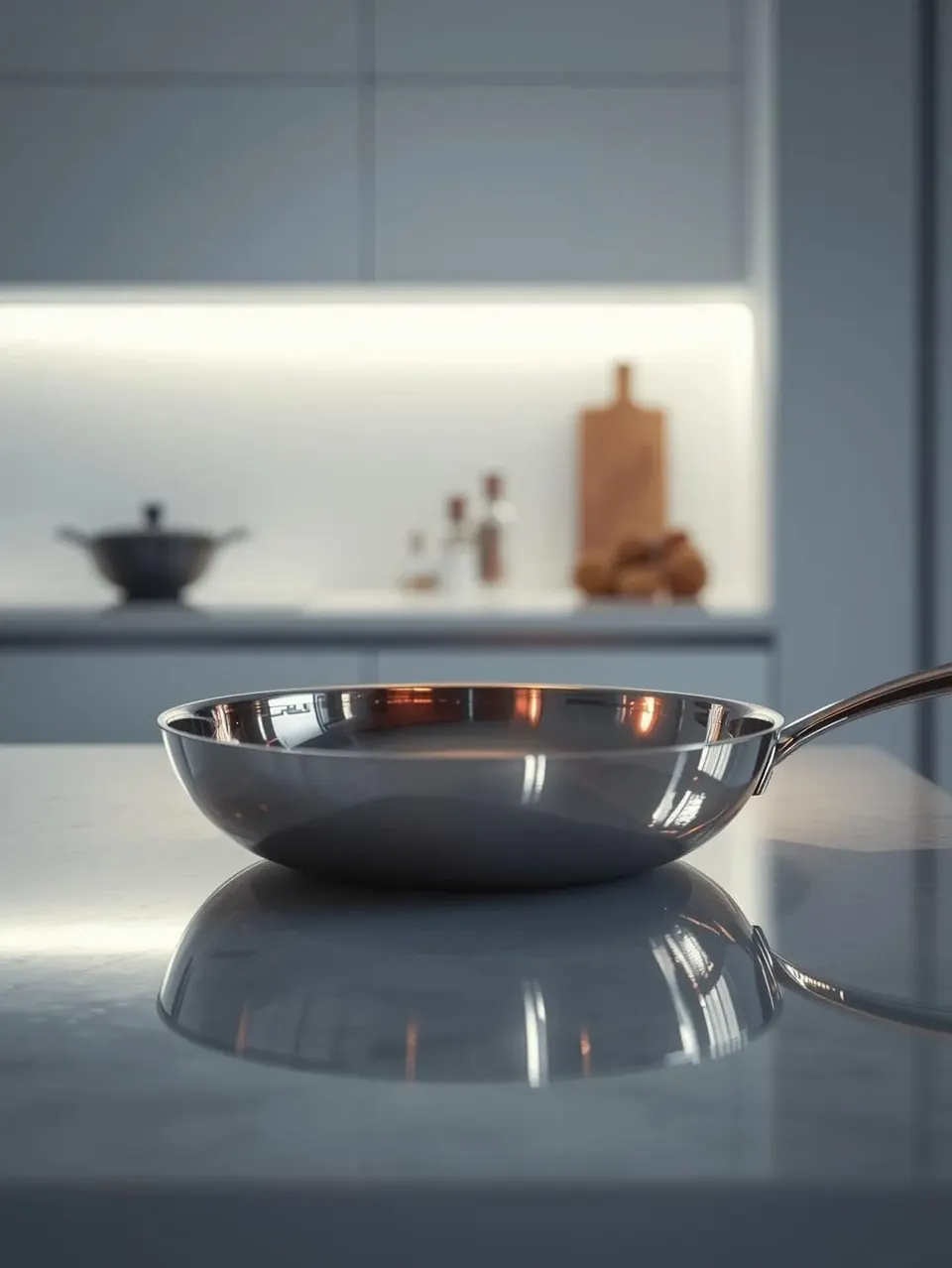
Stainless steel doesn't have built-in non-stick, but I've picked up some tricks. It's all about heat and timing.
My stainless steel method:
Preheat the pan on medium for 2-3 minutes
Drop some water in—if it balls up and rolls, it's ready
Add oil or butter until it shimmers
Let food sit—don't move it too soon
I used to move food too early and it stuck. Now I know proteins will release once they've seared.
The smooth surface means food can't really grab on if the pan's hot enough. I've made perfect sunny-side-up eggs in stainless steel this way.
Food Release and Pan Sauces
Stainless steel really shines for pan sauces. Those tasty brown bits (fond) that stick to the bottom are pure flavor gold.
Why stainless steel is best for pan sauces:
The surface doesn't react with acid
You can see the fond develop
Deglazing is easy
After searing meat, I take it out, add wine or stock, and scrape up all that flavor for a killer sauce.
Cast iron's seasoned surface doesn't make fond the same way. The oil layer stops those bits from sticking, and acidic ingredients can hurt the seasoning.
My quick pan sauce formula:
Sauté shallots or garlic
Add liquid to deglaze
Scrape up the fond
Finish with butter or cream
I've learned to pick the right pan for the right technique.
Practical Considerations: Durability, Maintenance, and Handling
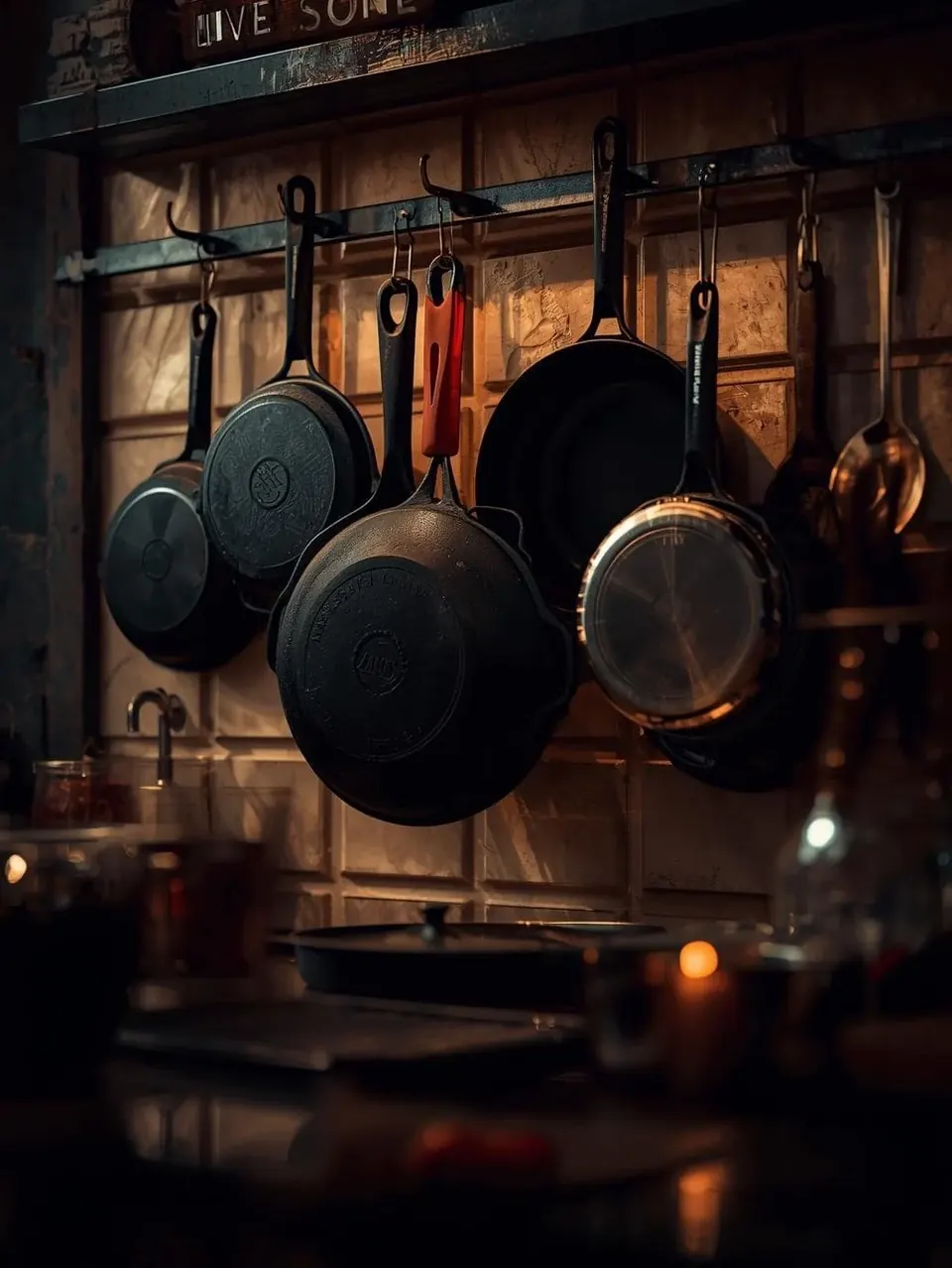
When I pick between cast iron and stainless steel, I always think about what it's like to use them every day.
Cast iron can last for generations if you take care of it. Stainless steel is super easy to maintain and still lasts a long time.
Durability and Lifespan
I've seen cast iron pans from my grandma still going strong. They're built tough and can handle decades of use.
Cast iron actually gets better as it ages and builds up seasoning.
Cast iron pans can last 100 years or more if you care for them. They're almost impossible to break—you can drop them, scrape them, even use them on campfires.
Stainless steel pans usually last 20-30 years, which is still pretty great. They resist rust and corrosion naturally, so you don't have to worry about moisture or acid ruining them.
Cast iron needs some regular maintenance to avoid rusting. Stainless steel is more hands-off.
Honestly, both are solid long-term investments for any kitchen.
Maintenance and Cleaning
This is where cast iron and stainless steel really go their separate ways in my kitchen. Cast iron needs love and attention, while stainless steel forgives my lazy moments.
Cast iron maintenance means:
Only hand washing (skip the soap if you can)
Drying it right away, every time
Rubbing on a thin layer of oil after each use
Re-seasoning now and then
Honestly, I kind of like caring for my cast iron—it feels relaxing. But after a long day, that extra work can get old fast.
Stainless steel cleaning is way easier. I can scrub with soap, use tough cleaners if needed, and I don’t have to dry it right away. If food is really stuck, I just soak it overnight and it’s good as new.
Weight and Ease of Use
The weight difference surprised me more than I thought it would. Weight and handling considerations matter a lot when I'm cooking for a while.
Cast iron pans are heavy—my 12-inch skillet weighs over 8 pounds. I use both hands to move it, and my wrist gets tired if I cook with it for too long. The weight does help with heat, though.
Stainless steel pans are lighter and way easier to handle. I can flip them with one hand or pour from them without effort. These are my go-to for quick meals when I’m moving fast.
Dishwasher Safety and Convenience
After a busy dinner, whether a pan can go in the dishwasher really matters to me.
Cast iron cookware never goes in the dishwasher. The harsh soap strips the seasoning, and water can make it rust. I always wash mine by hand right after cooking.
Stainless steel pans are totally dishwasher-safe, which is a lifesaver on hectic nights. I just toss them in, but I still hand wash my favorites to avoid scratches.
If you want convenience, this alone might push you toward stainless steel's versatility and easy cleaning.
When to Use Cast Iron vs Stainless Steel in the Kitchen
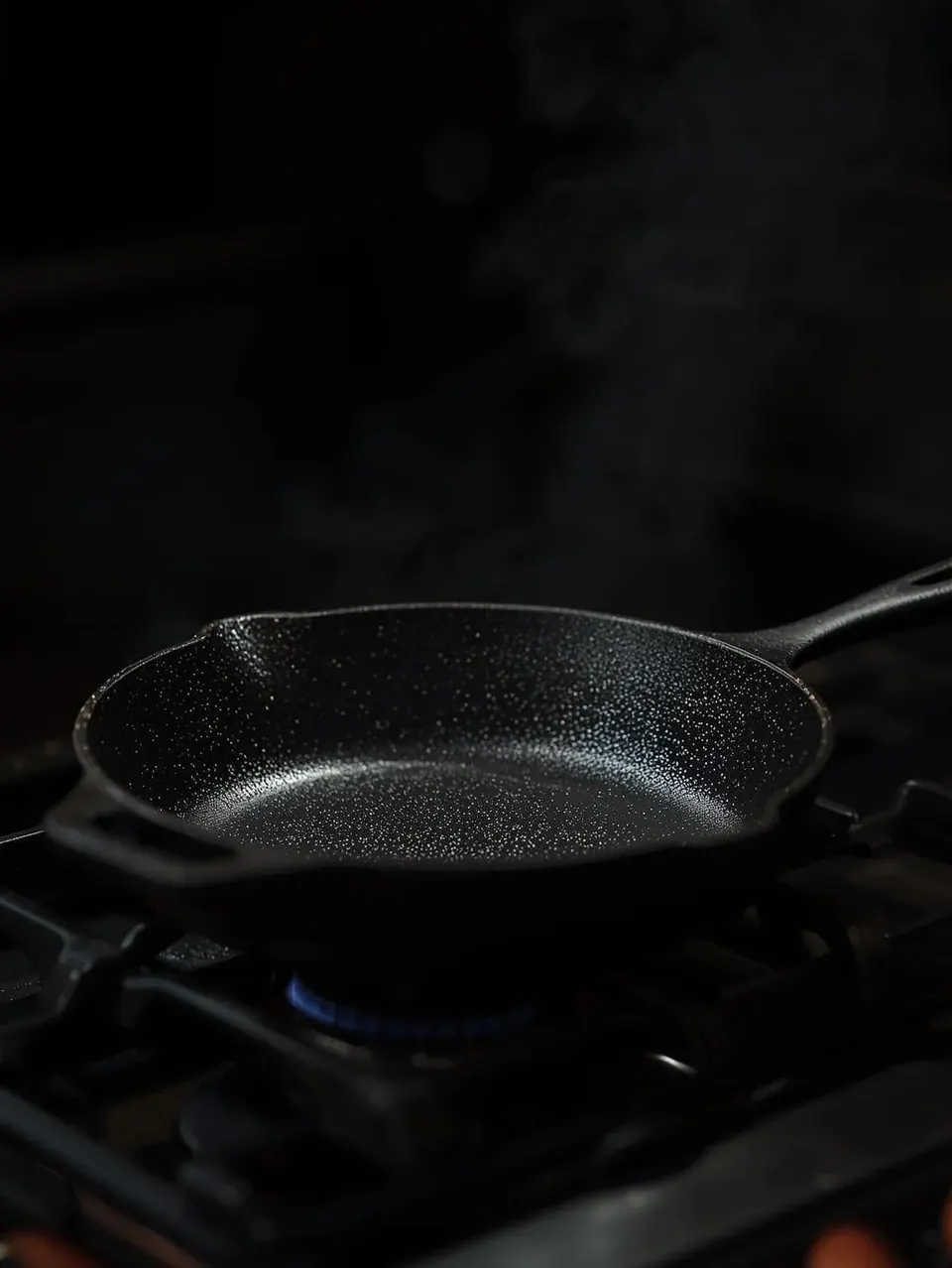
Choosing between cast iron and stainless steel isn’t about picking a winner. It’s about picking the right tool for the job.
Cast iron is awesome for high-heat searing and slow cooking. Stainless steel is better for delicate sauces and quick sautés.
Best Uses for Cast Iron Pans
My cast iron skillet is my go-to for anything that needs serious heat. Searing steaks gets that perfect crust every time. I love that I can move it from stove to oven without a problem.
I use my Lodge cast iron skillet for cornbread and frittatas. It gives me those crispy edges that everyone loves. Slow-braised dishes also turn out great—the heavy pan keeps the heat even.
For breakfast, cast iron gives me crispy bacon and hash browns every time. The natural non-stick surface makes cleanup easier than people expect. Cast iron cookware shines for perfectly seared steaks, crispy cornbread, and slow-cooked dishes.
Deep frying is another win. The pan keeps oil hot, even when I add cold food.
Best Uses for Stainless Steel Pans
My All-Clad stainless steel pans are workhorses for everyday cooking. They heat up fast and cool down quickly—perfect for delicate pan sauces.
I use stainless steel for anything with wine or lemon juice. The non-reactive surface means no weird flavors or colors. Sautéing vegetables is easy because I can see exactly how they’re browning.
Deglazing is where stainless steel really shines. The fond lifts right off with a splash of stock or wine, making awesome pan sauces.
For boiling pasta or making soup, I always grab stainless steel. It’s light enough to move easily, and I don’t worry about using metal utensils.
Cooking With Acidic Foods
Whenever I cook with acidic foods, I reach for stainless steel. Tomato sauces, wine reductions, and anything with citrus can mess up cast iron’s seasoning and make food taste metallic.
I learned this the hard way making marinara in my cast iron Dutch oven. The sauce tasted weird, and my seasoning was ruined. Now I use stainless steel for acidic ingredients like:
Tomatoes and tomato sauce
Wine and vinegar
Citrus juices
Yogurt-based dishes
Enameled cast iron (like Le Creuset) is a great middle ground. The enamel protects against acid but keeps cast iron’s heat. I use mine for braised dishes with wine or tomatoes.
Induction and Modern Cooktop Compatibility
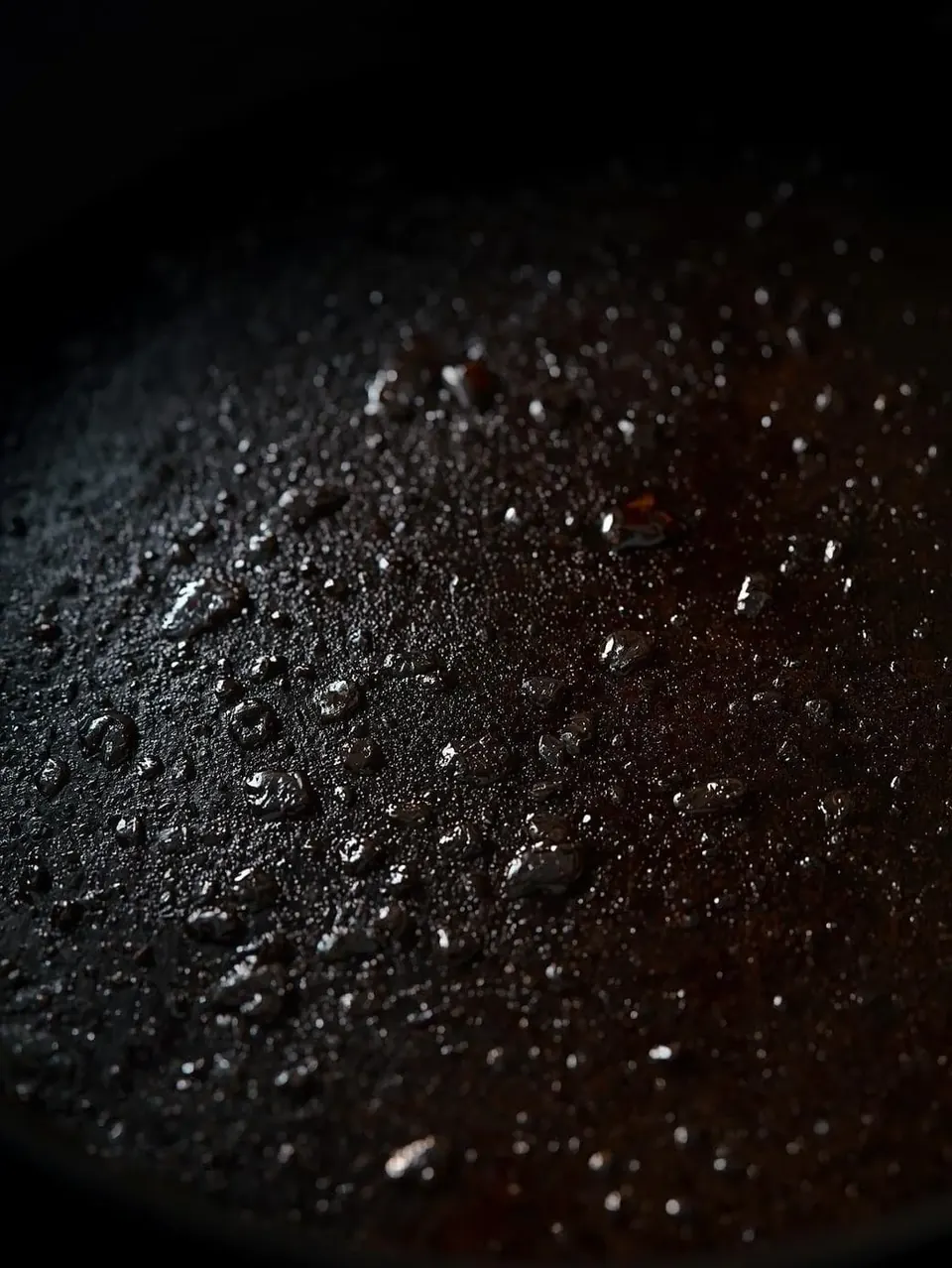
Both cast iron and stainless steel work on induction cooktops, but they’re different. My cast iron heats up slowly on induction, but then it holds heat like crazy. That’s great for steady, low-and-slow cooking.
Stainless steel reacts faster to induction. I can go from cold pan to cooking in under a minute. That’s perfect for weeknight meals when I’m in a hurry.
Gas cooktops are good with both. Sometimes, cast iron’s thick bottom makes hot spots on smaller burners. Electric coil tops work better with stainless steel’s flat bottoms.
On glass-top electric ranges, I’m extra careful with cast iron. The weight can crack the glass if I set it down too hard.
Cost, Brands, and Final Thoughts
Making the final call between cast iron and stainless steel? Prices are all over the place, and some brands just make cooking more fun.
Cookware Cost and Value
To be real, high-quality stainless steel cookware usually costs more than cast iron, but don’t let that scare you. Cast iron pans usually go for $25-80 for good ones. Stainless steel can range from $40 to $200+ per pan.
Cast Iron Price Range:
Budget: $25-40 (Lodge, Victoria)
Premium: $50-80 (Le Creuset, Staub)
Stainless Steel Price Range:
Budget: $40-70 (Cuisinart, Calphalon)
Premium: $80-200+ (All-Clad, Demeyere)
Both types last forever if you treat them right. My cast iron skillet is over ten years old and just keeps getting better.
Popular Brands and Models
I've tried a lot of pans, and I've got opinions on which brands are actually worth your money.
Top Cast Iron Brands:
Lodge: My first pick for beginners—cheap and solid
Le Creuset: Beautiful enameled pans that look great on the table
Victoria: Great budget option with good heat retention
Standout Stainless Steel Brands:
All-Clad: Top pick for serious cooks (pricey, but amazing)
Cuisinart MultiClad Pro: Best budget option, in my opinion
Demeyere: Fancy European pans that look gorgeous
I honestly use my Lodge cast iron skillet and All-Clad stainless steel sauté pan for almost everything.
Choosing the Right Pan for Your Needs
Let’s make this simple. Think about how you cook before you worry about price.
Pick cast iron if you:
Love searing steaks or baking cornbread
Don’t mind a little extra care
Want something that’ll last forever
Cook a lot of one-pan meals
Go for stainless steel if you:
Want to make sauces or delicate foods
Like quick cleanup after cooking
Prefer lighter pans for daily use
Cook with acidic stuff a lot
Honestly, just start with one good pan from each category. A 10-inch cast iron skillet and a 12-inch stainless steel sauté pan will get you through almost anything.
Frequently Asked Questions
I get tons of questions about cast iron versus stainless steel pans. People want to know everything from cooking differences to cleaning hacks.
What are the main differences in cooking performance between cast iron and stainless steel pans?
Cast iron holds heat like crazy. Once it’s hot, it stays hot, so you get a great sear on steaks.
Stainless steel heats up faster, but cools down faster too. I like this for quick temperature changes.
Cast iron delivers superior heat retention compared to stainless steel. This means more even cooking for things like cornbread or frittatas.
Stainless steel gives me more control over the heat. If I turn it down, it cools down fast.
How do I properly season a cast iron pan if I choose to use one?
I start with a clean pan. If there’s rust or old seasoning, I scrub it off with steel wool.
Then, I rub on a thin layer of oil. Flaxseed oil is great, but vegetable oil works too.
I heat my oven to 450°F and put the pan in upside down. I put foil underneath to catch any drips.
Bake for an hour, then let it cool in the oven. I usually do this 2-3 times for a good start.
The pan should look smooth and a little shiny when you’re done. Don’t stress if it’s patchy at first—seasoning gets better with use!
Can you give me tips on how to clean and maintain stainless steel cookware?
I clean my stainless steel pans while they’re still warm, but not super hot. Warm water and dish soap work for daily cleaning.
For tough spots, I use a paste of baking soda and water. Let it sit, then scrub gently.
Don’t pour cold water on a hot pan—it can warp. I learned that lesson the hard way!
Stainless steel requires different cleaning approaches than cast iron. Bar Keeper’s Friend keeps them shiny.
What types of food are best cooked in a cast iron pan as opposed to a stainless steel pan?
I use cast iron for searing meat or making cornbread. The heat retention gives me a perfect crust.
Stainless steel is best for acidic foods like tomato sauce or anything with wine. Cast iron reacts with acids and can make food taste weird.
Cast iron is awesome for foods that need steady heat—like hash browns or grilled cheese. The even heating stops hot spots.
I grab stainless steel for delicate fish or quick veggies. The fast temperature control helps me avoid overcooking.
Is there a significant weight difference between cast iron and stainless steel pans, and how does it affect handling?
Oh yeah, there’s a big difference! My 12-inch cast iron skillet weighs about 8 pounds, but my stainless steel pan of the same size is only 3 pounds.
Cast iron cookware is notably heavier than stainless steel. I don’t flip food in cast iron like I do in stainless steel.
The weight makes cast iron harder to move, especially when it’s full. I usually just leave it on the stove.
Stainless steel’s lighter weight is awesome for tossing veggies or flipping pancakes. My wrist is definitely happier with stainless steel for longer cooking sessions!
Are there any health considerations to keep in mind when choosing between cast iron and stainless steel cookware?
Cast iron can add a bit of iron to your food. This happens more if you cook acidic foods or leave things simmering for a while.
If you have iron deficiency, that extra iron might be helpful. But for people with iron overload, it’s probably better to use stainless steel.
Stainless steel cookware delivers modern versatility and doesn’t change the nutrition of your food. It works with any ingredient and doesn’t react with what you’re cooking.
Both types are safe if you take care of them. Honestly, I don’t stress about health risks with either—people have cooked with both for ages!