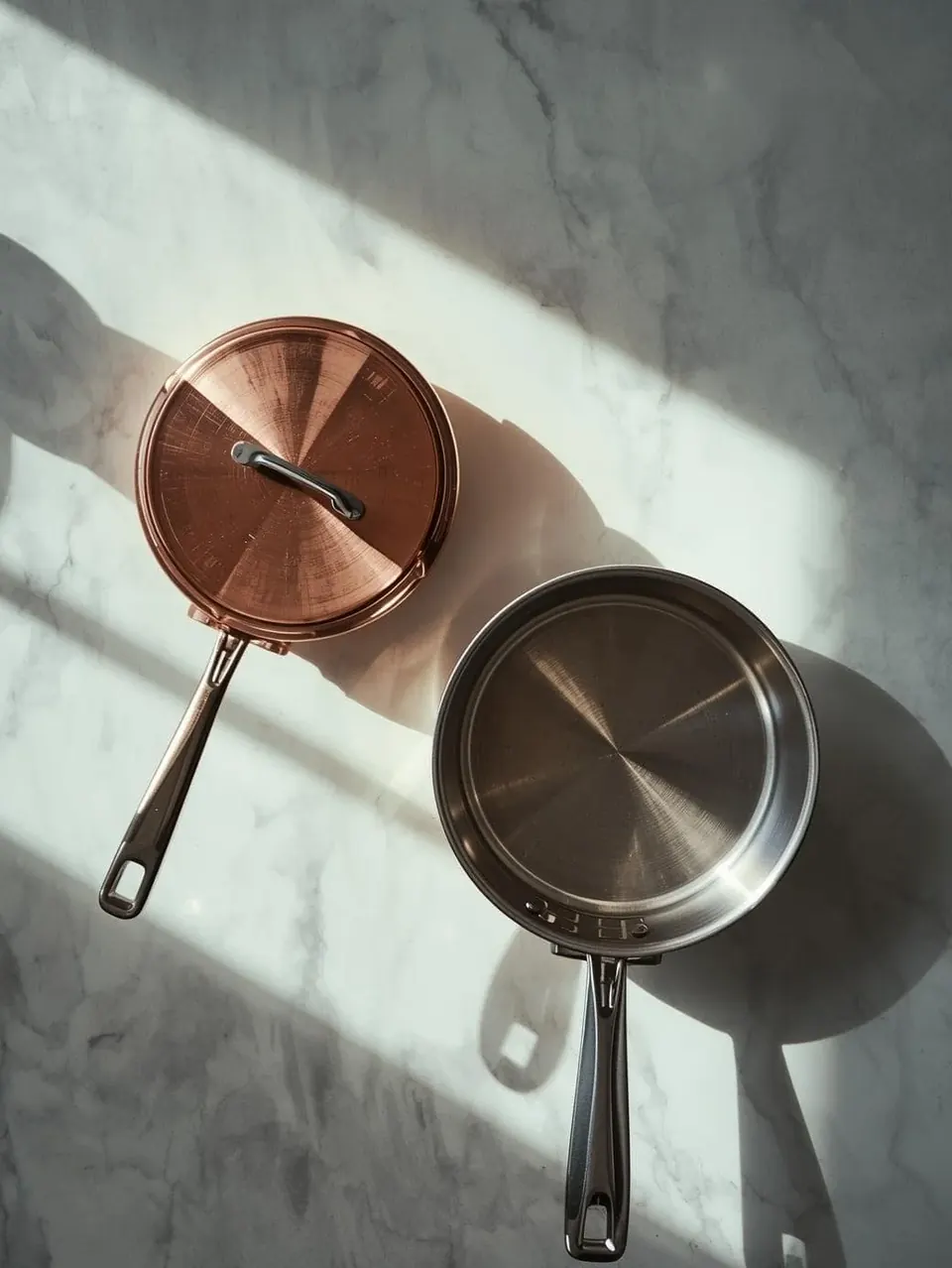
Choosing between copper and stainless steel cookware feels a bit like picking between a Ferrari and a reliable pickup truck. Both get you there, but the ride? Totally different.
After years of cooking with both, I’ve realized stainless steel cookware offers the best balance of performance, durability, and value for most home cooks. Copper, though, shines when you need super precise temperature control.
The debate between copper vs stainless steel cookware isn’t just about looks. I’ll admit copper pans make my kitchen feel like a French bistro, but it’s really about how these materials act under heat.
Copper conducts heat like a sprinter. Stainless steel is more like a marathon runner—steady and dependable.
I’ve burned more sauces than I want to remember while figuring out different cookware. I want to save you from those mistakes.
Whether you’re eyeing a gorgeous copper set or wondering if high-quality cookware is worth the price, I’ll walk you through heat performance, maintenance, and everything in between.
Key Differences Between Copper and Stainless Steel Cookware
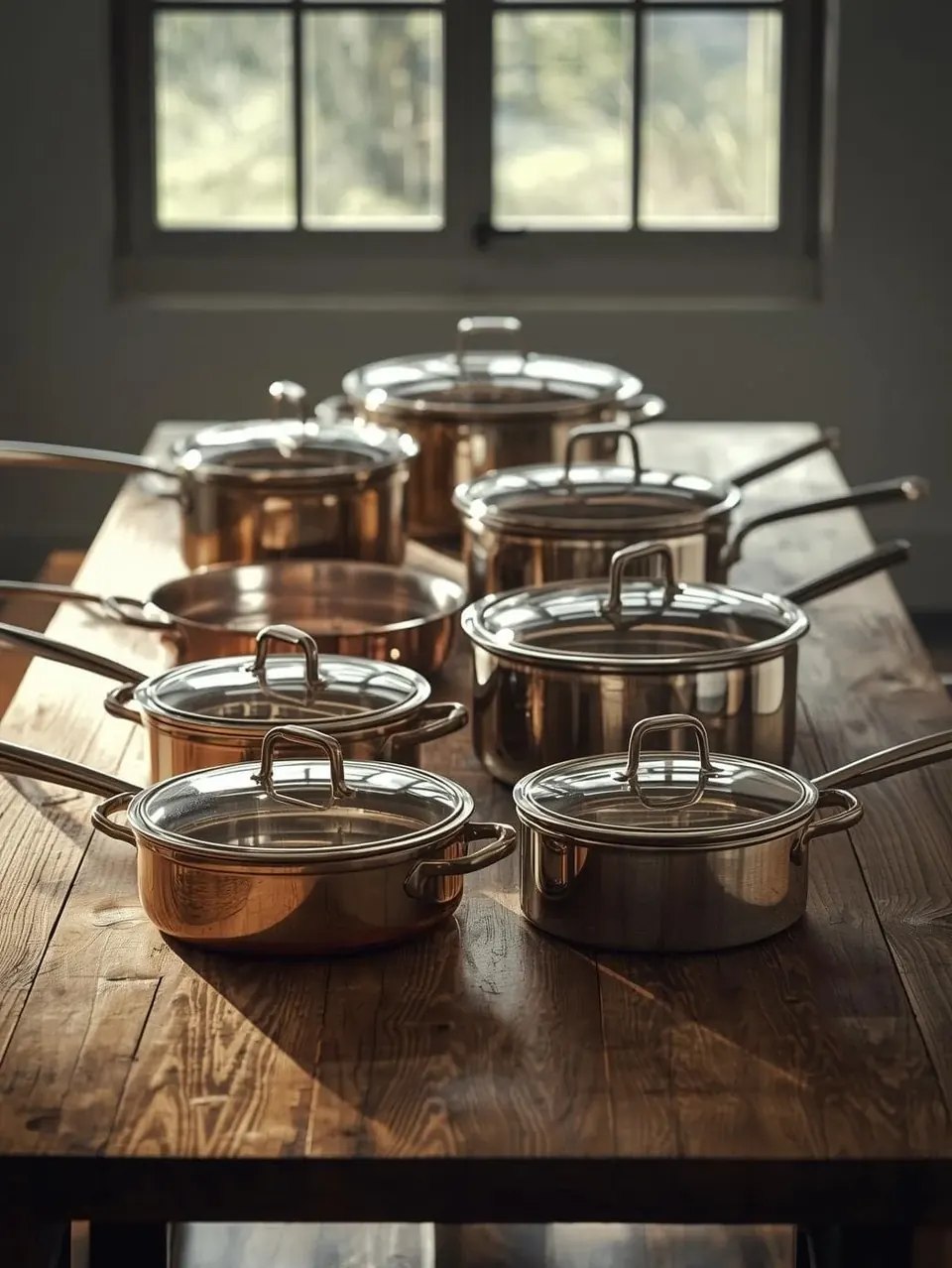
When I compare these two, it comes down to what they’re made of and how they look in your kitchen. Copper brings premium heat performance but needs more care.
Stainless steel is durable and has a modern vibe.
Material Composition and Construction
Copper cookware is usually pure copper or a copper alloy, lined with stainless steel or tin inside. You get copper’s awesome heat conduction, plus a safe, non-reactive cooking surface.
Stainless steel cookware uses an alloy of iron, chromium, and usually nickel. Chromium gives it that rust-resistant surface, and nickel adds shine and toughness.
Most good stainless pans have an aluminum or copper core sandwiched between steel layers. That helps with heat.
Here’s what stands out to me:
Copper: Usually 1.5-3mm thick, often with riveted handles.
Stainless steel: Single-ply up to 5-ply.
Weight: Copper feels heavier.
Durability: Stainless steel takes more everyday abuse.
Material properties affect heat conductivity. Copper heats up almost instantly. Stainless steel takes longer but holds heat more evenly once it’s hot.
Aesthetics and Kitchen Appeal
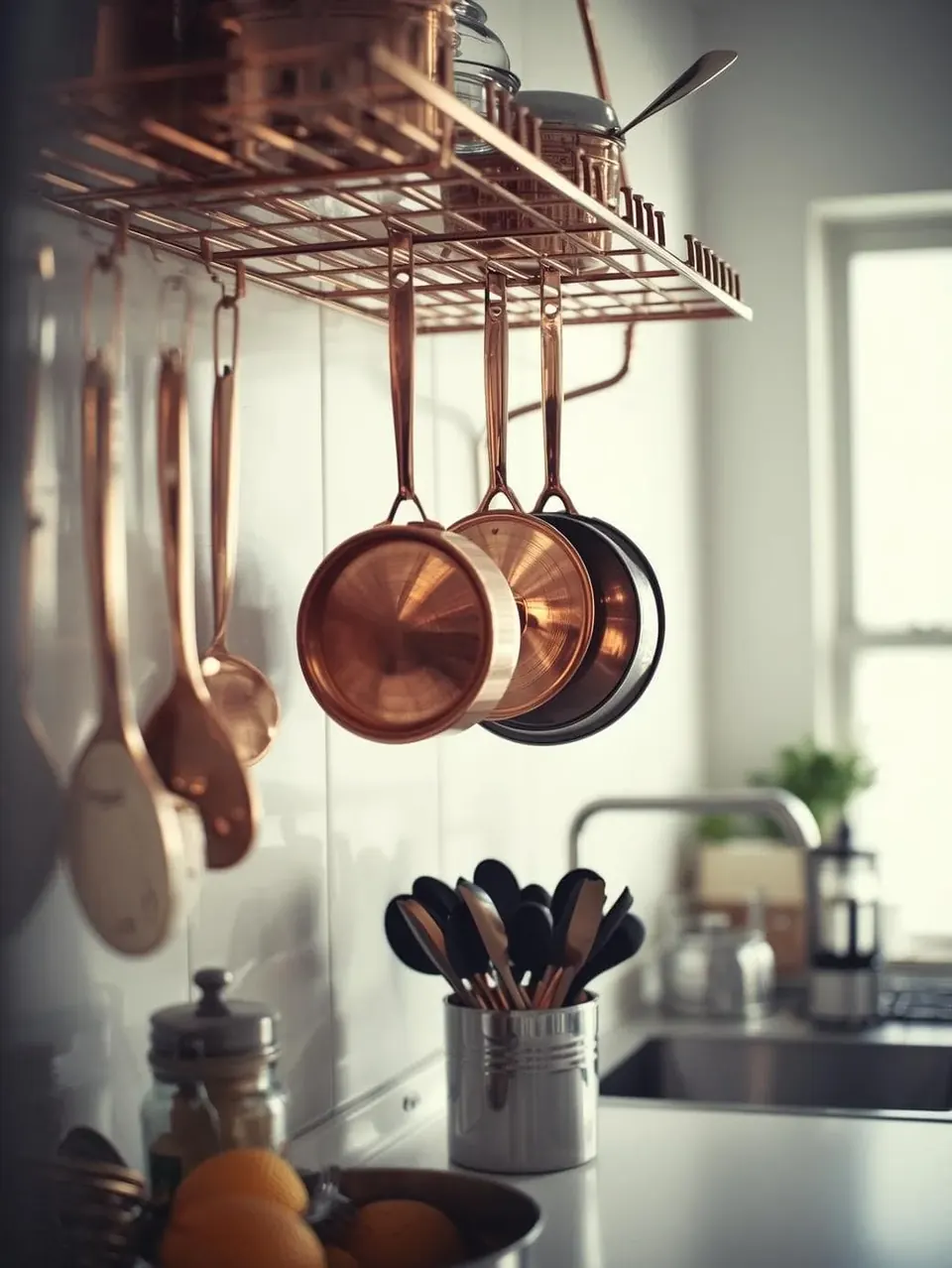
Nothing beats the warm, rustic charm of copper. That reddish-gold color turns into a natural patina over time and honestly, I think it looks amazing.
Stainless steel gives a clean, professional look. The mirror finish shines and matches modern appliances. It stays looking new with barely any effort.
My quick take:
Copper Stainless Steel Warm, traditional appeal Modern, professional look Develops unique patina Stays the same over time Shows fingerprints easily More fingerprint resistant Statement piece Blends with any kitchen
Copper makes my kitchen feel cozy and classic. Stainless steel gives me that organized, no-nonsense vibe. It really depends on your style and how much time you want to spend on upkeep.
Heat Conductivity and Temperature Control
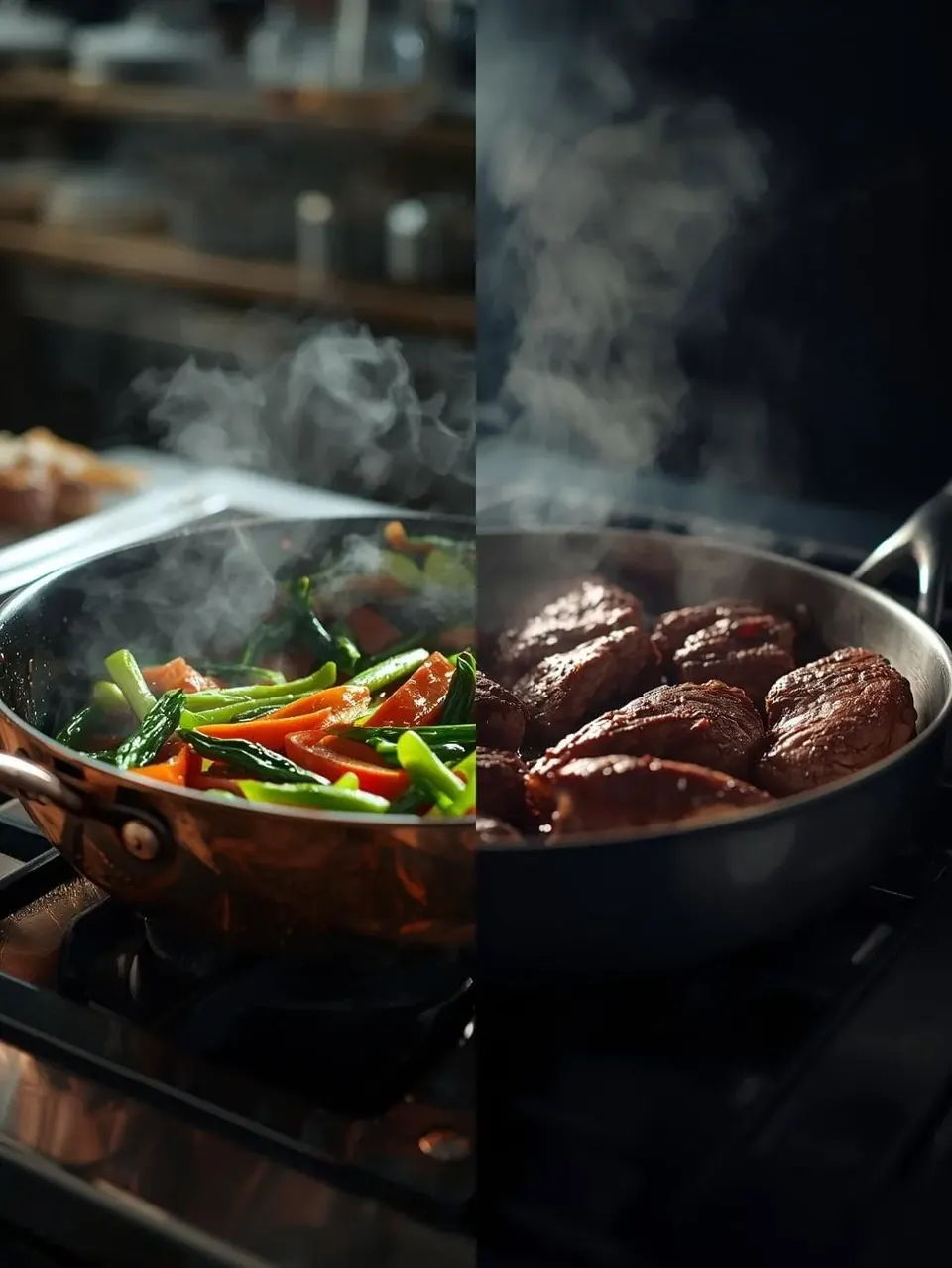
Copper wins the heat game, no contest. It conducts heat about 20 times faster than stainless steel.
This means copper pans react instantly when I change the burner. Stainless steel takes its time.
Thermal Conductivity and Heat Transfer
After years of using both, the difference in thermal conductivity is huge. Copper cookware offers superior heat conductivity. It heats up super fast and evenly.
When I turn up the heat on copper, it responds right away. I can feel the warmth spread across the pan in seconds.
Stainless steel? Not so much. Pure stainless has lousy heat conduction. That’s why good stainless pans have aluminum or copper cores.
Copper atoms vibrate faster and transfer energy better. That’s why copper is the clear winner for heat transfer.
Heat Distribution and Hot Spot Prevention
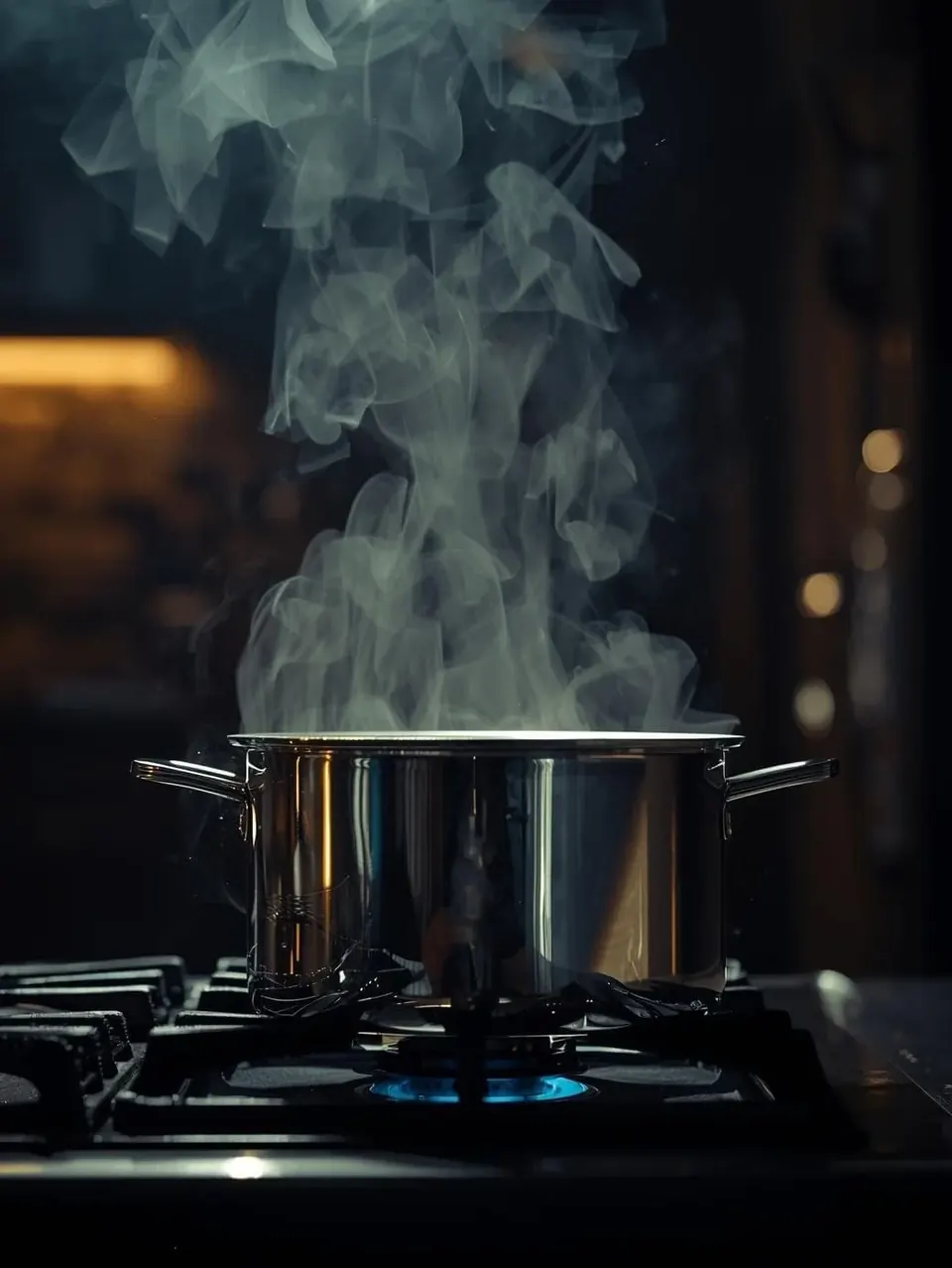
Hot spots ruin sauces. Copper really shines here.
My copper pans heat so evenly that I rarely worry about burning or uneven cooking. Copper cookware provides excellent heat conductivity for even heat distribution.
I can make hollandaise or melt chocolate without constant stirring.
Stainless steel pans often get hot spots right above the burner. I move food around more to avoid burning, but it’s not perfect.
Copper spreads heat across the whole pan. Cooking feels easier and less stressful.
Temperature Adjustment and Stability
Copper is king for temperature control. When I need to drop the heat, my copper pans cool off almost instantly.
Copper heats up and cools down fast. Stainless steel holds onto heat longer. That’s great for searing, but not so good when you need quick changes.
I love this for caramel or tempering chocolate. The second I move the pan off the burner, copper cools down and saves my food.
Temperature stability is another copper perk. My proteins cook evenly, and sauces keep a smooth texture.
Performance in Cooking Methods
When I’m staring at my copper saucepan and stainless steel pans, I know each one has its moment.
Copper is my pick for delicate cooking that needs precise temperature control. Stainless steel is my go-to for high heat and daily cooking.
Best Uses for Copper Cookware
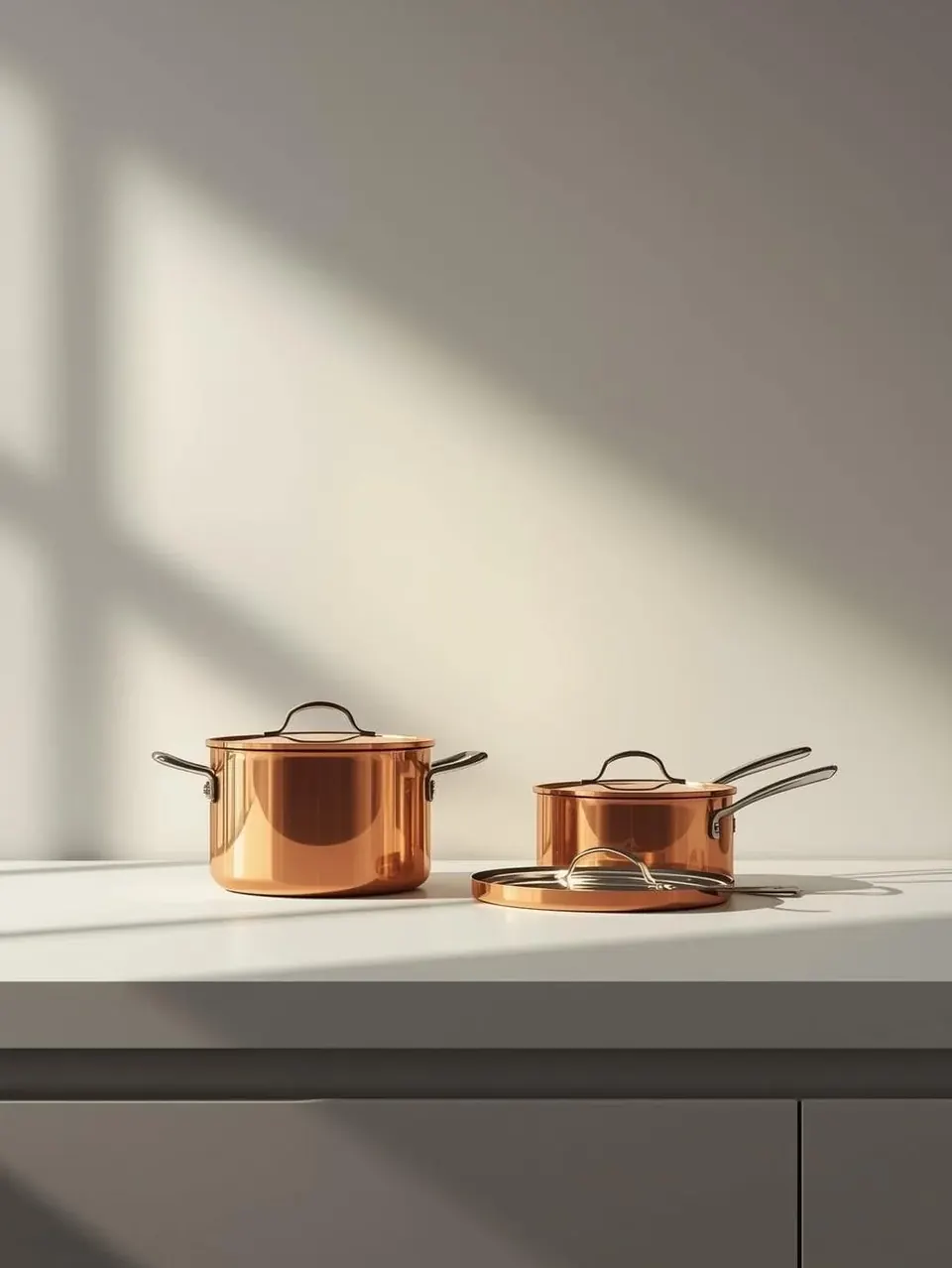
I grab my copper pans when I need fast temperature changes. Making delicate sauces is way easier because copper responds quickly.
My copper saucepan is perfect for:
Caramel and chocolate—no more burnt sugar!
Egg-based sauces like hollandaise or custards
Pan sauces that need gentle simmering
Delicate fish that overcook in seconds
The even heat means I don’t get those annoying hot spots. When I’m deglazing after searing, my copper pan lets me control the heat so well that I can build flavors without burning.
Braising in copper gives me awesome control when browning. I can get a great sear, then turn down the heat for gentle simmering.
Ideal Uses for Stainless Steel Cookware
My stainless steel pans are the tough ones. They handle high-heat cooking and don’t mind a little rough treatment.
I use stainless steel for:
Searing meats at high heat
Browning veggies and proteins
Acidic dishes with tomatoes or wine
Everyday cooking that needs durability
When I’m searing meat, stainless steel gets a great fond for pan sauces. The pan can take the heat without warping.
Commercial kitchens love stainless steel because it’s tough. At home, I like that it goes from stove to oven to dishwasher without fuss.
The non-reactive surface means I can cook tomato sauce or wine reductions with no weird flavors.
Cooking Techniques Affected by Cookware Choice
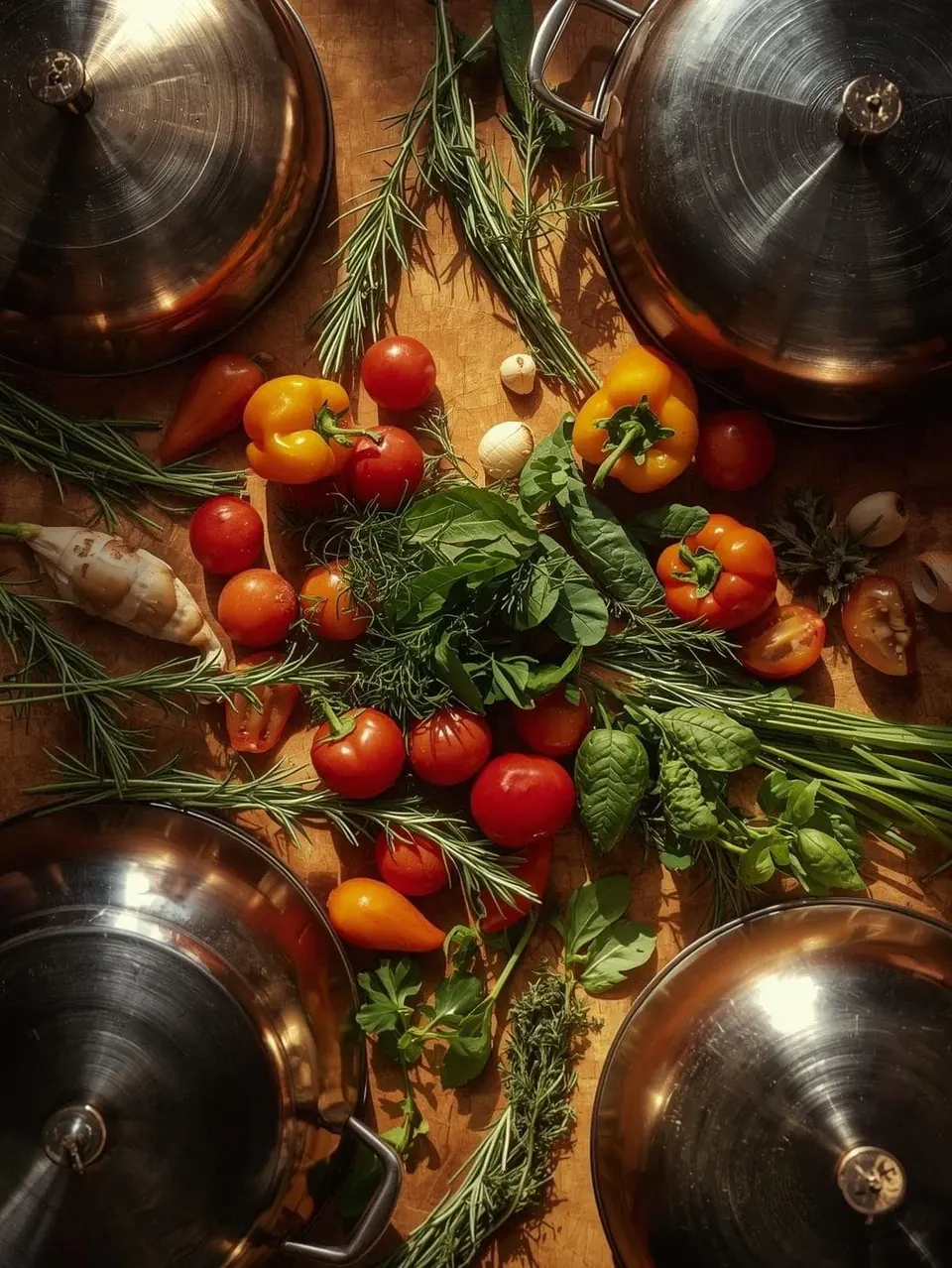
Different cooking methods really show where each material shines.
Temperature-sensitive techniques like caramel or chocolate work better in copper. I can prevent burning with tiny adjustments.
For high-heat searing, stainless steel is best. I can crank up the heat without worrying about damaging the pan.
Sauce-making varies by material. Cream sauces love copper’s gentle heat. But for reductions that need hard bubbling, stainless steel is better.
Deglazing is different too. Copper gives me more control, but stainless steel makes a better fond.
Durability, Maintenance, and Longevity
Stainless steel wins for durability. Copper needs way more attention—honestly, more than my houseplants.
Scratch and Dent Resistance
Stainless steel is almost indestructible. I’ve dropped pans, banged them around, and even used metal utensils. They still look great.
Stainless steel’s resistance to wear really shows in daily use. It handles scratches and dents like a champ.
Copper is softer. My first copper pan got tiny dents within weeks. It’s beautiful, but not as tough.
Durability at a glance:
Stainless steel: Scratch and dent resistant
Copper: Soft, dents and scratches easily
Impact resistance: Stainless steel wins
Cleaning Requirements and Maintenance Needs
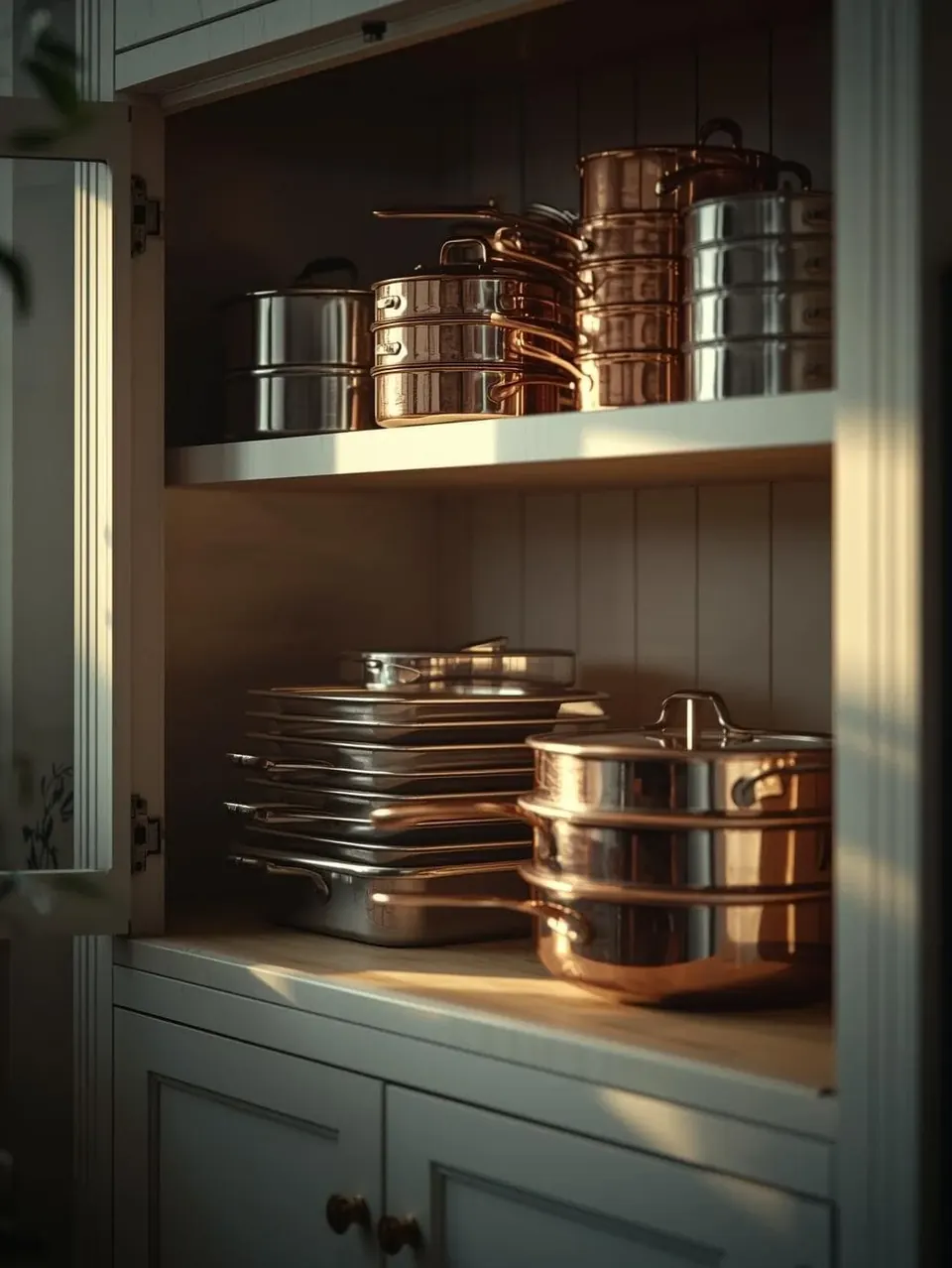
Stainless steel maintenance is a breeze. I toss mine in the dishwasher and it comes out shiny.
Copper cookware needs regular polishing to stay bright. I spend about 10 minutes every few uses buffing out spots and tarnish. It’s kind of relaxing if you’re into that, but honestly, it gets old.
The low maintenance of stainless steel means I can focus on cooking, not cleaning. Stainless steel resists tarnishing and staining, so it’s dishwasher safe and easy to care for.
Maintenance breakdown:
Stainless steel: Dishwasher safe, no special care
Copper: Hand wash only, regular polishing, prone to oxidation
Longevity and Repairability
My stainless steel set is over ten years old and still looks almost new. That’s the kind of lifespan I like!
Copper can last generations if you take care of it, but it needs consistent care. Without it, copper gets a patina and loses its performance.
Repairs? Both are pretty forgiving. Stainless steel rarely needs fixing. Copper can be re-tinned or polished by a pro.
Longevity notes:
Professional kitchens pick stainless steel for reliability
Copper needs regular care to last as long
Both can be repaired, but stainless steel usually doesn’t need it
Cost, Safety, and Environmental Considerations
When I help friends pick between copper and stainless steel cookware, these three things usually decide it for them. Price, safety, and the environmental footprint all matter, and the differences can be huge.
Price differences? They're no joke. Copper cookware can cost several hundred dollars per item, while I've seen decent stainless steel sets for way less.
Here's what I notice when I shop around:
Copper Cookware:
Single pan: $200-$600
Full set: $1,000-$3,000+
Professional grade: $4,000+
Stainless Steel Cookware:
Single pan: $30-$150
High-end sets: $500-$1,200
Copper pans need regular care and sometimes re-tinning, which can run about $50-$100 per pan. My stainless steel set? It's lasted over a decade with barely any effort.
Food Safety and Reactivity
This part gets a little nerdy, but stick with me! Pure copper reacts with acidic foods, which can actually be dangerous. That's why most copper cookware is lined with tin or stainless steel.
Copper Safety Concerns:
Unlined copper can leach into acidic foods
Too much copper in your food can make you sick
Nausea and stomach issues are possible
Stainless Steel Safety:
Non-reactive with any food
No lining to worry about
Totally safe for things like tomatoes or wine
If you go for copper, double-check that it's lined. I always look for scratches or worn spots, because once the lining's gone, it's time for a pro to re-tin it.
Environmental Impact of Materials
Here's where my inner science nerd gets excited. Both copper and stainless steel have their own environmental stories.
Copper's Environmental Profile:
Super recyclable (seriously, this is great)
Mining uses a lot of energy
That green patina forms naturally over time
If you care for it, copper can last for generations
Stainless Steel's Impact:
Also recyclable
Making it takes a lot of energy up front
Nickel and chromium mining isn't the best for the planet
Tough as nails—mine's still kicking
Copper lasts a long time, so you might replace it less often. Stainless steel needs less maintenance, which means you skip the environmental cost of re-tinning.
Frequently Asked Questions
People ask me about copper versus stainless steel cookware all the time. It makes sense—there's a lot to think about: heat, care, price, and even safety.
What are the main differences in cooking performance between copper and stainless steel cookware?
Here's the fun part! Copper is like the Ferrari of cookware. It heats up super fast and spreads that heat really evenly. When I'm making sauces, I love how quickly it reacts.
Stainless steel takes longer to heat. Sometimes it gets hot spots if you're not careful. But once it's hot, it stays hot, which is awesome for searing meat.
Copper gives you crazy good temperature control. If I turn down the heat, the pan cools almost right away. That's perfect for recipes where you need to change temps fast.
Can you explain how the maintenance requirements differ for copper versus stainless steel pots and pans?

Copper is definitely high-maintenance! I have to polish my copper pans all the time to keep them shiny. If I slack off, they tarnish in no time.
With stainless steel, I just toss it in the dishwasher and move on. It's super forgiving and doesn't care about special cleaners. The worst thing I've seen is maybe some water spots.
Copper requires regular maintenance to preserve its look, while stainless steel is almost indestructible for daily use. I spend way more time taking care of copper than stainless steel.
What should I consider when choosing between copper and stainless steel for my kitchen?
Honestly, think about how much you cook and what you love to make. If you're into delicate sauces, custards, or need exact temperature control, copper might be worth the splurge and extra work.
But if you want reliable, everyday cookware that can handle anything, stainless steel is probably the way to go. It's just easier for busy kitchens and families.
Budget matters too—copper can cost three to five times more than good stainless steel. I usually tell people to start with stainless steel and maybe get a copper piece later if you really get into cooking.
Could you highlight any health considerations when using copper as opposed to stainless steel cookware?
This one's important! Pure copper can be toxic if it gets into your food. That's why almost all copper cookware is lined with tin or stainless steel for safety.
I never use unlined copper—just not worth the risk. The lined pans are safe as long as the lining is good. I check my copper pans for scratches or worn spots pretty often.
Stainless steel is totally food-safe and doesn't react with anything. I cook tomato sauces, citrus, whatever, and never worry about a weird taste or health issues.
How does the price and durability compare between copper cookware and stainless steel options?
Copper cookware is pricey! Like, really pricey. But when I hold a beautiful copper pan, I kind of get why people pay for it.
Stainless steel is known for its resistance to rust and corrosion, making it a practical option for everyday use. It's tough and can last for decades. My oldest stainless steel pans are over 15 years old and still work great.
Copper is softer, so it can dent more easily. But if you take care of both types, they can last a lifetime. Stainless steel usually looks almost new after years, while copper gets that cool patina some people really love.
Is there any difference in heat conductivity and control when cooking with copper versus stainless steel?
This is where copper absolutely shines! Copper excels in heat conduction, offering quick, even heating for precise temperature control, and honestly, I notice the difference every time I use it.
When I’m making caramel or hollandaise, copper’s instant heat response saves me from so many kitchen disasters. The pan reacts fast when I change the temperature, so I get a ton of control.
Stainless steel heats up more slowly and sometimes unevenly. I have to be more patient and careful about preheating with it.
But for most everyday stuff—like sautéing veggies or browning meat—this isn’t really a dealbreaker.