Guide
Best Warming Trays For Thanksgiving Buffet
Our honest guide to best warming trays for thanksgiving buffet — what actually matters, what to skip, and how to choose well.
Our honest guide to best warming trays for thanksgiving buffet — what actually matters, what to skip, and how to choose well.
Best Overall
 Best Value
The best warming trays for a Thanksgiving buffet are the ones that match your dishes, your table space, and the way you actually serve. For most home setups, a flat electric warming tray is the easiest choice because it frees up oven space and lets you serve casseroles and sides in your own cookware. If you want separate covered compartments, a buffet server makes more sense, and if you need a buffet away from outlets, a chafing dish is the practical option.
Not every Thanksgiving spread needs the same setup. I think about three things first: how many hot dishes need to stay out, how long guests will be serving themselves, and whether I want to use my own baking dishes or dedicated serving pans.
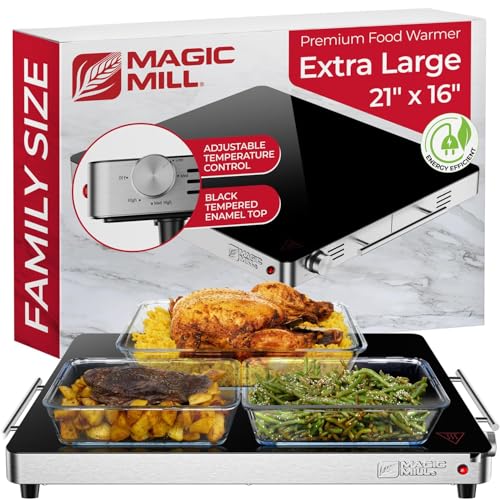
Magic Mill Premium-Grade Glass Food Warmer for Parties Buffet, XL Stainless Steel Modern Electric Warming Tray, Adjustab
Shop at Amazon →A flat electric warming tray is the most flexible style. It works well for casseroles, covered baking dishes, platters, and gravy boats that are safe for heat. It also helps clear the stove during the last rush of cooking, which is one reason these trays show up so often in holiday hosting advice, including this Thanksgiving warming guide.
A buffet server gives you separate pans with lids on a heated base. I like this format for a tidier buffet line, especially for mashed potatoes, stuffing, and vegetables that benefit from staying covered. A chafing dish uses hot water and canned fuel instead of electricity, so it suits a longer buffet or a setup where outlets are awkward.
If you are deciding between these formats, the biggest difference is not style but control. Electric warmers usually give you easier, steadier temperature adjustment indoors.
The easiest mistake is buying or setting out a warmer that is too small for the dishes you plan to serve. Before Thanksgiving, I would map out the footprint of each dish, not just the menu itself. Two medium casseroles may fit on one tray, but a large roasting pan can take over the whole surface.
Leave room for serving spoons, pot holders, and a bit of hand clearance. Overcrowding makes the buffet harder to use and can lead to uneven heating if one dish sits partly off the active zone.
If your meal includes turkey, stuffing, mashed potatoes, gravy, sweet potatoes, and green beans, one tray usually is not enough for everything that needs active heat. In that case, it is smarter to hold the foods that cool fastest or matter most to you, then replenish in smaller batches from the kitchen.
Warming trays are holding tools, not cooking tools. They work best for fully cooked foods that can stay tender with gentle heat. Thanksgiving sides are often a natural fit.
Sliced turkey can also work well if it is held in a shallow covered dish with warm broth or pan juices. The key is moisture. Covered dishes hold heat better and keep the top from drying out too quickly.

Broil King NWT-1S Professional Warming Tray
Shop at target.com →Some foods are poor candidates. Crispy toppings go soft. Roasted potatoes lose their edges. Delicate sauces can split if the heat runs too high. Cranberry sauce, salads, relishes, and desserts belong on an unheated section of the table.
I would also keep crunchy toppings separate until serving. Fried onions, toasted nuts, and fresh herbs hold up much better that way.
Only put cookware on a warming tray if it is meant to handle heat. Oven-safe or stovetop-safe dishes are generally the right category, but it still helps to check the manual for the tray and the serveware. Some materials tolerate gentle holding heat well; others are more vulnerable to cracking from sudden temperature changes.
Glass and ceramic can be useful, but they need a little care. A dramatic shift from oven heat to a cool counter and then onto a hot tray can stress the dish. Stainless steel is often easier in a busy buffet because it handles movement well and cleans up simply later.
Foil pans can work on many warming trays if the manufacturer allows it, but flimsy pans need support when they are filled with heavy food. Keep foil away from controls, vents, and any exposed electrical areas.
A warming tray should sit on a level, heat-safe surface away from the edge of the table. I would also keep it clear of paper decorations, napkins, and water pitchers. Guests should be able to serve without reaching over cords or hot surfaces.
Run cords behind the buffet where chairs, coats, and passing feet cannot catch them. Avoid daisy-chaining extension cords, and use only a suitable outlet or properly rated power strip if the manual allows it.
Food safety matters just as much as convenience. The USDA guidance for buffets and parties recommends keeping hot foods at 140°F or above. That is the temperature to watch in the food itself, not just on the dial. A warming tray helps maintain heat, but it does not reliably bring a cold casserole up to a safe temperature.
Use a food thermometer and check the center of dense dishes. If a dish drops below 140°F, send it back to the oven or stovetop for proper reheating before returning it to the buffet.
If there is one habit that makes warming trays work better, it is starting with hot food and a preheated surface. Let the tray warm up according to its instructions while the last dishes finish cooking. Then transfer food that is already fully hot.
Smaller pans are usually better than one very deep dish. They warm and hold more evenly, and they are easier to swap out before texture starts to slip. That staggered approach keeps the buffet fresher and cuts down on drying, a point echoed in this holiday serving guide.
Cover dishes when you can, but pay attention to condensation. Steam trapped under a lid can drip back into the food and soften a crisp topping or thin a sauce. Vented lids help, and on some dishes it is enough to leave a small gap and wipe the underside of the lid before replacing it.
Most Thanksgiving buffet problems are really setup problems. When the tray size, dish choice, and timing all match, food stays hotter and tastes better.
Once dinner is over, let the tray cool completely before cleaning it. Water or cleaner on a hot surface can damage glass or ceramic, and moisture near controls is never worth risking.
Use a soft cloth, mild dish soap, and warm water for routine cleanup. Dried-on spills usually come off more easily if you lay a damp cloth over them for a few minutes first. Stainless steel should be wiped gently, and fully dried before storing.
Elite Gourmet EWM-6171 Triple Buffet Server, 7.5 Qt, Stainless Steel
Shop at Amazon →When you put the tray away, coil the cord loosely instead of wrapping it tightly around the body. Store it in a dry cabinet, ideally flat, with the heating surface protected from scratches. Before the next holiday, inspect the cord, plug, feet, and surface for any damage.
Follow the tray's instructions, but verify the food itself stays at 140°F or above. A dial setting alone does not tell you the center of a deep dish is safely hot.
Often yes, if the manufacturer allows it and the pan is stable. Support thin foil pans when they are heavy, and keep foil clear of controls and vents.
A warming mat is easier to store and can suit lighter dishes, while a rigid warming tray gives a steadier base for heavier casserole dishes. The better choice depends on the weight of your serveware and how much flat, stable surface you need.
Only as long as it remains at 140°F or above and still tastes and looks good. For best texture, put out smaller portions and replenish as needed, then refrigerate leftovers within two hours.
The best warming trays for a Thanksgiving buffet are the ones that hold fully hot food steadily, fit your actual serving dishes, and make the table easier to manage. Start with the right format, keep food covered and above 140°F, and replenish in smaller batches for a buffet that stays calmer and tastes better.

Paige Gilmore
Founder of Stripes & Willows — recipe creator, food photographer and stylist. Every guide is written to make honest, useful kitchen decisions easier.
More about Stripes & Willows →This page contains affiliate links. If you buy through them, Stripes & Willows may earn a commission at no extra cost to you — it never affects what we recommend.