Crispy fries, golden chicken, and that crunch—who doesn't want that? But which kitchen gadget really nails it?
I've spent way too many hours testing both air fryers and deep fryers in my kitchen. Honestly, the results surprised me. Air fryers use hot air to crisp up food with hardly any oil, while deep fryers dunk everything in hot oil for that classic fried taste.
This isn't just about taste. It's about your lifestyle, your health goals, and how much counter space you're willing to lose.
I'll break down everything from the basics to which one actually makes better fries. (Spoiler: It's not so simple!)
If you're hoping to eat healthier but still want your favorite fried foods, or you swear nothing beats the real deal, I've got you. After burning through more potatoes than I'd like to admit, I know which one's worth your cash.
Fundamental Differences Between Air Fryer and Deep Fryer
The main difference is in how these gadgets cook your food. Air fryers use hot air that swirls around, while deep fryers dunk food in hot oil.
These methods make food taste and feel different. Health-wise, there are big differences too.
How Air Fryers Work
Air fryers are way simpler than they look. They use hot air circulation to cook, kind of like a mini convection oven.

Our Place Wonder Oven (6-in-1 Air Fryer & Toaster Oven)
Shop at Walmart →Also at AmazonHere's what happens:
A heating element cranks up the air temperature
A fan pushes this hot air all around your food
The air fryer cooks food with little or no oil. I can make crispy chicken wings with just a quick spray of oil.
The moving air dries out the surface and cooks food evenly. Foods with some fat or a light oil coating get the best crunch.
The hot air works fast, giving that crunch without all the grease.
How Deep Fryers Work
Deep fryers do things totally differently. They submerge food in hot oil for that classic fried texture.
Here's the process:
Oil heats up to 325-375°F
You lower food into the oil with a basket
The oil cooks everything from all sides
I like how deep frying seals the outside of the food right away. That keeps the inside juicy and gives you that golden, crispy shell.
The oil does all the heavy lifting here. It transfers heat super fast and creates flavors you just can't get any other way.
Key Distinctions in Frying Methods
The biggest difference between air and deep fryers is the process. I've seen some big changes in my own kitchen.
Oil Usage:
Air fryers: 1-2 tablespoons or less
Deep fryers: 6-12 cups
Cooking Environment:
Air fryers use dry, hot air
Deep fryers use hot oil
Temperature Control:
Air fryers: 300-400°F
Deep fryers: 325-375°F
These methods give totally different results. Air frying gives a lighter, drier crunch—great for leftovers or frozen stuff.
Deep frying makes food richer and crispier, with those deep flavors only oil brings.
Cooking times change too. Air fryers usually take longer but you can walk away, while deep fryers are faster but need you to watch closely.
Health Impact and Oil Usage
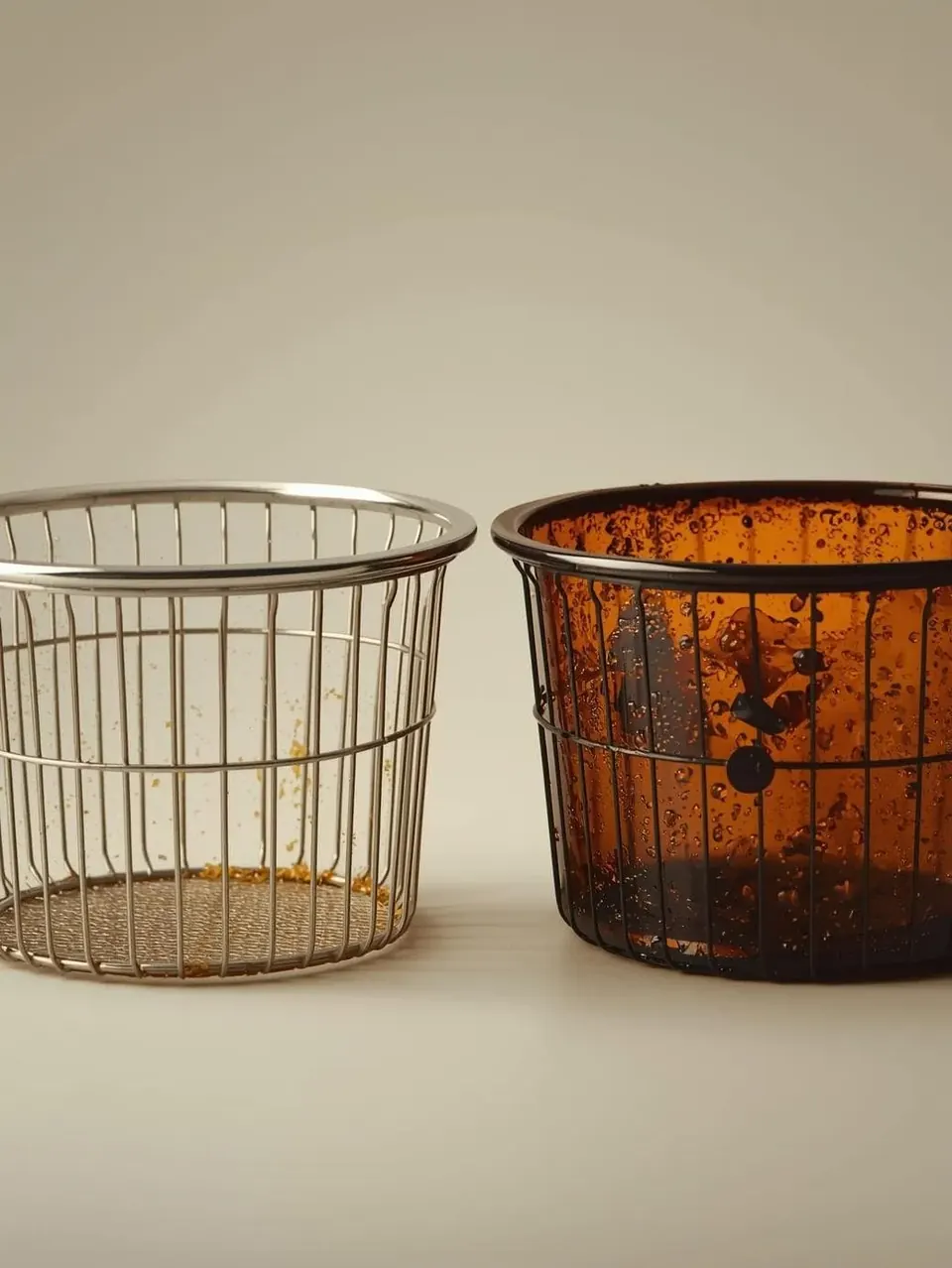
The biggest game-changer is oil. Your waistline will notice, trust me.
Air fryers cut oil by up to 80%. Deep fryers, well, they soak your food in it.
Oil Consumption Comparison
I've checked this myself. My air fryer uses just a tablespoon or so for a whole batch of fries.
My deep fryer? It needs several cups.
Air Fryer Oil Usage:
1-2 tablespoons per batch
Oil spray often works
Sometimes, you don't need any oil
Deep Fryer Oil Requirements:
6-12 cups, depending on size
You need enough oil to cover the food
Oil needs replacing often
Air frying cuts oil absorption by 60-80% compared to deep frying. That's a big difference you can taste and see.
Fat and Caloric Content
Here's where it gets wild. I did my own calorie test with chicken wings.
The same serving had 40% fewer calories when air fried instead of deep fried. Air fryers really do lower oil absorption and calories.
Air-fried food tastes crispy, not heavy. Deep-fried stuff soaks up oil, adding extra fat and calories.
Healthier Cooking Benefits
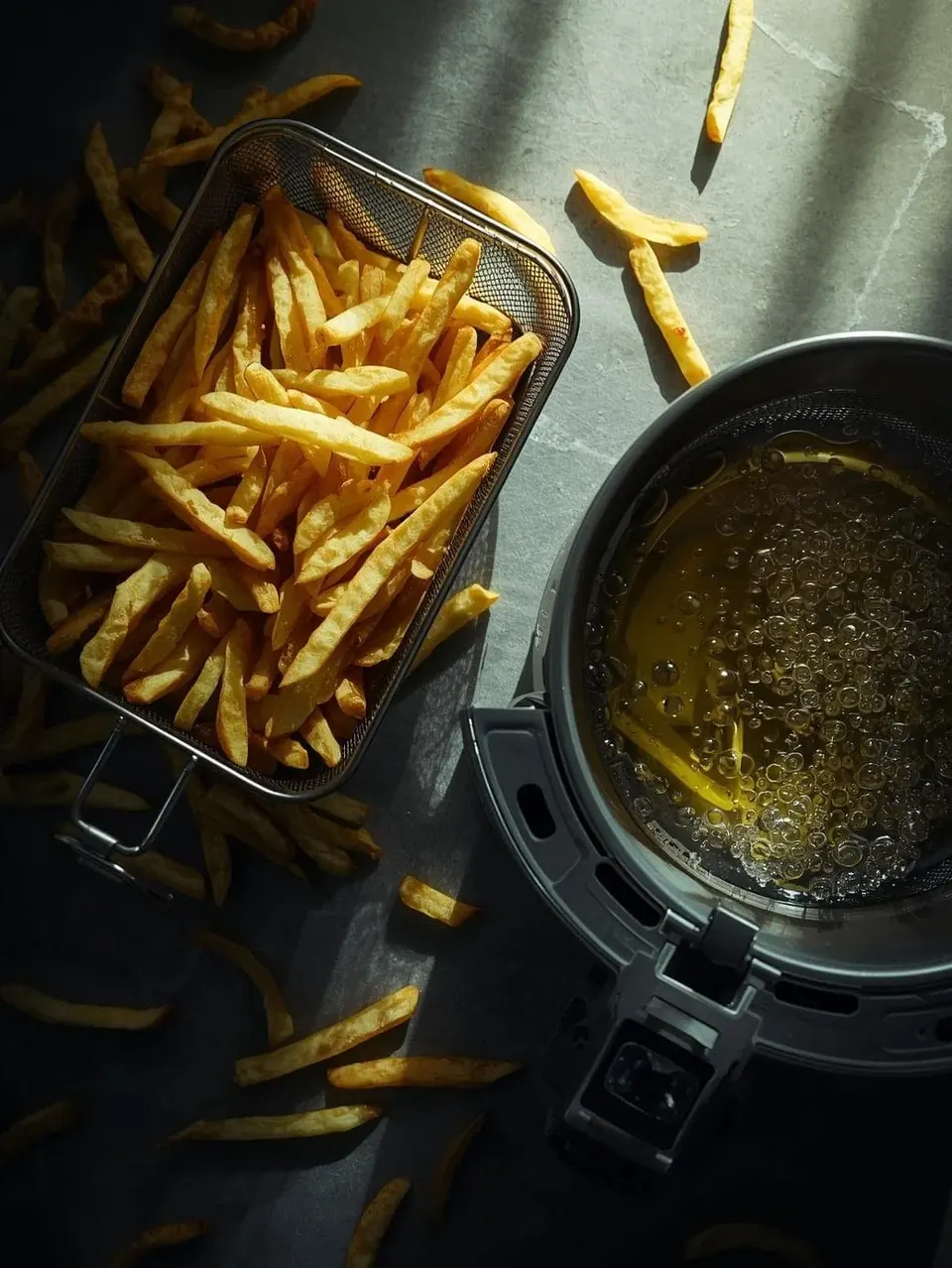
I've seen some real health perks with my air fryer. Air fryers help keep more nutrients and cut down on bad compounds that show up with super high heat.
Health Benefits:
Lower cancer risk: Less acrylamide
Heart health: Less saturated fat
Weight management: Fewer empty calories
Nutrient preservation: Gentler cooking
Cutting down on oil can help your heart. I felt a lot better after swapping to air frying most of the time.
Taste and Texture Comparison
I've put both gadgets through the wringer. Air fryers give a different flavor than deep fryers.
Texture is different, and each has its strong points.
Differences in Crispy Texture
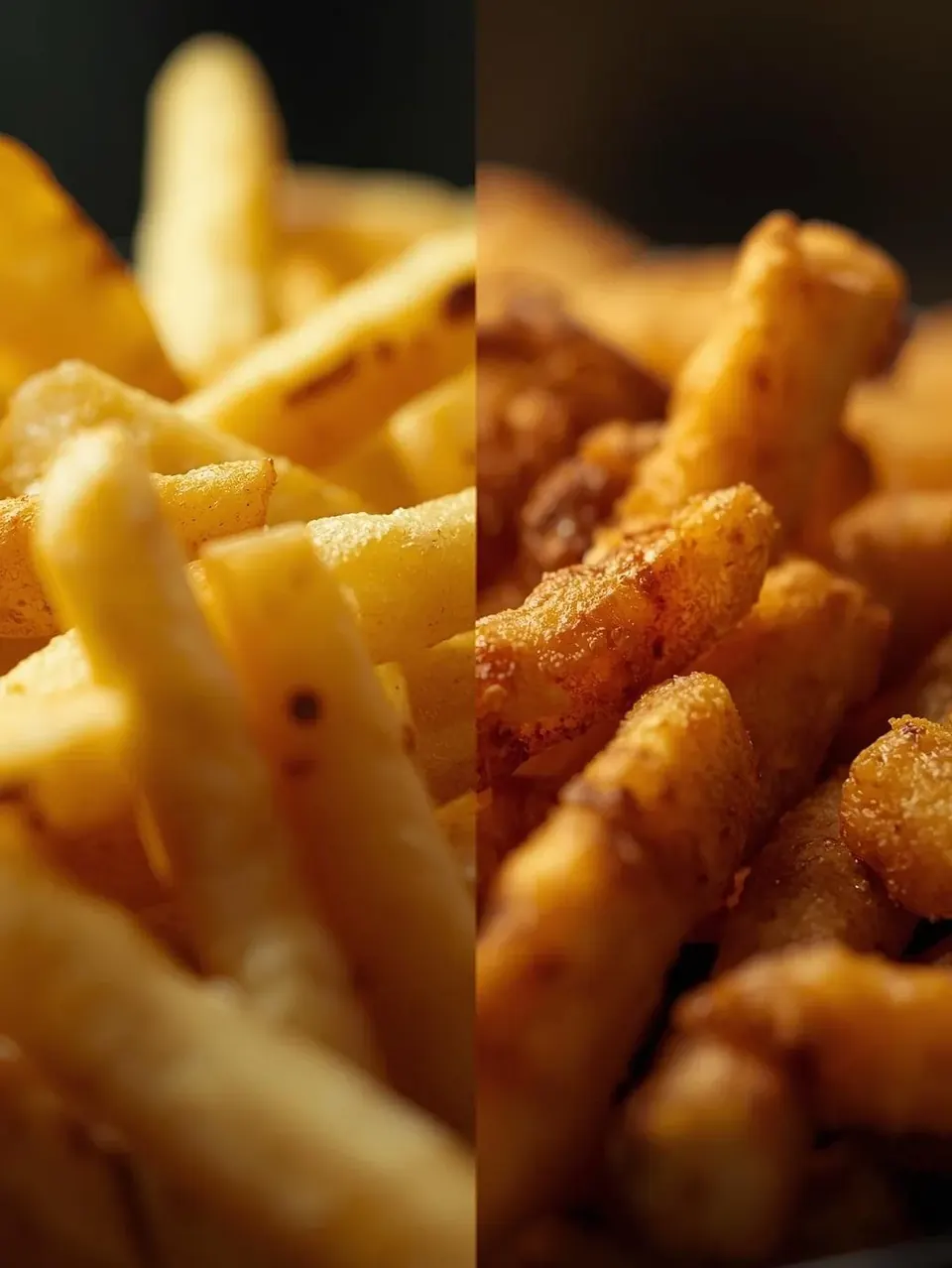
Let's be real—the crispy texture is totally different. Deep fryers win for that classic, heavy crunch.
When I deep fry chicken wings, the oil gives them an amazing crispy finish. The outside gets golden and crunchy, while the inside stays juicy.
Air fryers are different. Hot air makes things crispy, but it's a lighter, drier crunch. It's closer to oven-baked than deep fried.
Texture verdict:
Deep fryer: Heavy, oil-sealed crunch
Air fryer: Light, dry crispiness
Flavor Profiles Revealed
Flavor is where things get interesting. Deep frying gives you that rich, nostalgic taste.
Oil doesn't just make things crunchy—it adds flavor. When I make fries in my deep fryer, they're rich and satisfying. The oil soaks in, making the taste more intense. Deep fryers really do give that classic flavor.
Air fryers keep things cleaner and lighter. I can taste the actual food more, especially with air-fried veggies.
You lose some of that deep-fried richness, but you get to taste your ingredients more clearly.
Speed, Convenience, and Cleaning
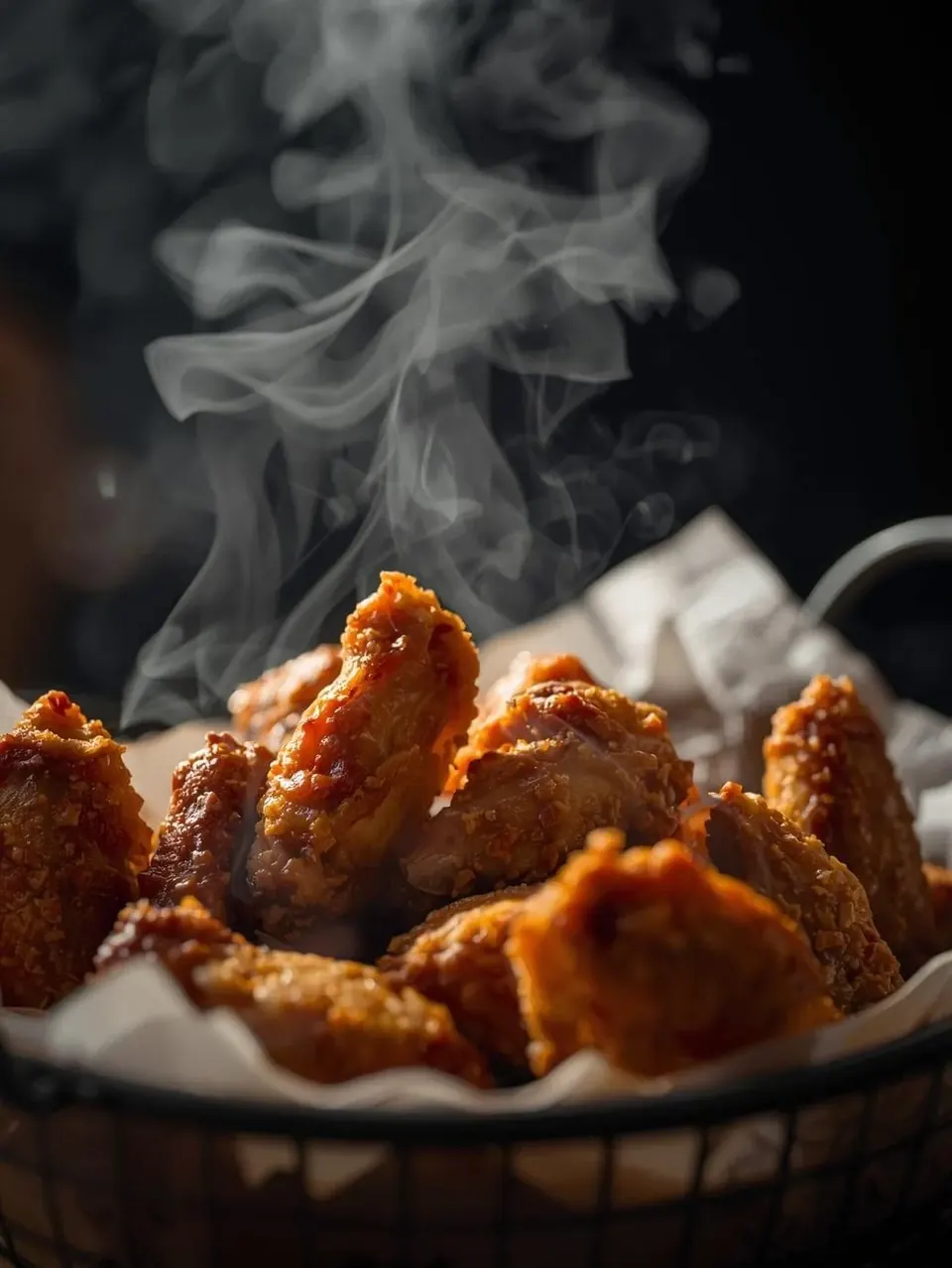
When I'm picking between these kitchen gadgets, it's the everyday stuff—cooking time and cleanup—that matters.
Deep fryers are faster for big batches. Air fryers are easier to use and clean.
Cooking Time and Efficiency
Deep fryers cook faster for lots of food. My deep fryer can do 6-8 chicken pieces in about 12-15 minutes.
Air fryers take longer per batch and the basket is smaller. Four chicken thighs in my air fryer take about 25 minutes.
Timing notes:
Deep fryer: 3-5 minutes to heat up, 8-12 minutes cooking
Air fryer: No preheat, 15-25 minutes cooking
Speed winner: Deep fryer for big batches, air fryer for small ones
The air fryer actually saves me time on busy nights since I skip the oil preheat.
Ease of Use and Operation
My air fryer is almost like a tiny oven with a timer. I set it, toss in the food, and walk away.
Deep frying is more hands-on. I have to watch the oil and keep an eye on bubbling. Sometimes that's fun, but it's not always relaxing.
Why air fryers are easier:
No hot oil to deal with
Less mess
Digital controls
Can bake, roast, and more
Air fryers are less messy and safer, perfect for beginners.
Cleaning and Maintenance
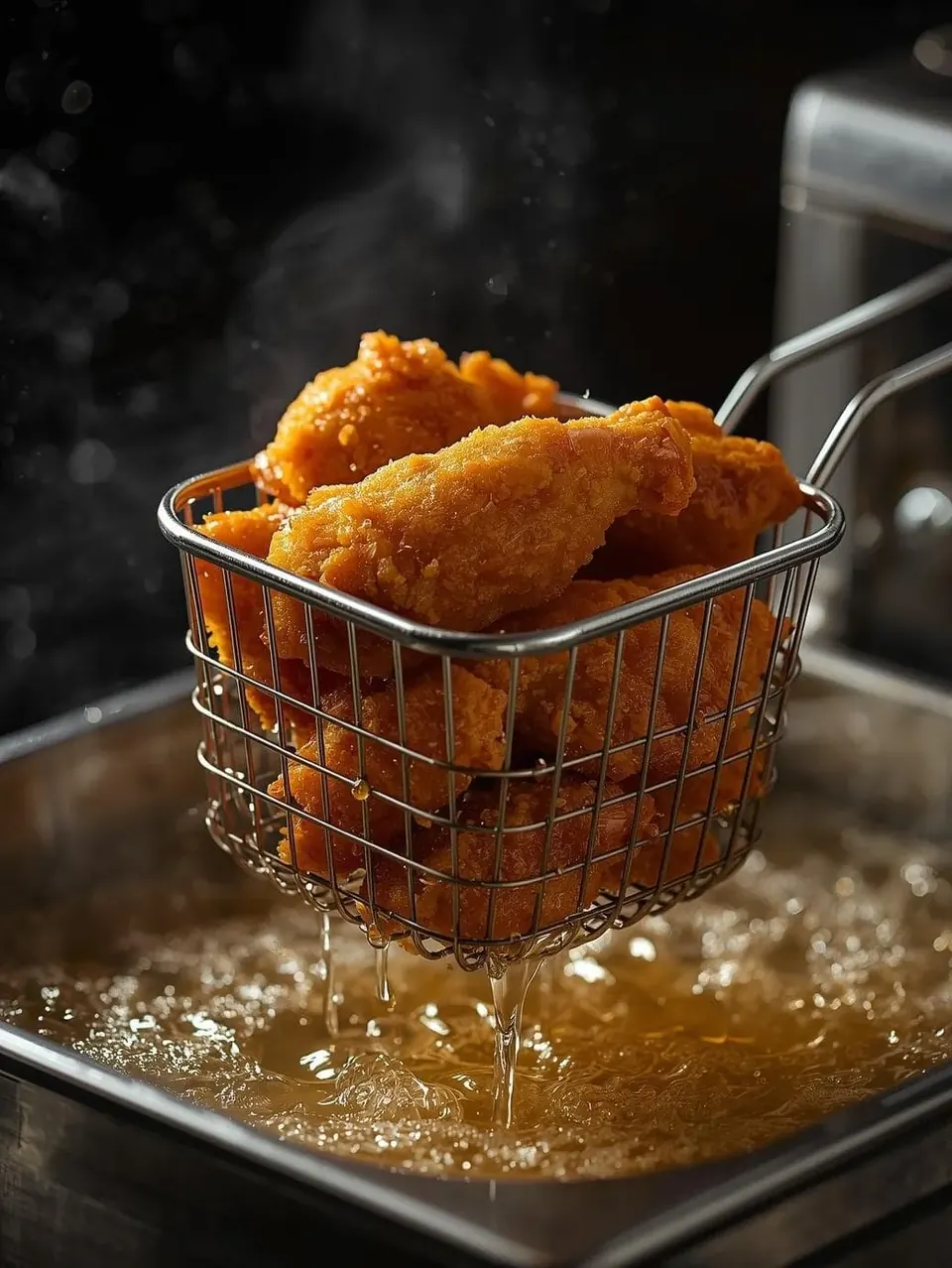
Air fryers are way easier to clean. I just pop the basket in the dishwasher and wipe the inside.
Deep fryer cleanup is a pain. I have to let the oil cool, strain or toss it, and clean out the greasy basket. Oil sticks to everything.
Air fryer: 5 minutes (dishwasher-safe)
Deep fryer: 20-30 minutes, plus oil disposal
Most air fryer parts go in the dishwasher. Deep fryers need hand washing and proper oil disposal—something you might not think about until you're stuck with a pot of old oil.
Versatility and Cooking Options
Air fryers win big here. You can fry, bake, grill, roast, and reheat all in one.
Deep fryers? They're awesome at one thing—frying in oil. Air fryers just do more.
Variety of Foods You Can Prepare
Honestly, I'm still surprised by what my air fryer can handle. My old deep fryer felt limited—mostly just french fries, chicken wings, onion rings, and donuts.
Those foods come out great in oil, no question. But the air fryer? It's like a little magic box.
I've made all sorts of proteins: chicken breasts, salmon fillets, pork chops, and even a whole rotisserie chicken. Vegetables are easy too—Brussels sprouts, asparagus, bell peppers, and sweet potato fries all turn out tasty.
For snacks, I whip up homemade kale chips, roasted chickpeas, and even reheat leftover pizza slices. Sometimes I get ambitious and make desserts like apple turnovers, cinnamon rolls, or a small batch of cookies.
If you're curious, the variety of cooking methods with air fryers makes them super practical for daily meals. Deep fryers only do one thing, so mine often sits unused for weeks.
Beyond Frying: Baking and Grilling
This is where air fryers really show off. I can bake small batches of muffins or grill veggies that get nice char marks.
Sometimes, I even roast a whole chicken for Sunday dinner. The rapid air flow makes results that remind me of my big oven, but faster.
Air fryers are my favorite for baking single portions. I make personal-sized quiches, mini banana bread, or warm up pastries without turning them soggy like the microwave does.
For grilling, I love how it crisps up veggies and gives proteins a little char. Zucchini slices, portobello mushrooms, and marinated tofu all come out great with hardly any oil.
Deep fryers can't really do any of this. They're just for frying, and that's it.
If you're after cooking efficiency and versatility, air fryers are honestly hard to beat in a modern kitchen.
Safety and Practical Considerations
When I'm cooking, temperature control is everything. Both fryers have their own safety perks and risks.
Temperature Control Features
Air fryers win big on temperature control. Most have digital displays with exact settings, usually from 180°F to 400°F.
Once I set the air fryer to 350°F, it just stays there. I don't have to babysit it or worry about the heat jumping around.
Deep fryers, though, can be a hassle. Cheaper ones use basic thermostats that aren't always accurate.
I've seen oil temperatures swing a lot when I add cold food. Fancier deep fryers have better controls, but I still need to watch the oil more closely than with my air fryer.
The biggest safety advantage for air fryers? No guessing about hot oil. I've seen so many people get burned because they couldn't tell how hot the oil was.
Safety Benefits and Risks
I'll be real—air fryers minimize burn risks and accidents. The closed design means no splattering oil, and most have cool exteriors.
Air fryer safety wins:
No oil fires
Automatic shut-off
Cool outside surfaces
No oil splatter burns
The only air fryer risk I've run into? The basket gets super hot. I always grab it with tongs and never touch it with my bare hands.
Deep fryers are riskier. Hot oil at 350°F or more can cause serious burns in seconds.
I've seen grease fires start from overheating or water getting in the oil. The worst moment for me was when wet food made the oil bubble up like crazy. Now I always dry food before frying.
Deep fryer risks:
Bad burns from hot oil
Fire hazards if oil overheats
Oil splatter during cooking
Scary reactions if water hits the oil
Frequently Asked Questions
People ask me about air fryers versus deep fryers all the time. I get it—there's a lot to compare!
What are the main health benefits of using an air fryer compared to a deep fryer?
The health benefits are honestly pretty clear. Air fryers use up to 80% less oil, so the food has way fewer calories and less saturated fat.
I love that I can get crispy fries with just a spritz of oil, not a whole vat. My french fries come out golden and crunchy with barely any oil.
Less oil also means I'm not eating all those weird compounds that form when oil gets really hot. And I don't worry about old, rancid oil if I forget to change it.
How does the taste and texture of food differ between air frying and deep frying?
Honestly, deep frying still rules for that extra-crispy, restaurant crunch. Oil just makes this perfect golden crust that's tough to copy.
But air frying gets close! My chicken wings are crispy outside and juicy inside. The texture is more like really good oven-baked food than deep-fried.
Foods with natural oils, like chicken thighs or salmon, do awesome in the air fryer. Drier foods need a light coat of oil or breadcrumbs to get crunchy.
Can you cook the same types of food in an air fryer that you can in a deep fryer?
Most of my favorite fried foods work in the air fryer. I make fries, chicken nuggets, fish fillets, and even donuts.
The best part? Air fryers do way more than deep fryers. I can bake, roast, and reheat leftovers—deep fryers can't do that.
Some wet batters don't work well in air fryers since there's no oil to set them. I just use thicker batters or breadcrumbs that stick better.
What's the difference in cooking time between an air fryer and a deep fryer?
Deep fryers cook food faster once the oil is hot. I can fry a batch of fries in 3-4 minutes.
But deep fryers take 10-15 minutes just to heat the oil. My air fryer heats up in 2-3 minutes, so the total time is usually about the same.
I like air frying because I don't have to wait for oil. I just toss in the food and start.
Is there a significant difference in energy usage between air frying and deep frying?
Air fryers use less energy, at least in my experience. They're like tiny convection ovens and heat up fast.
Deep fryers need more electricity since they have to keep all that oil hot. They also take longer to get going.
Since using my air fryer more, my electricity bill dropped a bit. It's not a huge change, but these days, every little bit helps.
How do maintenance and cleanup compare between air fryers and deep fryers?
This is where air fryers absolutely shine! Cleanup is so much easier that it's honestly changed how often I make "fried" foods at home.
With my air fryer, I just wash the basket and tray in soapy water. Sometimes I toss them in the dishwasher instead.
The whole process takes maybe five minutes. That’s it.
Deep fryer cleanup feels like a whole production. First, I have to wait for the oil to cool.
Then I strain it if I want to reuse it. Scrubbing off all that greasy buildup is never fun.
And don't get me started on dealing with old oil. Disposing of it properly is a hassle every single time.
The minimal cleanup requirements of air fryers make them way more appealing for regular use.