

Choosing between a gas and electric stove is one of those kitchen decisions that can really change how you cook every day. I've used both for years, and honestly, the difference shows up in everything—from quick breakfasts to those big, show-off dinners.
Gas stoves give you better temperature control and instant heat changes. Electric stoves heat more evenly and are easier to clean, so the best one depends on how you cook and what your kitchen looks like. This isn't just a fight between fire and coils anymore. There are questions about performance, safety, energy bills, and even your home's air quality.
Let's dig into what really separates these two kitchen staples. I'll talk about how they work when you're scrambling to get food on the table, and what they cost over time.
Gas Stove vs Electric Stove: Key Differences
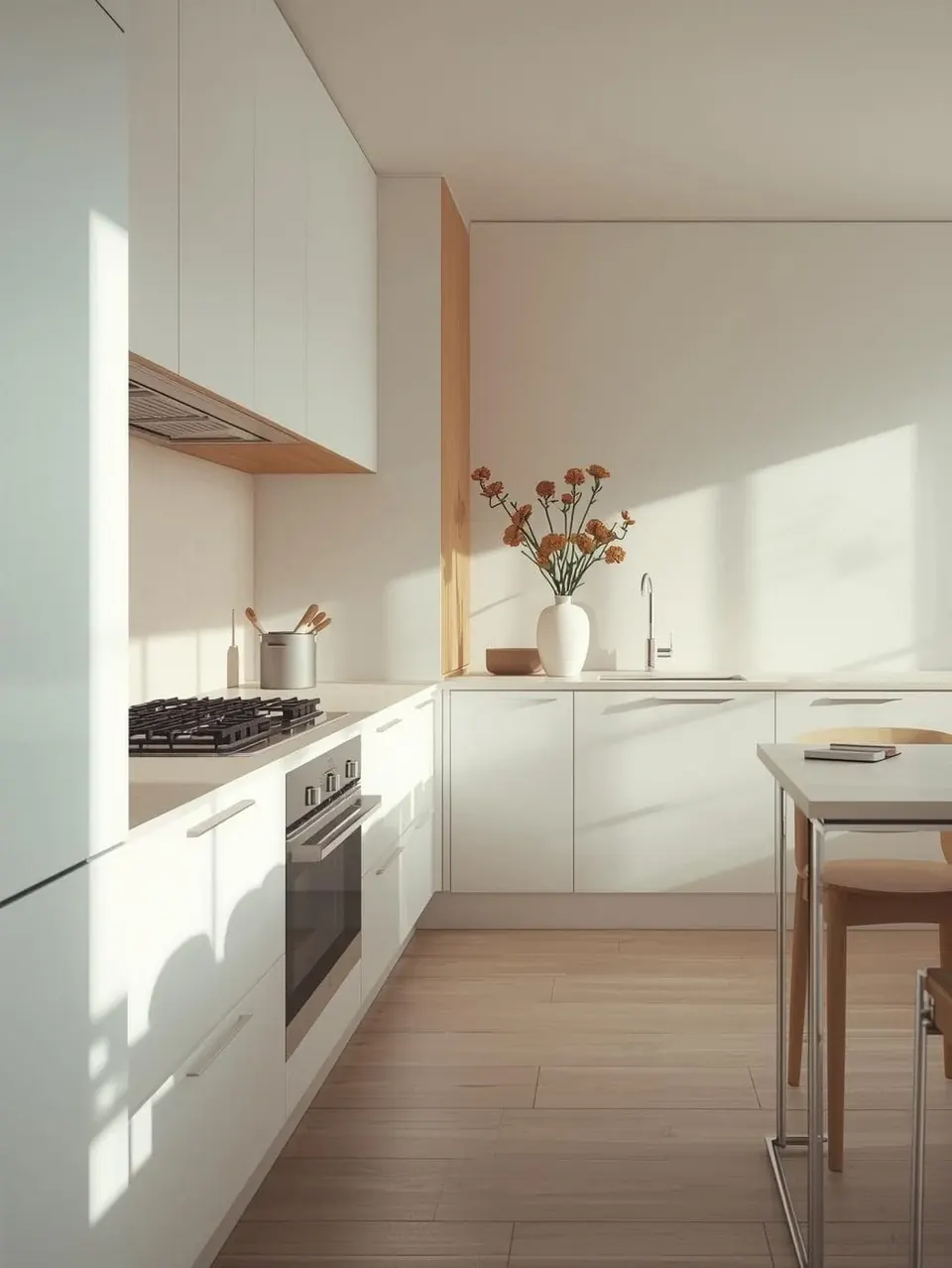
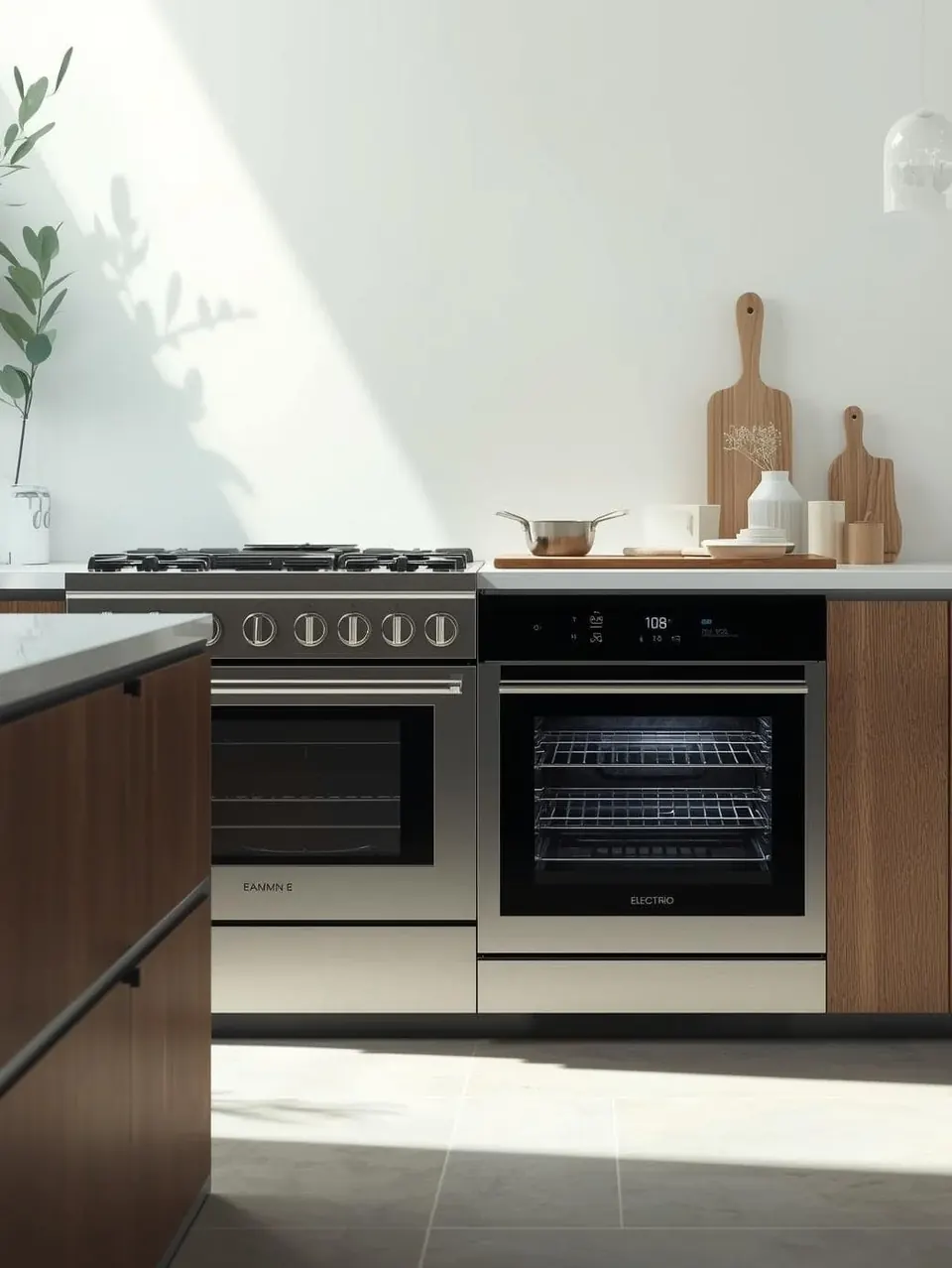
Gas stoves burn natural gas or propane to make real flames. Electric stoves use heated coils or smooth glass tops that run on electricity.
The main things that stand out to me are how fast you can control the heat, what the surface feels like, and whether you want the quick response of gas or the steady heat of electric.
How Gas Stoves Work
Gas stoves hook up to your home's gas line or use propane tanks. When I twist the knob, gas comes out of little holes in the burner and lights up, either with a pilot flame or a spark.
The flame heats my cookware right from underneath. I can crank the heat up or down in a second, just by turning the knob.
Gas burners come in different BTU ratings:
Standard burners: 5,000-9,000 BTUs
High-output burners: 12,000-18,000 BTUs
Simmer burners: 3,000-5,000 BTUs
I like seeing the flame because I know exactly how much heat I'm using. The heat control with gas just feels more natural to me.
How Electric Stoves Work
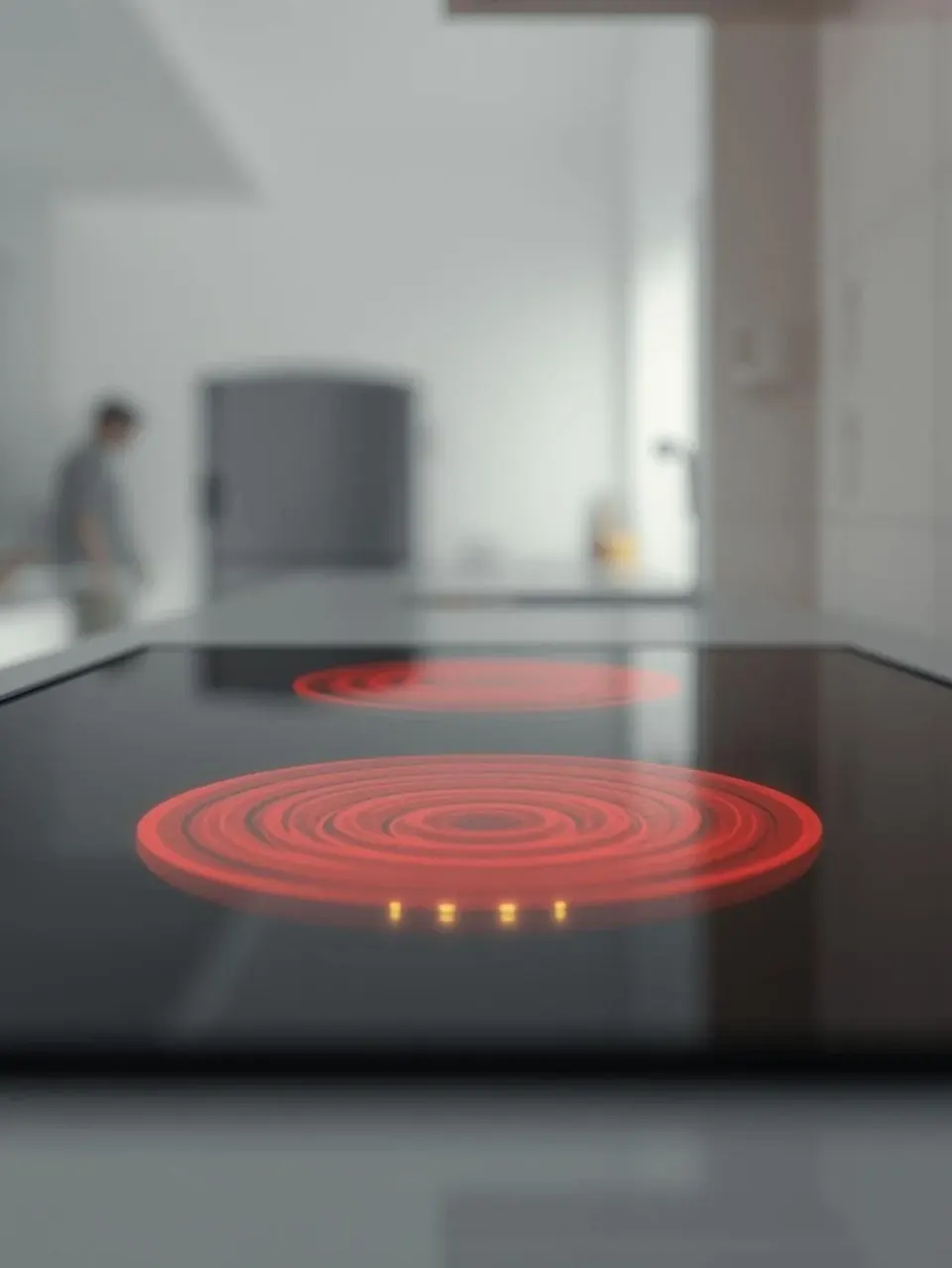
Electric stoves heat up metal coils or a smooth glass surface using electricity. When I turn the knob, electricity runs through the heating elements, making them glow red and heat my pans.
Coil burners have visible metal spirals that get hot. Smooth-top ranges hide the heating part under a flat glass surface, so the heat comes through the glass where the burners are.
The heat builds up slowly and cools down slowly too. I have to plan ahead because the burner stays hot even after I turn it off.
Electric burner types:
Coil burners: Exposed metal coils, easy to swap out
Smooth ceramic: Flat glass top, wipes clean
Radiant elements: Coils hidden under ceramic glass
Cooking Surface and Burner Types
The surface really changes how you cook day-to-day. Gas ranges have open grates, so I can slide pans around and use almost any shape or type of cookware.
Electric ranges come in coil-top and smooth-top styles. Coil-tops have metal coils and drip pans underneath, but cleaning those drip pans can be a pain. Smooth-tops look nice and are easy to wipe down, but you have to be gentle to avoid scratches.
Gas range surfaces:
Cast iron grates over open burners
Easy to move pans between burners
Any cookware works
Grates can go in the dishwasher
Electric range surfaces:
Coil-top: Metal coils with drip pans
Smooth-top: Flat glass surface
Flat-bottomed pans work best
Smooth-tops scratch if you're not careful
Dual-Fuel and Induction Options
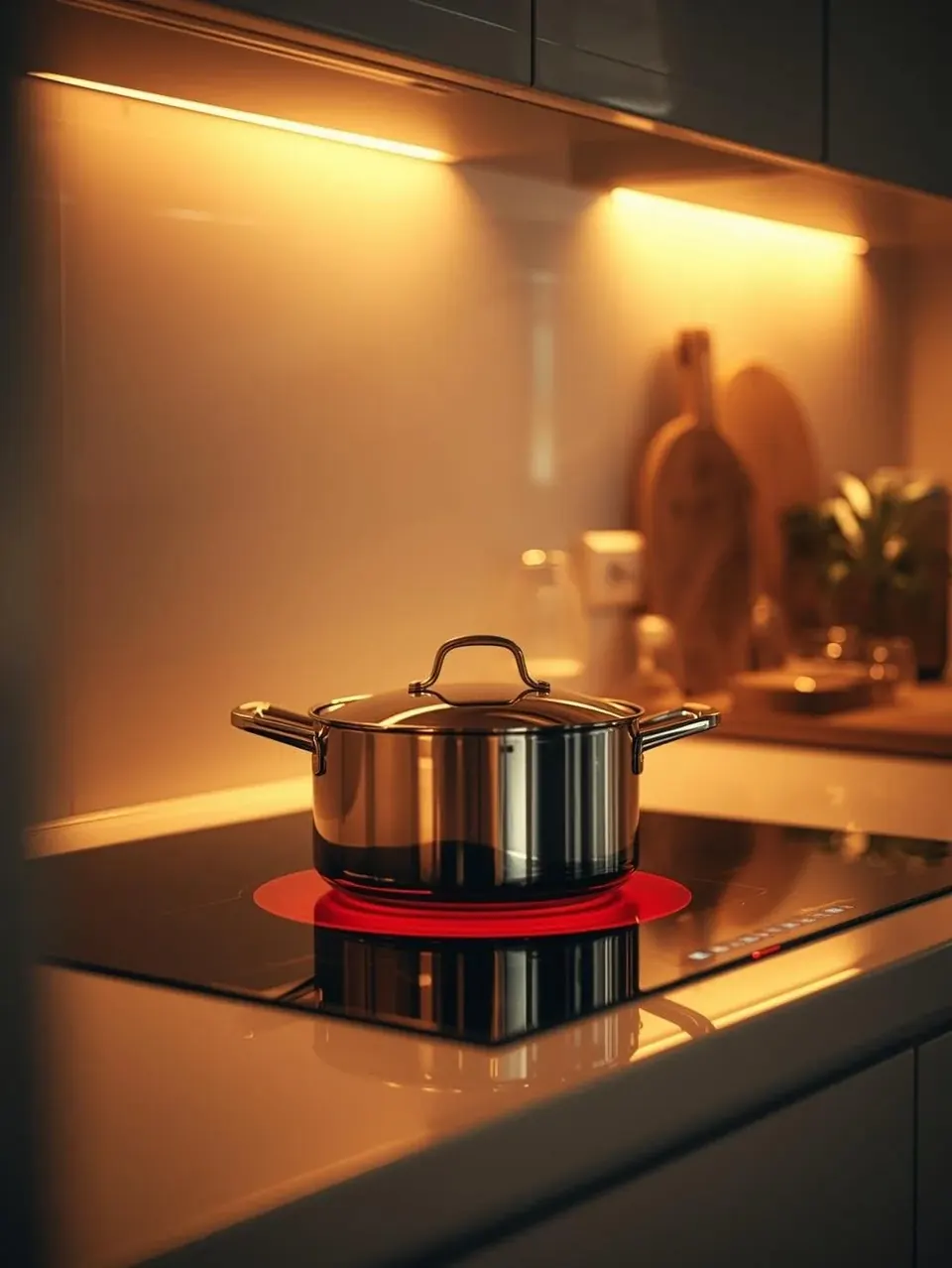
Dual-fuel ranges mix things up. You get gas burners for cooking and an electric oven for baking. These premium ranges cost more, but you get the quick gas heat for the stove and even baking in the oven.
Induction cooktops are the newest kind of electric stove. They use magnets to heat special pans right through the metal, not the surface. When I use induction, my pots heat up super fast, but the cooktop itself stays pretty cool.
Induction benefits:
Heats up faster than gas or electric
Really precise temperature control
Surface stays cool except under the pan
Only works with magnetic pans
Dual-fuel and induction ranges cost more than regular gas or electric models. If you cook a lot, the performance might be worth it.
Cooking Performance and Temperature Control
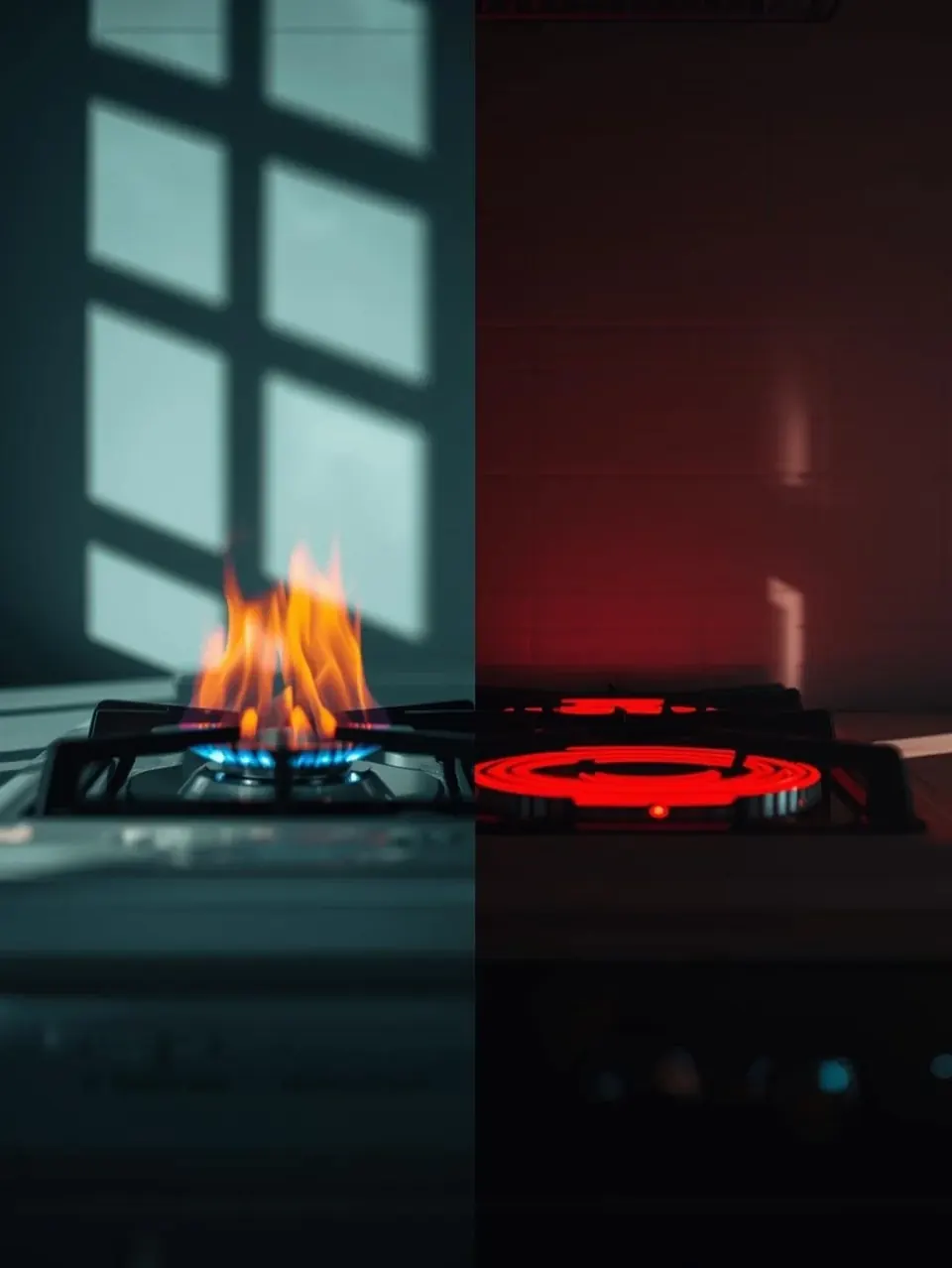
When you actually start cooking, gas stoves change heat instantly, while electric stoves keep a steady, even temperature. How each one handles heat makes a big difference in your kitchen.
Heat Control and Responsiveness
Gas stoves win for quick heat changes. When I turn the knob, the flame jumps up or down right away.
If I'm sautéing garlic and need to lower the heat fast, gas cools down almost instantly. Electric burners take their time heating up and cooling down, which can be annoying when you need to react quickly.
Gas advantages:
Instant on/off
You can see the flame
Quick adjustments
Electric advantages:
Consistent temperature once heated
Good for slow, steady cooking
No flames to worry about
Electric stoves do keep a steady temperature for things that need it. The coils or glass surface hold heat better than gas flames, which can flicker.
Heat Distribution
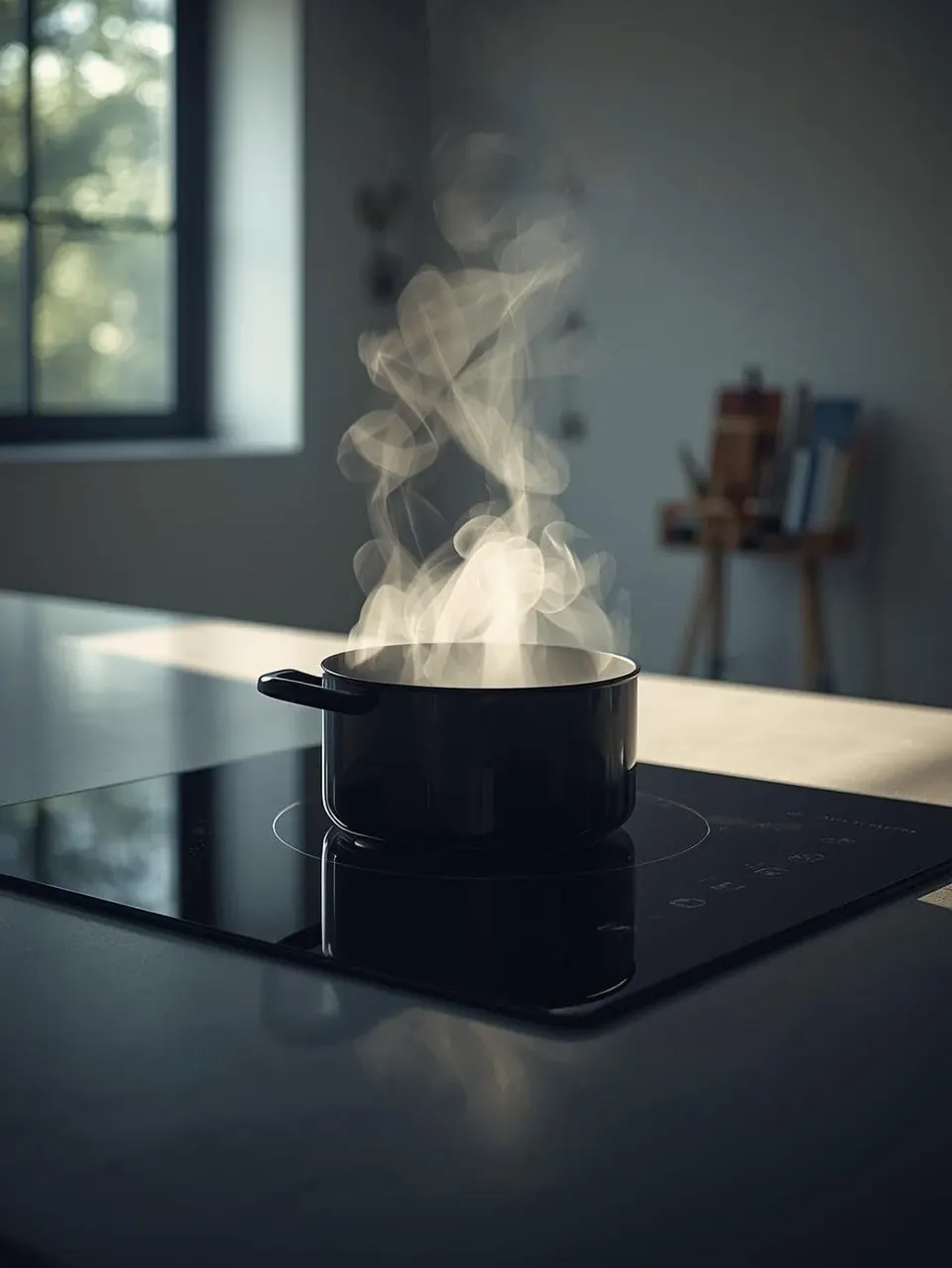
Heat spreads differently on gas and electric stoves. Gas burners wrap flames around pots and pans, so you get even heating on the bottom and sides.
Electric burners heat up only where the coil touches the pan. If you don't have a flat-bottomed pan, you might get hot spots.
Gas heat distribution:
Heat surrounds the pan
Works with any pan shape
Great for woks and curved pans
Electric heat distribution:
Heats where the pan touches the coil or glass
Needs flat-bottomed pans
Can make uneven hot spots
I like gas for recipes that need lots of stirring or fast heat changes. Electric is nice for pancakes or anything that needs a steady, flat heat.
Cooking Techniques and Professional Use
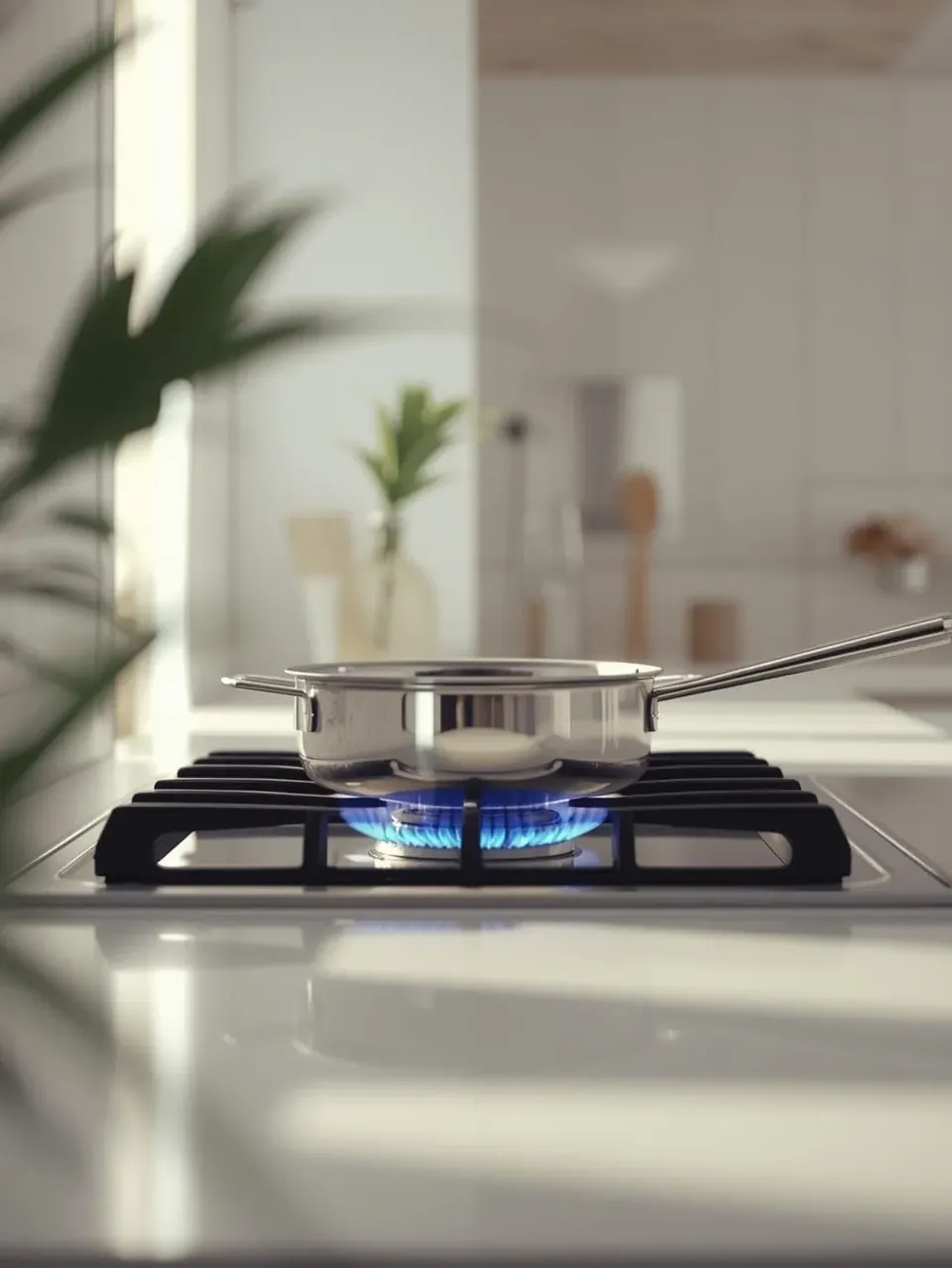
Most pro chefs go for gas because it lets them do tricky techniques. I can see the flame and control it just right.
Gas is great for:
Stir-frying with high heat
Flambéing
Searing and browning fast
Sauces that need careful temperature
Electric is better for:
Slow-cooking soups
Melting chocolate
Keeping things at a low simmer
Baking prep
The visible flame on gas helps me judge heat. With electric, I have to guess more or use timers since there's nothing to see.
If you want restaurant-style results at home, gas ranges give you the control you need for those fancy techniques.
Safety, Health, and Indoor Air Quality
When I started looking into stoves, I realized gas and electric have very different safety risks. Gas stoves can leak dangerous gases and pollute your air, while electric stoves avoid those problems but can still burn you.
Risks of Gas Leaks and Carbon Monoxide
Gas leaks honestly scare me the most about gas stoves. Natural gas has methane, which can build up if there's a leak. Most new stoves have safety features, but old ones or damaged lines are risky.
Carbon monoxide is the invisible danger. If gas doesn't burn all the way, it makes this gas, and you can't see or smell it. I've read too many stories about carbon monoxide poisoning to ignore it.
Here's what I look out for:
Gas smell (like rotten eggs)
Yellow or orange flames (should be blue)
Soot around burners
Headaches or dizziness while cooking
Electric stoves don't have these risks since they don't burn fuel. That makes me feel better, especially with kids in the house.
Burn and Fire Hazards
Both stoves can burn you, but the risks are different. Gas stoves have open flames that can catch sleeves or towels. I've singed my eyebrows leaning over a gas burner—embarrassing but true.
Electric burners stay hot long after you turn them off. I once grabbed a burner I thought was cool. Big mistake. The red glow fades, but the heat sticks around.
Induction stoves are safest. The cooktop stays cool except under the pan, so I can touch the area around my pot without worry.
Indoor Air Pollutants and Health Effects
This is where gas stoves lose points for me. Studies show switching from gas to electric stoves cuts indoor air pollution by more than half.
Gas stoves release these pollutants:
Nitrogen dioxide - can hurt your lungs
Carbon monoxide - causes headaches and worse
Formaldehyde - a known carcinogen
Particulate matter - irritates lungs
I was surprised to learn gas stoves add to indoor air pollution that can cause headaches, asthma, and even heart problems. People with asthma are at higher risk.
Electric stoves don't make these pollutants, so they're better for air quality inside.
Ventilation and Protective Measures
If you have a gas stove, good ventilation is a must. I always turn on my range hood when cooking, even if it's just boiling water.
Here's what I do:
Use the range hood every time
Open windows when I can
Install a carbon monoxide detector in the kitchen
Check gas lines every year
Proper ventilation helps lower gas stove emissions, but it doesn't get rid of them all. Upgrading to a stronger range hood made a real difference for me.
Experts say electric stoves are safer for air quality and the planet. I still like cooking with gas, but honestly, I'm thinking about switching for my family's health.
Cost, Energy Efficiency, and Installation
The biggest surprises with gas vs. electric stoves usually come down to hidden costs and energy use. The sticker price is just the start. What really matters is how much you'll pay over years of cooking and if your kitchen can handle the setup.
Energy Consumption and Utility Costs
Gas stoves usually win for running costs. Gas stoves cost 10% to 30% less to use over time than electric. That's because natural gas turns into heat right away, so less energy is wasted.
People who cook a lot save the most with gas. Here's why:
Natural gas is usually cheaper per BTU than electricity
Gas burners heat up instantly
You only pay for the flame you use
Electric stoves have to heat the coil or glass first, then transfer that heat to your pan. That extra step wastes energy.
Propane users will pay a bit more than natural gas, but it's still usually cheaper than electric. Savings depend on your local utility rates—electricity costs can be all over the place.
Installation Requirements
Here's where things get interesting—and honestly, a bit pricey if you're switching fuel types.
Electric stoves win the installation game. They're usually cheaper to buy and easier to install than gas burners.
Most homes already have the 240-volt outlet you need, so it's often just plug-and-play.
Gas installation can get expensive fast:
New gas line installation: $300-$800
Permits and inspections are required in most places
You need a professional for safety
Ventilation upgrades might be needed
I always tell people to watch out for these hidden costs. That "cheaper" gas stove might end up costing $1,000 more after you add in gas line work.
Maintenance and Longevity
Electric stoves need less daily maintenance. Modern glass cooktops wipe clean easily, and there aren't many moving parts to break.
But when something does break, repairs can get pricey.
Gas stoves need more regular attention:
Burner grates and drip pans need frequent cleaning
Gas connections should get checked every year for leaks
Igniters can wear out and need replacing
The oven part usually lasts longer on gas models. I've seen 20-year-old gas ovens still working, while electric ovens often need new elements after 10-15 years.
Maintenance costs are usually lower for gas stoves since the parts are simpler and cheaper. Electric models have more electronics that cost more to fix if they break.
Cleaning, Maintenance, and Convenience
Electric stoves win the cleaning game. Gas stoves need more attention but make grate maintenance a bit easier.
Both have their quirks when it comes to upkeep.
Ease of Cleaning and Surface Durability
I'll be honest—electric stoves are made to be easy to clean, which is a huge plus if you love convenience.
The smooth glass-top surfaces wipe clean with a damp cloth and a little effort.
Electric stoves shine because:
Flat surfaces mean no food gets stuck in cracks
No burner caps or grates to mess with
Glass cleaner is usually enough
Gas stoves need more work, but they're manageable. I actually like that the grates pop off for deep cleaning.
Most cast iron grates can go right into the dishwasher, which is pretty handy.
Gas stoves need extra steps:
Remove burner caps and grates often
Clean around gas ports carefully
Wipe up spills right away to avoid burning
Gas stoves are tougher, though. Those heavy cast iron grates can handle big pots without scratching, but glass-top electrics can crack if you drop something heavy.
Common Maintenance Tasks
My gas stove keeps me busy with regular chores. Clean up spills fast so they don't burn or stick to the surface—you'll thank yourself later.
Weekly gas stove tasks:
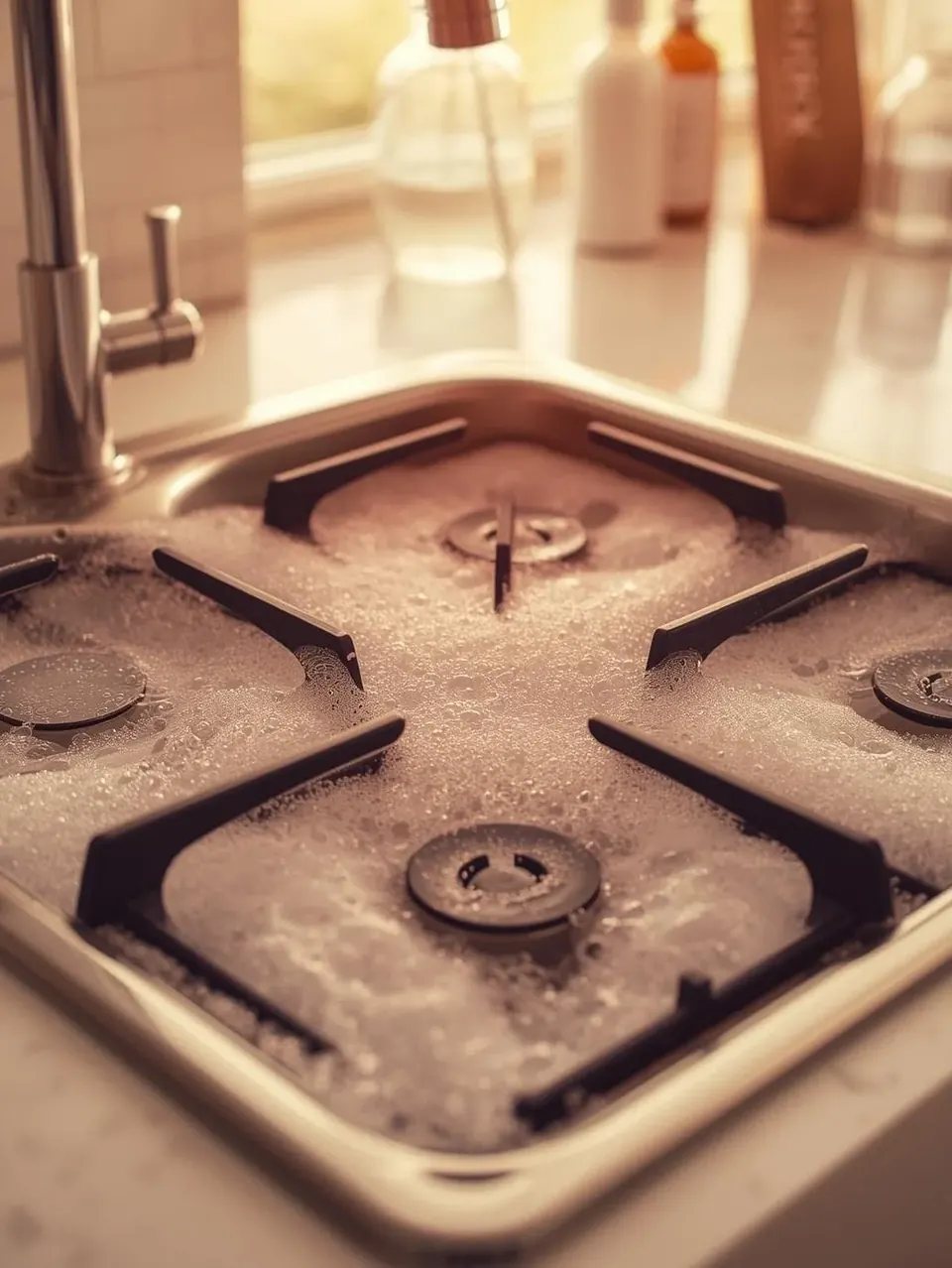
Soak grates and burner caps in warm, soapy water
Check burner channels for clogs
Wipe down the cooktop
I use a soft brush for grease, but never metal pads on enamel parts. Scratches never go away and look terrible.
Electric stoves don't need deep cleaning as often, but you have to be careful. I keep a glass-top cleaner and use the scraper tool that came with my stove for tough spots.
Monthly electric tasks:
Deep clean with glass-top cleaner
Check heating elements for damage
Inspect drip pans under coils
Making the Right Choice for Your Kitchen
Your cooking style and where you live really matter when picking between gas and electric. I think looking at your habits and local stuff makes the choice way clearer.
Lifestyle and Cooking Preferences
I always tell friends to think about how they actually cook before choosing a stove.
If you love making stir-fries or searing steaks, gas stoves give you instant heat control that changes everything. I can crank up the flame for a perfect sear, then turn it down in seconds.
Electric stoves work better if you bake a lot or do slow cooking. The even heat is great for simmering sauces with no hot spots.
Here's what I look at for cooking style:
Frequent entertaining: Gas heats up fast when you use lots of burners
Precision cooking: Gas lets you see and adjust the flame right away
Baking focus: Electric ovens usually keep steadier temps
Quick weeknight meals: Electric is easier to wipe down after messy cooking
Your comfort with gas matters too. Some people get nervous about open flames, while others like seeing exactly how much heat they're using.
Environmental and Regional Considerations
Where you live really changes what kind of stove makes sense. Your local energy sources and costs should guide your choice.
Natural gas availability is huge. If your house doesn't have gas lines, installing them gets expensive fast.
I've seen installation costs from $500 to $2,000 depending on how far you are from the main line.
Electric stoves make more sense where you have:
Renewable electricity like solar or wind
Lower electric rates
No gas lines nearby
Gas works better where:
Natural gas is easy to get
Electric rates are high
You want lower monthly bills
Local climate matters too. In hot places, gas stoves add less extra heat to your kitchen because the flame focuses on the pan.
Electric stoves can make small kitchens feel warmer, especially in summer.
Think about your area's power grid, too. Gas stoves with pilot lights work during blackouts, but electric stoves leave you stuck if the power goes out.
Frequently Asked Questions
People ask me all the time about picking between gas and electric stoves. It's confusing—I get it! The choice affects everything from your bills to how crispy your pan-seared steak gets.
What are the pros and cons of using a gas stove compared to an electric stove?
Let me break it down. Gas stoves give you instant heat control—you turn the dial and the flame responds right away.
I love seeing the flame and knowing how hot my pan is.
The downsides? Gas stoves are harder to clean with all those grates and burner caps. Plus, you need a gas line if you don't already have one.
Electric stoves are awesome for even heating and easy cleanup. Those glass-top models look cool and wipe down fast.
But they take forever to heat up or cool down. That can be annoying when you want to adjust the temperature quickly.
Experts say gas gives better temperature control, while electric keeps heat more even across the surface.
How do cooking times differ between gas and electric stoves?
This is where gas wins for me! Gas burners heat up right away, so I can get a pan hot in about 30 seconds.
If I turn down the flame, the temperature drops instantly.
Electric stoves are slow. They can take 2-3 minutes to get warm, and even longer to cool down when you lower the setting.
I've overcooked garlic plenty of times waiting for electric burners to respond.
Here's a tip: If you're using electric, preheat your pans longer and keep a cool burner ready so you can move things off the heat fast.
Is there a difference in cost-efficiency when it comes to gas versus electric stoves?
The cost is trickier than people think! Gas is usually cheaper to run each month because natural gas costs less than electricity in most places.
I save about $10-15 a month cooking with gas.
But installing a gas line can cost $500-1,000 if you don't have one. Electric stoves just plug in, so setup is almost free.
Gas stoves usually last longer in my experience. My gas range is still working after 12 years, but I had to replace my last electric stove after 8 years.
Can the type of stove I use affect the taste of my food?
Absolutely! This might sound dramatic, but I can taste the difference.
Gas gives me that restaurant-style char on veggies and meat that's hard to get with electric. The higher heat gives better browning and caramelization.
My stir-fries have more "wok hei" (that smoky, seared flavor) when I use gas.
Electric stoves heat more evenly, which is great for delicate sauces or melting chocolate, but they don't give you those crispy, charred edges I love.
Most pro chefs go with gas because it gives more control over texture and flavor.
What safety considerations should I keep in mind when deciding between a gas and an electric stove?
Safety matters a lot, and both types have their issues.
With gas stoves, there's always a small risk of gas leaks, though modern safety features help. I always keep my kitchen well-ventilated and have a carbon monoxide detector nearby.
Electric stoves stay hot long after you turn them off. Those "hot surface" lights are lifesavers.
I've touched a burner thinking it was cool when it wasn't—ouch.
Gas stoves need good ventilation and regular maintenance checks. Electric stoves don't have gas leaks, but you can easily burn yourself on a surface that looks cool but isn't.
How does the maintenance and cleaning compare between gas and electric stoves?
Cleaning these things is honestly a bit of a headache sometimes. Gas stove grates and drip pans need regular deep cleaning, and grease builds up around the burners fast.
I probably spend about 20 minutes every week scrubbing everything down. It’s not my favorite chore, but it’s gotta be done.
Electric glass-top stoves look amazing when they’re clean. The catch? They show every little water spot and scratch.
I’ve learned to use special cooktop cleaners and try not to drag pans across the surface. The upside is that daily cleanup only takes a few minutes with a damp cloth.
Coil electric stoves are kind of a pain, honestly. Spills collect underneath the coils, and the drip pans get nasty in no time.
If you’re going for electric, I’d say just get the smooth-top version. It’s so much easier to keep looking decent.