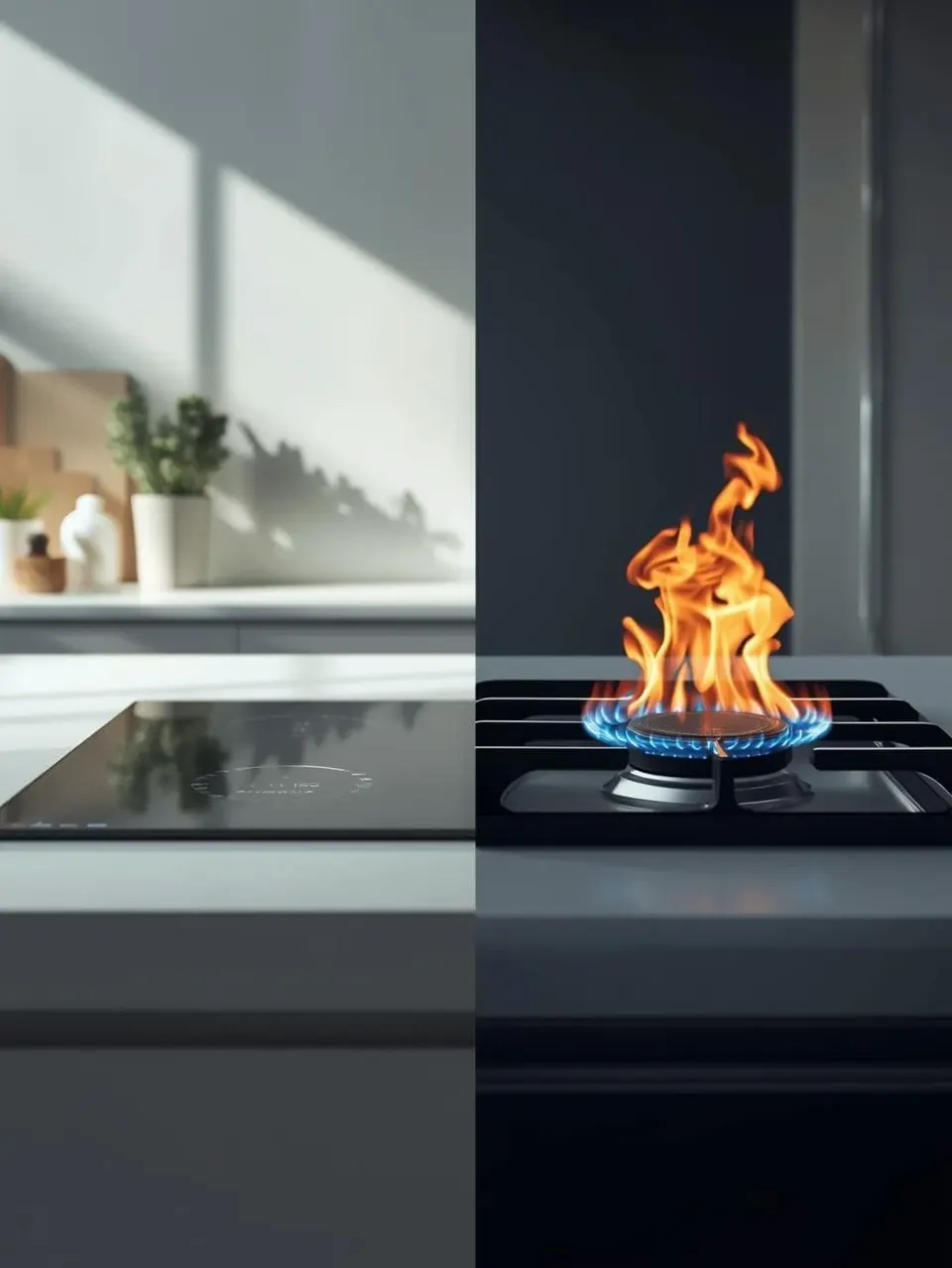
I used to be all about gas cooking. Seriously, I thought using a flame was the only "real" way to cook.
I obsessed over flame control and figured anything else was just for beginners. Then I tried induction cooking—and, wow, it totally flipped my ideas about what makes a great kitchen.
Induction cooktops actually outperform gas stoves in almost every category, from energy efficiency to precise temperature control. Gas still wins for certain cooking tricks and overall flexibility, though.
The debate between these two cooking methods gets pretty heated. I get why people feel strongly about their favorite.
After testing both in my own kitchen and digging into the key differences between induction and gas cooking, I’ve learned a lot about performance, safety, and costs. Trust me, it’s not as obvious as you might think!
Core Differences Between Induction and Gas Cooking
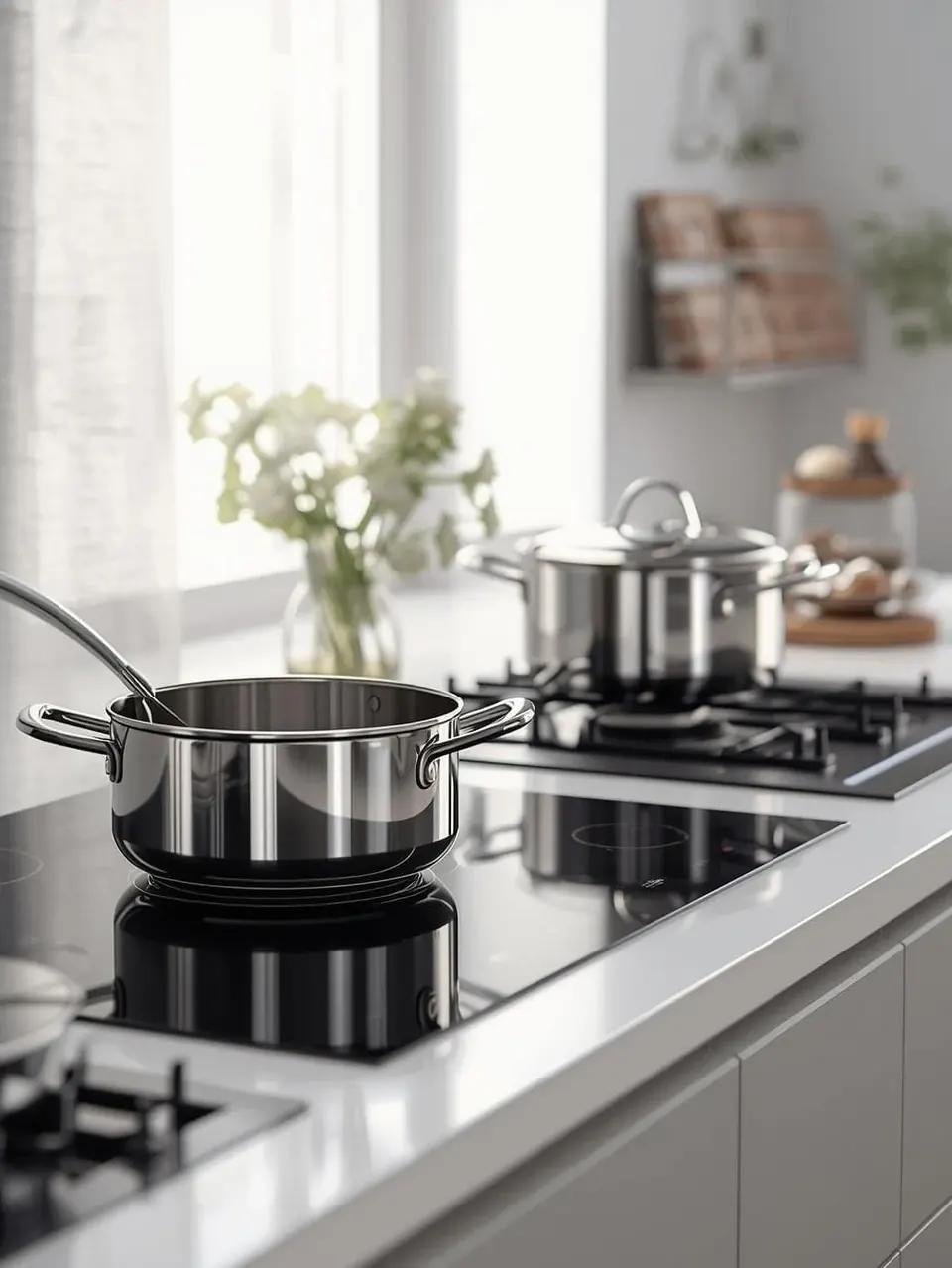
The biggest difference? Induction uses magnetic fields to heat your pots and pans, while gas creates a real flame that heats the air and everything nearby.
Each method spreads heat differently, which totally changes your cooking experience.
How Induction Cooking Works
Induction cooking is kind of wild when you think about it. An induction cooktop uses electromagnetic energy to make a magnetic field under the glass surface.
When I put my compatible pot or pan on top, the magnetic field heats up the metal—so the pan gets hot, not the cooktop.
The cooktop itself stays cool. I can touch the spot right next to my pan and not feel a thing!
Induction cooktops use electromagnetic energy to directly heat pots and pans. My cookware has to be magnetic—cast iron, stainless steel, or special induction pots work best.
Key features:
Only magnetic cookware works
The surface stays mostly cool
Heat changes instantly when I adjust settings
No open flames
How Gas Cooking Works
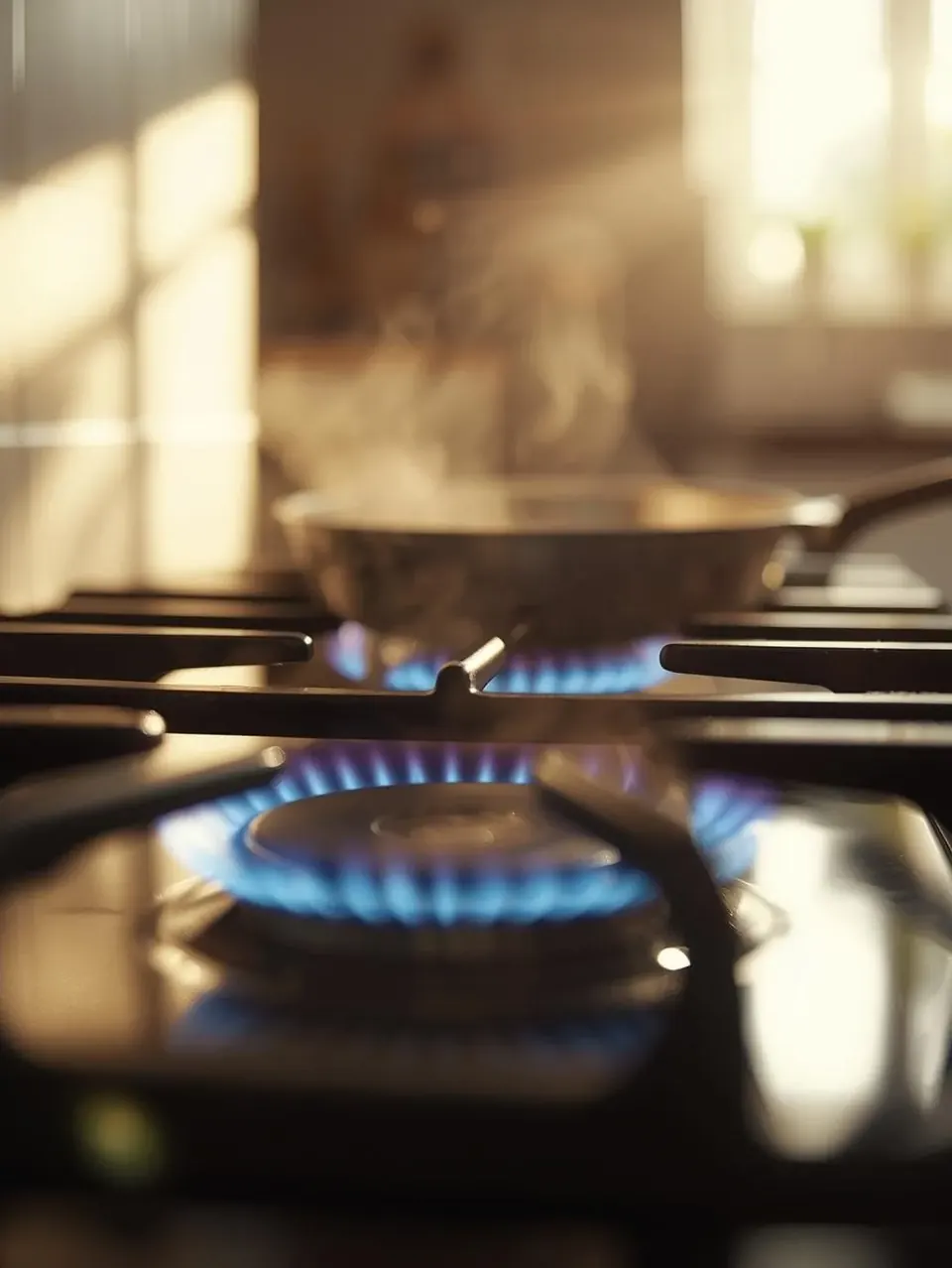
A gas stove works just like you’d expect. It burns natural gas or propane to create a blue flame.
When I turn the knob, gas flows through little holes in the burner and lights up. I can see the flame, which is kind of satisfying.
The flame heats my pot from the bottom. I get instant feedback on heat level, which a lot of cooks (me included) love.
Gas cooktops rely on a flame to heat food and the air around it. Any kind of cookware works—aluminum, copper, cast iron, whatever you’ve got.
What I notice with gas:
You see the flame, so you know the heat level
Any cookware material works
Heats up the air and even the kitchen
Still works if the power goes out
Heat Source and Distribution
Heat distribution is a big deal. Induction heats the entire bottom of my pan evenly. The magnetic field covers the whole area, so I don’t get hot spots.
Gas is different. The flame heats from the center, so there are hotter spots right over the flame rings. I end up moving food around more with my gas cooktop.
Heat response speed:
Induction: Changes temp almost instantly
Gas: Quick to respond, but the pan takes a little time to heat or cool
Induction is way more efficient. Most of the energy goes right into the food. With gas, a lot of heat escapes into the air—I can feel it when I’m cooking.
Performance and Cooking Experience
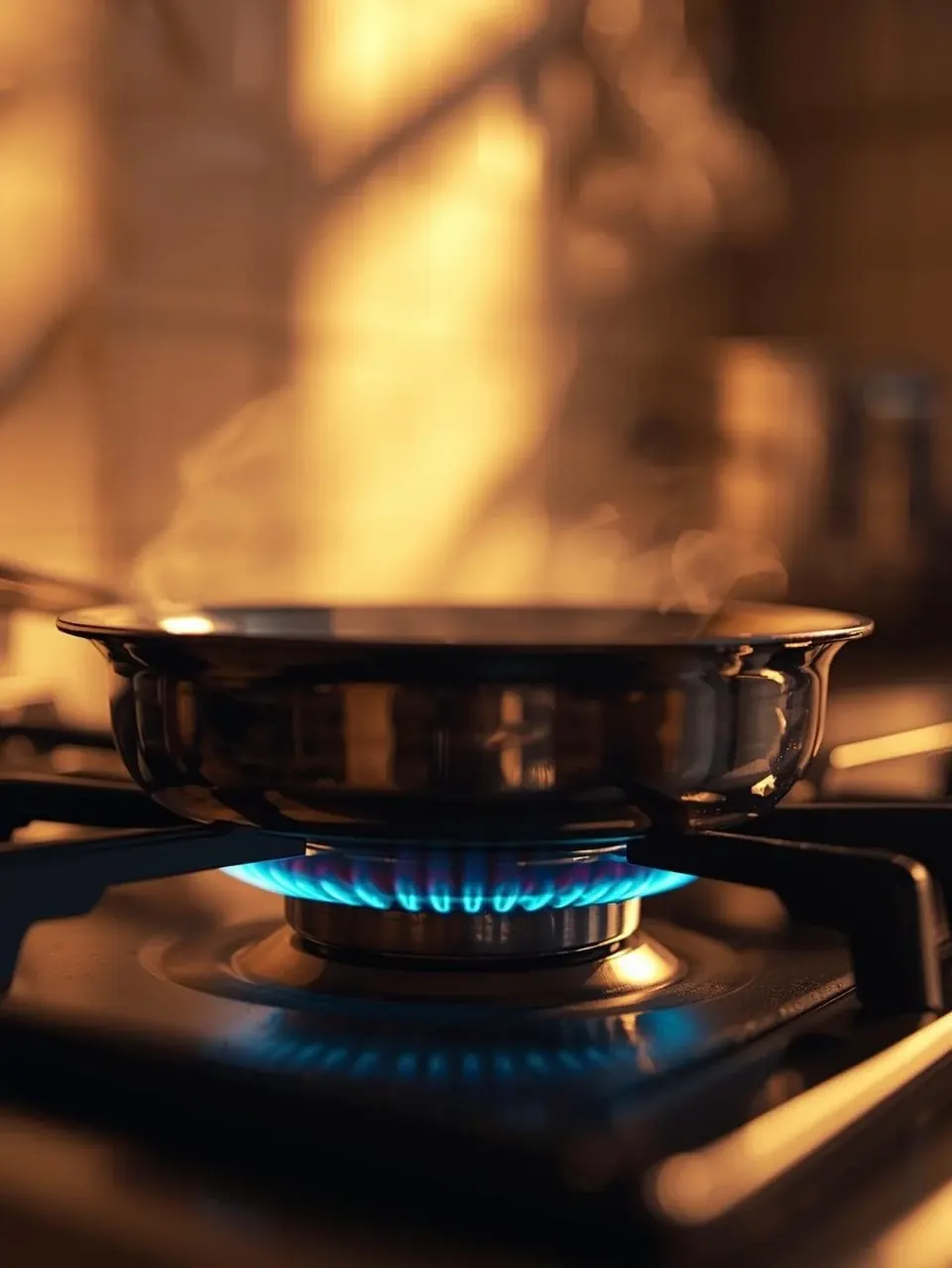
After trying both, I’ve found that induction cooktops excel in rapid heating and precise temperature control. Gas burners give you that instant, visual feedback that’s hard to beat.
Each one brings its own vibe to the kitchen.
Temperature Control and Precision
Honestly, induction wins here. My induction stove lets me set a temperature and it just stays put.
I can melt chocolate at exactly 185°F and it won’t budge. It’s almost too precise, if that’s possible.
Induction Temperature Control:
Exact settings (within 5–10 degrees)
No heat swings once it’s set
Awesome for delicate sauces and candy
Gas burners? They’re a little wild. I love seeing the flame, but keeping the temperature steady takes more practice.
You’re always adjusting the flame, which makes me feel like a pro sometimes.
Gas Temperature Control:
You control the flame by eye
Takes more hands-on attention
Great for recipes that need fast changes
Cooking Time and Responsiveness
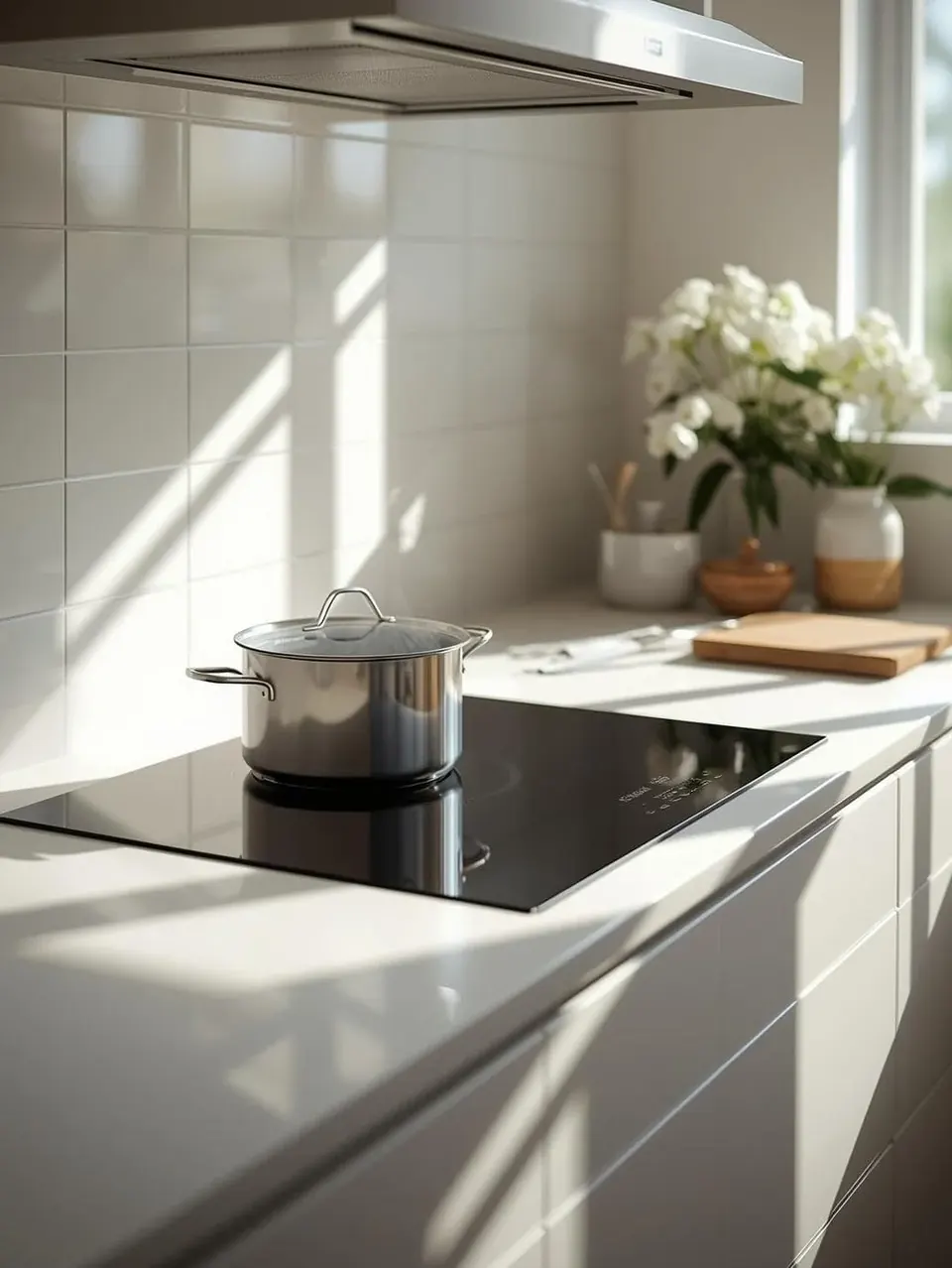
This part surprised me. Induction boils water 2x faster than gas. My pasta water goes from cold to boiling in about 3 minutes.
But gas burners are super responsive. Turn the knob and the heat changes instantly. No waiting for the surface to catch up.
Speed Comparison:
Induction: Heats up crazy fast, but takes a second to cool down
Gas: Instant heat change, but the pan heats at a normal speed
Winner for cooking time: Induction
Cooking Techniques and Use Cases
Some cooking techniques just work better with one or the other. I learned this the hard way!
For precise things like tempering chocolate or making hollandaise, induction is perfect. The heat stays steady so I’m not panicking or stirring like mad.
Gas is great for:
Wok cooking (real stir-fry!)
Charring peppers right over the flame
Anything that needs you to see the flame
Induction is best for:
Simmering sauces
Melting butter without burning it
Recipes needing exact temps
Many pro chefs love gas for its instant feedback. There’s just something satisfying about seeing the flame under your pan.
Energy Efficiency and Environmental Impact

I was shocked by how different these two are when it comes to energy use and the environment. Induction cooktops achieve up to 90% efficiency while gas stoves only reach 40-50%.
That means big differences in utility costs, air quality, and even sustainability.
Energy Use and Operating Costs
Let’s talk numbers. Induction cooking is a total game-changer for efficiency!
Here’s what I found out:
Cooking Method Energy Efficiency Heat Loss Induction 85-90% Minimal Gas 40-50% High
With gas, I’m literally watching money burn away as heat escapes around my pans. Induction uses less energy to cook, so my utility bills dropped.
My kitchen doesn’t heat up as much, either. Induction heats up fast, so I’m not wasting energy.
Carbon Emissions and Air Quality
This one hit me hard. I didn’t realize how much indoor air pollution my gas stove made!
Gas cooking releases bad stuff right into my kitchen. Burning gas makes carbon monoxide and nitrogen dioxide—both are risky, especially if your kitchen isn’t well-ventilated.
Induction cooking wins here because it’s efficient and uses less energy. It doesn’t burn anything, so there are zero emissions in my home.
I noticed the air feels fresher. No more lingering gas smell or stuffy feeling after a big meal. I don’t worry about ventilation as much.
Environmental Sustainability

The bigger picture matters to me. Induction cooking outperforms gas cooking for a greener kitchen.
Why induction is greener:
Higher efficiency means less energy use
Lower carbon footprint
No burning fossil fuels in my house
Works well with renewable energy
Even when you consider how electricity is made, induction’s efficiency makes it the eco-friendly choice.
As the grid gets cleaner, induction gets even better for the planet. I like knowing my cooking isn’t making things worse for the environment.
Safety and Health Considerations
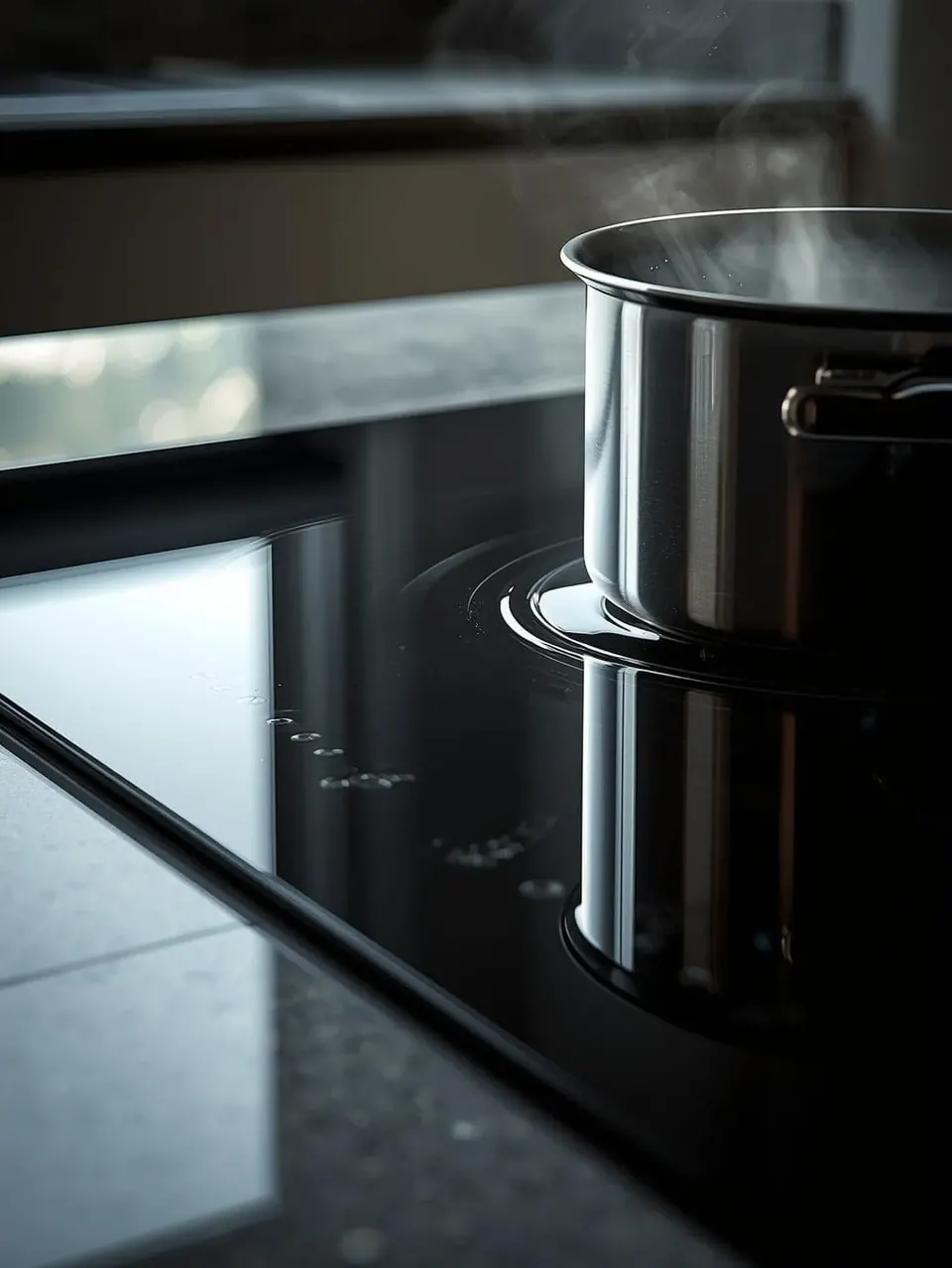
When I cook for my family, safety is a huge deal. Gas stoves come with real fire and burn risks and let out pollutants like carbon monoxide. Induction cooktops keep kids safer and the air cleaner.
Fire and Burn Risks
Gas stoves still make me nervous. That open flame is a real fire hazard.
Loose sleeves, towels, or even long hair can catch fire if you’re not paying attention.
Burn risks with gas:
Flames can burn you right away
Burner grates stay hot for a while
You can accidentally touch the flame
Induction cooktops changed how I think about safety. The surface stays pretty cool because it only heats the pan.
I can touch the cooktop right after I take off a pot and not get burned.
Induction cooking is way safer. No flames at all. If I leave the cooktop on without a pan, it doesn’t even get hot.
Indoor Air Quality and Pollutants
This one is personal. Gas stoves release carbon monoxide and nitrogen dioxide into the kitchen—the same air we breathe.
Every time I cook with gas, it’s like having a tiny car running in the kitchen. The pollutants are:
Carbon monoxide (invisible and dangerous)
Nitrogen dioxide (irritates lungs)
Formaldehyde and other chemicals
Tiny particles that can bother your lungs
Gas cooking emits pollutants that can trigger asthma and other breathing issues, especially for kids. I notice the kitchen feels stuffier when I use gas.
Induction cooktops don’t make any emissions. No burning means no pollutants in the air. My kitchen smells better and I don’t stress about ventilation.
Family and Child Safety
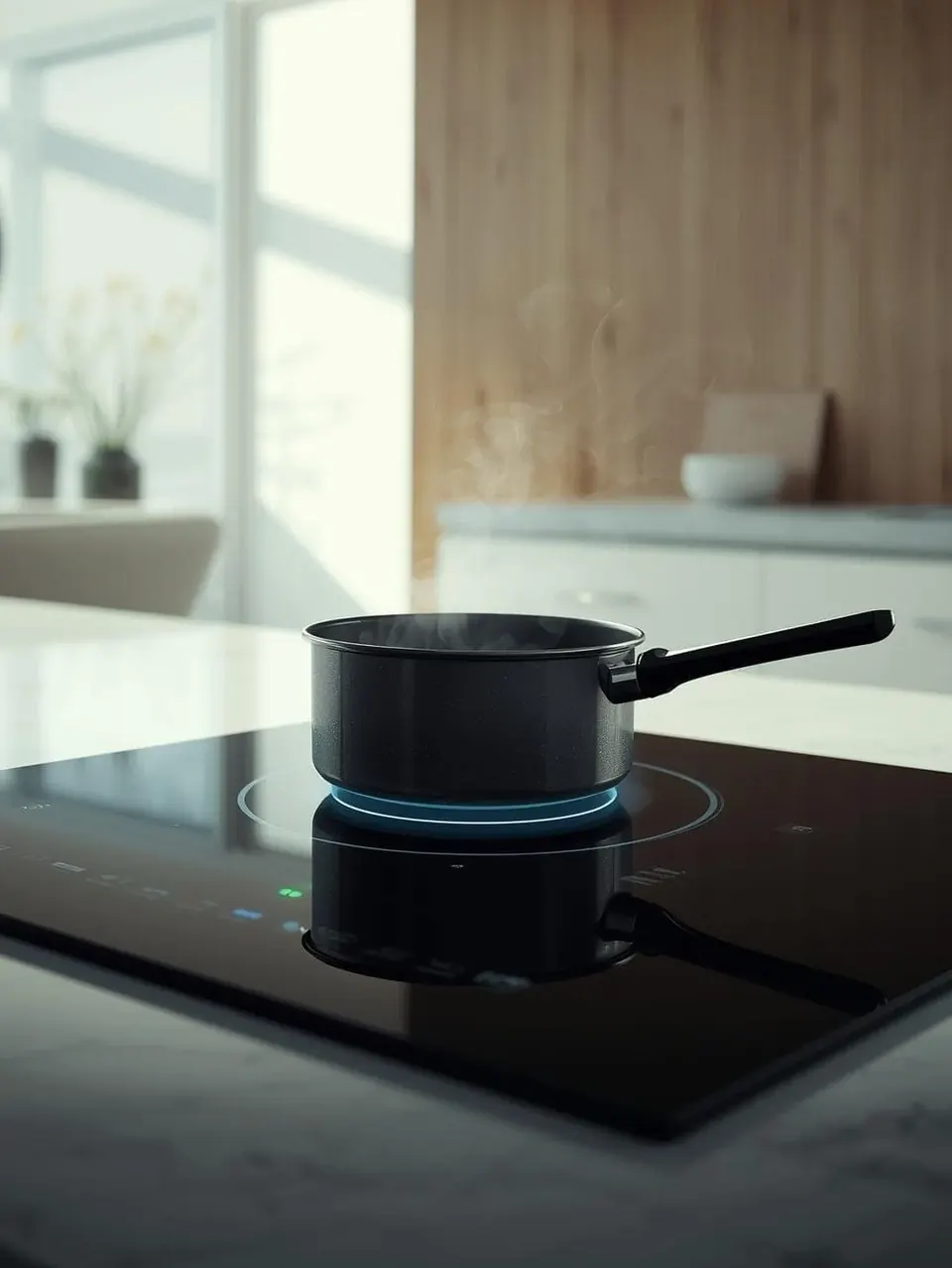
As a parent, this is huge for me. Gas stoves have a bunch of risks for kids.
Gas stove dangers for kids:
Knobs are easy to turn, which can release gas
Flames are right at eye level
Surfaces stay hot after cooking
Gas leaks if knobs get bumped
I love that induction cooktops have better childproofing. Many have child locks so kids can’t turn them on.
If there’s no compatible cookware, the cooktop won’t heat up at all. My toddler can touch it and be totally fine.
Induction safety perks:
Child lock controls
No heat without the right pan
Cool surfaces
No risk of gas leaks
Cookware Compatibility and Kitchen Integration
The biggest shock when I switched cooking methods? Some of my favorite pans just didn’t work, and my kitchen setup mattered way more than I ever thought.
Required Cookware for Induction
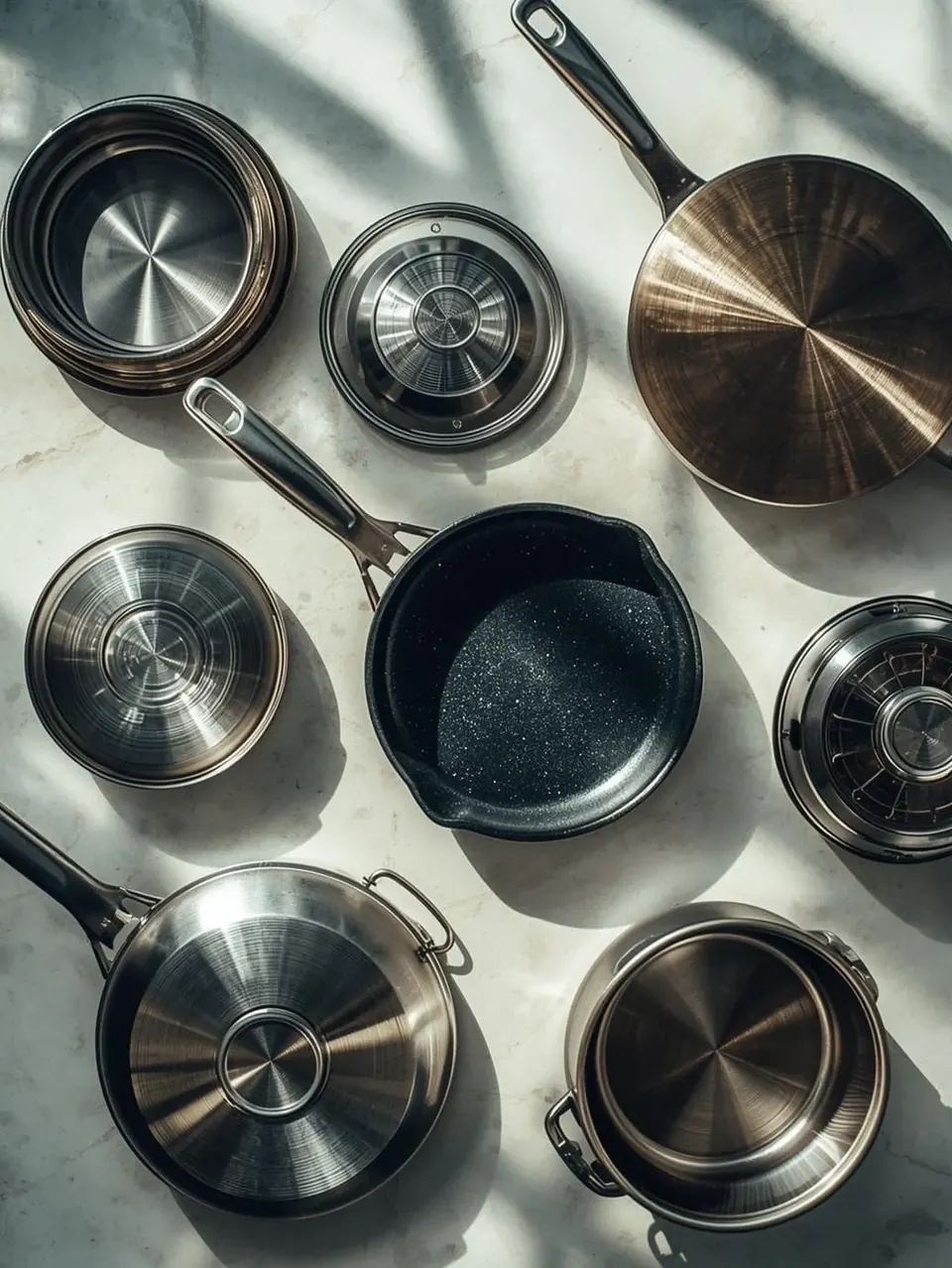
Induction cooking can get a bit complicated. Induction cooktops need magnetic cookware made from metals like cast iron or magnetic stainless steel.
I found this out the hard way—my copper pans became pricey decorations.
The magnet test is a lifesaver. Stick a magnet to the bottom of your pan. If it grabs tight, you’re good. If not, you’ll have to buy new ones.
What works on induction:
Cast iron skillets and Dutch ovens
Magnetic stainless steel pans
Enameled cast iron cookware
Carbon steel woks
What doesn’t work:
Aluminum pans (unless they have a magnetic base)
Copper cookware
Glass or ceramic pots
Non-magnetic stainless steel
Gas stoves are way less picky. Every pan I own works on gas burners, no questions asked.
Kitchen Appliances and Layout
Your kitchen setup can make a big difference. I’ve seen friends get slammed with installation costs they never saw coming.
If you’ve already got a gas line, sticking with gas can save you a ton. Putting in a new gas line might cost anywhere from $500 to $2,000, depending on your house. Induction and electric usually need less work to the electrical system.
Gas cooktops need solid ventilation. I put in a range hood that moves at least 400 CFM to clear out fumes. Since induction doesn’t make any emissions, you’ve got more wiggle room on ventilation.
Counter space matters, too. Induction cooktops are usually flat and can double as extra prep space. Gas cooktops, with all their grates and burners, take up their own little kingdom on your counter.
Cookware Investment
Let’s talk money. Switching to induction often means buying new pans, and magnetic cookware isn’t cheap.
I dropped about $400 swapping out my old aluminum pans for magnetic stainless steel. Cast iron works well, but it’s heavy. My wrists definitely noticed.
The upside? Induction pans work on gas stoves too since they’re usually made from steel or cast iron. So it’s not like you’re stuck if you switch back.
Smart investment tips:
Try one good induction-ready pan before going all in
Look for multi-ply stainless steel with a magnetic base
Cast iron is super versatile and works everywhere
Check garage sales for cast iron bargains
Gas cooking lets you keep using every pan you already own. My old aluminum stockpot and thin copper sauté pan still get plenty of use on my gas stove.
Costs, Maintenance, and Resale Value
Upfront and long-term costs can be really different between these cooking methods. Induction cooktops usually start at about $1,000, while gas stoves go from $300 to $1,500.
But the real story comes out when you look at ongoing costs and how each option affects your home’s value.
Installation Costs and Requirements
When friends ask me about gas vs. induction, installation costs almost always surprise them. Gas cooktops need a gas line, and if you don’t have one, a pro has to install it. That can add $500 to $2,000.
Electric cooktops are usually easier. Most homes already have what they need for standard models. High-powered induction ranges might need a new circuit, though.
Here’s how I’ve seen installation costs break down:
Gas line installation: $15-25 per foot
Electrical upgrades for induction: $200-800
Professional installation: $100-300 for both types
Permits are another thing. Gas installs almost always need a permit and inspection. Electric usually only needs one if you’re changing the wiring a lot.
Ongoing Maintenance and Care
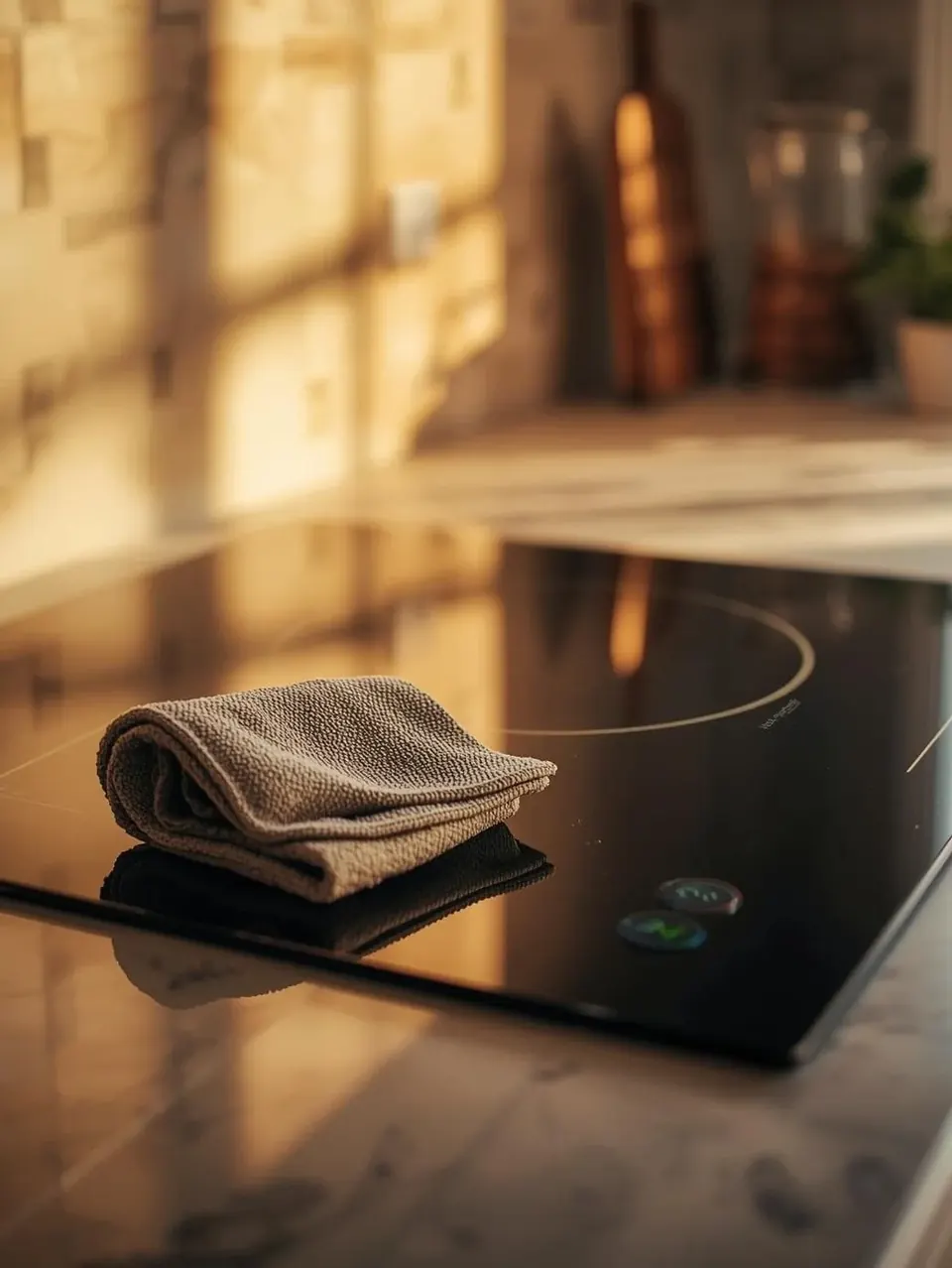
Maintenance is a whole different story with these two. Gas cooktops need more cleaning around burners and drip pans. Grease and crumbs hide everywhere.
Induction surfaces are flat, so cleanup is way easier. I can wipe up spills right away, no waiting for anything to cool down. No little parts to mess with, either.
Gas maintenance:
Clean burners often
Check gas lines for leaks
Replace igniters sometimes
Keep the vent system working
Induction maintenance:
Wipe the surface clean
Use glass cleaner sometimes
No moving parts to worry about
Both have their own maintenance perks, but induction wins for easy daily cleanup.
Home Resale Value
Both gas and induction can make your home more appealing, just in different ways. Gas stoves are still super popular and add value, especially where gas is common.
Induction cooktops are getting more popular and give kitchens a modern vibe. I’ve noticed more buyers asking about them.
Location matters a lot. In cities, people often want gas for better cooking performance. In the suburbs, induction is catching on for its efficiency and safety.
Resale considerations:
Gas is a big draw for home cooks
Induction attracts eco-minded buyers
Both beat out old-school electric coils
How your kitchen looks matters a lot to buyers
Frequently Asked Questions
I get a ton of questions about induction versus gas. Most people want to know about performance, cookware, energy use, safety, costs, and maintenance.
What are the main differences in cooking performance between induction and gas cooktops?
I’ve cooked on both, and the difference is pretty obvious. Induction cooktops change heat in seconds, which I love when I need to go from boiling to simmering fast.
Gas gives me that real flame I can see and control. It just feels natural.
Induction lets me set the temperature super precisely with the digital controls. The heat spreads out more evenly, so I don’t get burned spots on my sauces.
Can you use all types of cookware on induction cooktops like you can on gas stoves?
Gas wins here, for sure. I can use any pot or pan on my gas stove—cast iron, aluminum, copper, glass, whatever.
Induction is pickier. My pans have to be magnetic. Cast iron and stainless steel are fine, but my aluminum and copper pans are useless unless they have a special base.
When I first got induction, my favorite aluminum saucepan just sat there, cold. Super annoying.
How do energy efficiency levels compare between gas and induction cooking?
Induction cooktops are way more efficient than gas. Induction sends about 85-90% of its energy right into the pan.
Gas loses a lot of heat to the air. Only about 40-50% of the gas energy actually cooks the food.
So my induction cooktop heats up faster and wastes less energy. My kitchen stays cooler in the summer, too.
What are the safety considerations when choosing between induction and gas for a home kitchen?
Induction is safer in most cases. There’s no open flame, no gas leaks, and the surface stays pretty cool.
I like that my induction cooktop shuts off by itself when I take the pan away. No more worrying about leaving the burner on by accident.
Gas needs good ventilation and regular checks to prevent leaks. I always double-check my gas connections and clean the burners to stay safe.
What's the average cost difference in the long run between using gas and induction for everyday cooking?
The upfront cost hits you differently depending on what you pick. Induction cooktops cost more to buy, and you might have to get new pans.
My monthly energy bills are lower with induction because it’s more efficient. Gas prices jump around more than electricity where I live, so induction is more predictable.
Over 5-10 years, the energy savings from induction usually make up for the higher price. Induction cooktops also seem to last longer since they don’t have as many parts that can break.
How do the cleaning and maintenance requirements differ for induction cooktops versus gas stoves?
Cleaning my induction cooktop is honestly a dream compared to gas. It's just a flat glass surface, so I wipe it down with a damp cloth after it cools.
Gas stoves are way more work. I have to remove the grates and burner caps to scrub away all the grease and food splatter.
Maintenance is simpler with induction too. There aren't any burner ports to unclog or gas lines to worry about.
My gas stove needs regular deep cleaning. If I skip it, the burner holes clog up and the flames get weird.