Guide
Best Serving Utensils For Thanksgiving Dinner
Our honest guide to best serving utensils for thanksgiving dinner — what actually matters, what to skip, and how to choose well.

Our honest guide to best serving utensils for thanksgiving dinner — what actually matters, what to skip, and how to choose well.
Best Overall
 Best Silicone
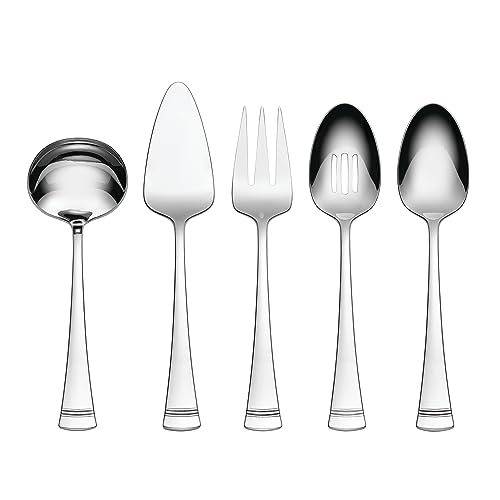
The best serving utensils for Thanksgiving dinner are the simple, hardworking ones that match the food: a carving knife and fork for turkey, broad solid spoons for mashed potatoes and stuffing, a slotted spoon for vegetables with liquid, tongs for rolls and green beans, a ladle for gravy, small spoons for condiments, and a pie server for dessert. If every dish has its own utensil, the table stays neater, portions are easier to serve, and guests are not dragging gravy into the cranberry sauce.
I like to think about Thanksgiving serving pieces in two ways: what each dish needs, and what the utensil is made from. The right shape keeps food moving smoothly. The right material makes cleanup easier and helps protect your cookware and serving dishes.
You do not need a huge specialty set to serve a full holiday meal well. Most tables run smoothly with a short, practical list.
The biggest mistake I see is trying to make one or two utensils do everything. Thanksgiving food varies too much for that. Soft sides need a broad bowl. Gravy needs depth and a pouring edge. Pie needs a thin, supportive edge that can slide under the slice cleanly.
Le Creuset Craft Series Serving Spoon
Shop at lecreuset.com →Also at AmazonDense, cohesive dishes like mashed potatoes, stuffing, macaroni and cheese, and sweet potato casserole do best with a solid serving spoon. A slotted spoon tends to leave you fighting the food instead of lifting it.
For roasted vegetables, green beans, or fruit in syrup, a slotted spoon is more useful because it lets extra liquid fall away before the portion reaches the plate. Tongs are handy for foods that need gentle gripping rather than scooping, but they are less helpful for soft casseroles and loose stuffing.
Handle length matters more than people think. A short handle disappears into a deep bowl or hot casserole dish and leaves fingers too close to the food. Longer handles are easier to control in tall serving bowls, Dutch ovens, and roasting pans, and they are less likely to slide out of reach.
For turkey, keep the carving tools dedicated to the cooked bird once service begins. The USDA’s Thanksgiving food safety guidance is a good reminder that anything that touched raw poultry needs proper washing before it comes back into contact with cooked food.
Stainless steel is the most versatile material for Thanksgiving serving utensils. It is sturdy, easy to clean, and well suited to heavy foods like stuffing, roasted vegetables, and dense casseroles. It also works well for carving sets, ladles, serving forks, and pie servers.
E-far Hammered Serving Utensils, 5-Piece Stainless Steel Square Hostess Serving Set for Buffet Party Kitchen Restaurant,
Shop at Amazon →I reach for stainless steel when I want one material that can cover nearly the whole meal. It has enough rigidity to cut into a baked casserole, scrape the bottom of a dish, or support a generous serving without bending awkwardly.
Look for smooth joints and comfortable handles. Older utensils or mixed-material pieces can loosen at the seams over time, and that is exactly where residue likes to collect. If a serving spoon feels thin or flimsy, it can be frustrating with heavier dishes.
Stainless steel is usually the easiest to wash after a long meal. Prompt rinsing helps prevent dried gravy, cranberry sauce, and baked-on cheese from clinging to the surface. If food is stuck around rivets or handle joints, a soft brush is usually more useful than scrubbing harder.
Wood and bamboo serving utensils are especially useful when your Thanksgiving meal moves from cookware to table in ceramic, enameled, or coated dishes. They are gentler on surfaces than metal and bring a warm, casual look to the table.
These are nice for salad, soft vegetables, and stuffing, especially when you want a broader shape that will not scratch the serving vessel. They are less ideal for tasks that need a firm cutting edge, like pie service or carving.
The common mistake with wood is leaving it wet too long. Soaking, dishwasher heat, and storing it damp can lead to swelling, roughness, or splitting. Wood also is not the best choice for very saucy dishes when you want a cleaner pour.
Wash wooden or bamboo utensils by hand, rinse them promptly, and dry them thoroughly before putting them away. If they are tucked into storage while still damp, that is when odor and warping tend to show up.
Silicone serving utensils earn their place when nonstick pans or coated bakeware are part of the menu. They are gentle, flexible, and useful for casseroles, roasted vegetables, and softer dishes that benefit from a little give.
A silicone serving spoon or turner can be especially helpful if you are serving directly from a baking dish and want to avoid scratching the finish. It is not always as tidy for sharp-edged portions, though, and very flexible utensils can struggle with heavier foods.
The main issue here is wear. If the head is nicked, peeling, or loosening from the handle, it is time to retire it. Staining from cranberry sauce or dark gravy is usually cosmetic, but structural damage is different.
Check care instructions on mixed-material pieces, since a silicone head may be attached to wood or metal. Wash thoroughly around the join between head and handle, where residue can hide.
Decorative serving utensils can make the table feel more finished, but they are usually best treated as accent pieces rather than the entire working set. Painted, ceramic, or embellished handles often need gentler handling and more careful washing.
They can be nice for cranberry sauce, dessert service, or a less demanding side dish. I would not rely on them for every heavy-duty task on the table, especially in a crowded setup where utensils are constantly being picked up and set down.
These pieces can chip, loosen, or become awkward if they are heavy at the handle. They also should not sit at the edge of a busy buffet where one bump can send them to the floor.
Hand-washing is the safer choice for decorative finishes, glued components, and irregular surfaces. Dry them fully and store them wrapped or separated if the handles are delicate.
The most useful serving setup is also the least dramatic: every dish gets its own utensil, and every utensil is placed where guests can grab it without crossing over another dish. That sounds obvious, but it solves half the usual Thanksgiving table problems.
Set handles facing the direction guests approach. Keep the ladle with the gravy, the carving set at the turkey platter, and the pie server beside dessert instead of hidden in a drawer until the last minute. If you are serving buffet-style, plates should come first and napkins and flatware can go at the end, creating a clear flow from one dish to the next.
It is also worth putting a clean rest or small plate under messier utensils. According to food-service utensil storage guidance, keeping utensil handles clean and separated from food-contact surfaces matters more than many hosts realize.
For popular dishes, a backup utensil is helpful. Rolls, turkey, and mashed potatoes are the usual candidates. One dropped or messy spoon should not force everyone to improvise.
One more point that matters on a crowded holiday table: watch for cross-contact if you are serving guests with allergies or dietary restrictions. A dedicated utensil for each dish is part of keeping the meal orderly and safer. FoodSafety.gov’s Thanksgiving guidance covers the basics well.
At minimum, I would set out a carving knife and fork, solid serving spoons for dense sides, a slotted spoon for vegetables in liquid, tongs for rolls or greens, a ladle for gravy, small condiment spoons, and a pie server for dessert.
A broad, solid serving spoon is the best choice for both. It lifts cohesive portions neatly and does not let soft food fall through the way a slotted spoon can.
A good rule is one dedicated utensil per serving dish, plus one or two backups for the foods people reach for most often. If guests are bringing dishes, count those too before the meal starts.
Use stainless steel for all-purpose strength and easy cleanup, wood or bamboo for gentler contact with delicate surfaces, and silicone when serving from nonstick or coated bakeware. A mixed set usually makes the most sense.
The best serving utensils for Thanksgiving are not fancy; they are well matched to the food, comfortable to use, and easy to keep clean. If each dish has the right dedicated tool, the whole meal feels calmer, neater, and much easier to serve.

Paige Gilmore
Founder of Stripes & Willows — recipe creator, food photographer and stylist. Every guide is written to make honest, useful kitchen decisions easier.
More about Stripes & Willows →This page contains affiliate links. If you buy through them, Stripes & Willows may earn a commission at no extra cost to you — it never affects what we recommend.