Guide
Best Halloween Cookie Cutter Sets
Our honest guide to best halloween cookie cutter sets — what actually matters, what to skip, and how to choose well.

Our honest guide to best halloween cookie cutter sets — what actually matters, what to skip, and how to choose well.
 Best Value
 Walmart
The best Halloween cookie cutter set is the one that matches how you actually bake: a handful of recognizable shapes, sizes that fit your decorating plans, and a material you will be willing to wash, dry, and store properly. I’d rather have a smaller set with clean outlines and comfortable edges than a big assortment full of fussy shapes that are hard to cut, harder to decorate, and easy to lose.
A useful set starts with shapes you will reach for more than once. Pumpkins, ghosts, bats, and cats cover most classic Halloween baking, and they stay recognizable even after baking and icing. If you like a darker theme, adding skulls, coffins, or tombstones gives you more contrast without making the set feel cluttered.
Ann Clark Cookie Cutters Ann Clark Halloween Cookie Cutters Set
Shop at Amazon →Size matters just as much as shape. Larger cutters give you room for royal icing, fondant, sprinkles, or simple piped details. Smaller cutters are nice for favor bags, snack trays, and cupcake toppers, but they leave less margin for error. If a set mixes very small and fairly large cutters, expect different baking times and plan to separate them on the sheet pan.
I also pay attention to the narrowest parts of each design. Thin spider legs, cat tails, broom handles, and pointed hat brims look charming in the package, but they need colder dough and gentler handling. Smoother silhouettes are usually more practical for quick batches and family baking.
If you bake cutout cookies regularly, stainless steel is usually the most practical material. It tends to hold its shape well, resists corrosion, and cuts with cleaner edges than many thicker plastic styles. A rolled or folded top edge is especially helpful because it feels better in the hand when you’re pressing through firmer dough.
The main thing I’d look for is a clean lower edge and solid construction. A bent corner or weak seam can throw off the outline, especially on simple shapes where every curve is visible. Stainless steel also makes sense if you plan to use the cutters for more than cookie dough, like fondant or sandwiches, since the shapes tend to stay crisp.
The common mistake here is assuming all metal cutters perform the same. Thin, poorly finished metal can warp in storage, and rough seams can catch dough. Even with stainless steel, drying thoroughly matters.
Tin-plated steel can cut very cleanly and is still common in seasonal baking shapes, but it asks for more care. Once the protective coating is compromised, exposed steel can rust. That means this material is better suited to someone who will hand-wash, dry promptly, and store carefully every single time.
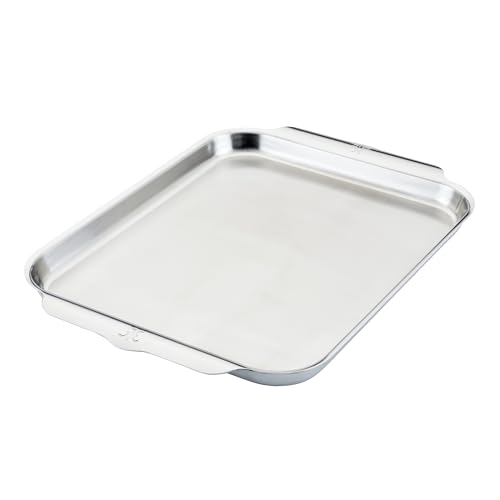
Hestan Provisions 18/10 Stainless Steel Baking Sheet
Shop at Walmart →Also at AmazonI would not leave tin-plated cutters soaking in the sink or toss them into a damp drawer at the end of a long baking day. Moisture tends to hide in seams and corners, and that’s where trouble starts. Hand-washing with warm, soapy water and drying immediately is the safer routine.
If you like crisp outlines and don’t mind the upkeep, tin-plated steel can still be useful. It’s just less forgiving than stainless steel.
Plastic cutters have an obvious advantage: they’re lightweight and easy for small hands to grip. For simple family baking, soft dough, sandwiches, or classroom-style projects, that can make them the easiest option to manage. They also avoid rust concerns, which is helpful if your storage setup is less than perfect.
That said, plastic varies a lot. Some pieces are sturdy and cut neatly, while others flex too much and leave ragged edges. A thick cutting edge can also require more pressure, which is not ideal for detailed Halloween shapes. Broad ghosts, pumpkins, and bat silhouettes usually fare better than anything with fine points.
The main thing to watch is cracking, warping, and residue caught in textured surfaces. Plastic is lower maintenance than some metals, but it still needs a thorough wash and a quick inspection before seasonal use.
Stamped cutters and plunger styles can save decorating time because they press details directly into the dough. That can be useful for faces on pumpkins, ridges on tombstones, or simple surface patterns that would otherwise need icing.
These styles work best with dough that is firm enough to hold the design. If the dough is too soft, the stamped detail blurs before the cookies even reach the oven. Pressing straight down and releasing gently matters more here than with a plain outline cutter.
The tradeoff is cleaning. Dough and butter can lodge in grooves, springs, and recessed patterns, so you need to wash them carefully and dry the mechanism completely. If not, the next batch won’t stamp evenly.
The best sets usually combine a few dependable classics with one or two more thematic pieces. A tray made entirely of unusual shapes can be fun, but in practice, recognizable basics do most of the work. Ghosts, pumpkins, and bats make a strong foundation because each shape offers a different decorating surface and still reads clearly from across the table.
If you want more variety, add a cat, witch hat, skull, or tombstone. Coffins and tombstones are especially useful if you like writing names or short messages in icing because they offer a flatter, more open surface. I’d be cautious with very delicate spiders or haunted-house shapes unless you enjoy careful, detail-oriented decorating.
It also helps to think beyond sugar cookies. Smooth, sturdy cutters can be handy for fondant accents, tea sandwiches, tortillas, brownies, or fruit. Highly intricate mini cutters are less flexible outside firm dough.
Most cookie-cutter frustration comes down to dough temperature and handling. Cold dough keeps edges sharp and helps detailed shapes release cleanly. If the dough warms up while you work, the solution is usually simple: chill it again before cutting more pieces.
Keewah Large Halloween Cookie Cutter Set - 7 Piece - Stainless Steel
Shop at Amazon →Even rolling matters too. When thickness varies, small points overbake before thicker centers are done. King Arthur Baking’s guidance on frozen dough sheets is especially practical here; starting with firm, evenly rolled dough makes detailed cutouts much easier to manage.
For sticking, a very light dip in flour is usually enough. Too much flour leaves a dusty surface and gradually toughens re-rolled scraps. This simple cutter-flouring tip gets the balance right: coat lightly, tap off excess, and clean out any buildup in corners before the next cut.
Press straight down rather than twisting. Twisting can distort shapes, especially around narrow points like wings, tails, and hat tips. For delicate cookies, cutting directly on parchment and removing the excess dough around them is often easier than lifting each shape individually.
A good cookie cutter set can last for years if it’s put away dry and protected. The fastest way to shorten its life is to leave dough to harden in seams, stack heavy pans on top of thin shapes, or store seasonal cutters loosely in a damp drawer.
I like simple storage: keep the set together in a labeled container or pouch where the silhouettes are easy to see. Small pieces and minis should stay grouped so they don’t vanish into larger cutters. If you want a tidier setup, these cookie cutter storage ideas are a useful reminder that visibility matters almost as much as protection.
For metal cutters, wash promptly, dry thoroughly, and let them air-dry a bit longer before storing. For plastic or stamped pieces, check grooves and textured spots for trapped dough or oily residue. The maintenance is simple, but skipping it is what leads to rust, bent edges, and disappointing results next October.
A practical set includes pumpkins, ghosts, bats, and at least one accent shape like a cat, witch hat, skull, coffin, or tombstone. That gives you enough variety for a themed tray without filling storage space with shapes that are hard to use.
For frequent baking, stainless steel is usually the better choice because it holds its shape and cuts more cleanly. Plastic works well for simple family projects, soft dough, and kid-friendly use, but flexible pieces can be less precise.
Yes, many can, especially smooth, sturdy shapes without fragile extensions. Use a clean cutter for each task, and for fondant, a light dusting of cornstarch or powdered sugar can help with release.
Keep the dough cold, roll it evenly, and dip the cutter lightly in flour when needed. If dough starts collecting in small corners, wipe it out before cutting the next cookie.
The best Halloween cookie cutter set is practical first: clear shapes, useful sizes, and a material that suits how often you bake. If you choose with storage, cleaning, and dough handling in mind, even a small set can carry Halloween baking beautifully.

Paige Gilmore
Founder of Stripes & Willows — recipe creator, food photographer and stylist. Every guide is written to make honest, useful kitchen decisions easier.
More about Stripes & Willows →This page contains affiliate links. If you buy through them, Stripes & Willows may earn a commission at no extra cost to you — it never affects what we recommend.