Guide
Best Christmas Cookie Cutter Sets
Our honest guide to best christmas cookie cutter sets — what actually matters, what to skip, and how to choose well.

Our honest guide to best christmas cookie cutter sets — what actually matters, what to skip, and how to choose well.
Best Overall
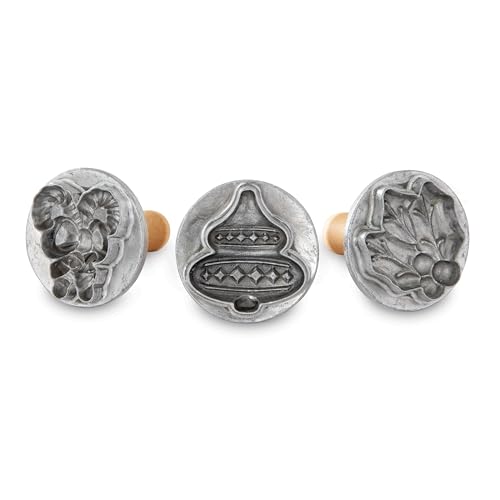 Best Cast Aluminum With Wood Handles
The best Christmas cookie cutter sets are the ones with classic shapes, practical sizes, and a material that fits how you actually bake. I’d prioritize a small, useful collection over a huge novelty set: think tree, star, snowflake, gingerbread person, ornament, and stocking, in mostly standard sizes with maybe one larger shape for decorating. If you bake cutout cookies every year, stainless steel is usually the most dependable choice, while sturdy plastic can make more sense for supervised family baking.
A good set should cut cleanly, feel stable in the hand, and store without becoming a bent jumble by next December. Shape matters just as much as material, too. Simple silhouettes are easier to ice neatly, hold their outline better, and tend to earn repeat use long after the novelty shapes lose their charm.
I start with the shapes I know I’ll reach for: Christmas tree, star, snowflake, bell, ornament, stocking, and gingerbread person. Those cover most holiday cookie trays without making decorating feel fussy. Seasonal collections often center on those same basics, as you can see in typical holiday cutter assortments.
Keewah Large Christmas Cookie Cutter Set - 7 Piece - Stainless Steel
Shop at Amazon →Size is the next filter. Mini cutters are handy for cupcake toppers, small favors, or baking with children. Standard cutters are the workhorses for cookie tins and platters. Larger cutters are useful if you like writing names, adding layered royal icing, or making a few centerpiece cookies. In most home kitchens, six to ten well-chosen cutters are enough.
I also pay attention to edge shape and depth. A cutter that’s too shallow can struggle with thicker gingerbread dough, while one with a flimsy edge can distort detailed points or corners. Rolled or reinforced rims can make pressing more comfortable, especially if you bake big batches.
For repeated holiday baking, stainless steel is usually the easiest recommendation. It tends to hold its shape well, resists rust, and offers the crisp edges that help trees, stars, and snowflakes come out clean.
The main advantage is consistency. Metal cutters with firm sides press straight through chilled dough with less flex than many plastic options, so corners stay sharper and outlines look more defined. That matters most when you’re decorating with icing and want borders that are easy to follow.
Stainless steel also asks for less babysitting in storage than tin-plated steel. You still need to wash and dry it properly, but it generally tolerates seasonal use and long stretches in the cupboard with fewer worries about corrosion.
The one thing I’d still check carefully is the finish. Even a good material can be let down by rough seams, warped sides, or an uncomfortable top rim. Before using any new cutter, I’d inspect it for sharp handling edges or places where dough could catch.
Plastic cookie cutters have a place, especially for casual decorating days and supervised baking with children. They’re lightweight, easy to grip, and there’s no exposed metal edge to worry about.
That said, plastic varies more in performance. A thick, rigid plastic cutter with a well-defined edge can work nicely on chilled dough. A thinner or more flexible one may compress slightly as you press, which can leave softer outlines and less precise details. If you want crisp points on stars or delicate snowflake branches, plastic may not be the cleanest option.

MrCookie 4" Large Christmas Cookie Cutters Set
Shop at Amazon →Simple shapes are where plastic tends to make the most sense. Large ornaments, broad trees, and rounded gingerbread people are easier to handle than intricate novelty shapes with lots of narrow turns.
Food safety matters here, too. I’d only use cutters clearly made for food contact, and I’d skip any with cracks, rough edges, or discoloration. Plastic won’t rust, which is a practical advantage, but it still needs to be kept clean and stored so pieces don’t warp or get crushed.
Tin-plated steel remains a solid traditional option for Christmas cookie cutters. It cuts cleanly, usually feels nice and sharp, and can hold its shape well with careful use. Material comparisons from baking sources also note that tin-plated steel is sturdy and good at maintaining a defined cutting edge, as outlined in this overview of cutter materials.
Its biggest tradeoff is care. Tin-plated steel needs thorough drying after washing, especially around seams and tight curves where moisture can linger. If it sits damp, rust becomes the concern. For that reason, I think tin-plated steel makes the most sense for bakers who don’t mind a little extra cleanup attention.
It’s still a very useful material if you like classic baking tools and want good cutting performance. I’d just be realistic about maintenance: hand-wash, dry immediately, and don’t toss it into a damp storage bin after a long day of holiday baking.
The most successful cutter sets are the ones that suit your dough as much as your design taste. Simple silhouettes are easier to flood with icing and more forgiving if you’re decorating a lot of cookies at once. Trees, stars, ornaments, and rounded gingerbread figures give you enough room to work without forcing tiny piping details.

Wilton Metal Christmas Cookie Cutter Set
Shop at Amazon →Detailed shapes can be lovely, but they ask more from both the dough and the decorator. Deep notches, narrow points, and very fine details are more likely to stretch during transfer or lose definition if the dough softens. Firm sugar cookie dough handles detail best when chilled, and gingerbread can also work well, especially when rolled evenly.
If I’m making statement cookies, larger cutters are worth having. They leave room for names, messages, and layered decoration. They also need gentler handling, since bigger cutouts are more likely to bend when you lift them.
Most cookie cutter frustration comes down to dough temperature and handling. Warm dough sticks, stretches, and spreads. Cold dough behaves better. I like to chill rolled dough before cutting, and if it softens while I work, I put it back in the refrigerator for a few minutes instead of pushing through.
Another common mistake is over-flouring. A light dusting on the cutter can help release sticky dough, but too much flour dries the surface and can leave pale patches once baked. This simple flour-and-release tip matches the same approach I use: just enough to prevent sticking, not so much that the dough gets overworked.
I also avoid twisting the cutter. Pressing straight down gives a cleaner outline and keeps the shape from dragging. For delicate cookies, it helps to cut directly on parchment and remove the excess dough around the shapes, rather than moving each cutout one by one.
When you do need to transfer a fragile shape, a thin spatula or bench scraper gives much better support than fingers alone. That small step can save snowflake points, star tips, and tree branches from stretching out of shape.
Holiday cutters spend most of the year tucked away, so storage matters more than people think. I’d wash them soon after baking, dry them thoroughly, and only pack them away when every seam feels fully dry.
For metal cutters, hand-washing is the safest routine unless the maker says otherwise. Immediate towel-drying helps, and a little extra air-drying time before storage is worth it. Tin-plated steel especially should never be left to sit wet.
To prevent bent edges, I like the idea of nesting similar sizes and placing them in a labeled container where heavier tools won’t land on top. Odd shapes are usually better lying flat in a shallow bin. Organized storage methods like the ones shown in these cookie cutter storage ideas can help keep seasonal pieces usable from year to year.
Stainless steel is usually the best all-around choice for regular baking because it cuts cleanly, resists rust, and holds up well over time. Tin-plated steel also cuts very well but needs more careful drying. Plastic is practical for simple shapes and supervised baking with children.
They usually stick because the dough is too warm or soft. Chilling the dough, pressing the cutter straight down, and dusting the cutter lightly with flour can help prevent that.
Standard sizes are the most versatile for everyday Christmas cookies. Larger cutters are easier if you want to add names, messages, or more detailed icing work, while mini cutters are best for small accents and favors.
Wash them by hand, dry them immediately, and let them air-dry fully before storing. Tin-plated steel needs the most attention, since trapped moisture around seams can lead to rust.
The best Christmas cookie cutter set is usually a modest set of classic shapes in a durable material, not the biggest assortment on the shelf. If you want one reliable answer, stainless steel is the strongest all-around pick, with simple shapes and standard sizes doing the most work in a holiday kitchen.

Paige Gilmore
Founder of Stripes & Willows — recipe creator, food photographer and stylist. Every guide is written to make honest, useful kitchen decisions easier.
More about Stripes & Willows →This page contains affiliate links. If you buy through them, Stripes & Willows may earn a commission at no extra cost to you — it never affects what we recommend.


