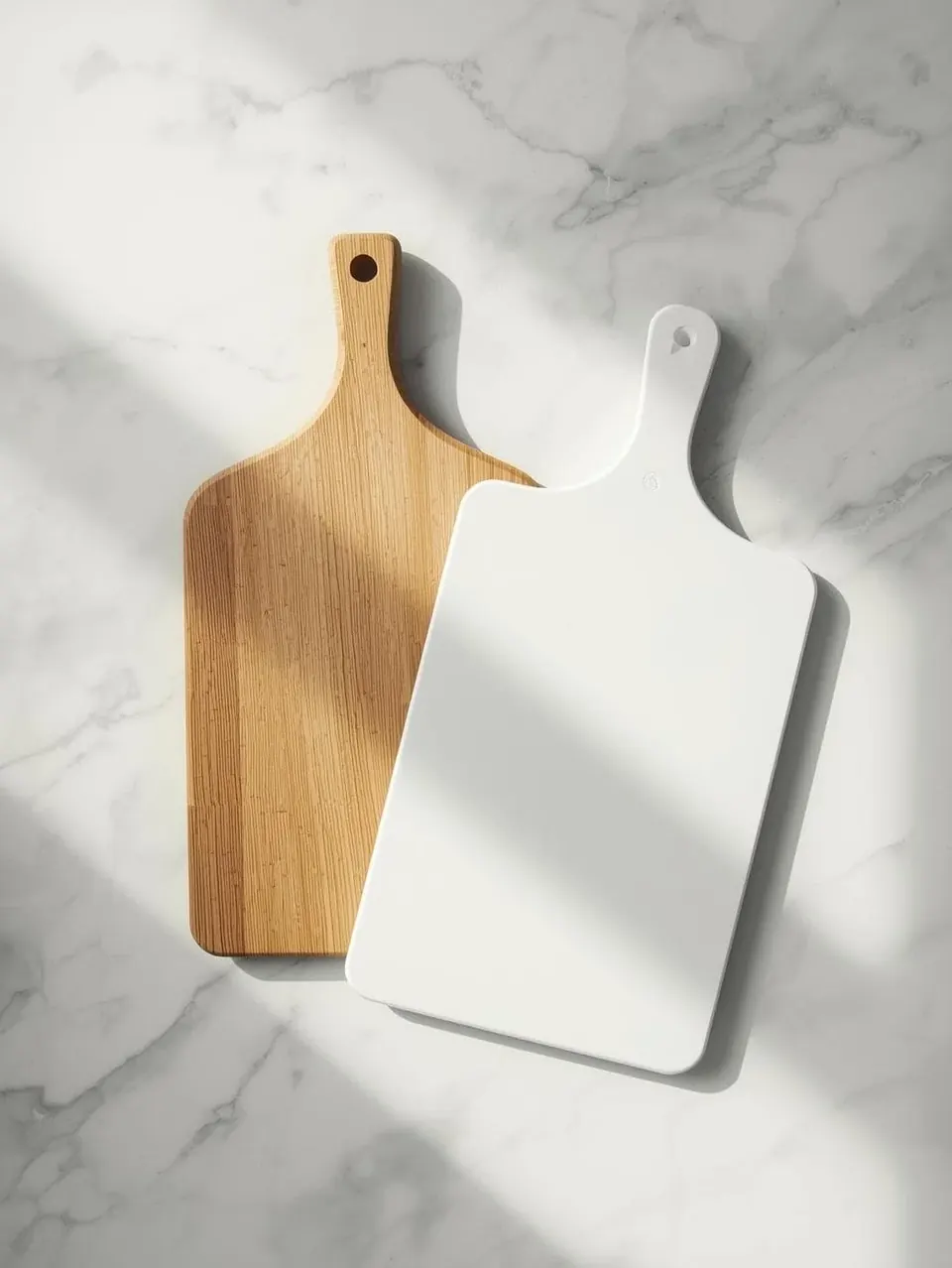
I've spent years chopping, dicing, and slicing on both wood and plastic cutting boards. This debate gets people surprisingly fired up in kitchen circles!
After testing both materials and reading up, I think wood cutting boards are usually the better pick for most home cooks. They're naturally antibacterial, gentle on knives, and last a long time.
But it's not always that clear-cut. The best cutting board for your kitchen depends on how you cook, how much maintenance you want to do, and what safety stuff matters most to you.
Both materials have their place. Figuring out when to use each one can actually make you a better, safer cook.
In my kitchen, I've noticed that choosing between wood and plastic boards changes everything from knife sharpness to how much I dread cleanup.
Let me walk you through the real differences, bust a few myths, and help you decide which board deserves that prime spot on your counter.
Understanding Cutting Board Materials
The choice between wood and plastic cutting boards comes down to how each one acts in your kitchen every day. Wood gives you natural antibacterial power and is easy on your knives.
Plastic boards are all about easy cleaning and affordability. They’re lighter and usually cost less.
Overview of Wood and Plastic Cutting Boards
I've used both types a ton, and the differences are obvious. Wood cutting boards are usually made from hardwoods like maple, walnut, or cherry.
They're naturally antimicrobial, so bacteria struggle to survive on them. The grain structure matters too.
End-grain boards are gentler on knives since the fibers separate and close back up after cutting. Edge-grain boards cost less but are a bit harder on blades.
Plastic cutting boards are made from polyethylene or polypropylene. They're lightweight and safe for the dishwasher.
I can toss mine in with the dishes after prepping raw chicken and not worry. But plastic boards develop knife grooves that trap bacteria over time.
These scratches are almost impossible to clean fully, even with bleach. Wood boards need more care but can last for decades if you maintain them.
Plastic boards usually need replacing every few years once they get too scratched up.
How Cutting Board Material Affects Daily Kitchen Use
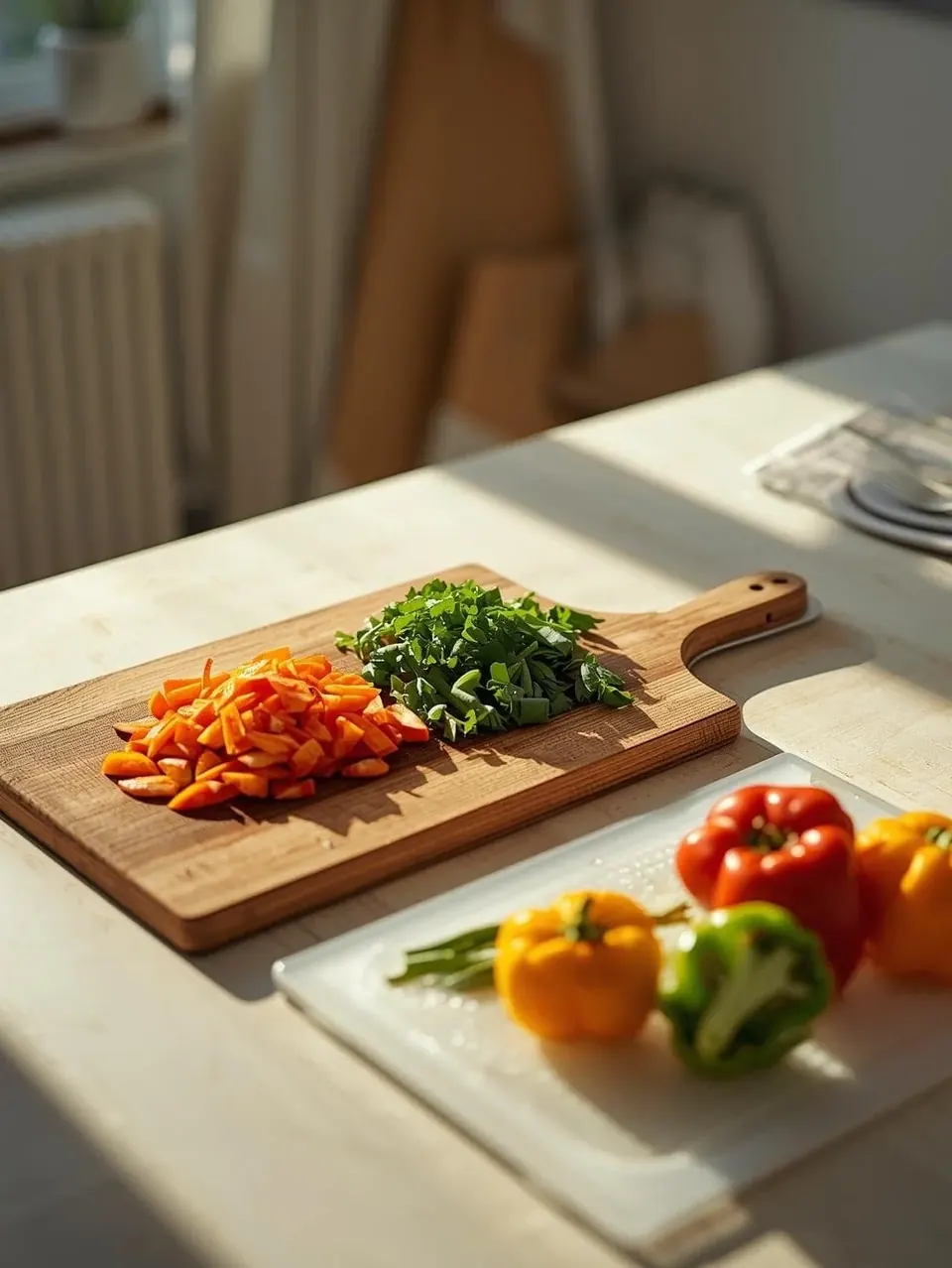
Switching between materials really changed my daily cooking routine. Wood boards feel heavy and solid, and they stay put when I'm chopping hard.
They absorb some impact, so knife work is quieter and easier on my hands. Plastic boards are lighter and easier to move around.
I grab them for quick jobs or when I need a few boards for different foods. They're great for camping or outdoor grilling.
Maintenance is a whole different story. Wood boards need monthly oiling and only hand washing.
I learned the hard way—my first wooden board cracked after I put it in the dishwasher. Plastic boards are easier to sanitize, but they wear out faster.
Deep grooves in plastic trap food and odors. Garlic smell just sticks forever in old plastic boards.
Knife performance changes too. My knives stay sharper on wood because the surface gives a little.
Glass and hard plastic boards dull blades fast, so I have to sharpen them more often.
Food Safety and Hygiene Considerations
When I'm making dinner, I want to know my cutting board isn't hiding bacteria or spreading germs. Wood naturally fights bacteria, while plastic boards resist stains.
But both need proper care to keep your family safe.
Bacteria Behavior on Different Surfaces
Bacteria act differently on wood and plastic, which is pretty interesting. Nonporous surfaces are easier to clean than wood, so plastic seems like the obvious winner.
But here's the twist. Bacteria can hide in the tiny cuts and scratches that show up on plastic boards.
These grooves become perfect hiding spots for germs, even after I clean them. Wood is different.
When bacteria land on wood, they often get pulled into the fibers where they can't multiply as easily. The wood's natural properties actually fight bacterial growth.
Key differences I see:
Plastic shows stains and cuts more clearly
Wood hides damage but may trap bacteria inside
Both need replacing once they're too scarred up
Preventing Cross-Contamination in the Kitchen
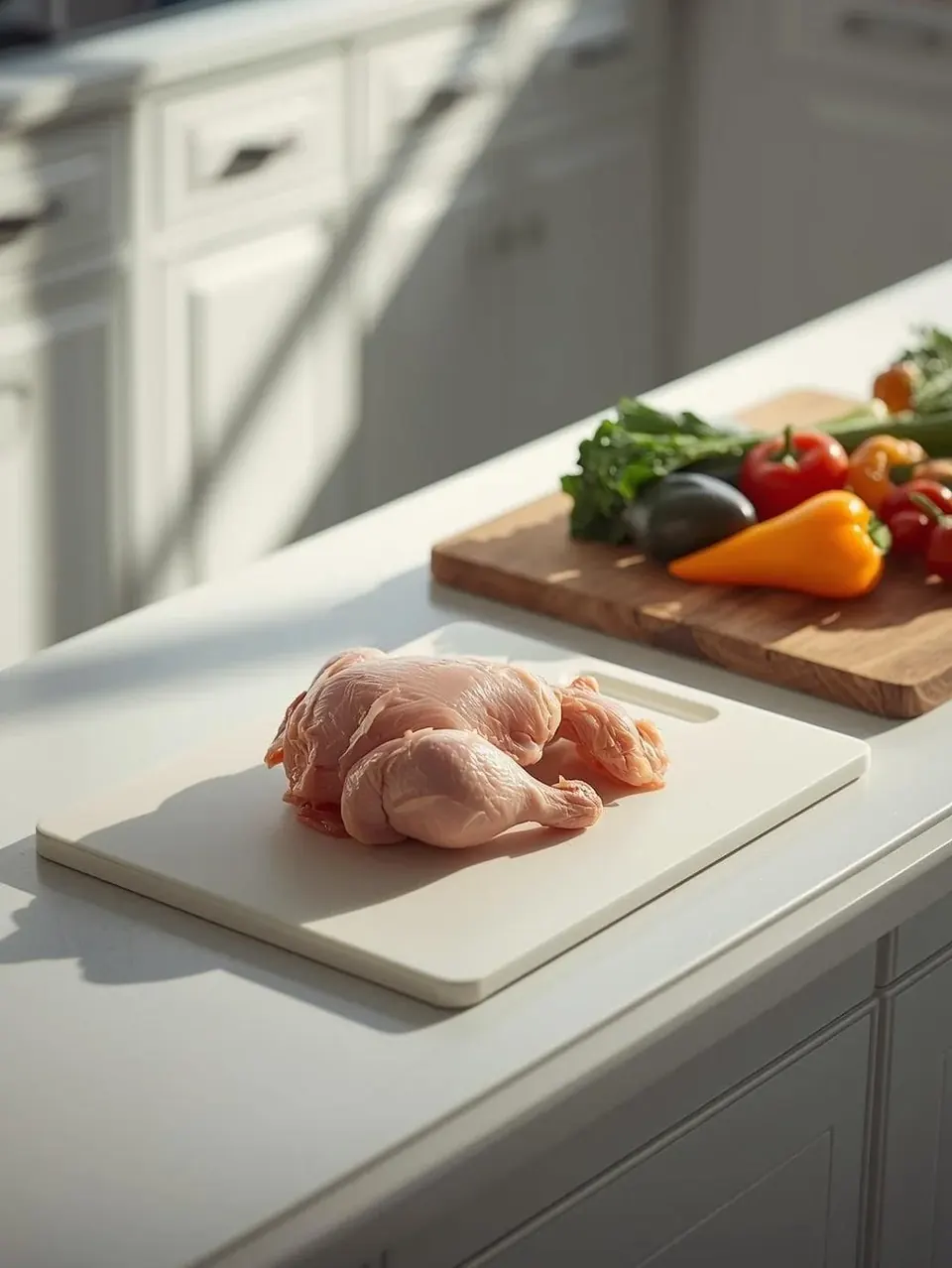
Cross-contamination freaks me out, especially with raw meat. I've built a system that works for both wood and plastic boards.
Experts recommend using different boards: plastic for meat and poultry, wood for everything else. That makes sense to me.
I keep separate boards for different foods:
Board Type Best Use Why I Choose It Plastic Raw meat, poultry Easy to sanitize Wood Vegetables, bread Gentle on knives, naturally antimicrobial Glass/Marble Pastry work Non-absorbent, stays cool
The color-coding trick is a lifesaver. My red plastic board is for raw meat only, while my wooden one handles veggies and bread.
This simple system has saved me from a lot of kitchen disasters.
Antimicrobial Properties of Wood
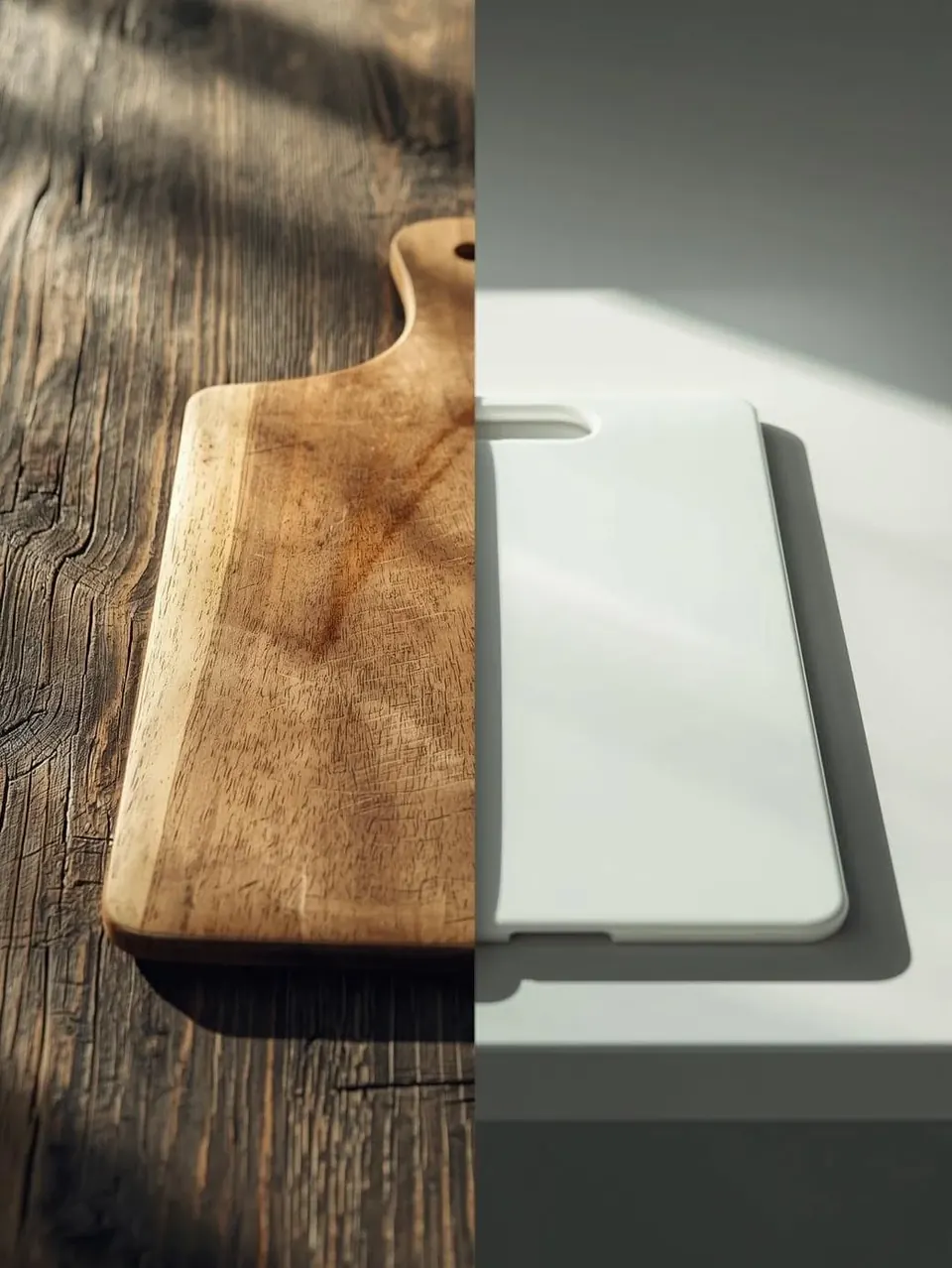
This is where wood really shines, and honestly, it blew my mind when I first found out. Hardwoods like maple and oak have natural antibacterial properties.
These compounds in the wood fight bacteria on contact. It's like having a secret weapon on your counter.
Maple and walnut are especially good at this, so I bought a quality hardwood board. The grain structure helps too.
When I cut on wood, the fibers can close up a bit, trapping bacteria where they can't thrive. It's not like plastic, where bacteria just sit on the surface or hide in scratches.
Why wood is naturally antibacterial:
Tannins and other natural compounds
Fiber structure that traps germs
Dries out bacteria over time
Cleaning and Disinfecting Best Practices
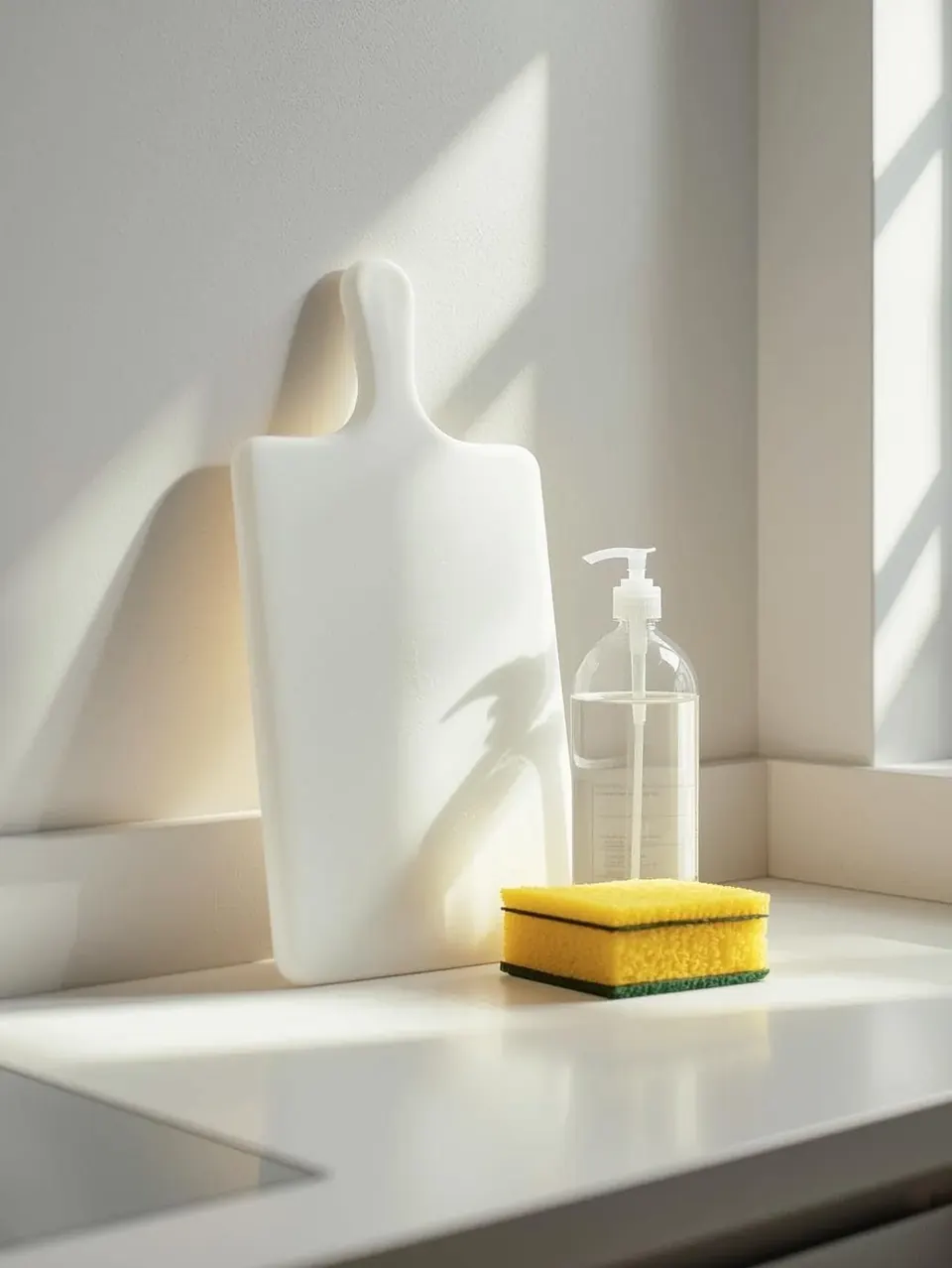
I've learned that good cleaning habits make all the difference, no matter which material I use.
For wood boards, I scrub with hot soapy water right after using them. I never soak them or put them in the dishwasher—learned that lesson the hard way.
Once a week, I rub coarse salt and half a lemon across the surface, then rinse and dry it well. Plastic boards are easier.
I can throw them in the dishwasher or wash with a bleach solution after cutting raw meat. The key is letting them dry completely before storing.
My cleaning checklist:
Rinse right away after messy jobs
Hot soapy water for daily cleaning
Salt and lemon for wood weekly
Bleach solution for plastic after raw meat
Let them air dry before putting away
Don't get sentimental about old cutting boards. Once they're too scarred up, it's time to let go.
Knife Friendliness and Edge Retention
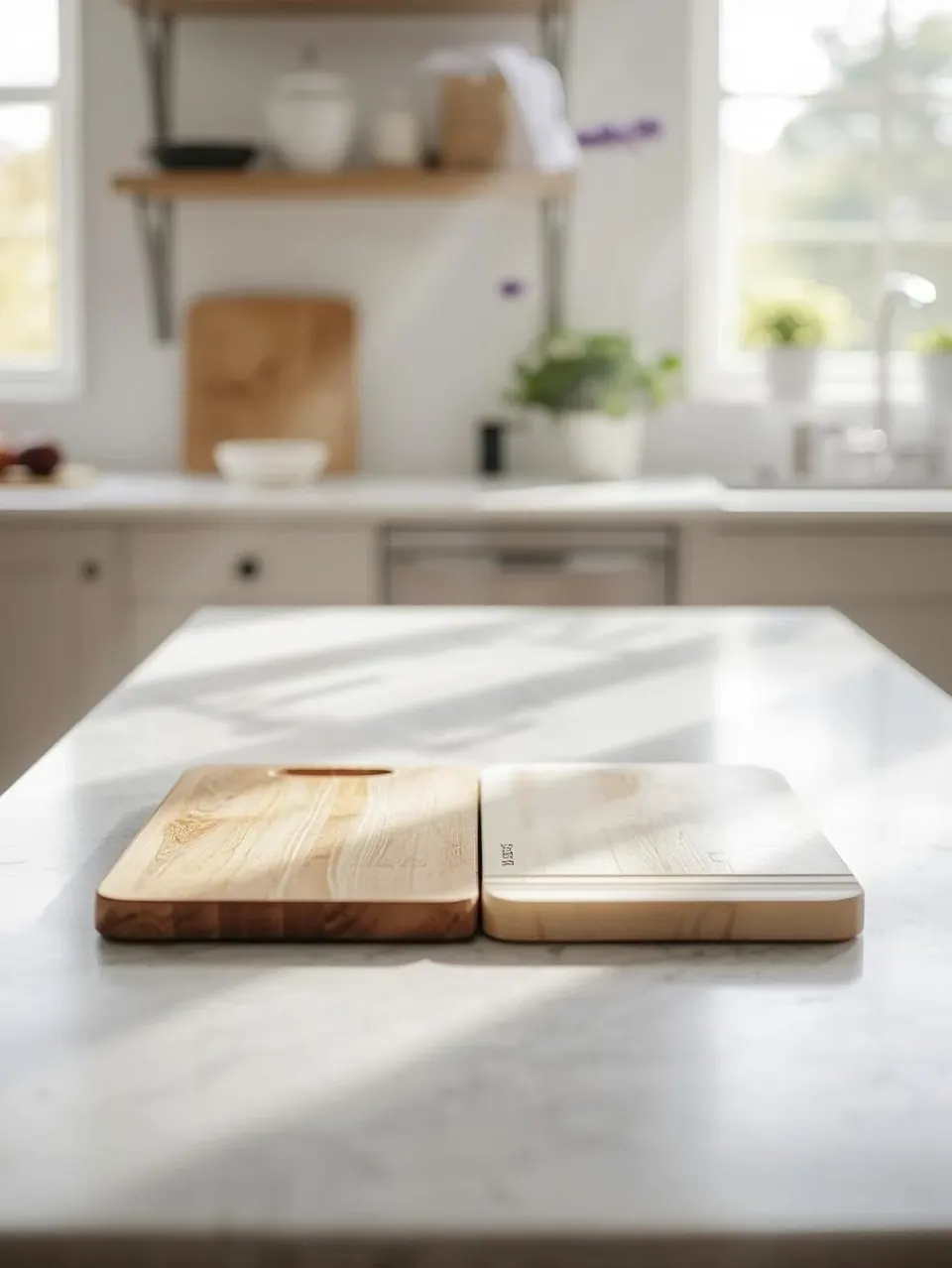
Your knife's sharpness really depends on what you're cutting on. Wooden cutting boards keep blades sharper than plastic ones.
The science is about how the board material interacts with your knife's edge every time you cut.
Impact of Board Material on Knife Sharpness
I've noticed a big difference in how my knives feel after using wood versus plastic boards for a while. On wooden surfaces, especially hardwoods like maple, the fibers compress under the blade and then bounce back.
This gentle cushion helps protect your knife. Plastic boards are harder and less forgiving.
Every time your blade hits that surface, it gets tiny chips and nicks, slowly dulling the edge. My chef's knife stays sharper on my maple board than it ever did on plastic.
It's obvious after just a few weeks of regular cooking. My tomatoes slice cleanly on wood-prepped knives, but plastic-dulled blades tend to squish them.
Edge Retention: Wood vs Plastic Boards
Microscope tests show end-grain wood keeps knives sharper longer than plastic. The grain orientation is a big deal.
End-grain wooden boards are the gold standard for knife care. The fibers stand up, so your blade cuts between them instead of across.
It's like splitting wood along the grain versus against it. I invested in a good end-grain board, and my knives need sharpening maybe half as often.
Wood boards resist surface scratches, so they don't develop grooves that catch and damage blades.
Even edge-grain wood boards are better than plastic, though not quite as gentle as end-grain.
Durability, Maintenance, and Replacement
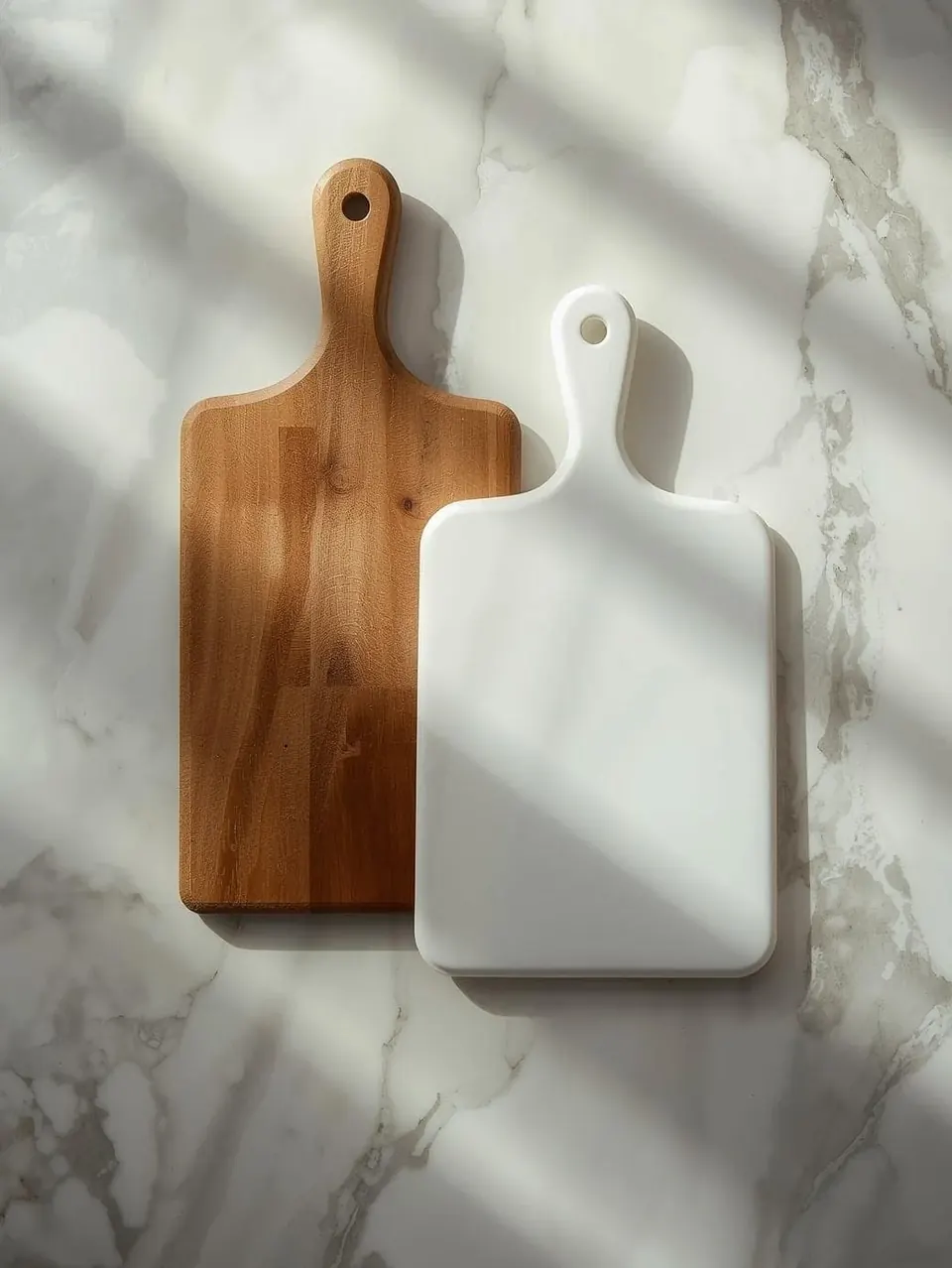
Wood cutting boards can last for decades if you take care of them. Plastic boards usually need replacing every few years because of deep scratches that trap bacteria.
The maintenance routines for each are pretty different. Wood needs regular oiling, while plastic needs frequent sanitizing.
Longevity and Resistance to Damage
I've found that wooden boards are way more resilient and keep their value over time than plastic ones.
My hardwood maple board has lasted over eight years. In that same time, I've gone through three plastic boards.
Wood boards last longer because:
They resist deep cuts and gouges
Surface scratches close up naturally
Good hardwoods can last 20+ years
Plastic boards wear out fast:
Knife marks turn into permanent grooves
Deep scratches trap food and germs
They get brittle and crack as they age
The coolest part about wood is how it "heals" itself. Shallow cuts compress and bounce back. Plastic just gets scarred and stays that way.
Maintenance Requirements for Wood and Plastic Boards
Here's where it gets interesting—wood boards need more TLC than plastic. But honestly, I kind of enjoy the routine.
How I care for my wood board:
Oil it every month with food-grade mineral oil
Sand lightly if it gets rough
Only hand wash with mild soap
Let it air dry fully before storing
Plastic board care is simple:
Dishwasher safe for sanitizing
Bleach solution for deep cleaning
Toss it when grooves get too deep
I spend maybe 10 minutes a month maintaining my wood board. The oiling is almost relaxing, and it's satisfying to see the wood soak it up.
Plastic boards need no special attention until it's time to throw them out.
When to Replace Your Cutting Board
Knowing when to toss a board can be tricky, but I've picked up the signs.
Replace wood boards if:
Deep cracks won't close
Board warps badly
Smells won't wash out
Surface can't be sanded smooth anymore
Replace plastic boards if:
Grooves are deep enough to hide bacteria
Stains won't bleach out
Edges are cracked or chipped
Surface always feels rough
I usually get 2-3 years from a plastic board before those knife grooves become bacteria highways. My wood board is still going strong after almost a decade, and I've only had to sand and re-oil it a couple of times.
Environmental Impact and Health Concerns
When I started digging into cutting boards, I was honestly surprised at how much my choice could affect both my health and the planet. Wood boards are big winners for sustainability, but plastic boards bring up tough questions about microplastics in food and long-term environmental damage.
Eco-Friendliness of Materials
The environmental gap between these materials is honestly huge. Wood cutting boards come from trees that we can replant and harvest again and again.
Most good wooden boards use wood from responsibly managed forests. Plastic boards, though? They’re made from petroleum, which takes a lot of energy to produce.
Making plastic boards pumps out more carbon emissions than making wood ones. That’s a pretty big deal if you care about your carbon footprint.
What I like most about wood's natural antibacterial properties is that maple and beech boards actually fight bacteria on their own. I don’t have to use harsh cleaners as much.
Wood boards break down naturally when you toss them. Plastic boards? They just hang around in landfills for centuries.
Microplastics and Their Effect on Food
This part really blew my mind. Plastic cutting boards can release microplastics into food just from normal chopping.
Every time I slice veggies on a plastic board, tiny plastic bits might end up in my food. Scientists are still figuring out exactly what that means for our health, but I’d rather not risk it.
The wild thing is, these microplastics are totally invisible. I have no clue how much plastic I might be eating.
Wood boards don’t have this issue. If a knife makes small particles, they’re just wood fibers that break down safely in our bodies.
End of Life: Disposal and Sustainability
I love that my wooden cutting board can get a second life. When it’s too worn for cooking, I can sand it for crafts or just compost it.
Plastic boards are a different story. Most can’t be recycled because of food stains and deep grooves.
They get tossed in landfills and stick around for ages. Kind of depressing, honestly.
Wood boards usually last 10-20 years if you take care of them. Plastic ones need replacing every 1-5 years.
So, I’ll go through several plastic boards for every one wooden board. Fewer replacements means less waste and more value for me and the planet.
Frequently Asked Questions
People ask me the same things all the time when they’re stuck between wood and plastic cutting boards. Most of the time, it’s about hygiene, care, and whether pricier wooden boards are actually worth it.
What are the benefits of using a wood cutting board over a plastic one?
Wooden cutting boards have some real perks. They’re easier on your knife edges, so you don’t have to sharpen as often.
Wood naturally fights bacteria. Research shows wood cutting boards are just as safe—maybe even safer—than plastic because bacteria can hide in plastic grooves.
Honestly, wood just looks better. It ages nicely and gets a cool patina, while plastic boards just get ugly and worn out.
How do you properly maintain and care for a wooden cutting board?
I wash my wood boards with warm soapy water right after using them, then dry them right away. Don’t ever put them in the dishwasher or leave them soaking.
Once a month, I rub them with food-grade mineral oil or cutting board oil. It keeps the wood from cracking or getting dry.
I use coarse salt and half a lemon to scrub away smells or stains. This works better than harsh cleaners and doesn’t mess up the wood.
Can plastic cutting boards be safely sanitized in a dishwasher?
Yep, you can put plastic cutting boards in the dishwasher. That’s a big plus since the high heat and soap get them really clean.
But I’ve noticed dishwashers can warp thin plastic boards. The heat also makes knife grooves deeper, which can trap bacteria.
Some boards are only safe on the top rack. Always check the label so you don’t end up with a melted board.
What types of wood are best for cutting boards and why?
I like hardwoods like maple, walnut, and cherry for cutting boards. They’re tough enough to handle knives but still gentle on blades.
Maple is my favorite. It’s strong, not too pricey, and doesn’t soak up water easily.
Walnut looks awesome but costs more, and cherry gets this rich color as it ages. Avoid pine or open-grain woods like oak—they’re either too soft or can trap bacteria.
Is there a difference in durability between wood and plastic cutting boards?
Quality hardwood boards, especially thick end-grain or sturdy edge-grain ones, hold up for years. My main maple board is over ten years old and still going strong.
Plastic boards last about 1-3 years, depending on how much you use them. They get deep scratches you can’t sand out, unlike wood.
Even though wood boards cost more upfront, you’ll end up buying several plastic ones in the same time. Tests show wood boards are a better deal in the long run, even if they’re pricier at first.
How does the surface of a cutting board affect knife sharpness over time?
I've noticed my knives stay sharper longer when I use wooden cutting boards. Wood fibers are softer than steel.
They give a bit when the knife edge touches them. This helps reduce damage to the blade.
Plastic surfaces are harder. They can dull knife edges more quickly, especially once the board gets scratched up.
Glass and ceramic cutting boards? They're even worse for your knives.
If you've spent money on good knives, it makes sense to use a wooden cutting board. That way, you won't dull the edges too soon.