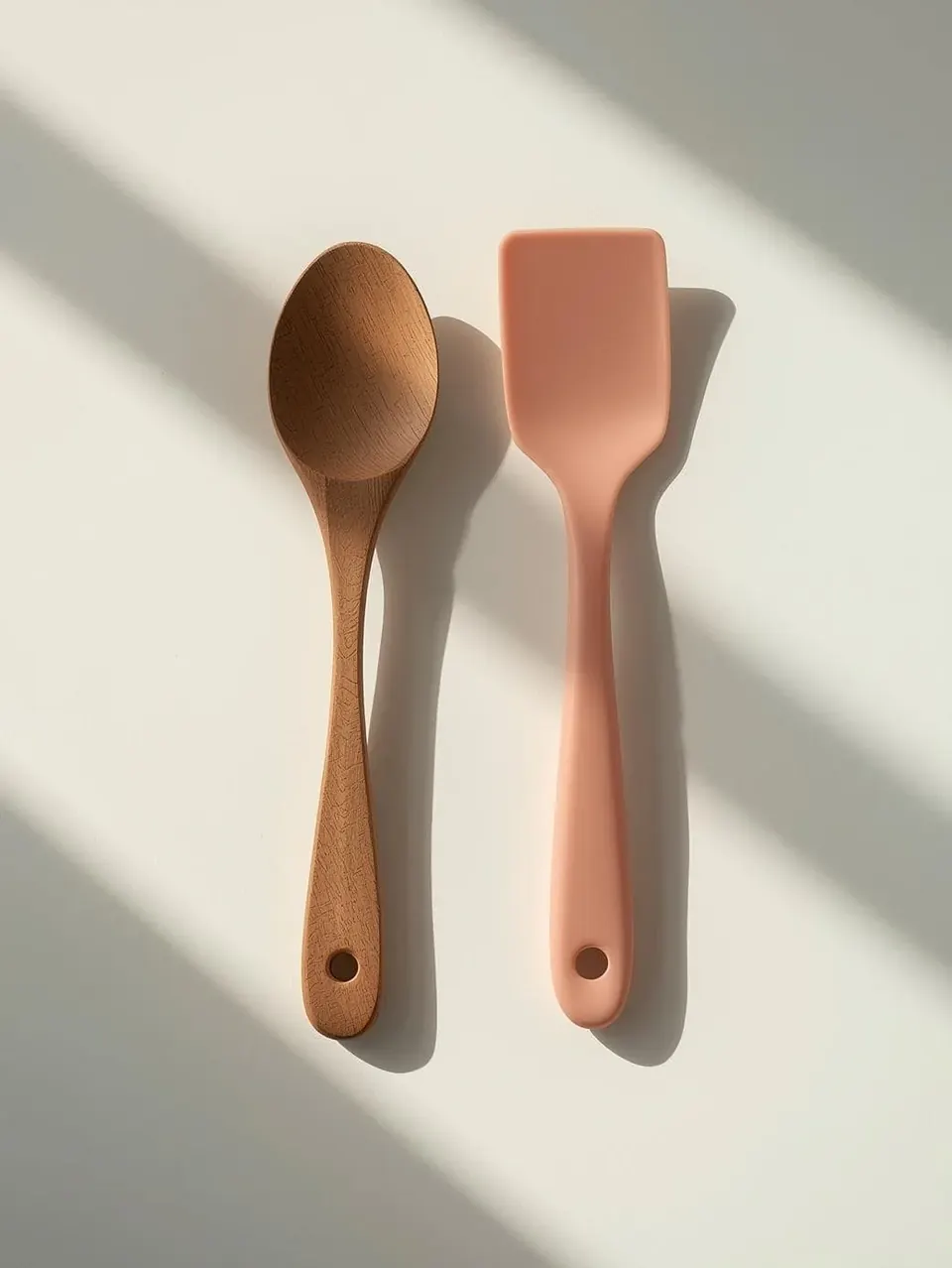
You know that moment when you're staring at your utensil drawer, not sure if you should grab your old wooden spoon or that bright silicone spatula? I've been there so many times, and honestly, it's a silly thing to stress about, but I still do.
Silicone spatulas are amazing for scraping bowls clean and handling high heat. Wooden spoons are gentler on cookware and perfect for stirring thick stuff without scratching your pans.
After years of kitchen wins and fails, I've realized that choosing between silicone and wood utensils isn't just about what feels nice in your hand. It's about knowing what each tool does best.
My silicone spatula helps me get every bit of cookie dough out of the bowl. My wooden spoon is my favorite for stirring risotto or making scrambled eggs.
I'm excited to share what I've figured out about these kitchen workhorses. Let's get into the details that actually matter when you're cooking. And maybe answer a few of those weird questions you think about but never bother to Google.
Key Differences Between Silicone Spatulas and Wooden Spoons
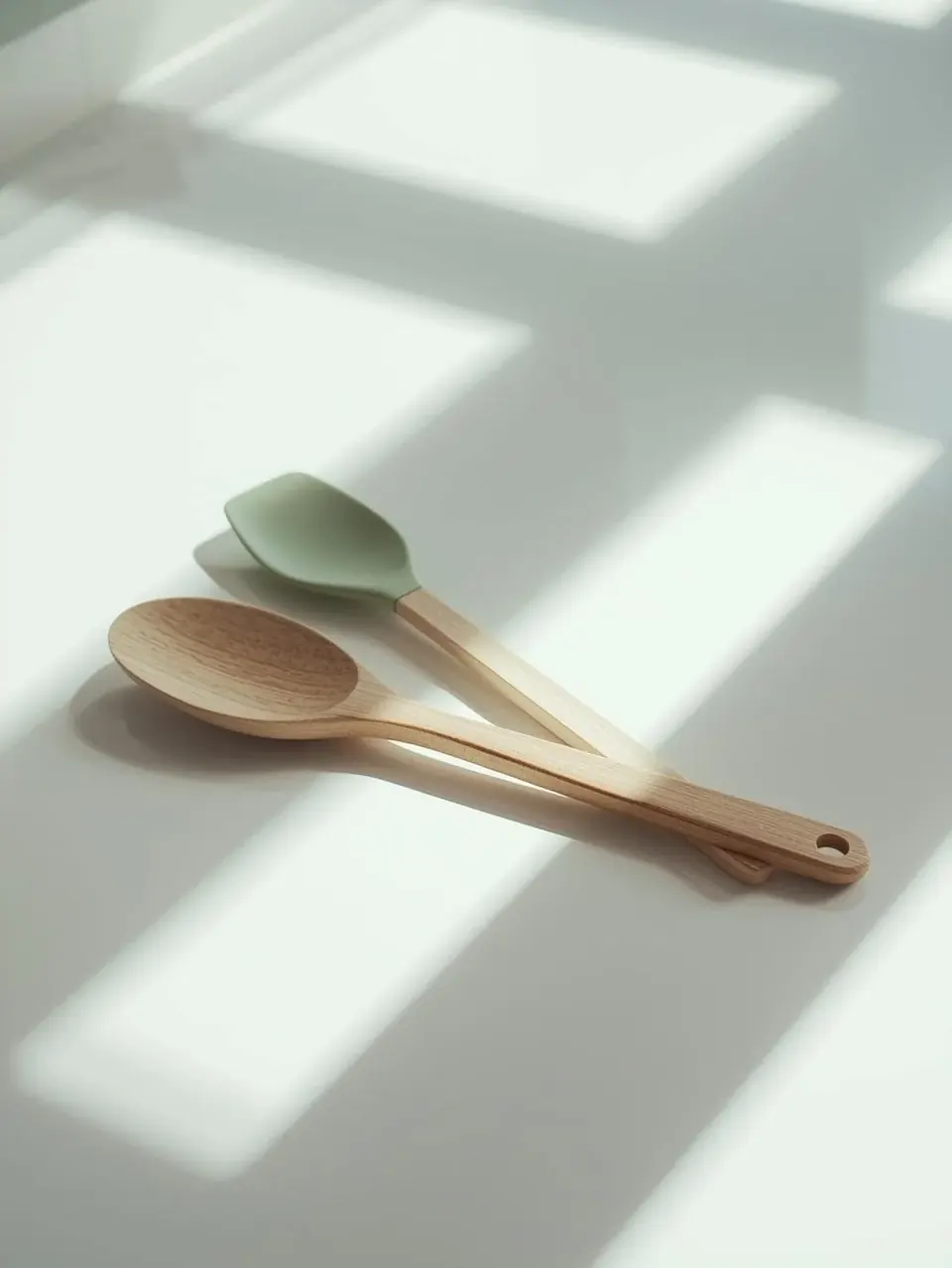
These two tools come from totally different worlds. One's a modern wonder made of food-grade rubber, and the other's been around since your great-grandma's time.
The differences go way beyond just how they look or feel.
Material Properties
The material composition differences are huge!

ChefAide Silicone 5 Piece Spatula Set
Shop at Amazon →Silicone spatulas are made from synthetic rubber. They can handle heat up to 450°F without melting. They're non-porous, so bacteria can't hide anywhere.
They're also flexible, so you can scrape every last bit of brownie batter from your bowl.
Wooden spoons are carved from natural wood like bamboo, beech, or maple. They're porous, so they soak up flavors over time.
I love how they feel in my hand—there's just something solid and comforting about them.
Heat tolerance is a big deal. Silicone can take high temperatures, but wood can crack or scorch if you leave it in a hot pan too long.
Wood doesn't conduct heat up the handle, so your fingers stay safe.
Typical Uses in the Kitchen
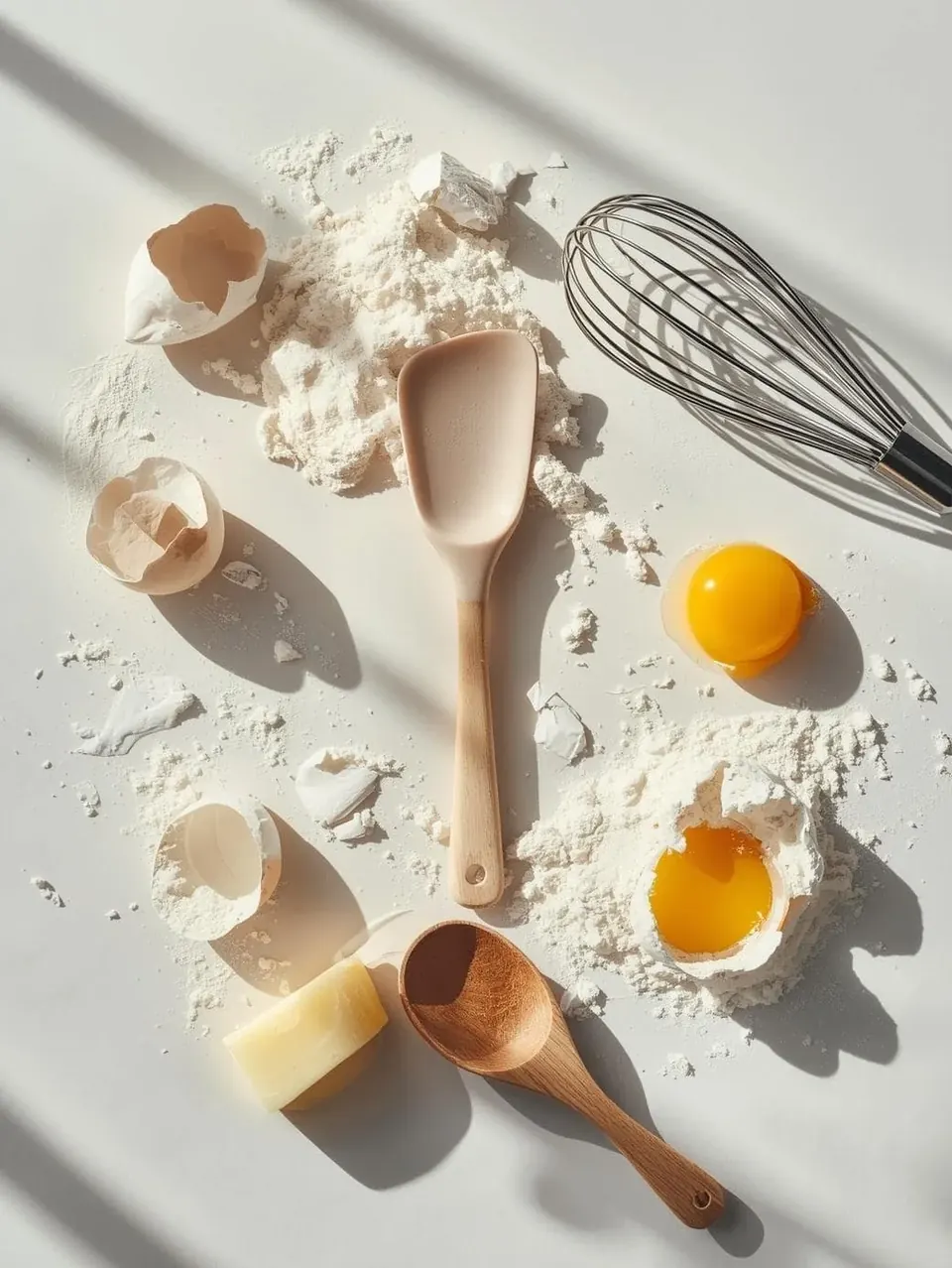
Each tool has its own sweet spot in my cooking routine. They're definitely not the same!
My silicone spatulas are awesome for:
Folding delicate batters
Scraping bowls totally clean (no waste!)
Flipping pancakes and eggs on non-stick pans
Stirring sauces that might stick
Silicone spatulas are great with non-stick cookware because they're soft and won't scratch.
Wooden spoons are my pick for:
Stirring thick stews and risotto
Mixing cookie dough and bread batter
Sautéing onions and garlic
Anything that needs a sturdy, traditional feel
Silicone spatulas are best for precision jobs, and wooden spoons are built for heavy-duty stirring.
Pros and Cons Overview
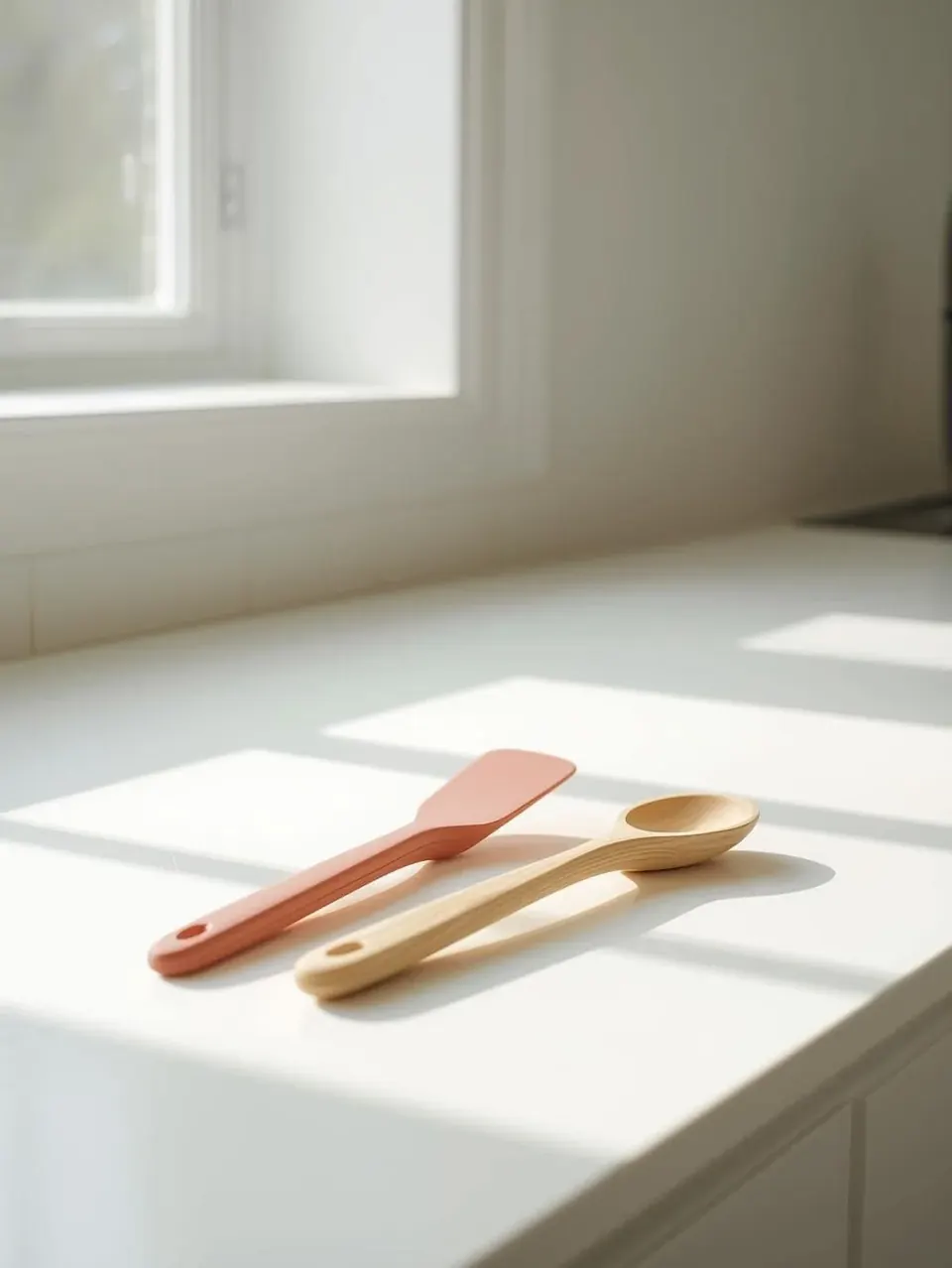
Here's my honest take after years of using both:
Silicone Spatulas:
✅ Dishwasher safe and easy to clean
✅ Heat resistant, won't melt or warp
✅ Gentle on non-stick surfaces
❌ Can feel flimsy with thick mixtures
❌ Sometimes keep strong smells
Wooden Spoons:
✅ Super durable, can last decades
✅ Nice weight and feel for stirring
✅ Won't scratch your pans
❌ Need hand washing and oiling
❌ Can hold onto bacteria if you don't take care of them
Honestly, it's a trade-off. Silicone is all about convenience, but wooden spoons get this cool patina and personality over time. It just feels more old-school and special.
Food Safety and Hygiene Considerations
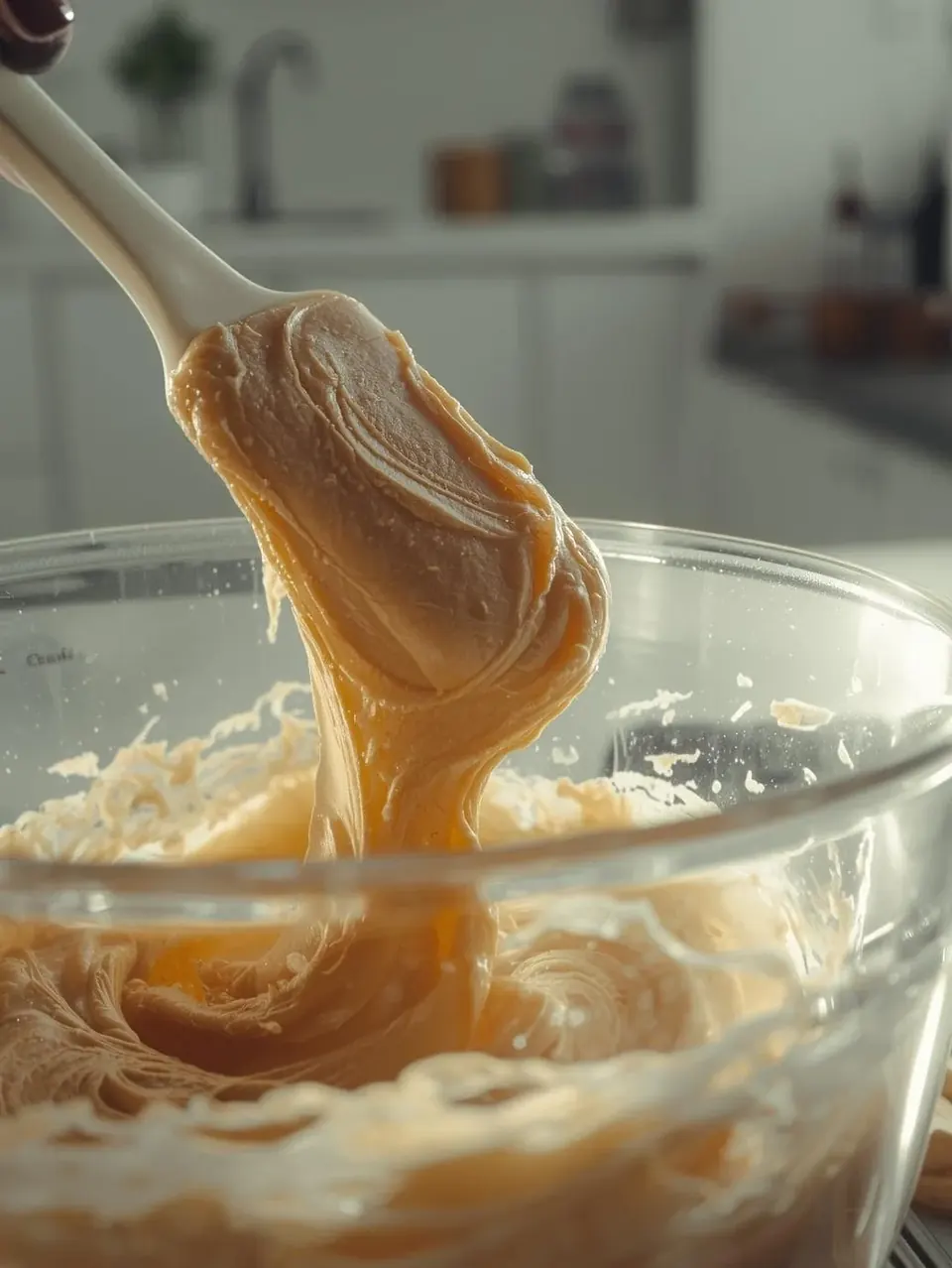
Wood is porous and has tiny places where bacteria can hide. Silicone is non-porous, so germs can't really stick around.
Cleaning these tools is totally different, and that changes how safe your kitchen is.
Porosity and Bacterial Growth
Wooden spoons are like tiny apartment buildings for bacteria. The grain creates little spaces where food and moisture hide.
Even after washing, my wooden spoons sometimes smell like garlic or onions. That's probably bacteria hanging out in those tiny pockets.
Wood's porous nature means it soaks up liquids and can hold onto germs if you don't clean it right.
Silicone spatulas are totally non-porous. When I switched to food-grade silicone utensils, I noticed they never kept smells or stains. The smooth surface just doesn't let bacteria settle in.
Cleaning and Maintenance Practices
My wooden spoons need special care, and honestly, I forget sometimes. They need to be hand washed with mild soap and oiled every now and then.
Never put them in the dishwasher. I found out the hard way when my favorite wooden spatula warped and cracked.
Some woods like bamboo have natural antibacterial powers, but you still have to clean them well.
My silicone spatulas are dishwasher-safe. I just toss them in and they come out spotless. I can even sanitize them with hot water.
Impact on Food Safety
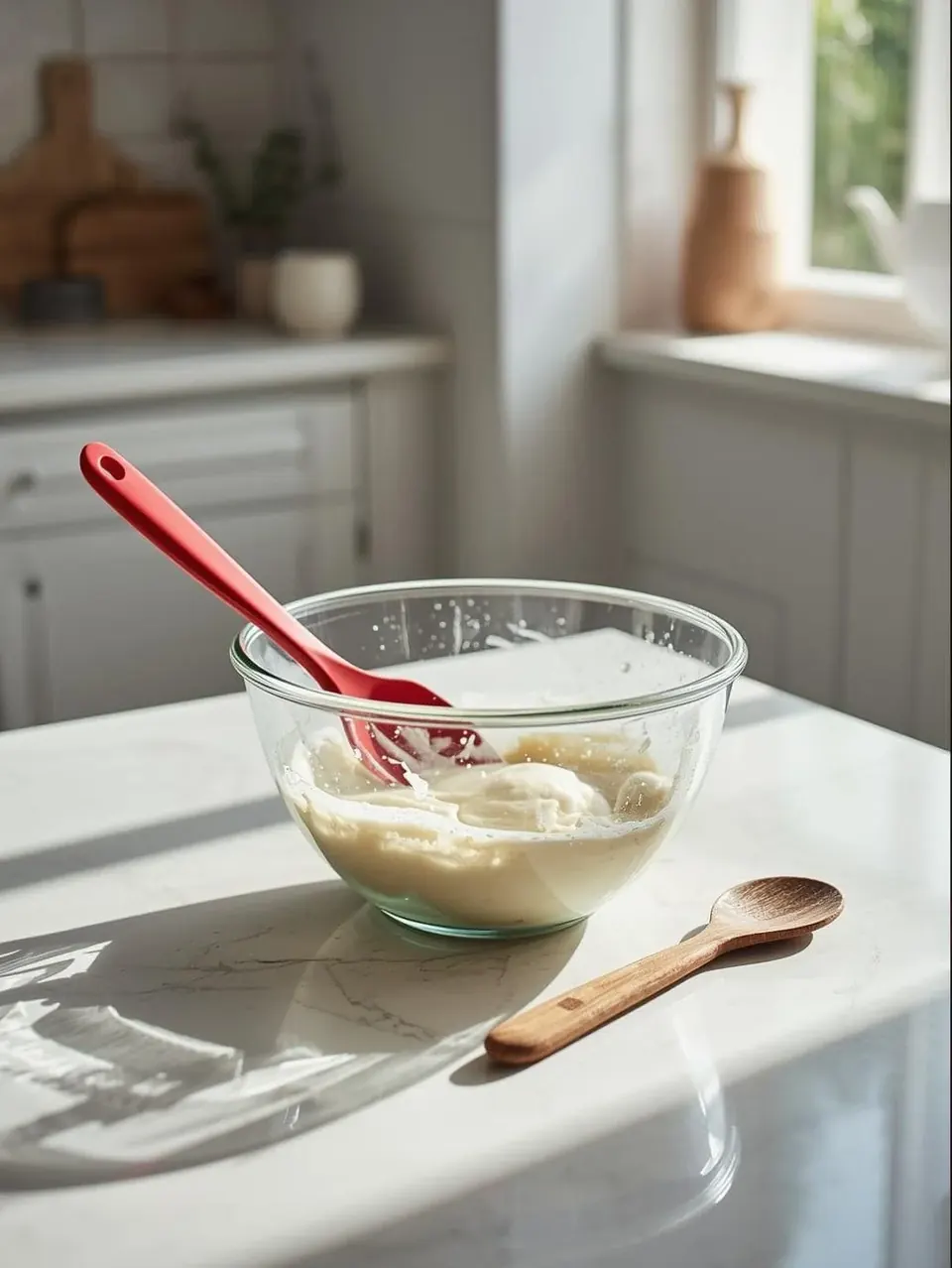
Silicone gives me peace of mind when it comes to food safety. The hygiene advantages of silicone spatulas make them almost impossible to contaminate.
I still keep a few wooden spoons though, because they're gentle on my cast iron pans. I just make sure to clean them well and toss them if they get cracks.
Durability and Longevity
Both silicone spatulas and wooden spoons can last for years, but they need different care. Wooden utensils resist cracking, while silicone handles heat without warping.
Resistance to Damage
I've put both through some tough tests in my kitchen.
Silicone spatulas can take the heat. They don't melt or warp, even if I forget them in a hot pan. Silicone utensils are flexible and handle high temperatures with no problem.
But sharp knives can slice them up. One wrong move and your spatula has a permanent cut.
Wooden spoons are tough in a different way. Wood resists scratches and cracks, so I can stir thick dough or scrape pans without worrying.
Heat is wood's weak spot. Leave it in a hot pan too long and it might scorch or crack.
Required Care Over Time
My maintenance routine really matters.
Silicone spatulas are easy. I just throw them in the dishwasher. They come out looking new every time. No oiling, no careful drying—just wash and go.
Wooden spoons need a bit more love. Proper care is key for them to last. I hand wash them with mild soap and dry them right away.
Every few months, I rub them with mineral oil or beeswax. It keeps them from cracking and stops them from soaking up flavors.
The extra work pays off. My grandma's wooden spoons are still going strong after decades.
Performance and Versatility During Cooking
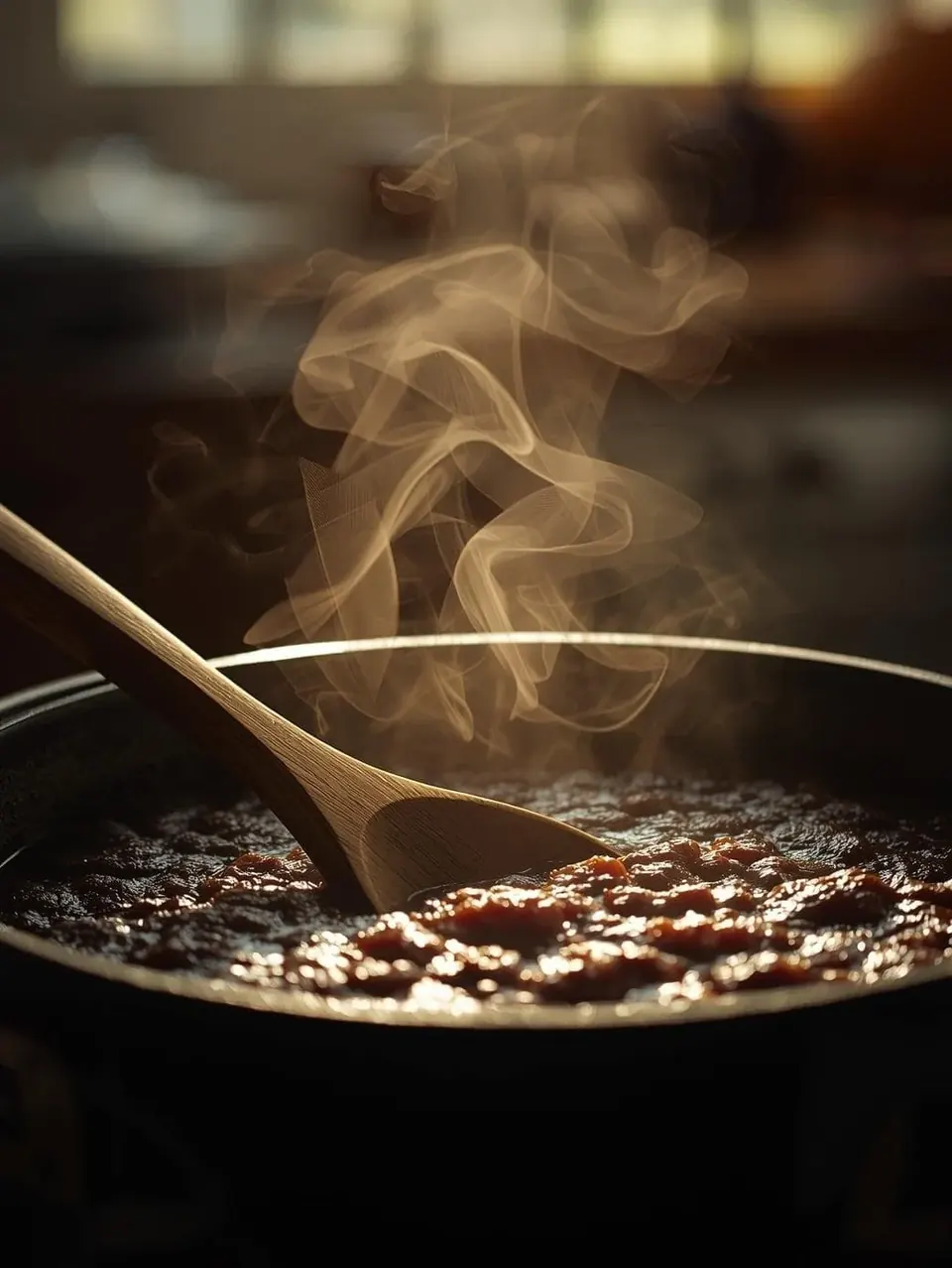
When I'm busy cooking, I need tools that can keep up. Silicone spatulas are the best for scraping every bit from bowls. They're perfect for non-stick pans.
Wooden spoons are great for serious stirring and can handle hot stuff like pros.
Compatibility with Non-Stick Cookware
This is where silicone spatulas really shine! I use them on my non-stick pans without worrying about scratches. The flexible edges glide right over the surface.
Wooden spoons are gentler than metal, but sometimes they get rough and can catch on non-stick coatings. I always check for splinters before using them on my favorite pans.
My non-stick compatibility ranking:
Silicone spatulas: Best choice
Wooden spoons: Good, but you need to be careful
The differences between wooden and silicone spatulas really show with non-stick cookware. Silicone just feels safer to me.
Heat Resistance and Handling
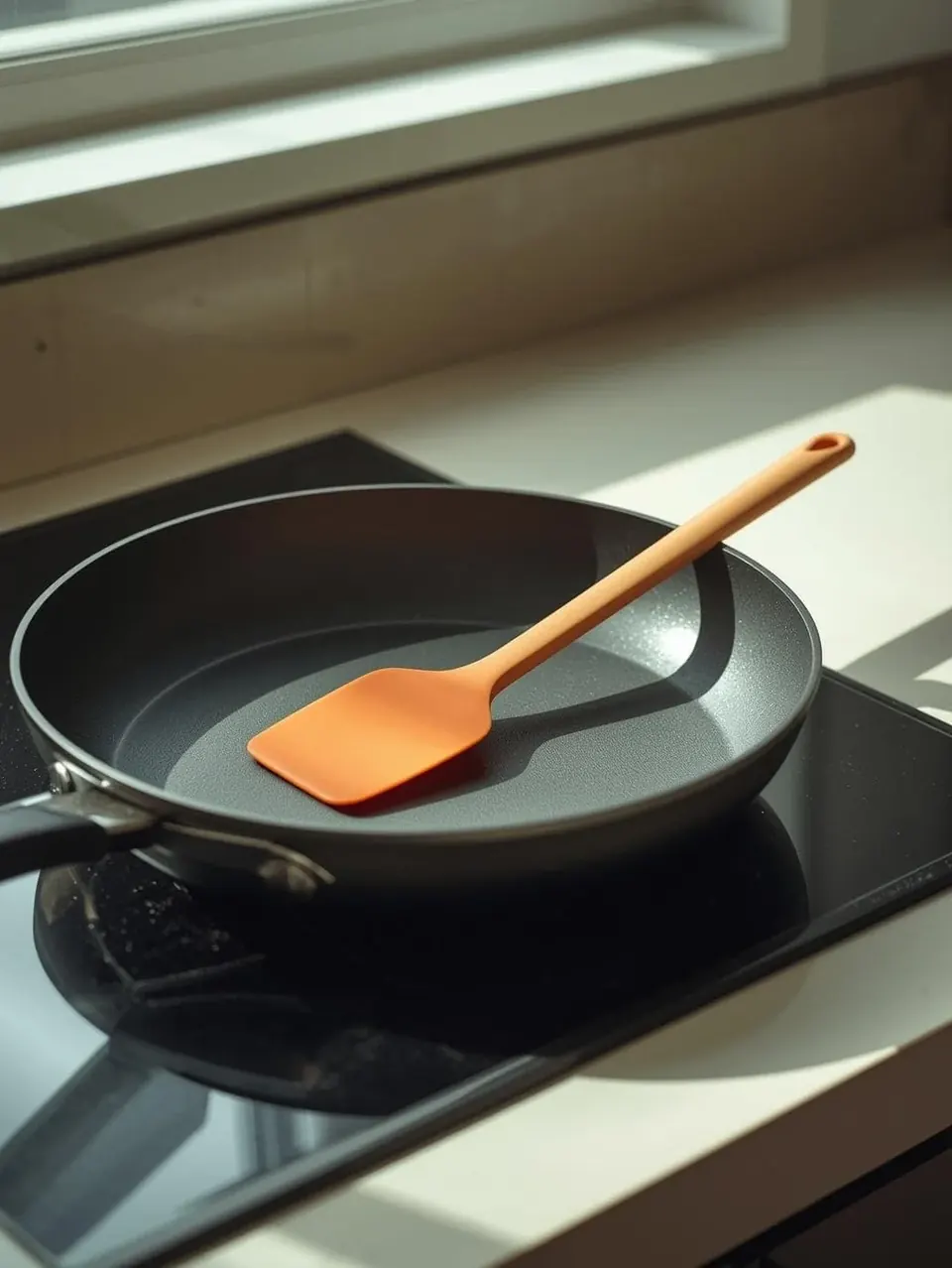
Not all utensils handle heat the same! My silicone spatulas can take up to 400-500°F without melting. They stay cool, which saves my hands.
Wooden spoons are heat champs too. They don't get hot, so I can stir soups and sauces without burning myself. But I try not to leave them in hot pans too long, or they might crack.
For high-heat stuff like stir-fries, I usually grab my wooden spoon. For delicate sauces or baking, my silicone spatula is my favorite.
Effectiveness for Mixing and Scraping
These tools have totally different personalities!
Silicone spatulas are scraping pros—they bend to the shape of the bowl and get every drop of batter or sauce. I can fold in whipped cream without losing the fluff.
Wooden spoons are strong for mixing. When I'm making thick cookie dough or stirring stews, they don't flex or bend. The sturdy build gives me the power I need.
Best uses I've found:
Silicone spatulas: Baking, sauces, scraping bowls
Wooden spoons: Thick batters, soups, tough stirring
The choice between wood and silicone really depends on what I'm making. I keep both types handy because you never know what you’ll need!
Environmental Impact and Sustainability
Once I started thinking about the planet, I realized my kitchen choices matter more than I thought. Wooden spatulas break down naturally, while silicone ones can stick around for centuries.
It's definitely something to think about if you care about the environment.
Eco-Friendliness of Materials
I've noticed that wooden spatulas win big in the eco-friendly department. They're made from renewable resources like bamboo or hardwood.
Trees can be replanted and regrown. When I shop for wooden utensils, I feel like I'm helping forests that can bounce back.
Silicone spatulas are a whole different story. Factories make them from synthetic stuff, using chemical processes that eat up a lot of energy.
They use petroleum-based ingredients, so making silicone means burning more fossil fuels. That just doesn't sit right with me.
What really grabs my attention about wood is how wooden utensils are naturally non-toxic and free of unwanted chemicals. I don't have to stress about weird additives sneaking into my food.
High-quality silicone is usually safe. But cheap versions sometimes have fillers, and honestly, that makes me a little uneasy.
Wood needs way less processing than silicone. The carbon footprint difference feels pretty clear to me.
End-of-Life Disposal
Here's where things get interesting if you care about waste. Wooden spatulas decompose into the environment in no more than 180 days when they're done.
I can toss my old wooden spatula in the compost! It breaks down without leaving behind nasty stuff or polluting the dirt.
Silicone spatulas are a different beast. They're non-biodegradable and can sit in landfills for hundreds of years.
If I throw out a silicone spatula, I know it'll still be around long after I'm gone. That's a weird thought.
Some recycling programs take silicone, but not many. Most silicone kitchen tools just end up in the trash, adding to the pile.
Long-Term Sustainability Concerns
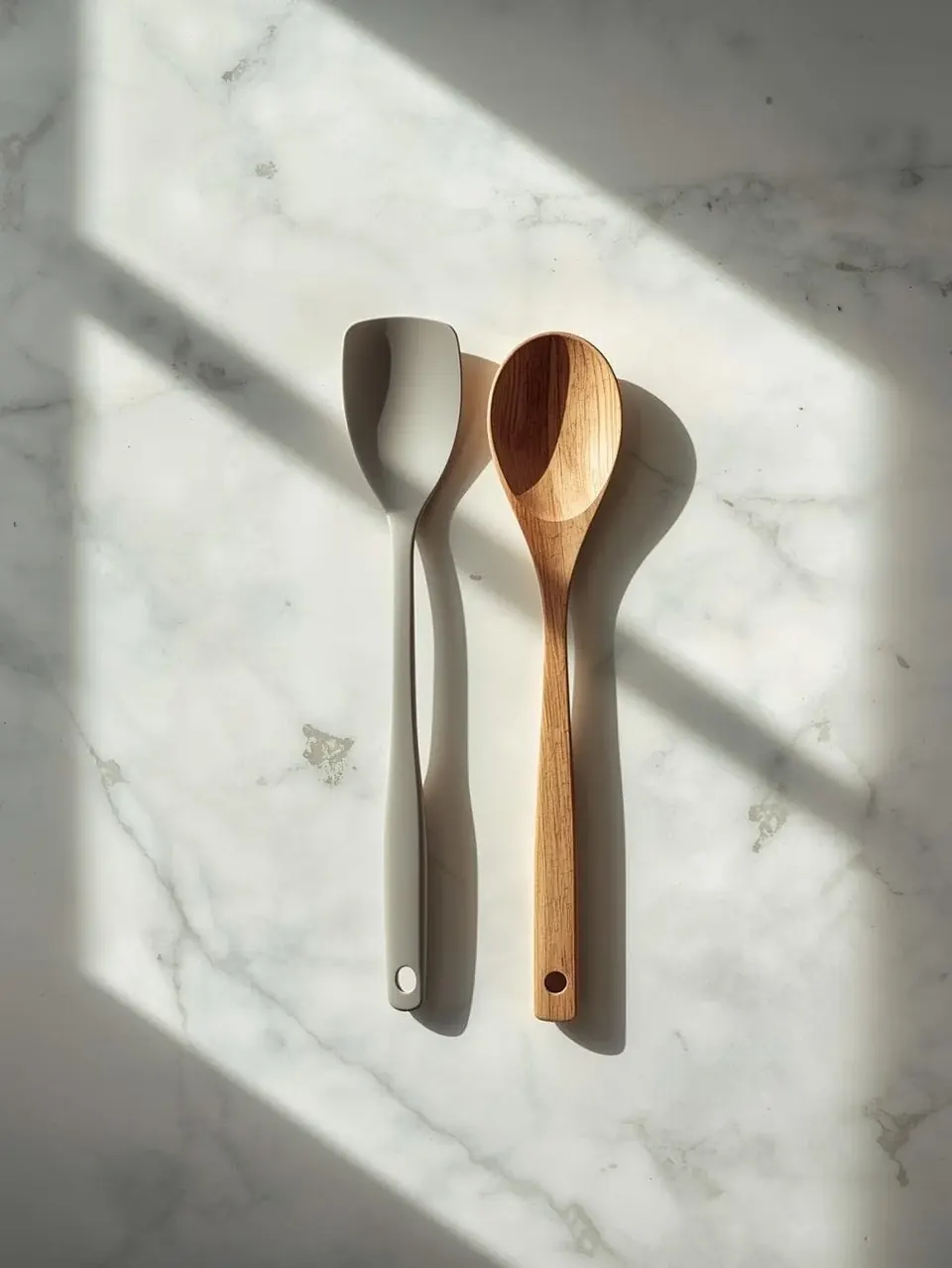
Silicone utensils typically last longer than wooden utensils because they're tough and synthetic. It's kind of a sustainability puzzle.
Wooden spatulas don't last as long, but their rapid biodegradation means they don't pile up as waste. I like thinking of them as part of a natural cycle.
Even though silicone spatulas can last for years, every single one ever made is still out there somewhere. That's a lot of silicone just hanging around.
I've noticed that wooden and bamboo spatulas leave a smaller environmental footprint from start to finish. Growing the tree, making the spatula, then letting it break down—it's all in sync with nature.
Frequently Asked Questions
People ask me all the time about silicone spatulas and wooden spoons. They want to know about heat, durability, safety, and how to care for them.
Some folks also wonder if certain cooking jobs just work better with one tool or the other.
What are the advantages of using a silicone spatula when cooking?
Silicone spatulas are my go-to for lots of cooking tasks! They handle high heat, usually up to 400-500°F, without melting or getting weird.
The non-stick surface is awesome for scraping bowls clean. Food doesn't stick to silicone, making cleaning a breeze.
Most are dishwasher safe, so cleanup is easy. They're flexible, too—I can get into corners and fold ingredients without breaking them.
Can a wooden spoon withstand high temperatures like a silicone spatula?
Wooden spoons deal with heat in their own way. They won't melt like plastic, but they can crack, char, or burn if things get too hot.
I've found wooden spoons work well for most stovetop cooking. They stay cool, even in hot pans.
But they're not great for scraping super-hot caramel or working above 350°F for long. Silicone wins for really high heat.
Wood is better for gentle, everyday stirring. It's just more comfortable.
How does the lifespan of a silicone spatula compare to that of a wooden spoon?
In my kitchen, both can last for years if you take care of them. Wooden spoons sometimes outlast silicone spatulas with regular oiling and careful washing.
Some of my wooden spoons are older than me! They just need a little love.
Silicone spatulas usually last 2-5 years. Sometimes the edges tear or the handle pops off.
They're usually cheaper to replace than high-quality wooden spoons.
Are there certain types of cooking where a wooden spoon is preferred over a silicone spatula?
Absolutely! I grab a wooden spoon for risotto, polenta, or anything that needs real stirring power.
Wooden spoons are great for thick batters and doughs. They don't get hot, so my hands stay comfy.
They're also quieter in pans than silicone. For delicate sauces, I use wood to avoid scratching.
What's the best way to care for and clean silicone spatulas to maintain their condition?
Caring for silicone spatulas is simple. I wash mine in warm soapy water or toss them in the dishwasher.
If they pick up smells or stains, I make a baking soda paste and let it sit for 15 minutes. Then I scrub gently.
White vinegar works for garlic or onion smells, too. Just don't use sharp knives or scratchy cleaners on them.
I store my spatulas flat or hanging so the head doesn't get bent. That's about it!
Is there any risk of chemicals leaching from silicone spatulas into food?
People ask me this all the time! High-quality, food-grade silicone is usually very safe.
It doesn't leach chemicals into food. The trick is to buy from brands you trust that use pure silicone.
Wooden utensils made from food-grade woods are naturally non-toxic, but silicone is safe when high-quality. I try to avoid cheap silicone spatulas because they might have fillers or weird materials.
Look for labels like "100% food-grade silicone" or "FDA-approved." If your spatula smells like chemicals or leaves a sticky residue, I'd say toss it and get a new one.