

When I first started baking for real, I stood in the kitchen aisle, totally lost in a sea of bakeware options. Stoneware versus ceramic? Aren't those just... the same?
Turns out, nope. Stoneware is actually a type of ceramic, but it's fired at way higher temperatures, so it's tougher and doesn't soak up stuff like regular ceramic bakeware. That difference changes how your food bakes and how long your dishes last.
I wish someone would've explained this before I bought my first baking dish. Let's break down how these materials work in your oven, which one survives kitchen life better, and—maybe most important—how to get those perfect golden-brown edges. Knowing this stuff has saved me cash and plenty of kitchen frustration.
Fundamental Differences Between Stoneware and Ceramic Bakeware
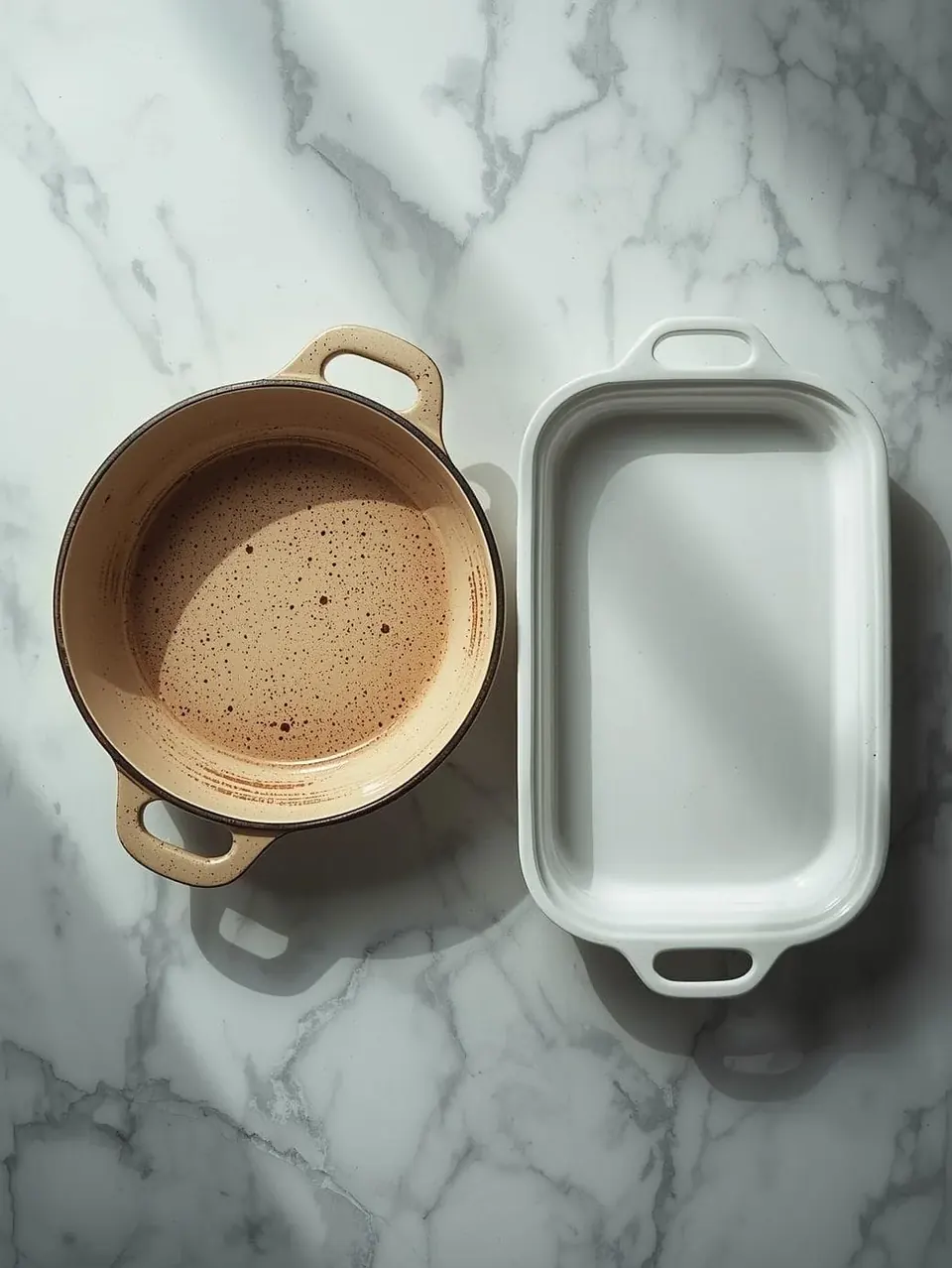
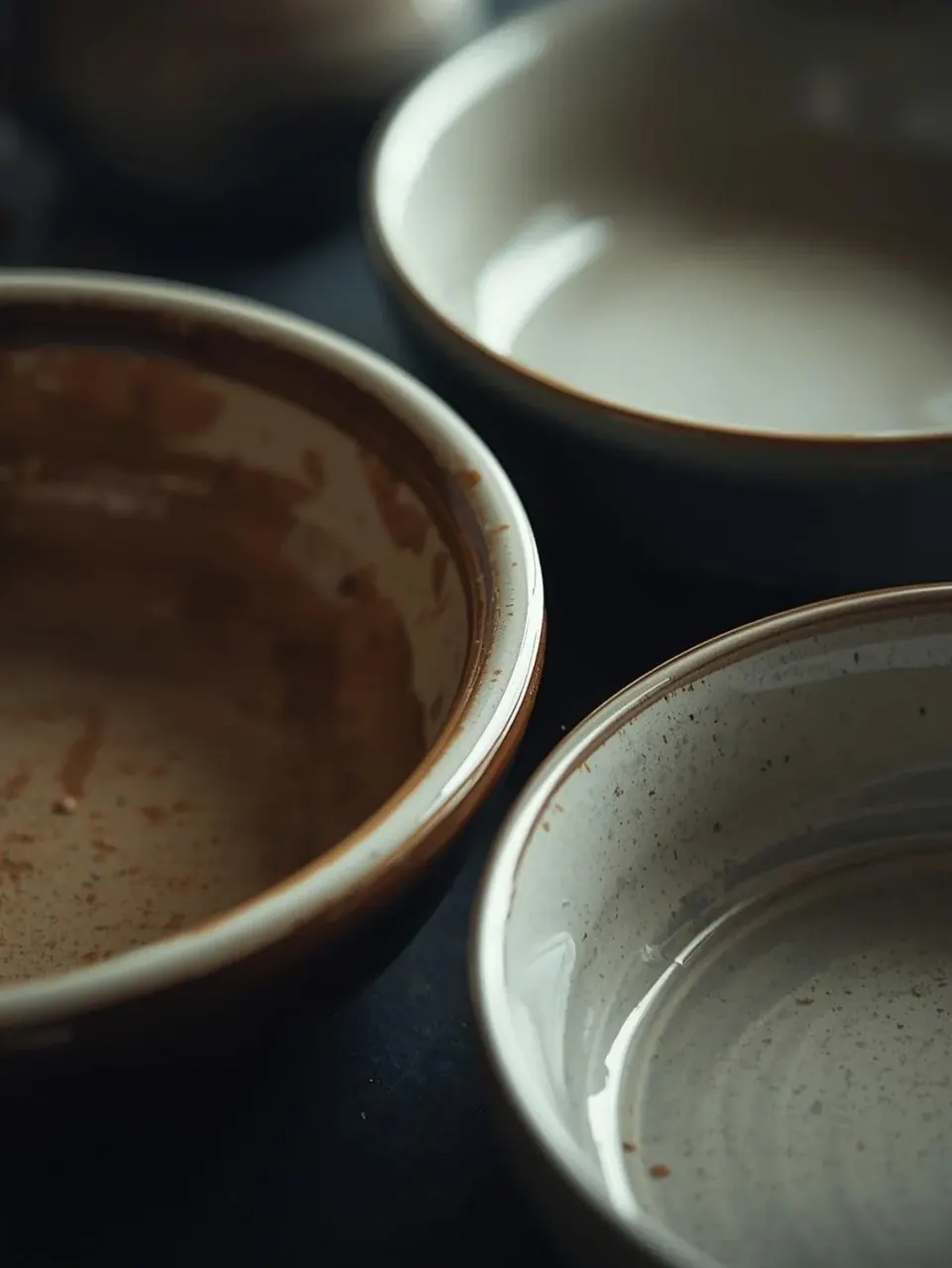
It all comes down to clay and heat. Stoneware uses dense, non-porous clay fired super hot, while ceramic covers a bunch of different clays and firing temps, so some are more porous than others.
What Defines Stoneware Bakeware
Stoneware stands out because of its special clay and how it's fired. Stoneware is non-porous, watertight, and tough, so I grab it when I want steady heat.
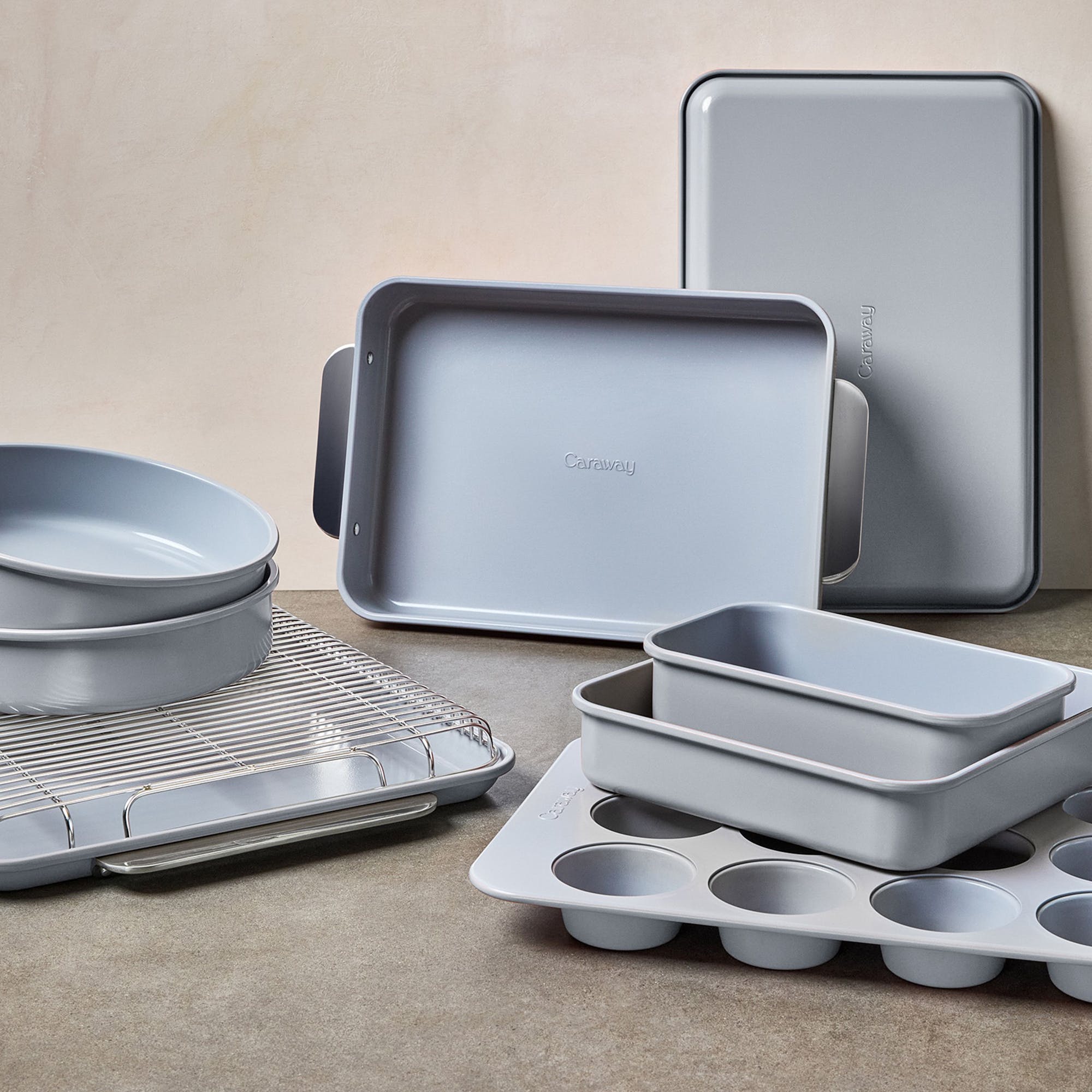
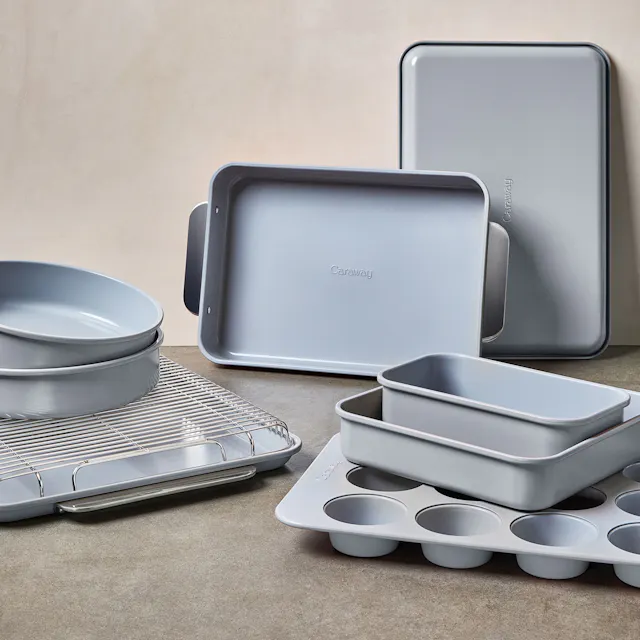
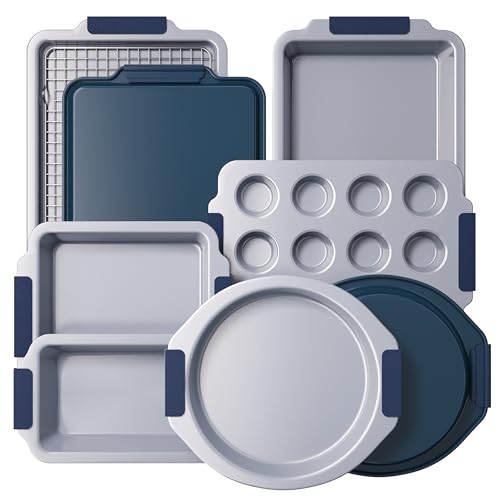
Caraway Nonstick Ceramic Bakeware Set
Shop at Caraway Home →Also at AmazonThe kiln is where the magic happens. Stoneware gets blasted at 2,100°F to 2,300°F. That makes the clay super dense.
What makes stoneware awesome:
Non-porous surface that won't trap flavors or smells
Great heat retention so food stays warm longer
Chip-resistant because of the high-temp firing
Even heat all over the dish
Stoneware handles temperature swings like a champ. I've moved mine from freezer to oven without a crack. The dense clay keeps water out, so cleanup is honestly pretty easy.
Types of Ceramic Bakeware
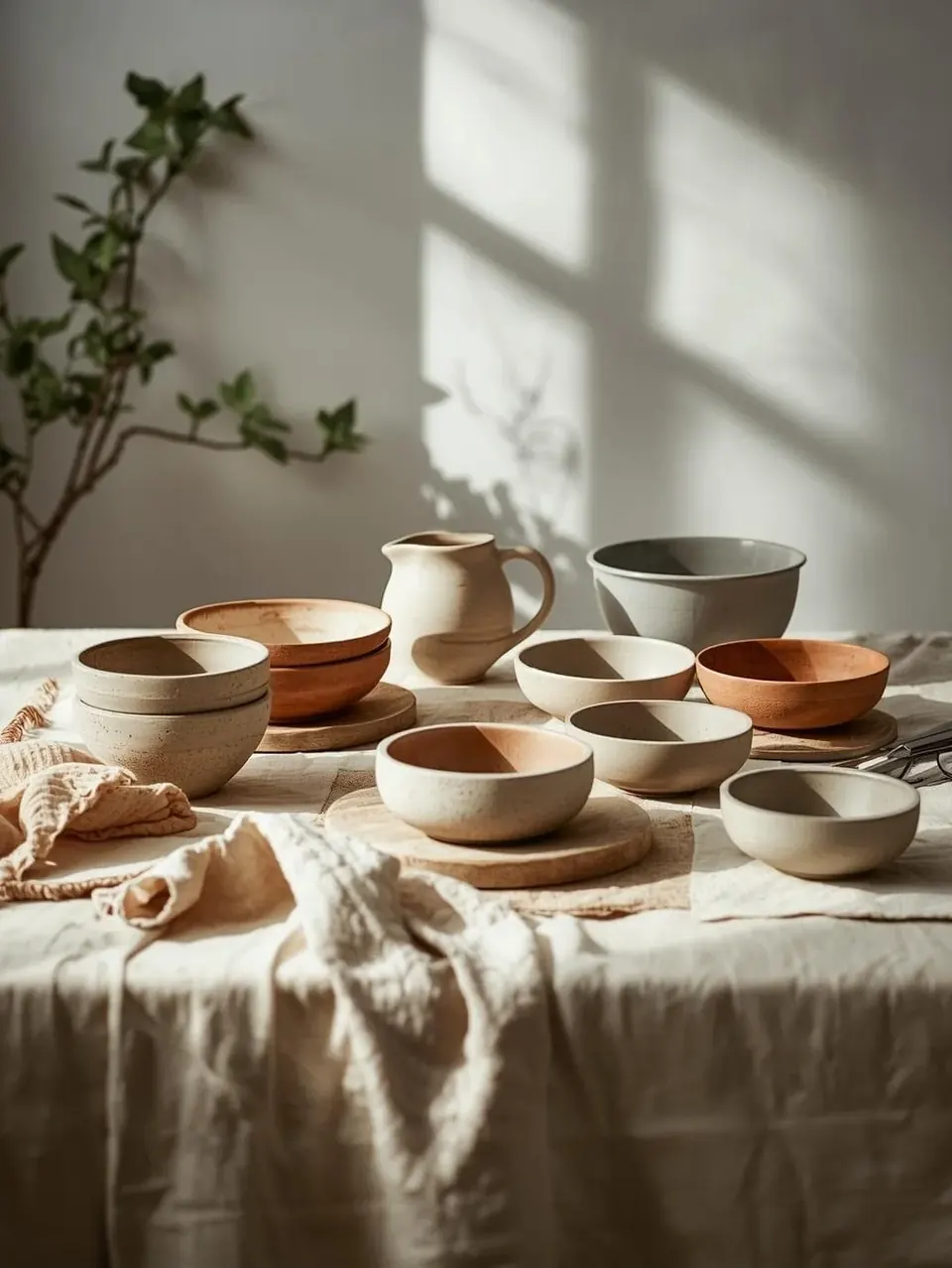
Ceramic is a big category. I've used a bunch, and each one acts a little different.
Earthenware is the most basic ceramic type. It's fired at lower temps (1,800°F to 2,100°F) and stays kind of porous. I like it for slow, gentle baking, but it doesn't love high heat.
Porcelain is at the other end. It's fired crazy hot and ends up with a smooth, glassy finish. Looks fancy, but it can be fragile.
Regular ceramic bakeware sits in the middle. Ceramic dishes have a porous structure that lets moisture out during baking, which is great for some recipes.
Because ceramic is porous, it soaks up some moisture and flavors over time. My ceramic dishes pick up a bit of personality with use, but they need more care than stoneware.
How Stoneware and Ceramic Are Made
The way they're made explains why they act so different in my kitchen. Both start as clay, but that's where the similarities stop.
Stoneware:
They mix high-plasticity clay with strengthening stuff.
Shape it.
First firing dries it and makes it hard.
Glazing adds a protective coat.
Final firing at 2,100°F+ makes it dense and non-porous.
Ceramic varies:
Earthenware: Fired lower, stays porous.
Porcelain: Fired multiple times at super high temps.
Regular ceramics: Middle-of-the-road temps, mixed clays.
The kiln temp is everything. Higher heat fuses the clay, so it's less porous. Stoneware's makeup and firing give it its toughness.
When I pick them up, I can tell the difference. Stoneware feels heavy and solid. Ceramic is lighter and feels a bit rougher or more delicate, depending on the type.
Material Properties and Performance in Baking
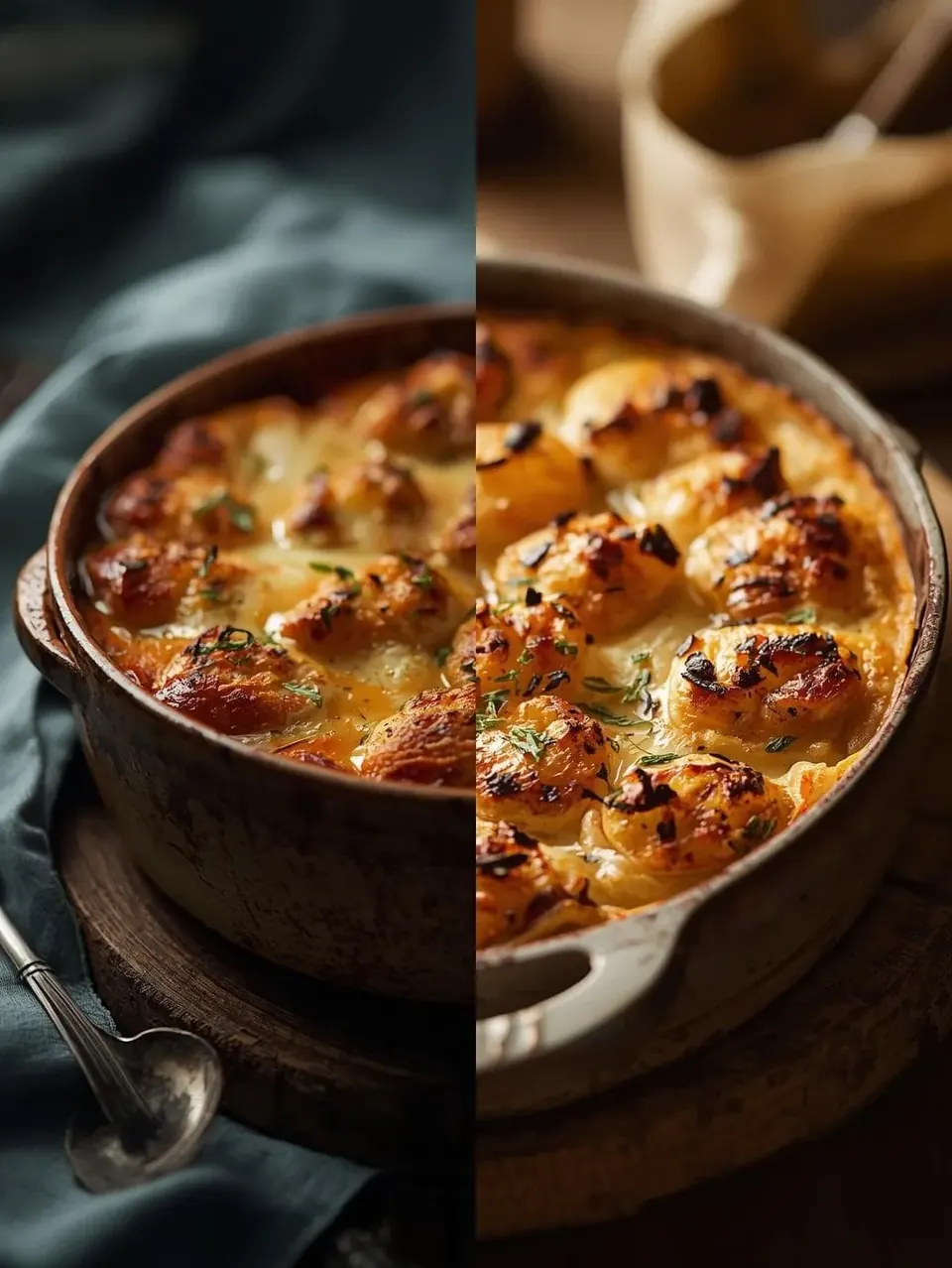
How stoneware and ceramic handle heat and daily abuse really changes your baking. Figuring out these differences helped me pick the right dish for each job.
Heat Retention and Distribution
Stoneware is my favorite for even baking. Once it heats up, it stays hot. My casseroles cook through from edge to center.
Stoneware holds heat better than regular ceramic. The dense clay means no hot spots.
Ceramic heats up faster but doesn't keep the heat as long. That's handy for getting a quick crust or browning on top. The thinner walls transfer heat quickly, which is great for delicate stuff.
Temperature consistency is huge when I'm baking bread or roasting veggies. Stoneware gives steady heat, so I get perfect crusts and soft insides.
Durability and Chipping Resistance
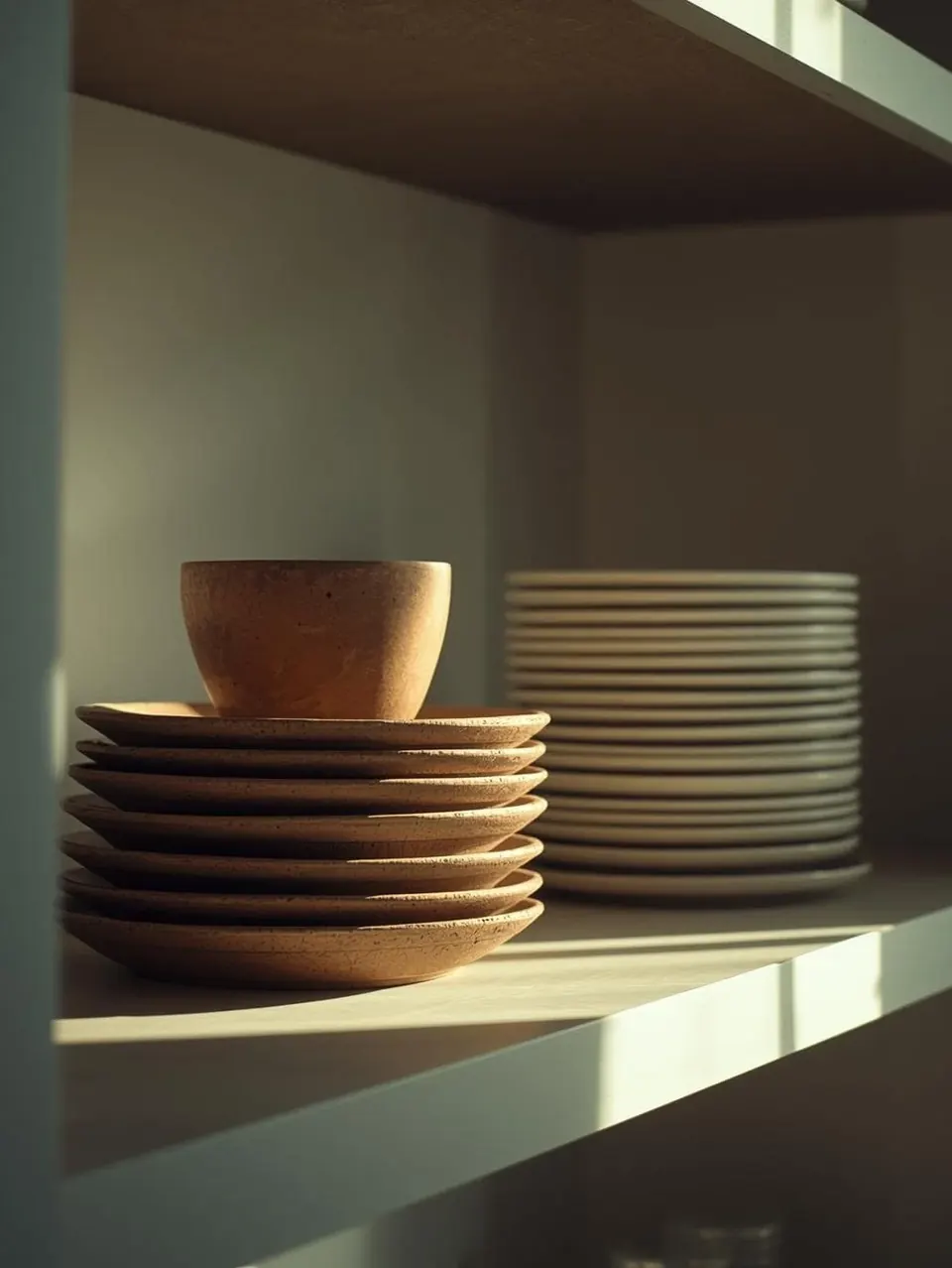
My stoneware dishes have survived drops, bumps, and more dinner parties than I can count. They're rough and ready, with a texture that shrugs off chips and cracks.
Stoneware's toughness comes from higher firing temps. That makes it denser and better at handling sudden temperature changes.
Regular ceramic chips easier, especially around the edges. I've learned this the hard way with a few broken dishes.
When I shop for durable bakeware, I look for:
Thick, strong edges
Smooth glaze
No cracks or weird lines
Stoneware lasts. My oldest one is still going after fifteen years of regular use.
Porous vs Non-Porous Structure
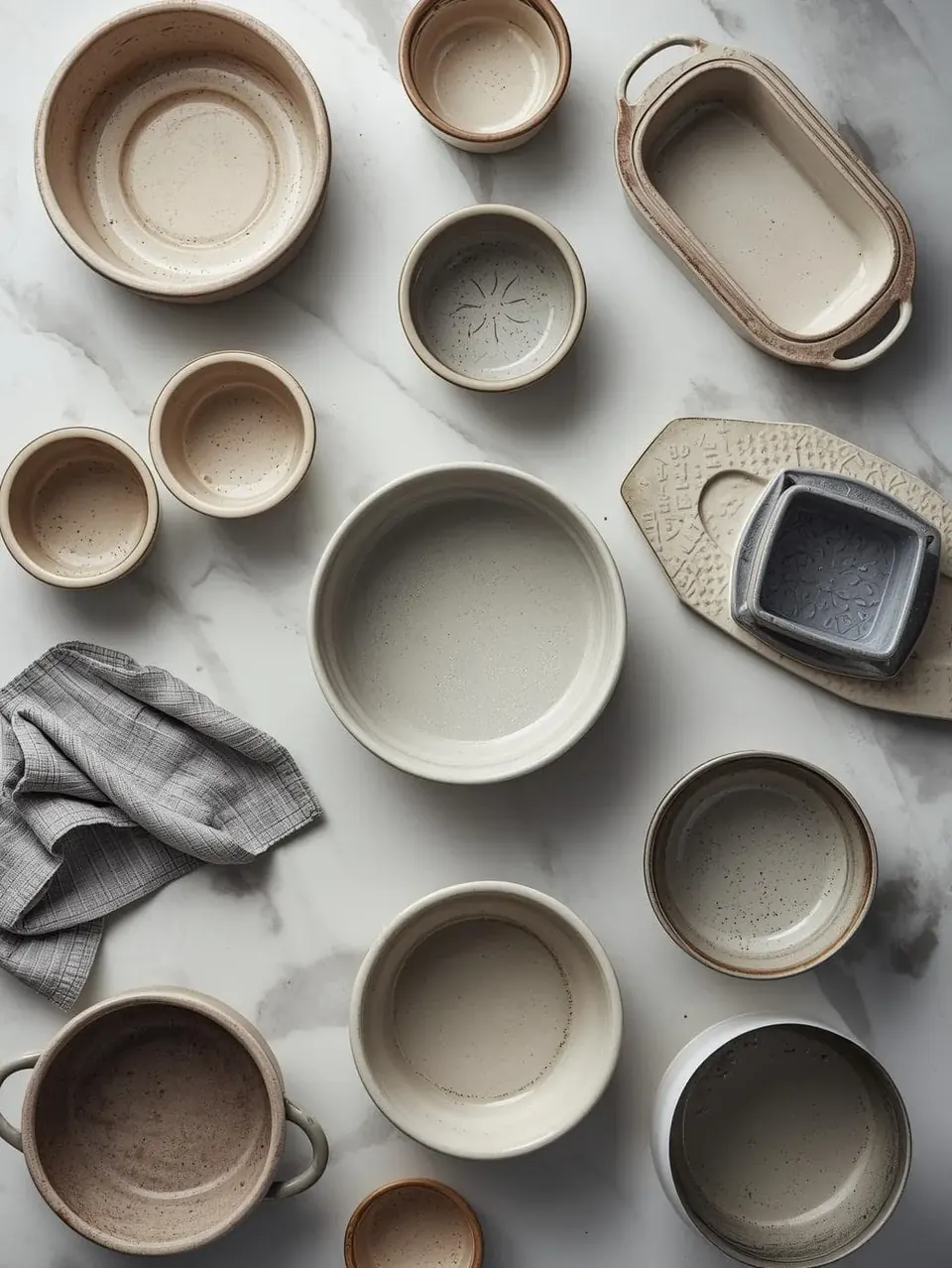
Ceramic's porous structure changes how my food turns out. Ceramic lets moisture escape, which is good or bad depending on the recipe.
Stoneware, once fired and glazed, is way less porous. Non-porous stoneware doesn't hold onto old smells or flavors. My garlic bread doesn't mess up my apple crisp, thank goodness.
Porous ceramic is awesome for:
Crusty breads that need to breathe
Pizza stones that soak up water
Dishes where you want some evaporation
Non-porous stoneware is perfect when you want food to stay moist. My cheesy casseroles stay creamy, and custards set just right.
Cooking Versatility and Practical Functionality
Stoneware and ceramic both have their moments, but their temperature limits and uses are different. Knowing how each works helps me pick the right one for every meal.
Oven, Microwave, and Freezer Use
Not all bakeware handles temperature swings the same way. Stoneware is my pick for big temperature changes. It can usually take oven temps up to 450°F without any drama.
Ceramic baking dishes are a little fussier. They're great in moderate oven heat, but I always check the label. Most top out around 350-400°F.
Here's what I've learned:
Microwave: Both work, but ceramic heats up quicker.
Freezer: Stoneware can go from freezer to oven better.
Thermal shock: Ceramic might crack if you move it from really cold to really hot too fast.
I once took a ceramic dish straight from the freezer to a hot oven. It split right down the middle. Now I always let ceramic warm up first.
Best Uses: Casseroles, Breads, and More
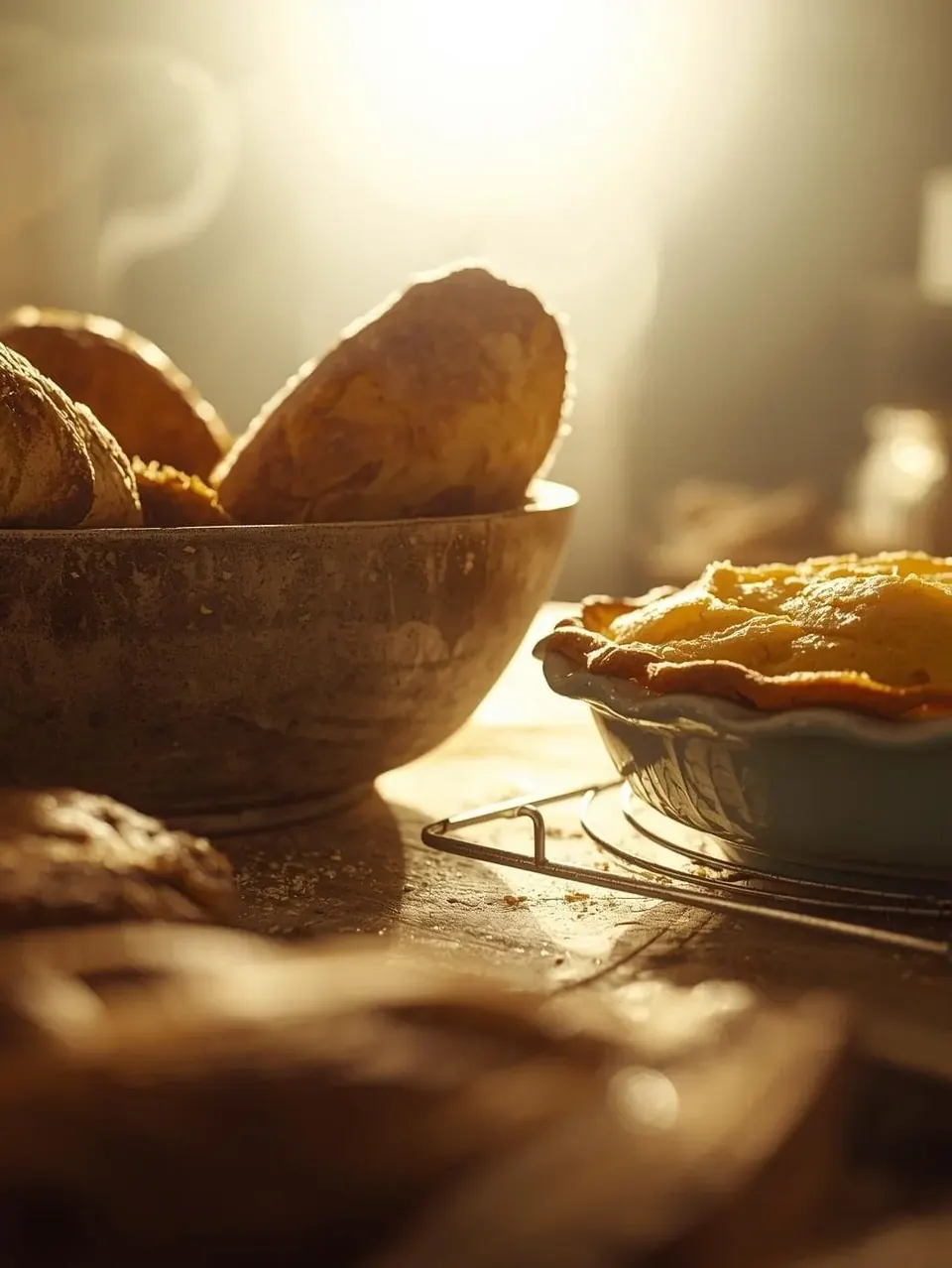
Different recipes need different strengths. Ceramic baking dishes are great for crispy crusts because they're porous.
Ceramic is best for:
Fruit pies and cobblers
Gratins
Anything that needs a crunchy top
Stoneware is my go-to for:
Slow-cooked casseroles
Artisan bread
Braised stews
Baked beans
I use my stoneware for bread because it heats so evenly. The thick walls stop the bottom from burning while the center bakes through.
For casseroles, stoneware keeps food warm longer on the table. Ceramic heats up fast but cools down just as quick.
Stoneware vs Ceramic Baking Dish Applications
What I'm cooking usually decides which material I grab. Stoneware's toughness and versatility make it great for everyday meals.
For daily cooking:
Weeknight dinners: Stoneware survives the dishwasher.
Meal prep: Stoneware goes freezer to oven, no problem.
Entertaining: Ceramic looks fancier on the table.
Kids' meals: Stoneware can handle drops and bangs.
I keep both types in my kitchen. Ceramic comes out when I want things to look nice. Stoneware is my workhorse for daily cooking.
Thickness matters too. Stoneware heats up slower but holds heat. Ceramic responds fast, so you get more control over browning.
Aesthetics and Design Considerations
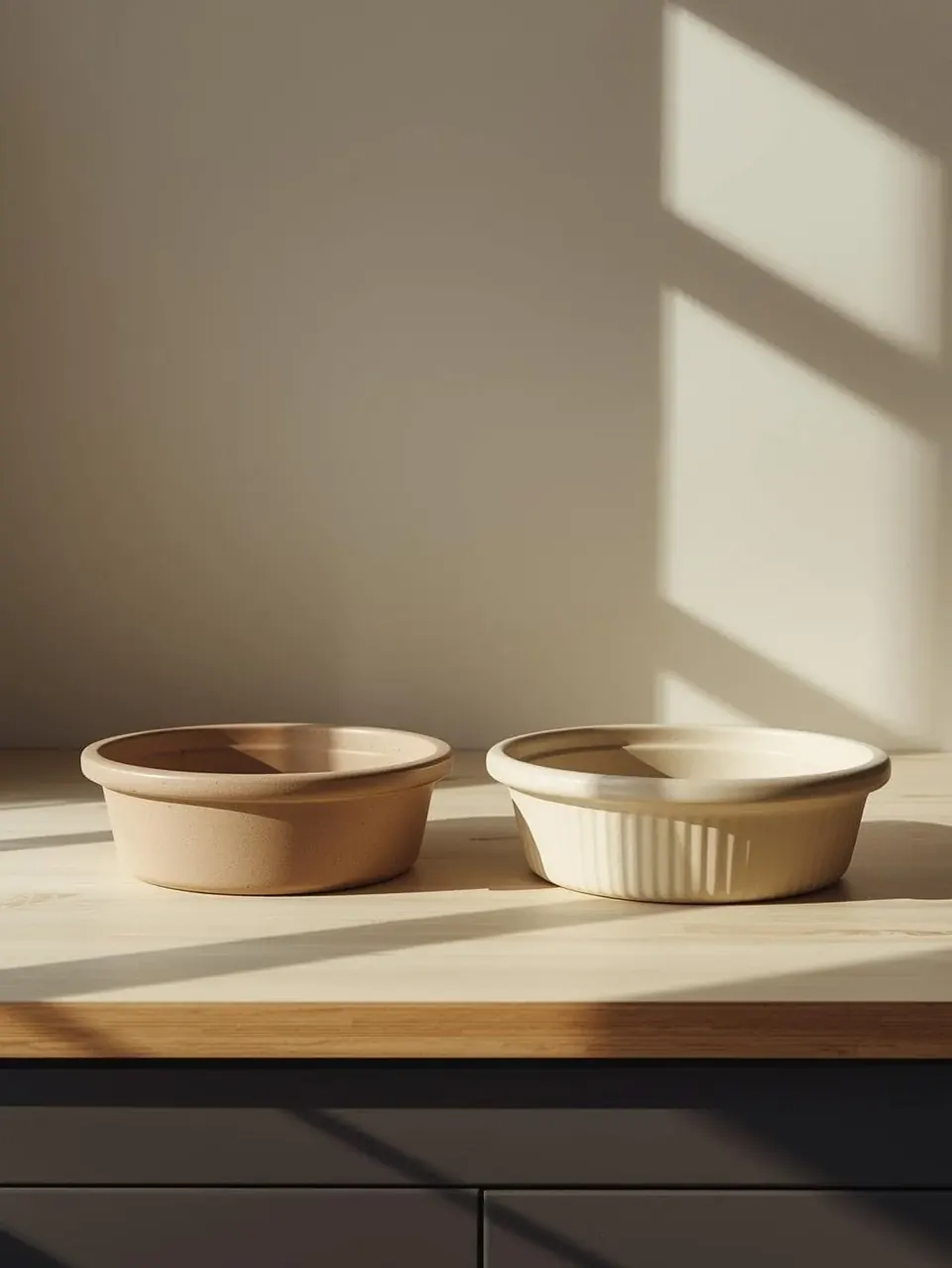
Looks matter more than you think. Both stoneware and ceramic bring something special to the kitchen. Texture, color, and little details can totally change your kitchen's vibe.
Visual Appeal and Texture
I love how stoneware gives off a rustic, earthy feel. The natural clay has a matte finish that feels solid and real. Each piece is a bit different, with its own color and texture.
Ceramic bakeware is smoother and more polished. The glaze gives it a shiny look that catches the light. Ceramic pieces usually come in brighter, bolder colors.
Texture differences:
Stoneware: A bit rough, natural feel
Ceramic: Smooth and shiny
Stoneware: Thicker, chunkier vibe
Ceramic: Sleeker, more delicate
Handmade stoneware has cool variations. Every dish tells its own story with little color shifts and patterns.
Matching Bakeware to Kitchen Décor
Your kitchen style should help you pick bakeware. Stoneware fits right in with farmhouse or rustic kitchens. The earthy tones look great with wood and stone.
Ceramic shines in modern or sleek kitchens. The clean lines and bright glazes match stainless steel and smooth counters. I really like white ceramic because it goes with anything.
Style tips:
Traditional kitchens: Go for warm-toned stoneware.
Modern spaces: Pick smooth ceramic designs.
Eclectic kitchens: Mix both for a fun look.
Minimalist: Stick to neutrals in either material.
Think about how your bakeware looks on the table, too. Both stoneware and ceramic work as serving dishes, so choose something you like seeing at dinner.
Handmade and Artisan Bakeware
Handmade stoneware pieces are my absolute favorite. They have a unique character that just feels special.
Each artisan piece comes with slight imperfections. I love how the irregular glazing and color variations make every baking dish one-of-a-kind.
I've noticed that stoneware's durability and versatility make artisan pieces worth the investment. These handcrafted items often end up as family heirlooms.
Ceramic artisan work usually focuses on decorative glazes and painted designs. You'll find hand-painted patterns that turn regular bakeware into art.
These work great when you want a baking dish to double as a serving piece. It feels good to bring something beautiful right to the table.
What to look for in artisan bakeware:
Unique glazing patterns
Slight size variations that add character
Hand-formed edges and details
Local potter signatures or marks
Care, Maintenance, and Longevity
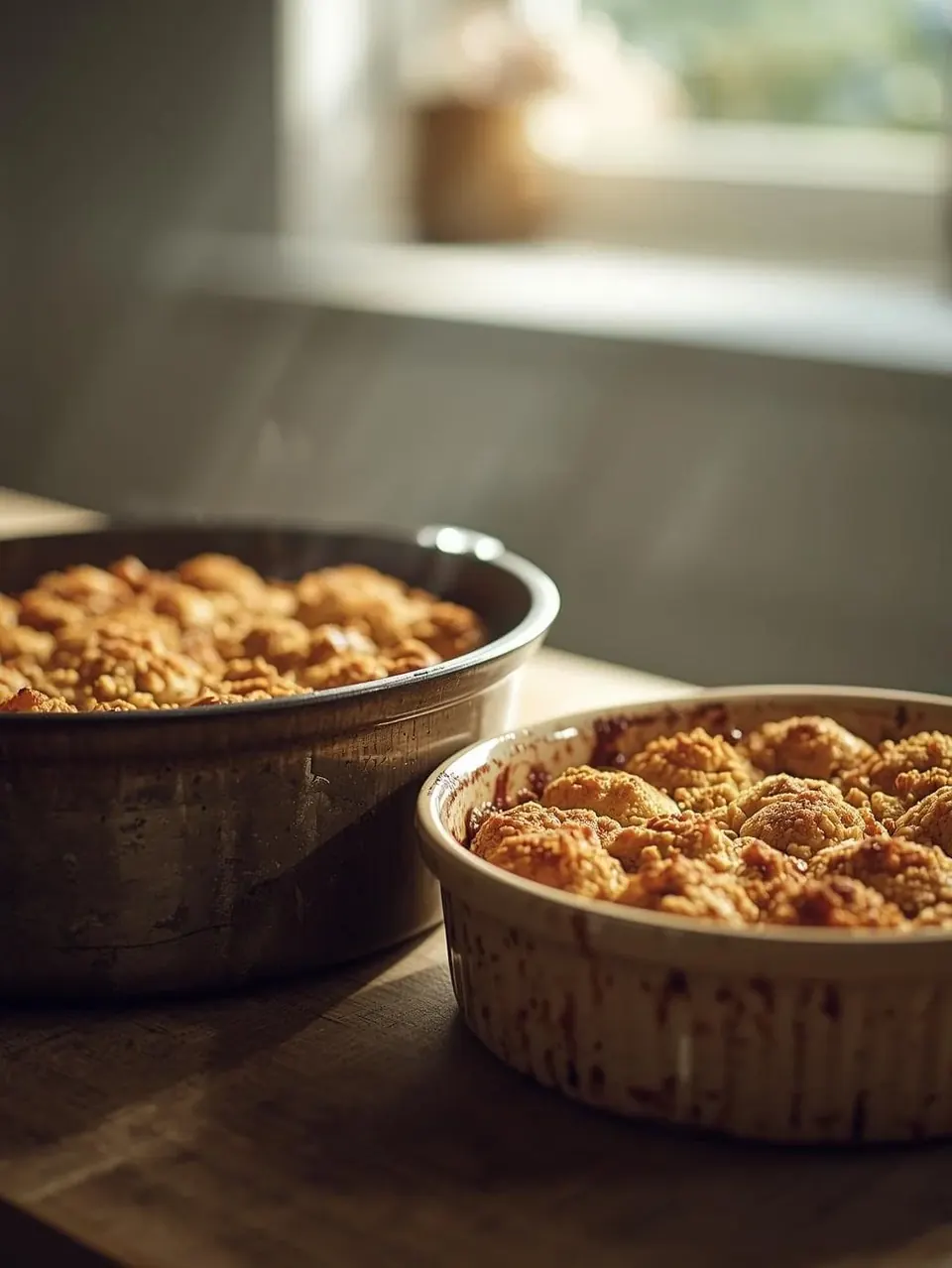
Taking care of bakeware properly makes a huge difference. Dishes can last decades—or chip in months—depending on how you treat them.
I've learned that stoneware needs less careful handling than delicate ceramic pieces. Both still need the right approach to stay beautiful.
Proper Cleaning Techniques
I always let my bakeware cool down completely before cleaning. That way, I avoid thermal shock and cracks.
For everyday cleaning, warm soapy water works just fine for both materials. I try to keep it simple.
For stoneware dishes, here’s what I do:
Soak stubborn food bits for 15-20 minutes
Use a plastic scraper for baked-on stuff
Scrub gently with a soft sponge
Most pieces go on the top rack of the dishwasher
For ceramic bakeware, I’m extra careful:
Only hand wash to avoid chipping
Never use abrasive cleaners or steel wool
Handle gently when wet—it gets slippery
Dry right away to avoid water spots
If either type has metallic accents, I skip the dishwasher. The harsh detergents can ruin the decorative finish.
Storage and Handling Tips
Smart storage saves bakeware from most damage. I stack my dishes with cloth napkins or paper plates between them to stop scratches.
My ceramic pieces get special treatment since they're more fragile. I keep them where I can grab them easily, so I'm not reaching over other dishes.
Never stack ceramic pieces directly. The weight can cause pressure cracks.
For stoneware, stacking is less risky, but I still use dividers. These dishes are heavy, so I keep them on lower shelves. That way, I’m less likely to drop them.
Temperature changes are the real enemy. I never put cold bakeware into a hot oven or set hot dishes on cold countertops.
Extending the Life of Your Bakeware
If you want bakeware to last, stick to gradual temperature changes and gentle handling. I try to preheat my oven with the bakeware inside when I can. It helps avoid sudden shocks.
My longevity tips:
Season stoneware lightly with oil before first use
Don’t expose dishes to extreme temperature swings
Replace any pieces with visible cracks right away
Use silicone or wooden utensils, not metal
My favorite stoneware casserole dish has lasted over 15 years because I follow these rules. Ceramic pieces need more babying, but good care keeps them beautiful for years.
Stoneware forgives mistakes better. If I bang it against the sink, it usually survives. Ceramic needs constant mindfulness, but the extra care feels worth it for special occasions.
Frequently Asked Questions
People ask me all the time about choosing between stoneware and ceramic bakeware. Honestly, I get why it’s confusing!
The main differences come down to firing temperatures, durability, and how each material handles heat.
What are the main differences between stoneware and ceramic bakeware when it comes to baking performance?
Stoneware is fired at much higher temperatures—about 2150°F to 2400°F. That makes it denser and gives it amazing heat retention.
When I bake with stoneware, it heats up slowly but holds warmth like a champ. My casseroles cook evenly and stay hot at the table.
Regular ceramic bakeware heats up faster but doesn’t keep the heat as long. It’s great for quick breads or muffins where you want the temperature to change quickly.
Can you tell me about the durability of stoneware compared to other ceramic bakeware?
The durability difference is huge! My stoneware dishes still look brand new after years of use and plenty of dishwasher cycles.
Stoneware’s non-porous structure makes it much more chip-resistant than regular ceramic. I’ve even knocked my stoneware casserole dish off the counter and it survived.
Regular ceramic can be pretty fragile. I’ve lost a few ceramic baking dishes to chips and cracks, honestly. Stoneware definitely wins for durability.
How do care and maintenance requirements differ for stoneware versus ceramic bakeware?
Stoneware makes cleanup easy. Food doesn’t stick as much, and stains just wipe right off.
I toss my stoneware in the dishwasher without worrying. It handles hot water and detergents like a pro.
Ceramic baking dishes need more careful cleaning and maintenance. Some ceramic pieces can absorb odors and stains, especially the lighter ones. I have to be gentle when scrubbing to avoid scratches.
Could you share any tips on how to choose between stoneware and ceramic bakeware for specific types of dishes?
I always grab stoneware for dishes that need long, slow cooking. Lasagna, casseroles, roasted veggies—anything that benefits from steady, even heat.
For delicate baking like soufflés or quick breads, I prefer ceramic because it responds faster to temperature changes. That gives me more control.
If you’re meal prepping or making dishes for potlucks, stoneware is your best friend. It keeps food warm longer and travels well.
What are the safety considerations when using stoneware as opposed to other types of ceramic bakeware?
Both are pretty safe, but there are a few things I keep in mind. Stoneware handles temperature shock better than regular ceramic, so I worry less about cracking when moving from oven to counter.
Some ceramic bakeware isn’t microwave or dishwasher safe. Always check the manufacturer’s instructions!
With stoneware, I can go from freezer to oven (with proper thawing) without stress. Regular ceramic can be more sensitive to big temperature changes.
Are there differences in the temperature tolerance between stoneware and ceramic bakeware that I should be aware of?
Absolutely! Stoneware can handle much higher temperatures because of how it's made.
I use mine at 450°F all the time, and some can even go higher. Regular ceramic bakeware usually tops out around 350-400°F.
I always check the manufacturer's recommendations. If you go over the limit, ceramic can crack or even shatter.
Stoneware gets fired at super high temps during manufacturing, so your oven doesn't really faze it. Honestly, I love the flexibility it gives me for baking and roasting.