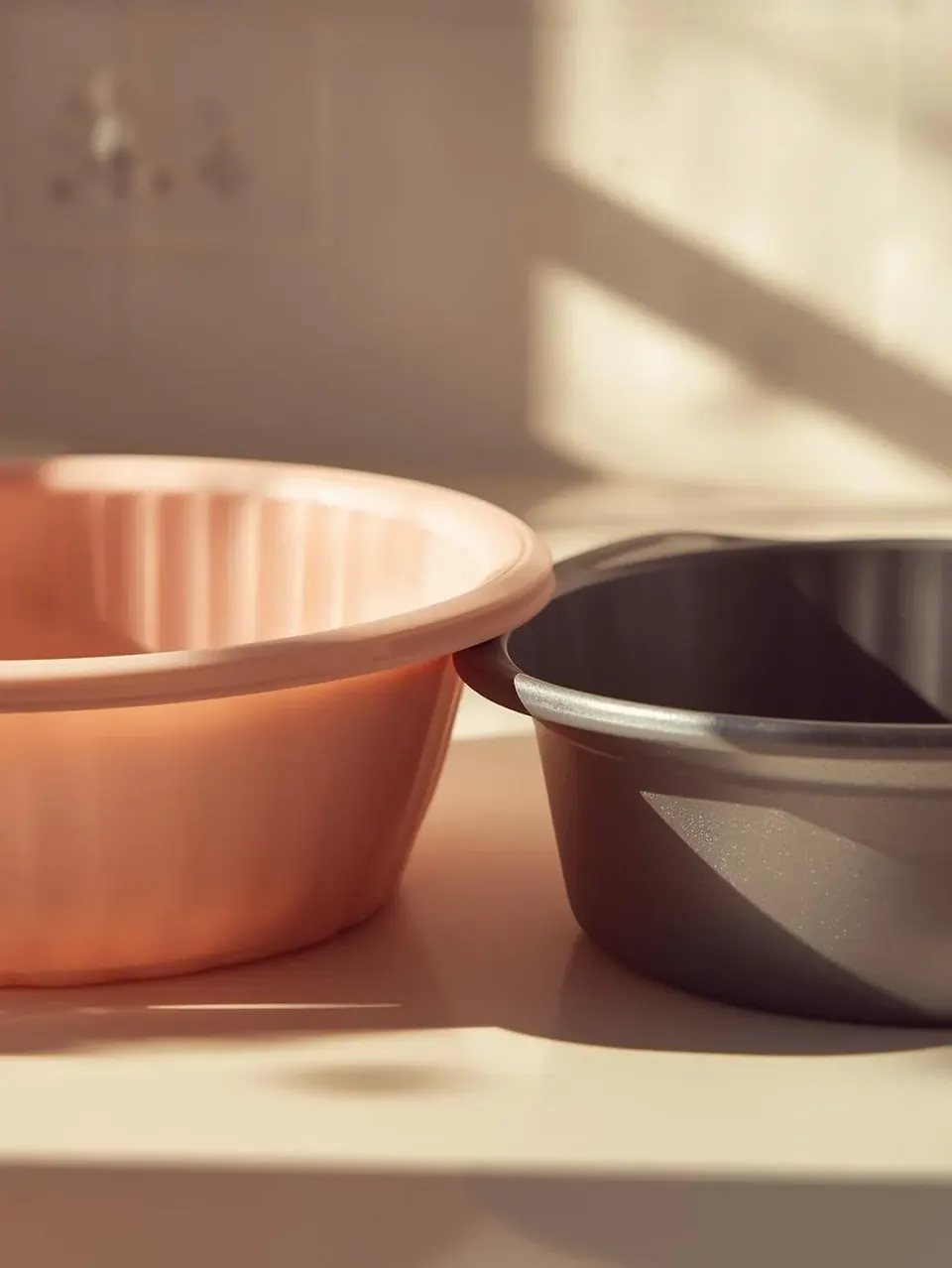
I've gone down the rabbit hole of bakeware debates more times than I care to admit. The silicone versus metal showdown is real!
After countless batches of cookies, cakes, and muffins, I've learned that the best choice between silicone and metal bakeware depends on your specific baking needs. There are some clear winners in different categories that might surprise you.
Metal bakeware usually gives you better browning and crispier crusts. Silicone is awesome for easy food release and storage.
I wish it were simpler, but both materials have their sweet spots. Picking the right one can make or break your baking game.
I'm going to walk you through what I've found about how these two materials handle heat. We'll look at which one actually lives up to its non-stick promises, and why your storage space might matter more than you think.
I'll even share some of my biggest baking fails. Sometimes metal wins, sometimes silicone saves the day—especially when a cake just refuses to come out.
Key Differences Between Silicone and Metal Bakeware
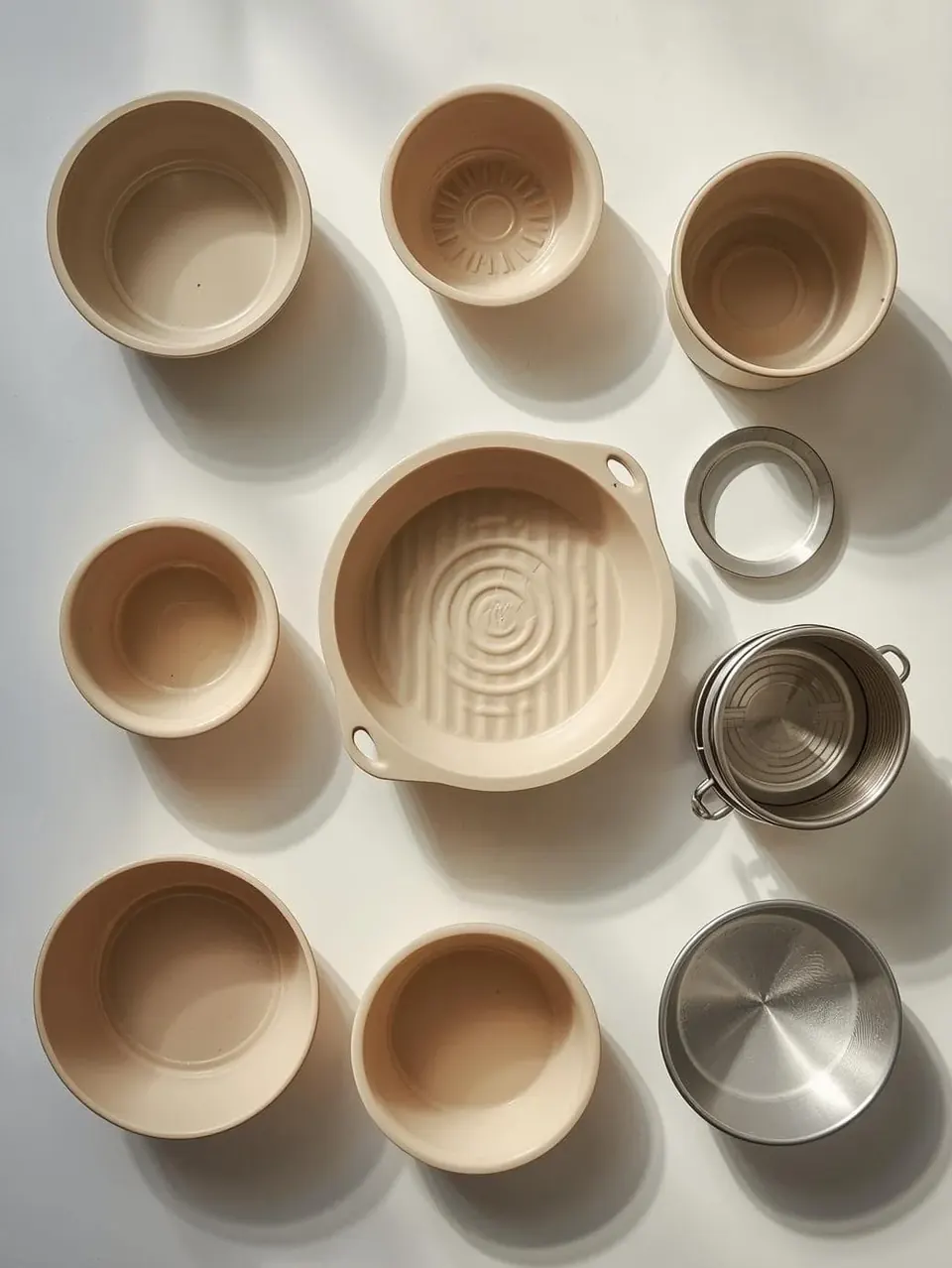
The choice between silicone and metal bakeware comes down to three main things: what they're made of, how you use them, and how they perform in the oven. Understanding these basics helps me choose the right pan for every baking project.
Material Composition and Design
Silicone bakeware is made from flexible, food-grade silicone rubber. It can handle extreme temperatures.

OXO Good Grips Non-Stick Pro Ceramic Coated Metal Bakeware 3-Piece Set
Shop at Amazon →I love how these pans bend and flex. It's super easy to pop out muffins or cakes without any sticking drama.
Metal bakeware is usually made from:
Aluminum (lightweight and affordable)
Stainless steel (durable but heavier)
Carbon steel (holds heat really well)
The rigid structure of metal pans makes them super durable. I've had the same aluminum cake pans for over a decade, and they're still in great shape.
Silicone's flexible material properties make it naturally non-stick. Metal pans usually need greasing or parchment paper.
When you hold them, the design differences are obvious. Silicone feels soft and bendy, while metal is solid and sturdy.
Popular Uses and Baking Applications
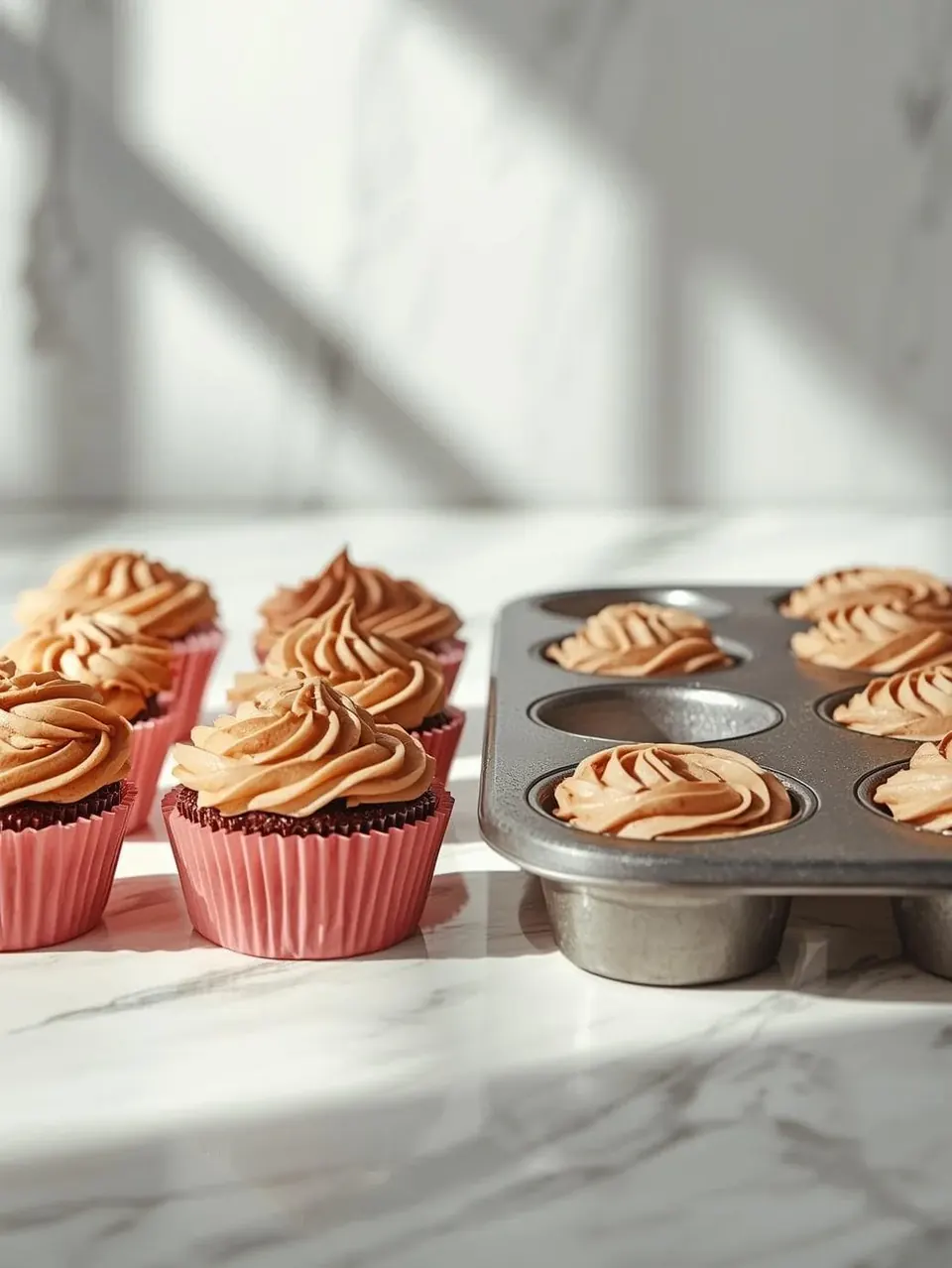
I grab silicone baking pans when I'm making:
Muffins and cupcakes
Individual desserts like mini cheesecakes
Ice cream or frozen treats
Chocolates and candies
Metal bakeware is my go-to for:
Layer cakes that need even browning
Cookies and sheet pan recipes
Bread loaves
Roasting vegetables
Silicone molds excel at flexibility and easy release. They're perfect for delicate items.
Metal pans shine when I want crispy edges or golden-brown crusts. The temperature range matters too.
Silicone can handle both freezer and oven temps. Metal is strictly for hot applications.
Performance Overview: What Sets Them Apart
Here's where it gets interesting. Heat conduction is the biggest performance difference I've noticed:
Feature Silicone Metal Heat conduction Slow, gentle Fast, even Browning Light Deep, golden Release Effortless Needs prep Cleanup Super easy More scrubbing
Metal bakeware produces superior browning and structure. I always use metal for cookies that need crispy edges.
Silicone takes longer to heat up, so baking times often increase by 5-10 minutes. The upside? I never worry about things sticking or breaking when I remove them.
Durability-wise, my metal pans have lasted for years with care. Silicone can tear if you're rough, but it bounces back from drops that would dent metal.
Heat Distribution and Baking Results
Metal pans conduct heat much faster than silicone. This gives you better browning and crispier crusts.
Silicone pans heat more slowly. You might need longer baking times to get similar results.
Heat Conductivity and Thermal Performance
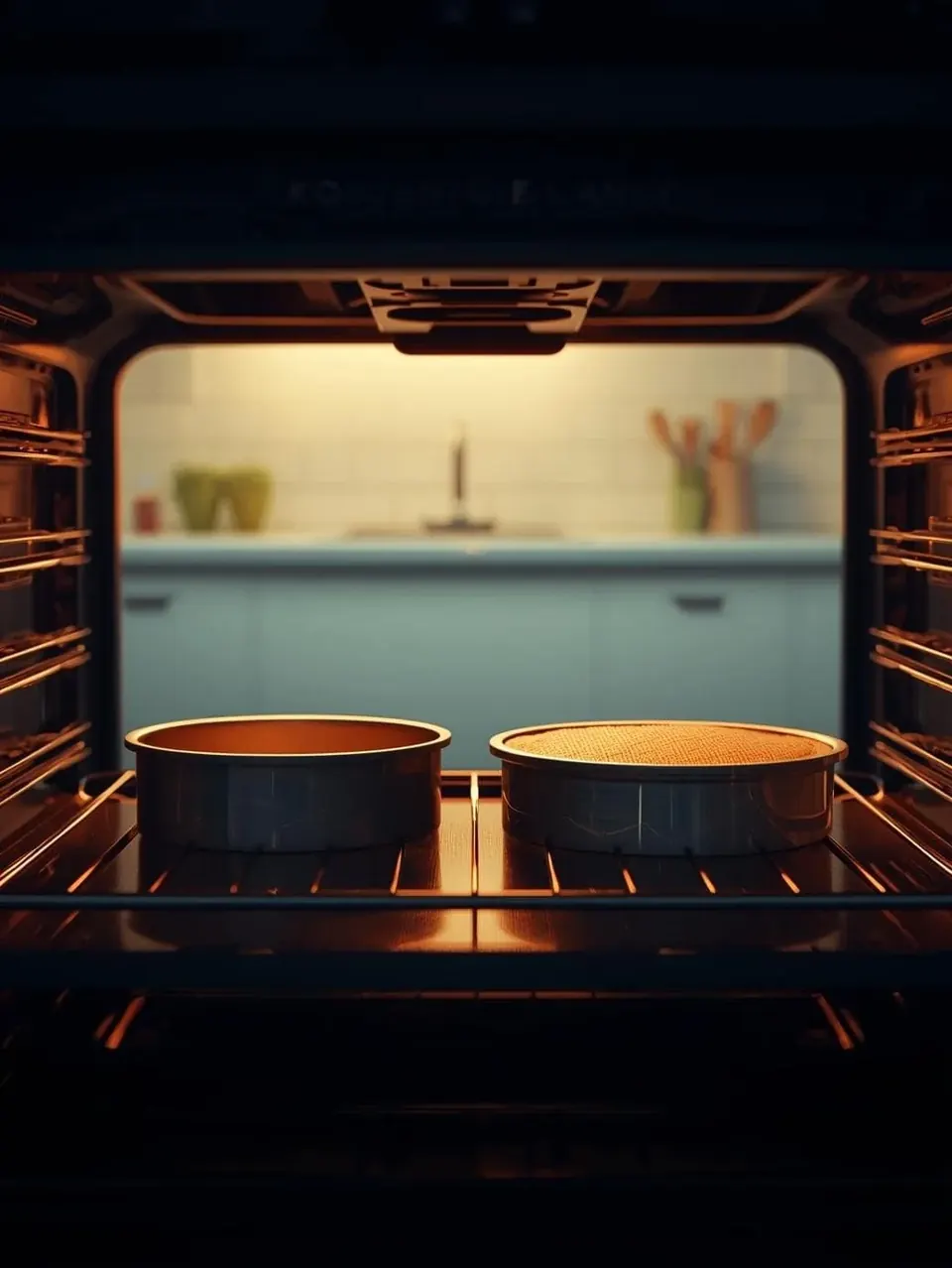
I've found that metal pans are absolute champions for heat conduction. Aluminum pans transfer heat quickly and efficiently.
My cookies start baking almost as soon as they hit that hot metal surface. Silicone pans work differently.
They're much slower to heat up, which can be frustrating when I'm eager to see results. Silicone pans heat slower and may cause uneven cooking, and I've definitely noticed this.
Metal conducts heat efficiently throughout the pan. Silicone acts more like an insulator, blocking some of the oven heat from reaching my batter.
This leads to very different baking experiences. My metal pans create hot spots that help with browning.
My silicone pans give gentler, more gradual heating. Sometimes that's good, sometimes not.
Impact on Even Browning and Crisp Crust
Metal pans really shine here. I get gorgeous golden-brown results every time with my aluminum pans.
The fast heat conduction creates those caramelized surfaces that make baked goods look pro. With silicone, I struggle to get that perfect browning.
My muffins come out pale, and my cookie bottoms stay soft. Metal bakeware excels at producing a beautiful, evenly browned crust, and that's exactly what I see in my kitchen.
Crispy crusts are nearly impossible with silicone. The slow heat transfer just doesn't create those crispy edges I love on brownies and cornbread.
Metal pans give me that satisfying crunch every time. For bread, this difference is huge.
My metal loaf pans create crusty exteriors that crackle when cooling. Silicone loaf pans produce softer, less defined crusts that lack that bakery look.
Baking Time and Temperature Adjustments
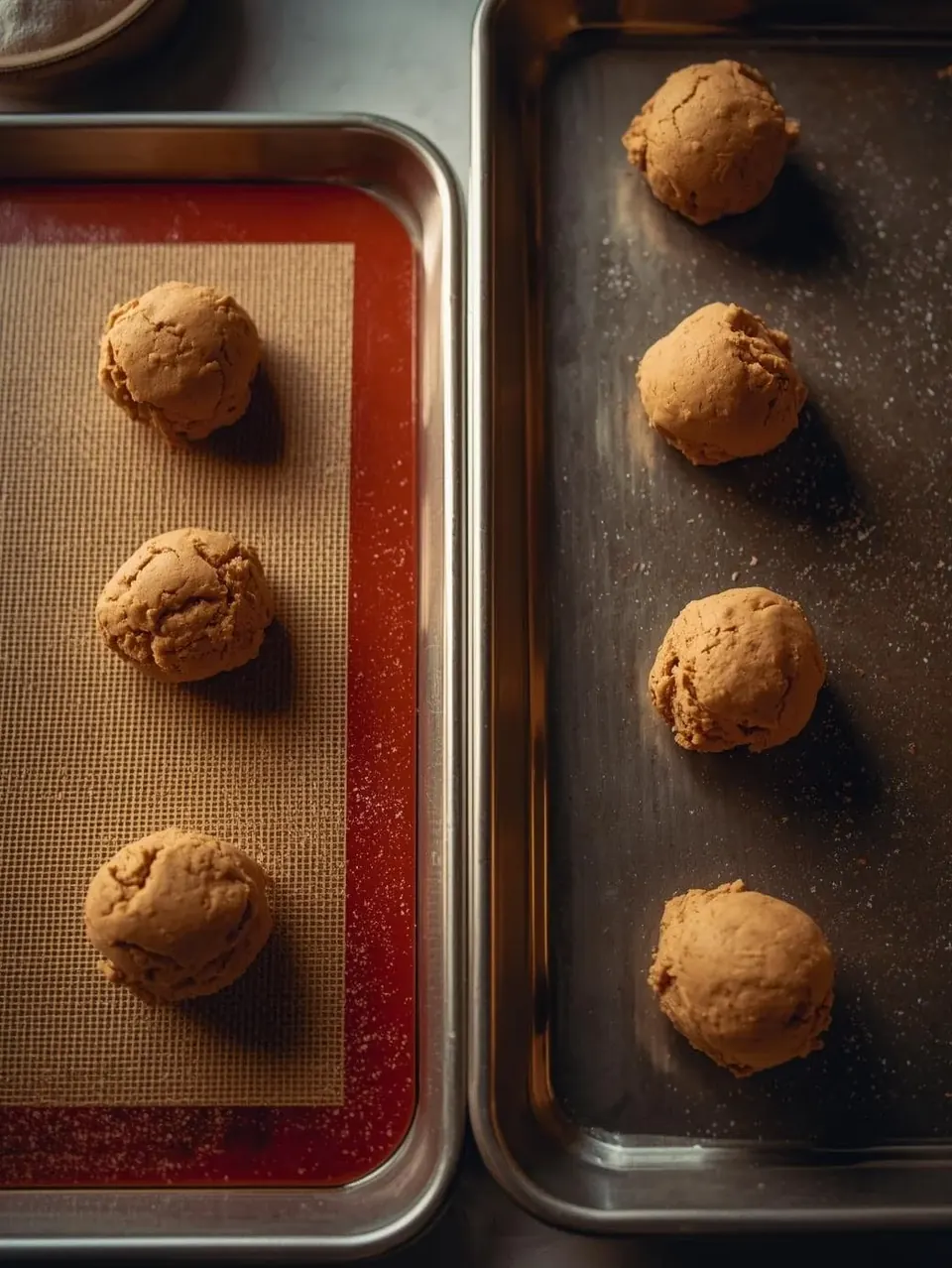
I've learned to adjust my baking depending on the pans. With silicone, I usually add 5-10 extra minutes to my baking time.
Some bakers report 15% longer bake times with silicone, which matches my experience. Temperature adjustments can be tricky.
Sometimes I bump up the heat by 25°F to help with browning. It helps a bit, though results still aren't the same as metal.
My metal pans are predictable. I follow recipe times and temps, and I get consistent results.
Testing for doneness becomes more important with silicone. Visual cues like browning aren't reliable, so I rely on toothpick tests and internal temperatures.
With metal pans, I can usually tell just by looking.
Non-Stick Properties and Ease of Release
The biggest difference I've noticed comes down to how easily baked goods pop out of the pan. Silicone wins for effortless release.
Metal pans rely on coatings or prep work to prevent sticking.
Built-In Non-Stick Qualities
Silicone bakeware spoils me with its natural non-stick surface. I never have to worry about greasing or flouring my silicone pans.
The flexible material naturally releases everything from delicate cakes to sticky brownies. The beauty of silicone's non-stick properties is in the material itself.
There's no special surface to scratch or wear away over time. I can use metal utensils without fear, though I usually stick to silicone or wooden tools.
Key benefits of silicone's non-stick surface:
No prep work needed
Won't scratch or peel
Works with any utensil type
Performance stays the same over time
The flexibility is huge too. When my muffins are done, I just give the pan a gentle twist and they pop right out.
Non-Stick Coatings in Metal Bakeware
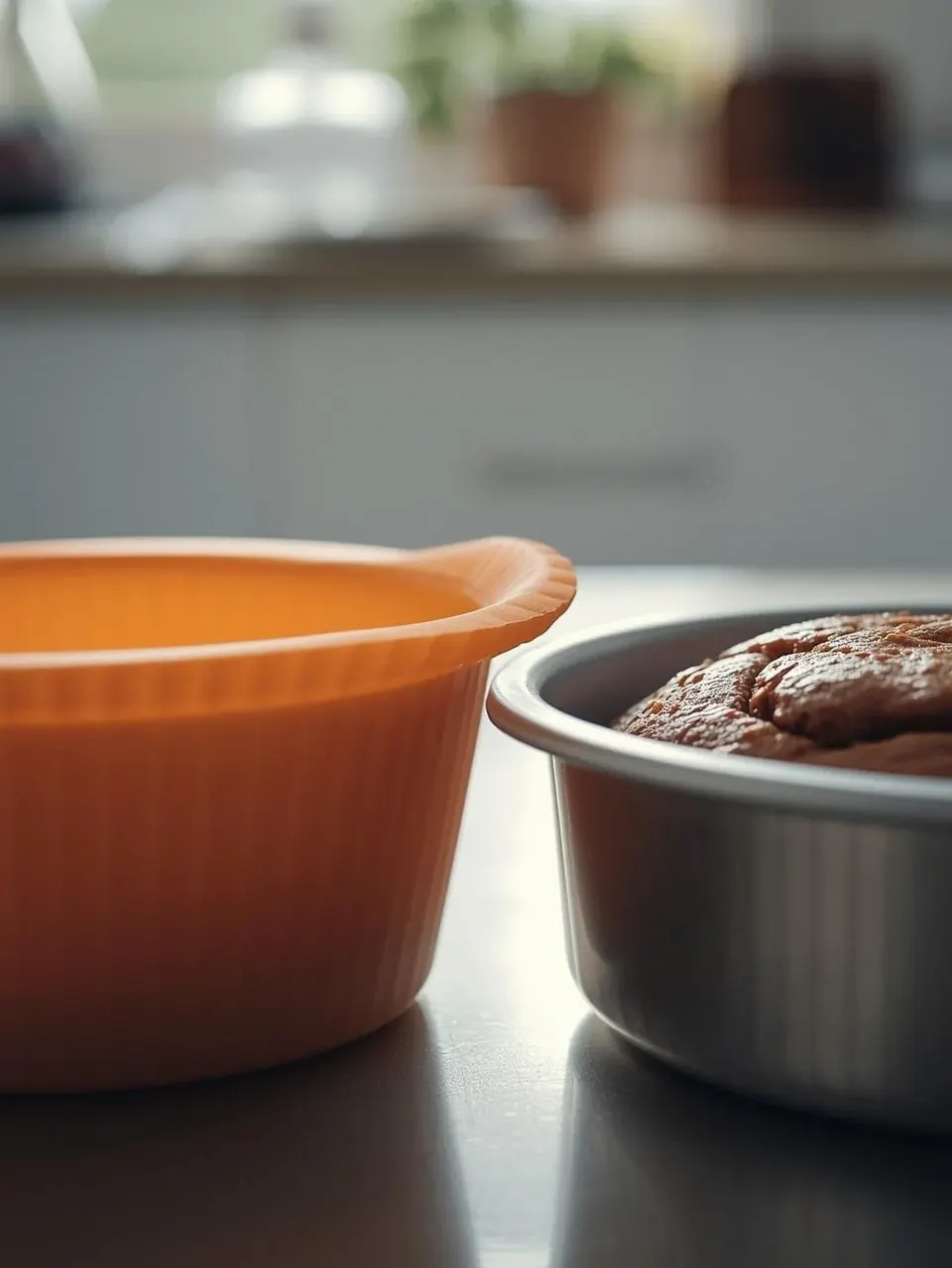
Metal bakeware takes a different approach. Most modern metal pans come with coatings like Teflon or ceramic.
These coatings work well when they're new, but they need more careful handling. Metal utensils are a no-go, and aggressive scrubbing can damage the coating.
Common metal bakeware coatings:
Teflon/PTFE: Most common, great release but scratches easily
Ceramic: More durable, handles higher heat
Anodized aluminum: Natural non-stick properties, very durable
Even the best coated metal pans eventually lose their non-stick magic. I've replaced several over the years when the coating started peeling or food began sticking.
Effortless Food Release and Cleanup
This is where the cake meets the pan! My experience with food release from silicone versus metal has been night and day.
With silicone, I turn the pan upside down and give it a gentle flex. Out comes my cake, perfectly intact every time.
No sticking, no torn edges, no frustrated sighs. Metal pans need more strategy.
Even with non-stick coatings, I still grease most of my metal pans just in case. Parchment paper is my best friend for delicate items.
Cleanup comparison:
Aspect Silicone Metal Soaking time Minimal Often needed Scrubbing required Light rinse Varies by coating Dishwasher safe Always Depends on coating Stubborn residue Rare Common over time
The cleaning factor alone makes me grab silicone when I'm baking something sticky or when I'm short on time.
Durability, Maintenance, and Longevity
Metal bakeware usually outlasts silicone by decades with proper care. Silicone offers easier maintenance but might need replacing sooner.
Both materials have their own care requirements.
Structural Integrity and Expected Lifespan
I've used my grandmother's metal cake pans for over 15 years, and they're still going strong! Metal baking pans can last for decades with proper care.
Metal bakeware resists warping, denting, and general wear. My aluminum sheet pans have survived countless cookie batches and still bake evenly.
Silicone bakeware typically lasts 3-5 years with regular use. The flexible material can develop tears or lose its non-stick properties.
I've noticed my silicone muffin cups start getting sticky after about 200 baking sessions.
The temperature resistance is also different:
Material Temperature Range Lifespan Metal Up to 500°F+ 20+ years Silicone -40°F to 450°F 3-5 years
Upkeep, Cleaning, and Maintenance Tips
Silicone wins the maintenance game! I toss my silicone pans right into the dishwasher.
Silicone maintenance is easy:
Dishwasher safe on any rack
No special cleaners needed
Won't scratch with metal utensils
Flexible design prevents stuck-on food
Metal maintenance needs more attention. Metal pans can scratch easily if you use metal utensils or scrub too hard.
I hand wash my metal pans with mild soap and soft sponges. I avoid harsh abrasives that can damage non-stick coatings.
For stubborn residue, I soak them in warm soapy water first. Sometimes I season my uncoated metal pans with a little oil to keep them non-stick.
No pan is perfect, but knowing what each material does best helps me bake with confidence.
Wear, Warping, and Long-Term Concerns
Metal bakeware ages in pretty obvious ways. I see warping and surface scratches, especially on my cheaper aluminum pans after a few years of high-heat baking.
Common metal issues:
Warping from sudden temperature changes
Surface scratches that mess with non-stick performance
Rust on carbon steel (rare if you take care of it)
Discoloration from high oven temps
Silicone concerns are more about the material breaking down over time. Some of my older silicone pans got sticky or picked up stains from bold spices like turmeric.
The flexibility of silicone is great for getting food out, but it can backfire. Small tears near the edges pop up after a couple years of regular use.
Versatility and Additional Bakeware Options
Whenever I'm trying to pick bakeware, I always think about how flexible it'll be in my kitchen and what kind of heat it can handle. Every material has its favorite recipes, and glass sometimes sneaks in as a nice middle-ground.
Temperature Resistance and Versatility
Silicone pans are champs with temperature swings. I can move them from my freezer (about -40°F) straight into a 450°F oven, and they don't complain. This comes in handy when I'm making frozen desserts or flipping between hot and cold recipes.
Aluminum pans handle even higher oven temps—some go past 500°F. But they're not freezer-friendly. I learned that the hard way by freezing cookie dough in a metal pan and then fighting to get it out.
Metal pans handle high temperatures better, which matters for pizza or bread that needs a blazing hot oven. When I want a crispy crust, metal is always my first pick.
Suitability for Different Recipes
Different recipes just work better with certain pans. Muffins and cupcakes pop right out of silicone molds, no sticking, no fuss.
But for crispy edges, aluminum wins every time:
Cookies: Metal gives those perfect crispy edges
Pizza crusts: Metal browns better
Bread loaves: Metal spreads heat evenly
Silicone is awesome for delicate bakes, like soft cakes, since it gives gentle, even heat. If I want a golden crust, though, metal is my go-to.
Glass as an Alternative: Pros and Cons
Glass baking dishes have become a bit of a secret weapon for me. They heat up slower than metal but hold onto warmth longer, which makes for nice, even baking.
The best part? I can see my food as it bakes. No more guessing if the bottom is done.
But glass can shatter if I change temps too fast, and recipes usually need the oven set 25°F lower than with metal pans. Glass has its perks as a middle ground.
Frequently Asked Questions
People ask me all the time if they should try those bright silicone pans or stick with classic metal. The big differences come down to how they heat, how brown your food gets, and how you use them.
What are the main differences between baking with silicone and metal pans?
The biggest thing I notice is heat. Metal pans heat up fast and bake things evenly, so my cookies and cakes turn out more predictably.
Silicone is way more flexible, and nothing sticks. I can turn my muffin pan inside out if I want! But it doesn't get as hot as metal, so baking takes longer.
Metal gives me those crispy brownie edges I crave. Silicone keeps things soft and tender.
How does the baking time vary between silicone and metal bakeware?
I usually tack on 5-10 minutes when I'm using silicone. Silicone bakeware may need extra time since it doesn't pass heat through as well as metal.
I don't change the oven temp, just keep an eye on things and poke them with a toothpick more often.
Thicker batters like muffins or quick breads take the most extra time in silicone. Thin cookies usually bake up fine without much change.
Can I achieve the same level of browning and crispness with silicone bakeware as with metal?
Honestly? Nope, and that's where metal shines. Silicone just doesn't get hot enough for real crispiness.
Pie crusts come out pale and soft in silicone. In metal, they get that golden color and crunch I'm after.
If you want crispy cookies or crunchy bread crust, stick with metal. Silicone is better for soft, tender bakes.
Is there any special care or maintenance needed for silicone bakeware?
Silicone is easy to clean, but I've picked up a few tricks. Some silicone bakeware can hold onto smells, so I wash mine right away with hot soapy water.
I toss silicone pans in the dishwasher, which is super handy. They're safe for the microwave and freezer too.
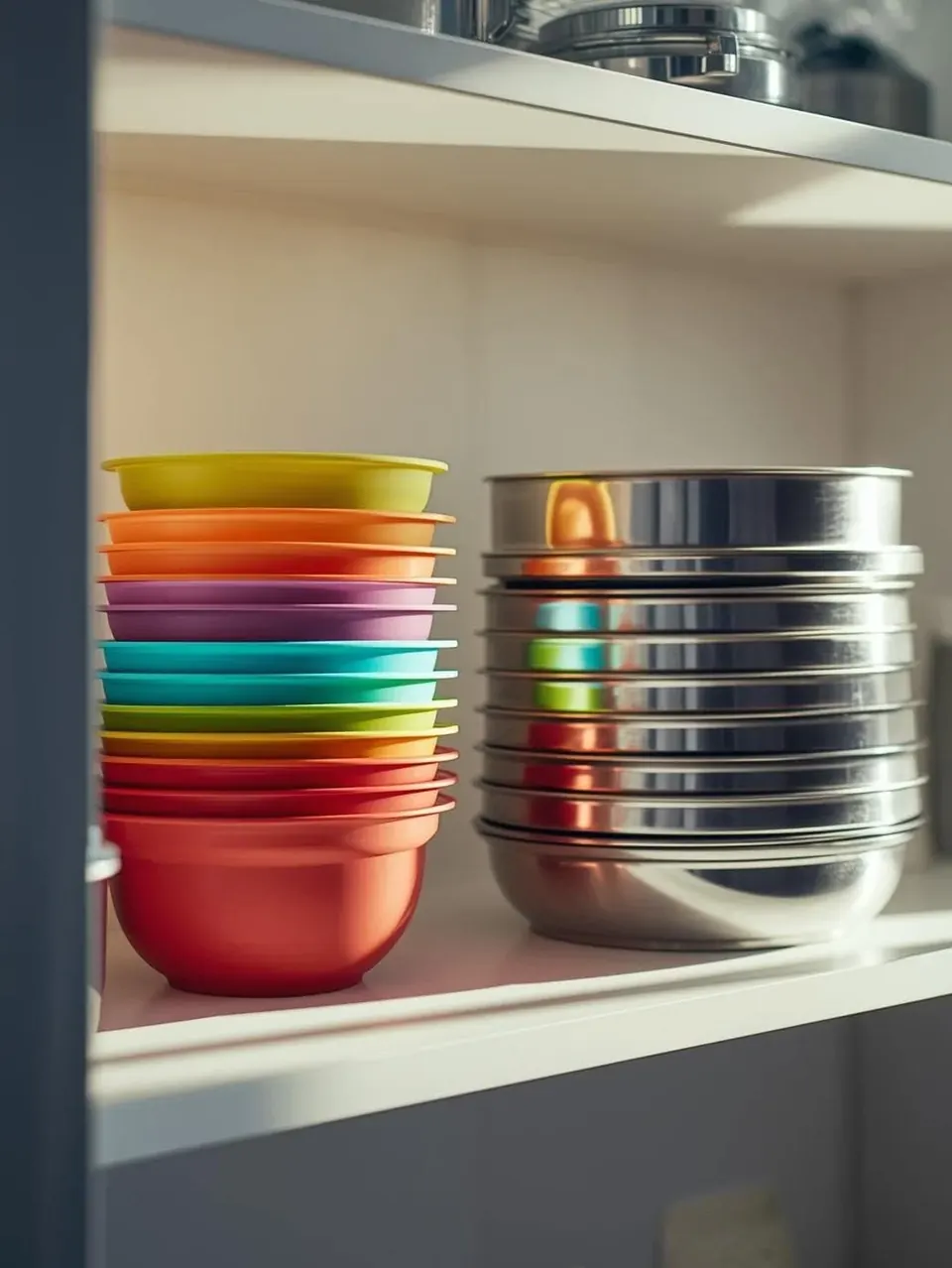
Storing them is a little annoying since they're floppy. I usually stack them inside my metal pans to keep my cabinets neat.
How does the durability of silicone bakeware compare to metal bakeware?
My metal pans have lasted for years, but they get scratched up and can rust if I don't dry them well. Good silicone pans are tough—they don't dent or scratch.
The only real problem is that cheap silicone can tear or get little cuts. Once that happens, they're done.
High-quality silicone bakeware costs more than basic metal, but if you buy good ones and treat them right, they'll last a long time.
Are there any types of recipes that work better with silicone instead of metal bakeware?
I really like silicone for delicate treats that tend to stick or fall apart in metal pans. Mini cheesecakes, gelatin molds, or cakes with fancy shapes just pop right out.
Silicone molds are awesome for their flexibility and easy release. I use them for chocolates, ice cream bars, and frozen desserts.
Muffins and cupcakes seem to come out perfectly in silicone. I don't have to worry about broken tops or scraping them out.
Sticky stuff like caramel or candy? Silicone makes cleanup way less of a hassle than metal pans ever could.