

When I first started baking, I honestly thought all baking dishes were pretty much the same. Turns out, I couldn’t have been more wrong!
Choosing between ceramic and glass bakeware can totally change how your recipes turn out. After years of trying both, I’ve noticed some big differences.
Glass bakeware heats up quickly and lets you watch your food cook. Ceramic, on the other hand, holds heat longer and gives you that awesome browning on heartier dishes.
I use glass for delicate stuff like custards and banana bread. But if I want a crispy edge on my brownies or a bubbling casserole, ceramic is my favorite.
Most home bakers don’t realize how much these materials affect cooking times and even cleanup. I’ll walk you through what I’ve learned about heat retention, durability, and which one actually works better for different bakes.
Core Differences Between Ceramic and Glass Bakeware
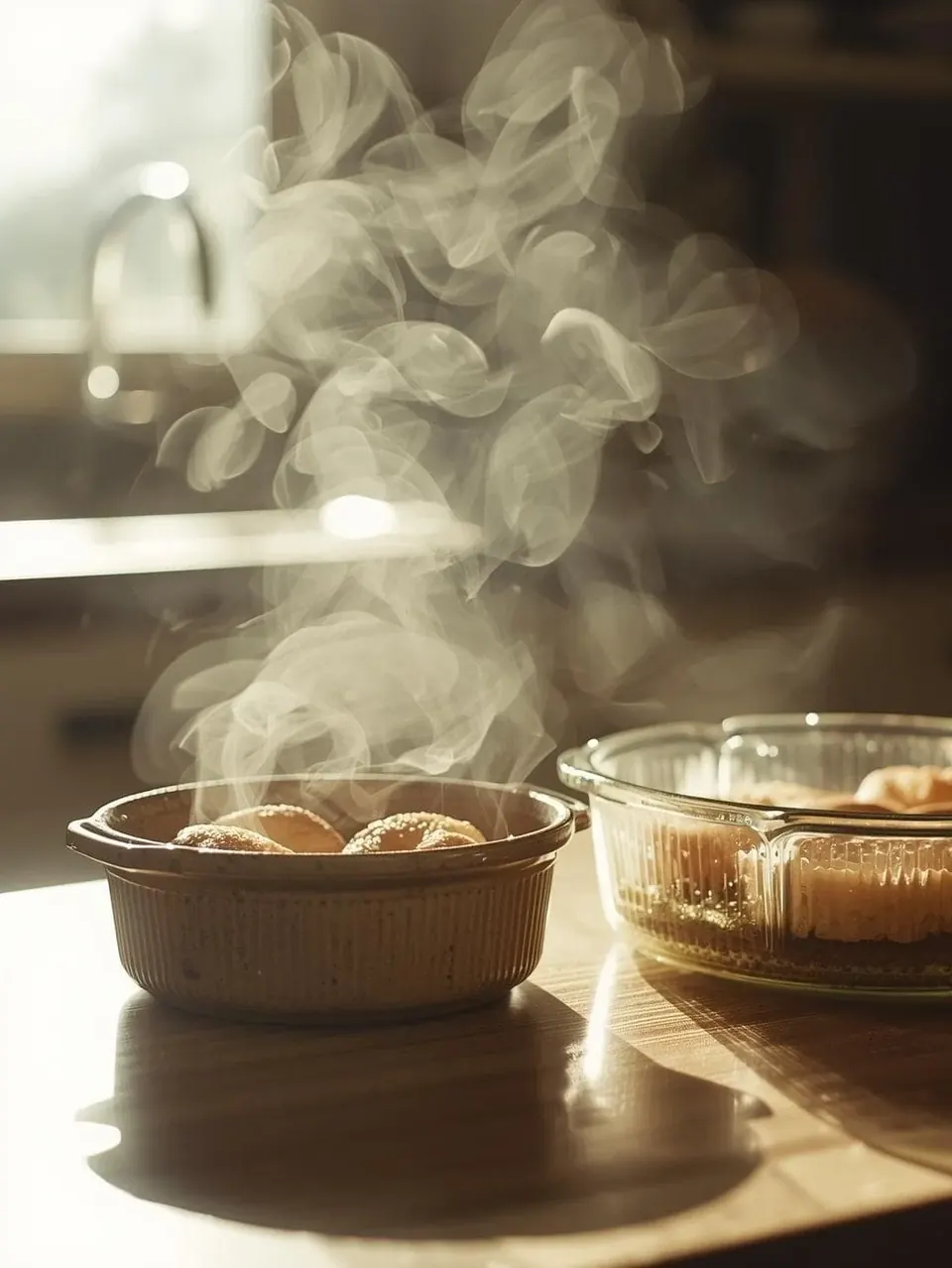
When I’m staring at my glass casserole dish and my ceramic pan, I’m really picking between two totally different vibes. Each one’s got its own strengths.
The main differences are what they’re made of, how they handle acidic foods, and whether you can actually see your lasagna bubbling.
Material Composition and Design
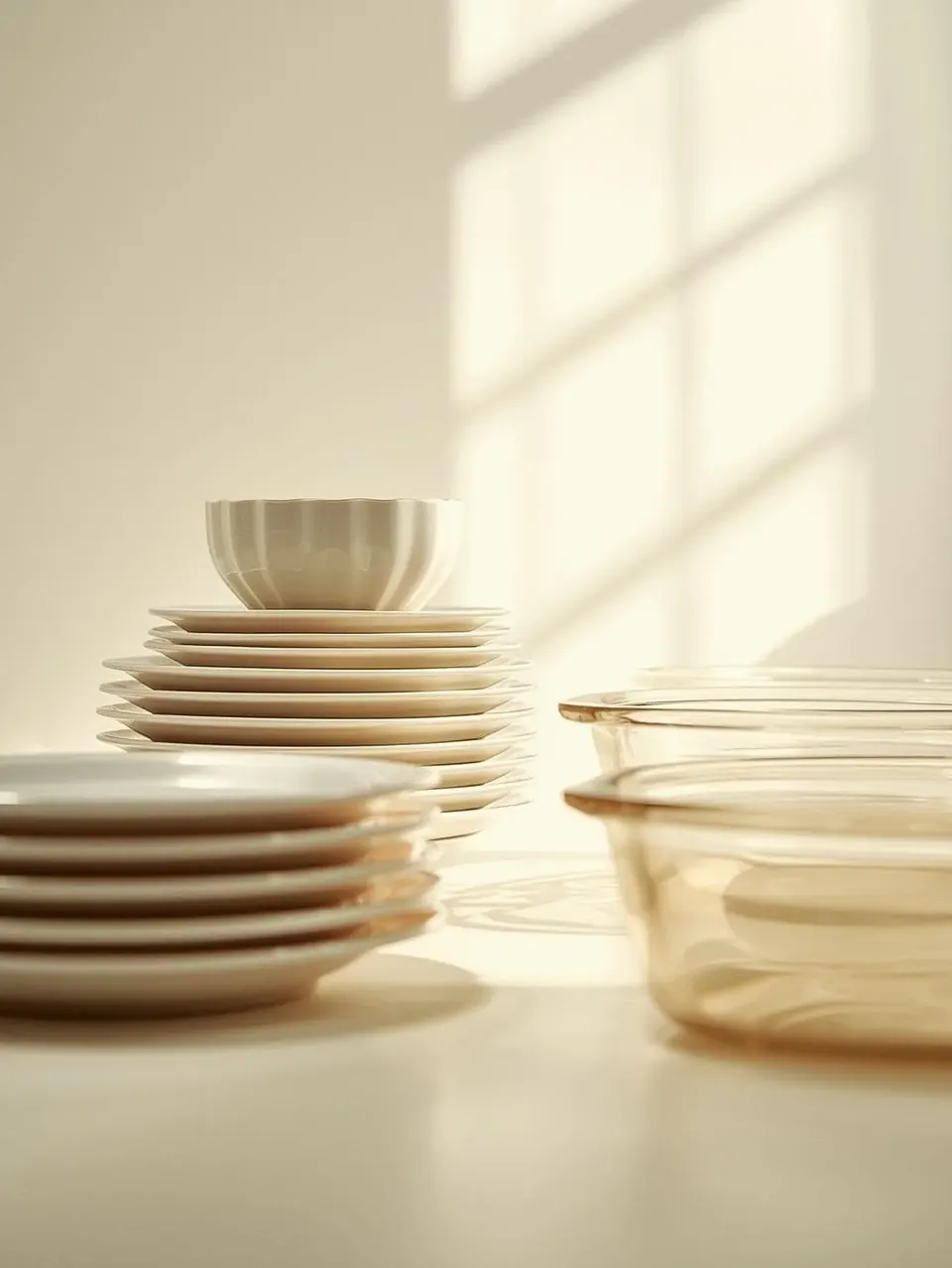
Glass bakeware is made from heat-resistant glass like borosilicate or tempered glass.
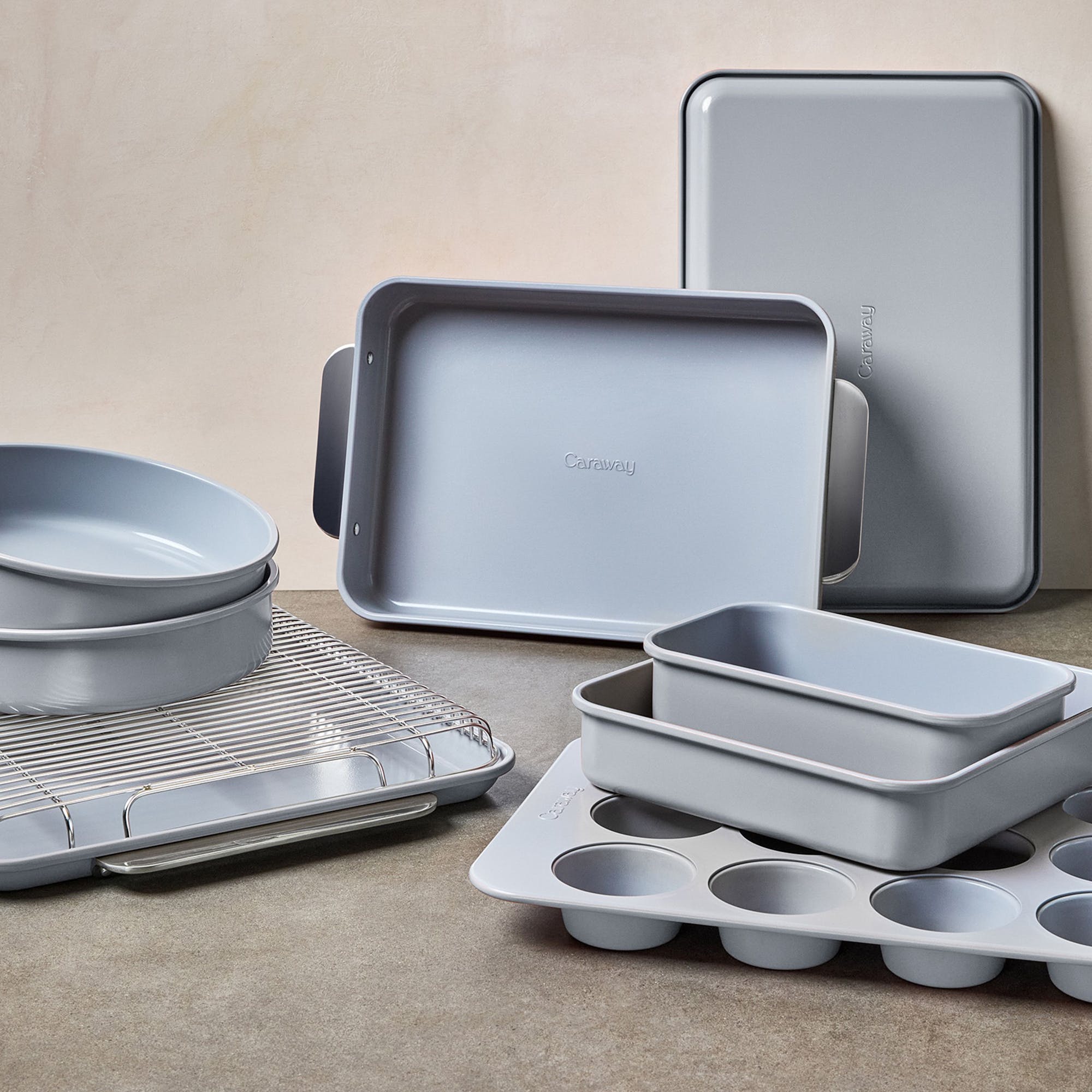
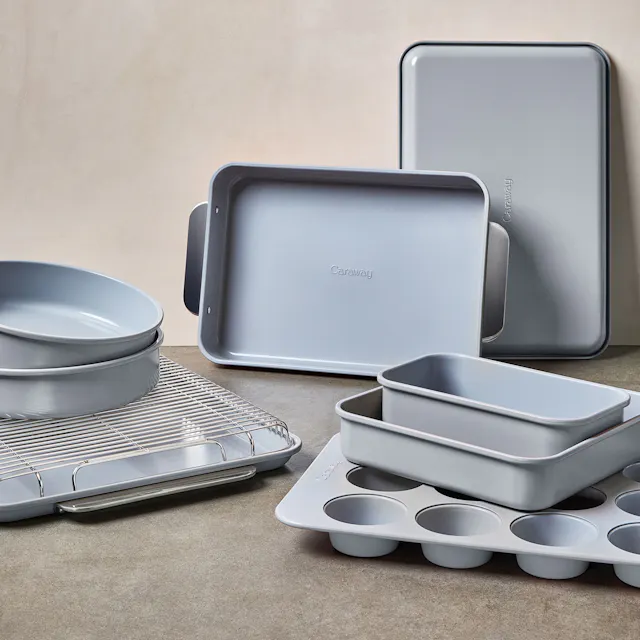
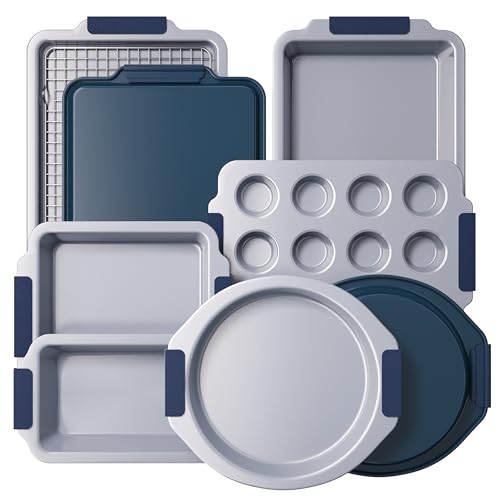
Caraway Nonstick Ceramic Bakeware Set
Shop at Caraway Home →Also at AmazonI love how glass baking dishes offer excellent heat distribution. The heat spreads evenly, so nothing gets overcooked in the corners.
Ceramic bakeware comes from clay fired at super high temps. It feels totally different from glass—more solid, almost old-school.
Here’s what stands out to me:
Glass: Smooth, non-porous, and cool to touch.
Ceramic: Slightly textured and feels warmer.
Thickness: Ceramic dishes are usually thicker and heavier.
Edges: Glass has sharp, clean edges, while ceramic feels rounder.
Ceramic sometimes has tiny air bubbles or little imperfections. Glass is smoother and more uniform.
Non-Reactive Properties
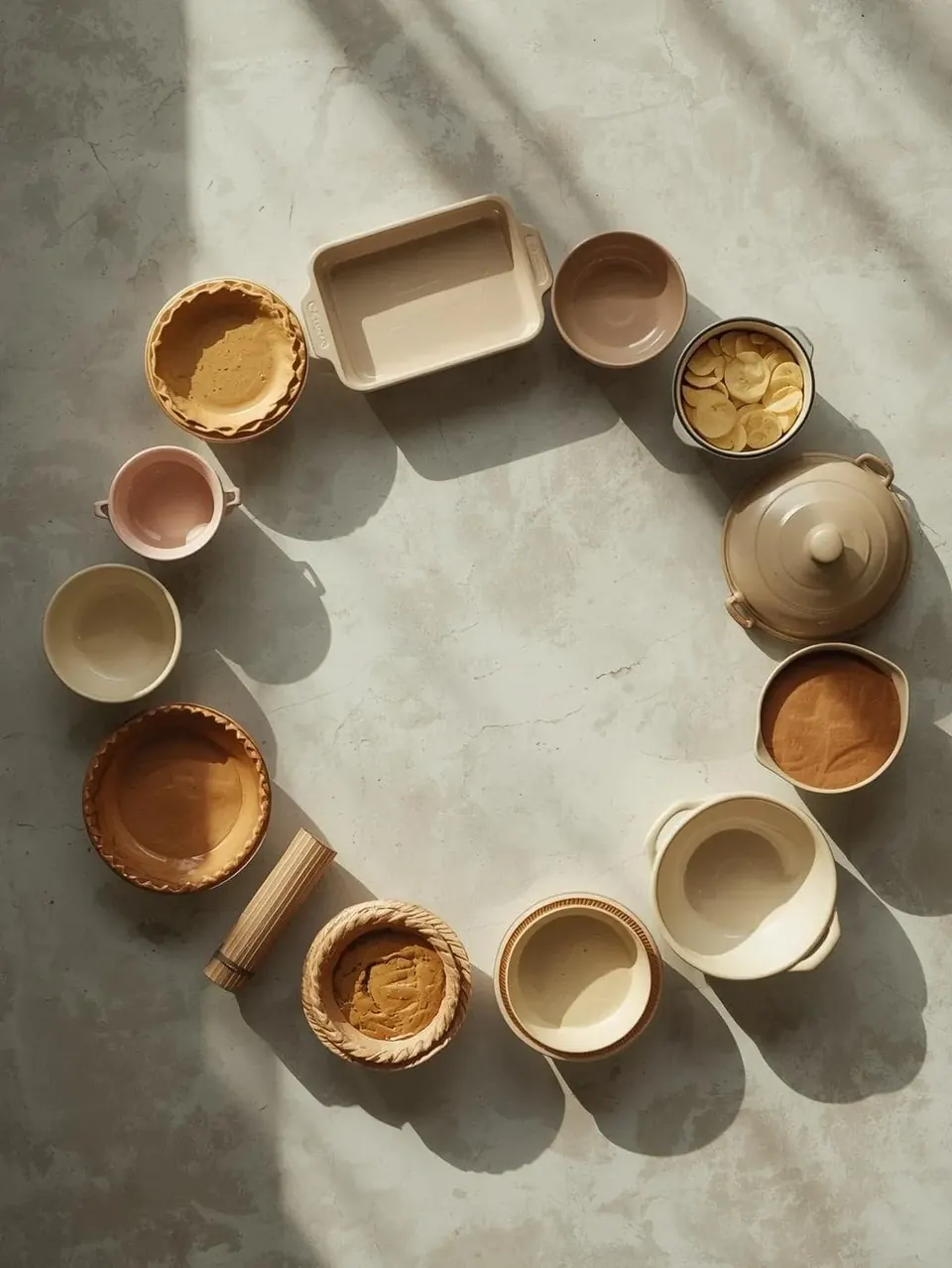
Both glass and ceramic are awesome because they don’t react with your food.
Glass bakeware stays totally neutral. Acidic stuff like tomato sauce never leaves a weird taste.
Ceramic bakeware also resists reactions, but only if it’s glazed. Unglazed ceramic might soak up flavors or liquids over time.
Some perks I’ve noticed:
No weird metallic aftertaste.
Safe for storing leftovers right in the dish.
Won’t leach chemicals into your food.
Cleanup is easy and no lingering smells.
I use both for marinating or storing saucy dishes. No worries about flavor transfer.
Visual Transparency and Aesthetics
This part’s kind of personal for me.
Glass baking dishes let me peek at my food while it cooks. I can check if my cornbread is golden without opening the oven.
Ceramic baking pans are just pretty. They come in all sorts of colors and look great on the table.
Visual advantages:
Glass Ceramic See-through monitoring Decorative colors Check doneness easily Beautiful serving pieces Monitor browning Matches kitchen decor Clear liquid levels Hides food stains
Glass is perfect for casseroles when I want to see the bubbling. Ceramic makes my table look fancy, which is nice when friends come over.
Heat Distribution, Retention, and Conductivity
How your bakeware handles heat can totally change your cooking. Glass heats up slow but spreads heat evenly. Ceramic holds onto heat long after you take it out of the oven.
How Heat Distribution Impacts Baking
Heat distribution is everything for casseroles and desserts. Glass dishes are my pick for even cooking because they distribute heat evenly.
Glass heats up slowly, but once it’s hot, it keeps everything steady. Plus, I can watch my food through the side.
Ceramic heats up faster across the surface. But you can’t peek inside—so sometimes it’s a guessing game.
My baking tip: Use glass for custards and egg dishes. The gentle heat keeps things from curdling.
Heat Retention for Serving and Cooking
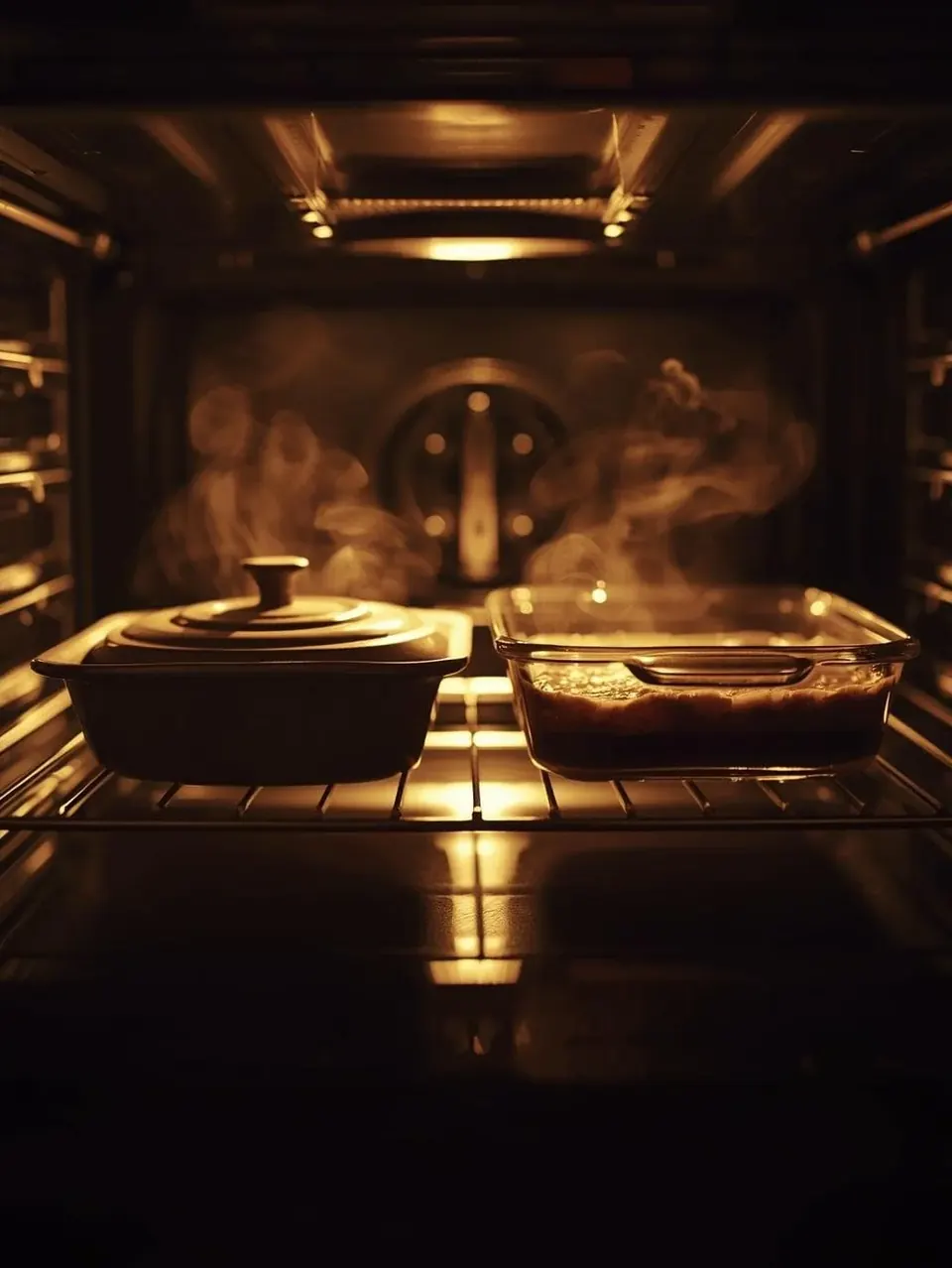
Ceramic’s superpower is heat retention. These dishes keep food warm for ages after you pull them out.
If I’m hosting, I always grab ceramic. My potato gratin stays hot even after everyone’s gone back for seconds.
Glass holds heat better than metal, but food cools down faster than in ceramic.
Thermal Conductivity and Cooking Times
Thermal conductivity is just a fancy way of saying how fast your food cooks.
Glass heats up slowly and transfers heat gently. Ceramic’s somewhere in the middle—not as fast as metal, but quicker than glass.
My kitchen hack: If I switch from metal to glass, I add 5-10 minutes to the bake time. The slow, steady heat is worth it.
Preventing Thermal Shock
Nothing ruins my day like a cracked dish. Thermal shock can break both glass and ceramic if you change temperatures too quickly.
To avoid it, I never go straight from fridge to oven or oven to cold counter. Letting things reach room temp helps.
Glass-ceramic cookware handles thermal shock better, but it costs more. I treat both glass and ceramic gently—no cold water on hot dishes!
Pro tip: Cool your dishes slowly. I set mine on a wooden board or towel, not straight on a cold counter.
Durability and Everyday Use
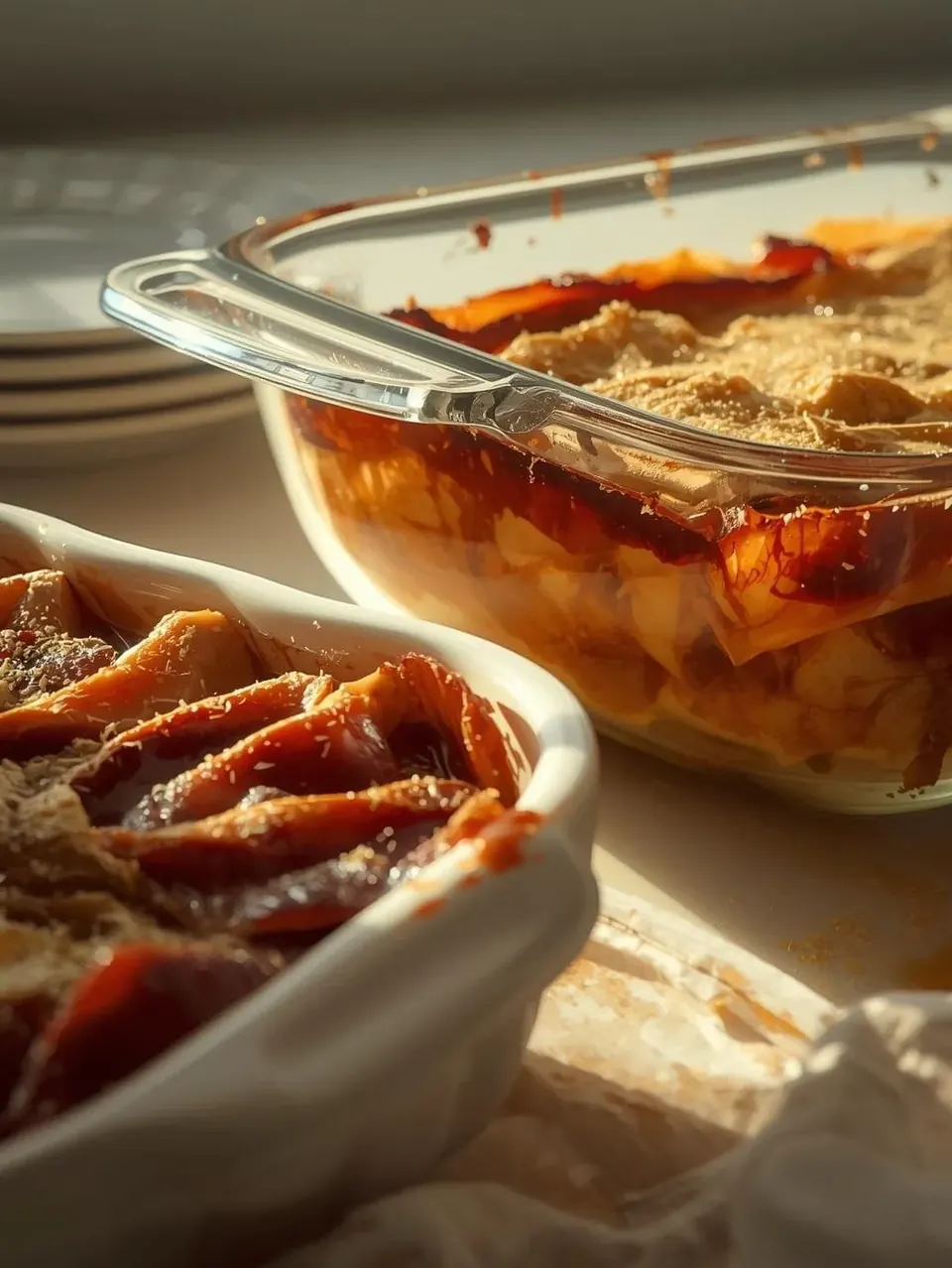
When I buy bakeware, I want it to survive my clumsy days and busy weeks.
Ceramic is tough. Glass is more delicate, but it’s got its own perks for daily use.
Resistance to Cracking and Chipping
Not all bakeware can handle my kitchen chaos! Ceramic is more durable than glass and can take higher heat.
My ceramic dishes have survived drops and bumps. Ceramic resists scratches and chips, so I don’t stress about using metal utensils.
Glass isn’t as fragile as fine china, but it needs careful handling to avoid chips and cracks. I’ve chipped a glass pan just by stacking it wrong.
Ceramic handles temperature changes better than glass. I can move it from oven to counter without worrying, but I’m more careful with glass.
Frequency of Use and Longevity
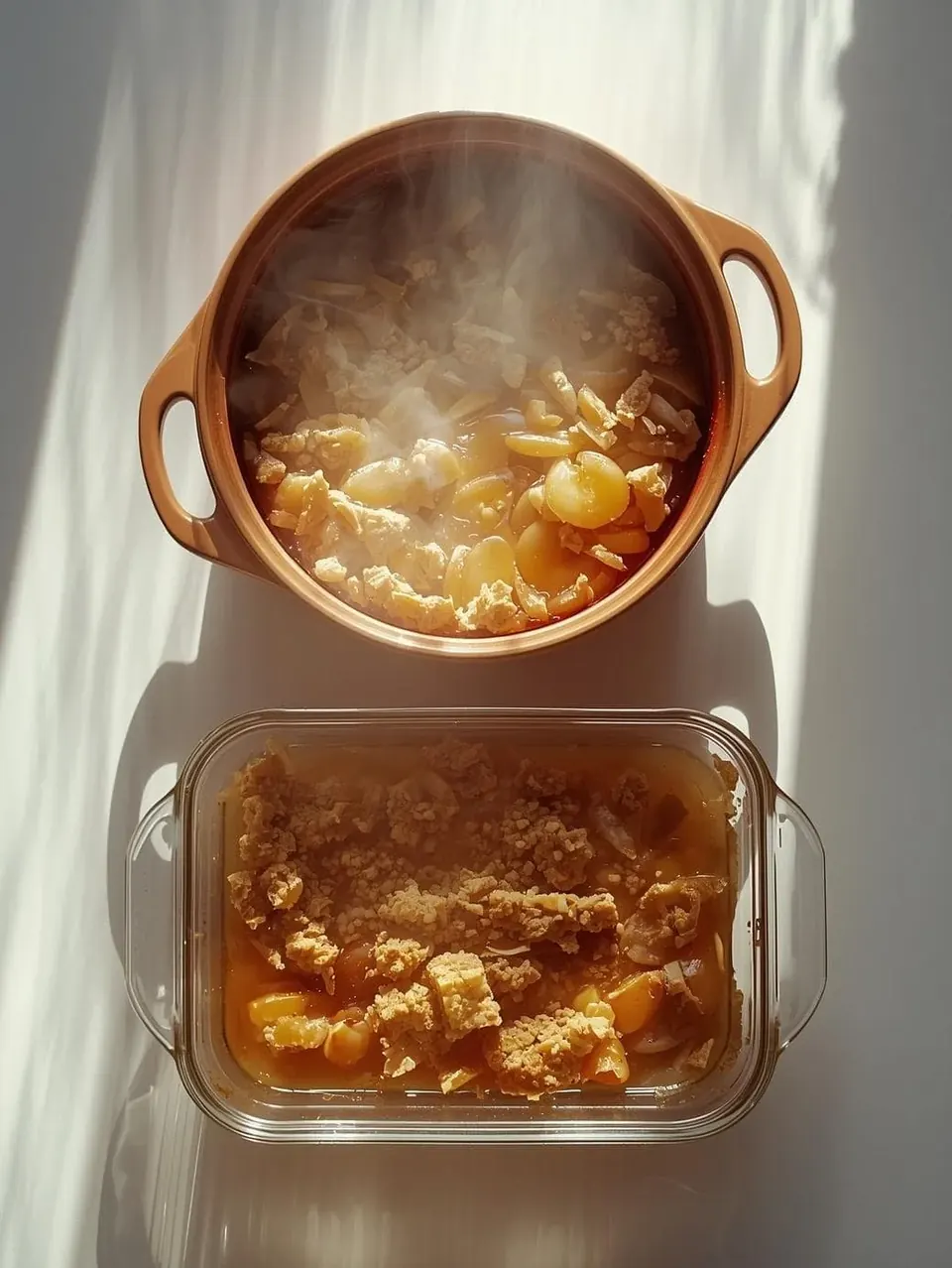
My ceramic dishes are the workhorses in my kitchen. With care, ceramic lasts for years and still looks good.
I use ceramic for meal prep and holiday cooking. They’re sturdy, so I don’t baby them.
Glass bakeware lasts too if you treat it right. I use glass for gentle bakes or when I need to watch browning.
Ceramic forgives accidents better. When I’m juggling a bunch of dishes, I don’t stress as much with ceramic.
Care and Maintenance
Both materials are easy to clean. No special cleaners needed—just dish soap and water.
Ceramic resists scratches and stains, so I can scrub away cheese or sauce. Most ceramic pieces are dishwasher-safe, which is a lifesaver.
Glass is easy to clean too, but I’m gentler. I skip abrasive sponges and avoid sudden temp changes.
Storage is where I notice a difference. Ceramic dishes stack easily. I put paper towels between glass ones to stop scratches.
Both need proper care to last, but it’s nothing complicated.
Baking Performance in the Kitchen
The real test is how these dishes perform with actual recipes. Ceramic is great for hearty dishes needing steady heat. Glass is better when you want to watch for browning.
Suitability for Different Baked Goods
When I’m picking between ceramic and glass, it depends on what I’m making.
Ceramic baking dishes are my favorite for things that need to stay hot—casseroles, lasagna, bread pudding. The heat hangs around, so everything stays warm.
Glass is awesome for lighter bakes. Brownies, bars, and coffee cakes turn out great because I can see the edges and know when they’re done.
For roasted veggies, I grab ceramic. The heat retention keeps everything hot, and my guests always notice.
Glass cookware offers non-reactive surfaces, so it’s perfect for delicate pastries where flavor matters.
Comparing Pie Dishes and Pie Crust Results
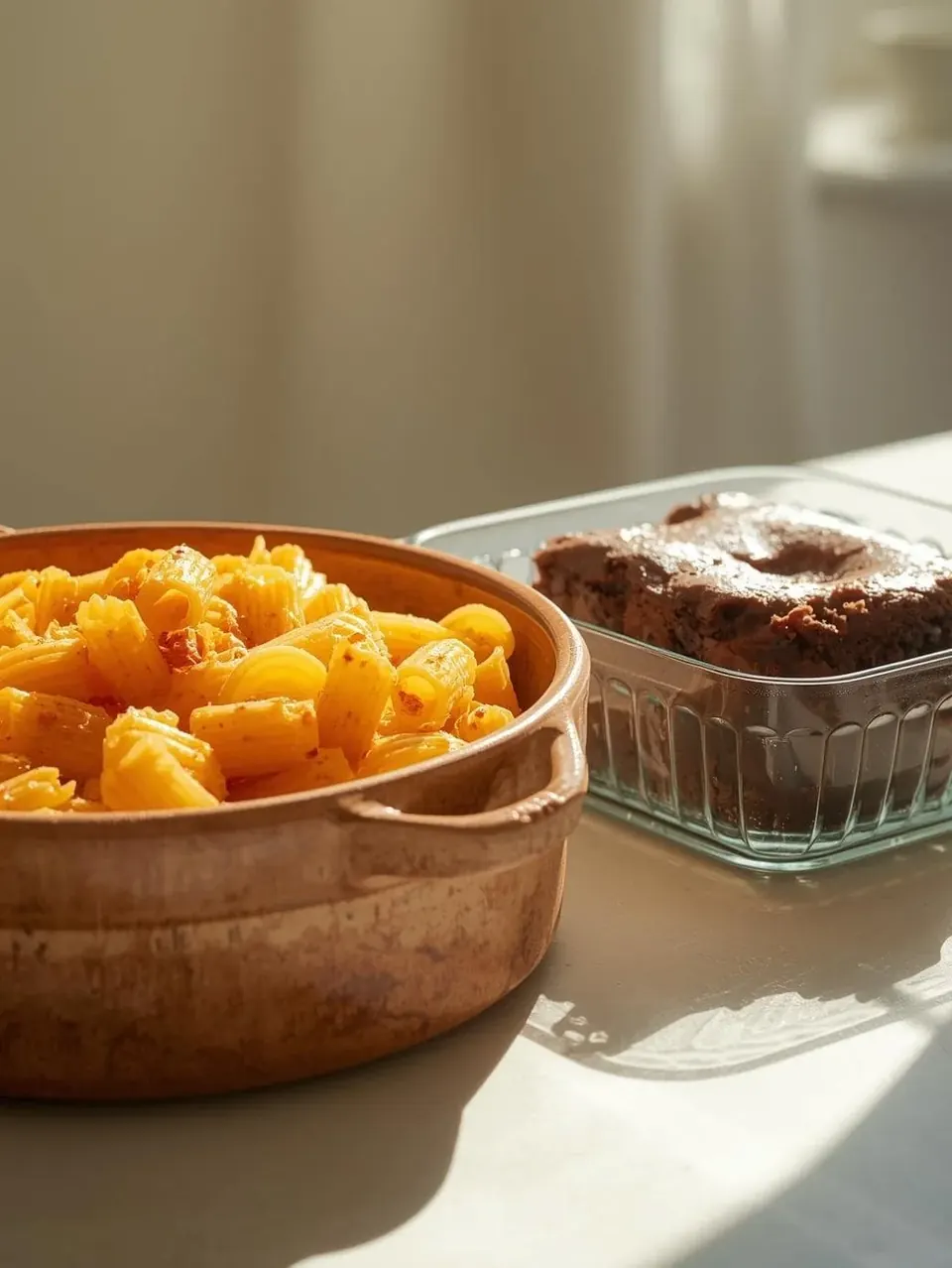
Pie dishes are a whole thing on their own.
Glass pie dishes let me see the pie crust as it bakes. I can spot when the bottom turns golden—no more soggy bottoms. I also watch the fruit filling bubble up at the edges.
Ceramic pie dishes give more even browning. The crust looks gorgeous and bakery-style. But sometimes the crust is a bit thicker, since ceramic heats up slower at first.
For beginners, I’d say start with glass. Being able to see your crust makes baking less stressful. When you’re ready for a fancier look, ceramic gives that professional finish.
Baking Performance with Acidic Foods
This is where both materials really shine compared to metal options. Acidic foods like tomato-based casseroles, citrus desserts, and berry cobblers won't react with either ceramic or glass surfaces.
I've noticed my lemon bars taste brighter in glass dishes. There's zero metallic interference with those tart flavors.
The same goes for my blueberry crumble. Every berry's natural acidity comes through perfectly.
Ceramic and glass provide non-reactive surfaces that preserve the true taste of your ingredients. My marinara-based baked ziti tastes exactly as it should—rich and tomatoey without any weird aftertaste.
Both materials clean up beautifully after acidic foods. I never worry about staining or lingering flavors affecting my next recipe.
Versatility and Range of Applications
Both materials shine in different cooking scenarios. Glass offers transparency for monitoring, while ceramic excels in heat retention.
Each has distinct advantages when it comes to microwave safety and cooking methods.
From Roasting to Steaming
I've found that glass baking dishes are absolute champions when it comes to versatility. You can literally watch your food cook through the clear walls—no more guessing if those veggies are perfectly roasted!
Glass works beautifully for roasting meats, baking casseroles, and even steaming vegetables when covered. I love how glass baking dishes can be used for roasting, baking, and microwaving—it's like having multiple tools in one.
Ceramic baking dishes, on the other hand, are my go-to for slow-cooked dishes and anything needing steady, even heat. They're fantastic for braising, baking bread, and creating those gratins with perfectly browned tops.
The heat retention means your food stays warm longer at the dinner table. However, ceramic can be trickier for steaming since you can't see what's happening inside.
It's also heavier, which makes it less ideal for delicate items that need frequent checking.
Use in Microwaves and Ovens
Here's where things get interesting! Glass is the clear winner for microwave use.
I can reheat leftovers, defrost ingredients, and even cook simple dishes without switching containers. Most ceramic dishes aren't microwave-safe, which can be frustrating when you want to quickly warm up that leftover lasagna.
Both materials handle oven temperatures beautifully. Still, you'll want to avoid sudden temperature changes with both types of baking pan to prevent cracking.
Aesthetics and Table Presentation
Let me be honest—ceramic bakeware absolutely wins the beauty contest in my kitchen! I love how my ceramic dishes transition seamlessly from oven to table without making me feel like I'm serving dinner in lab equipment.
Ceramic's visual advantages:
Rich, varied glazes and colors
Elegant appearance for entertaining
Stays attractive even after years of use
Matches most dinnerware collections
Glass bakeware has its own charm, though. I appreciate being able to see my lasagna bubbling or checking if my casserole bottom is browning properly.
There's something satisfying about that clear view!
Glass presentation benefits:
Shows off colorful layered dishes
Clean, modern look
Works well for casual dining
Easy to see food contents
For special dinners or holidays, I definitely reach for my ceramic pieces. But for everyday family meals, glass feels perfectly appropriate and practical.
Budget and Replacement Costs
My budget-conscious side always considers the long-term costs of my kitchen investments. Glass baking dishes generally have a lower upfront cost and I can find them almost anywhere.
Cost comparison breakdown:
Glass: $10-25 for most sizes
Ceramic: $20-60 for similar pieces
I've noticed that while ceramic costs more initially, my pieces have lasted years without chipping or cracking. Glass can shatter if I'm not careful with temperature changes, which means unexpected replacement costs.
My practical advice? Start with glass if you're budget-tight, then gradually add ceramic pieces for special occasions. This way, I get the best of both worlds without breaking the bank!
Frequently Asked Questions
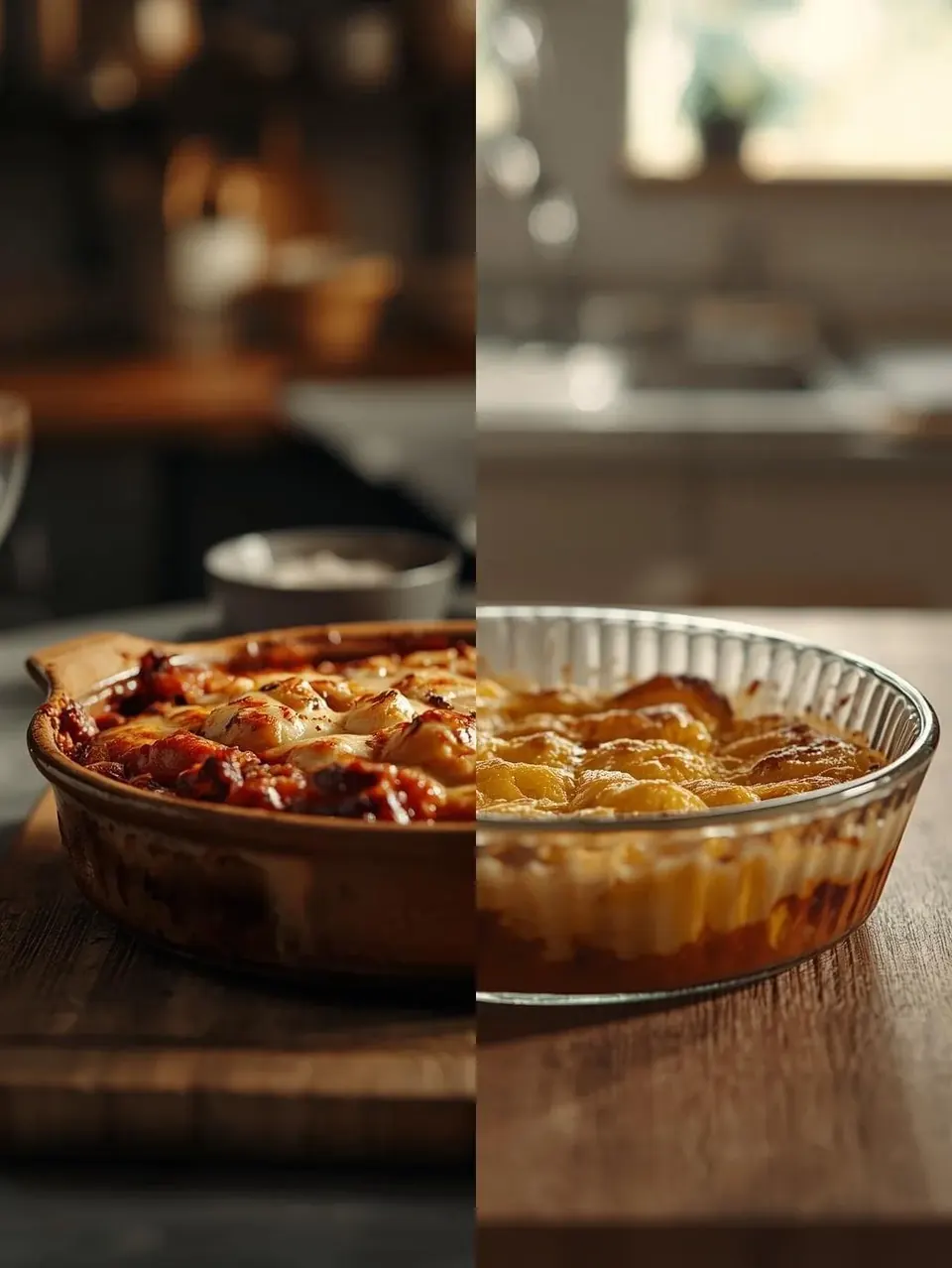
I get tons of questions about choosing between ceramic and glass bakeware, and honestly, I totally understand the confusion! The main differences come down to heat retention, durability, and how each material handles temperature changes.
What are the main differences between ceramic and glass bakeware when it comes to baking performance?
The biggest difference I've noticed is how each material handles heat. Ceramic holds onto heat much longer than glass, which means your food stays warmer after you pull it from the oven.
Glass heats up faster and cools down quicker too. This makes it perfect for recipes where you need precise temperature control.
I love using glass when I'm making delicate custards or cheesecakes. Ceramic provides superior heat retention compared to glass.
Can you give advice on the best scenarios to use ceramic over glass bakeware or vice versa?
I reach for ceramic when I'm making dishes that need to stay warm for a while. Think holiday casseroles, potlucks, or family dinners where people might eat at different times.
Glass is my go-to for anything where I need to see what's happening inside. Lasagna, gratins, and layered desserts all work better in glass because I can check for doneness without opening the oven door.
For bread puddings and custards, I always choose glass. The even heat distribution prevents those annoying hot spots that can curdle your eggs.
What are the safety considerations I should keep in mind when using either glass or ceramic bakeware?
Never put cold glass bakeware into a hot oven—I learned this the hard way when my favorite dish shattered! Glass can break from sudden temperature changes, so always let it come to room temperature first.
Ceramic is generally more forgiving with temperature swings. But I still avoid putting frozen ceramic directly into a hot oven just to be safe.
Both materials can get incredibly hot and stay hot longer than you'd expect. I always use thick oven mitts and warn everyone in my kitchen about hot dishes on the counter.
How do the cleaning and maintenance requirements differ for ceramic versus glass bakeware?
Glass wins hands down for easy cleaning. I can see exactly where the stuck-on bits are, and most glass bakeware goes right in the dishwasher without any issues.
Ceramic sometimes has a glazed surface that can get stained over time. I've found that soaking ceramic dishes in warm soapy water before scrubbing works best.
Both materials can handle most cleaning products. But I avoid abrasive scrubbers on both since they can create tiny scratches that make cleaning harder later.
Are there any significant differences in the durability or longevity of ceramic versus glass bakeware?
Ceramic typically lasts longer in my experience. I have some ceramic baking dishes that have been in my family for decades and still look great.
Glass can chip or break more easily, especially around the edges. Glass baking dishes generally have a lower upfront cost but might need replacing sooner.
That said, I've had quality glass bakeware last for years with careful handling. The key is avoiding those sudden temperature shocks I mentioned earlier.
Can you suggest how to properly store ceramic and glass bakeware to prevent damage?
I always stack my bakeware with soft towels or paper plates between each piece. This stops scratches and keeps things from rattling in my cabinets.
Keep glass pieces away from heavy stuff that could fall and crack them. I like to put mine in lower cabinets since they're less likely to get bumped.
With ceramic pieces, make sure they're totally dry before you put them away. If any moisture gets trapped, it can cause trouble later—especially in humid places like mine.