

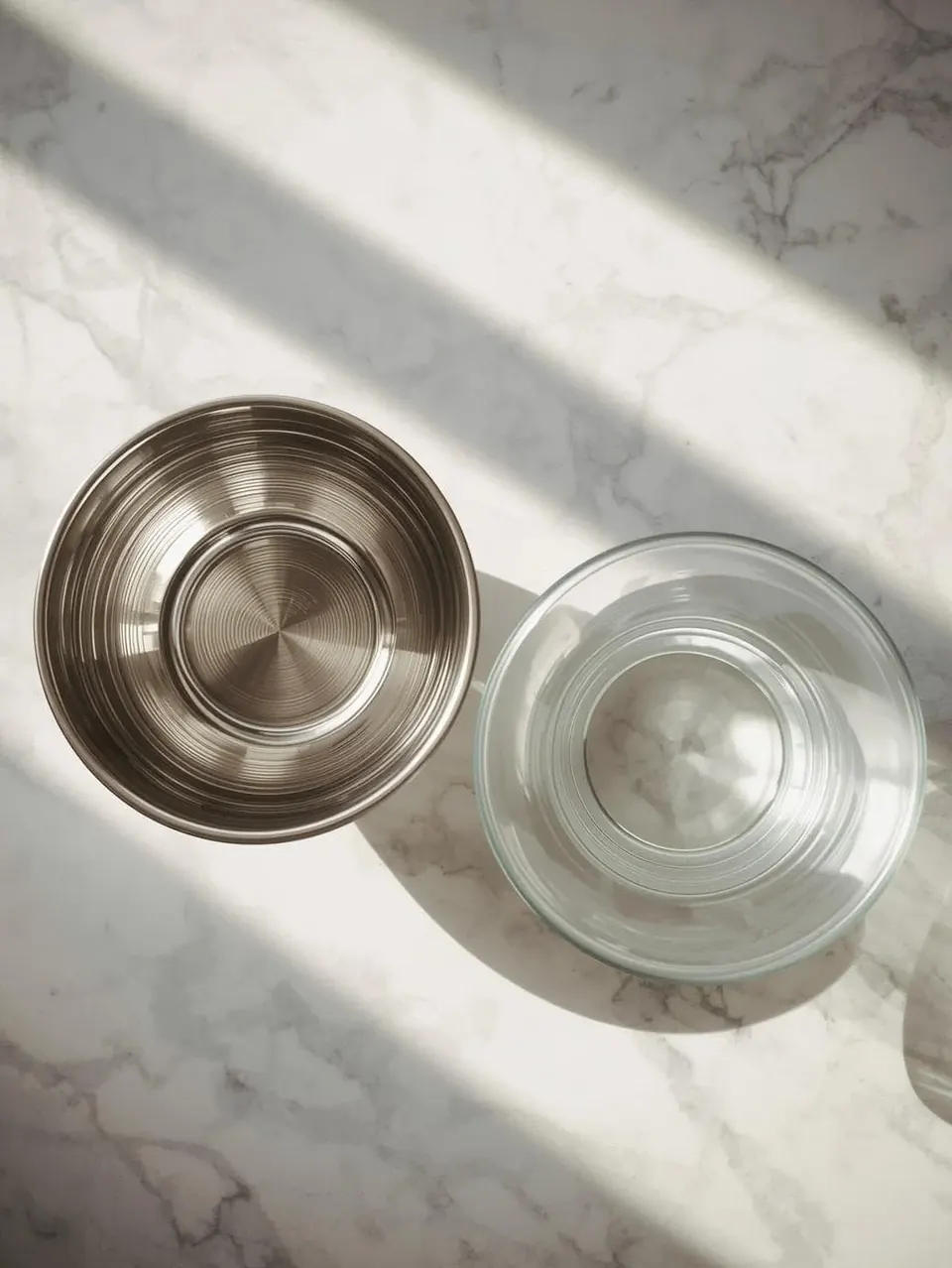
Ever stood in your kitchen staring at mixing bowls, wondering if you should grab the shiny stainless steel one or the clear glass bowl? I've been there too, and honestly, it used to drive me a little crazy not knowing which was actually better for what I was making.
For most home cooks, stainless steel mixing bowls win out thanks to their incredible durability. They're awesome for whipping egg whites or cream, while glass bowls shine for microwave use and food storage.
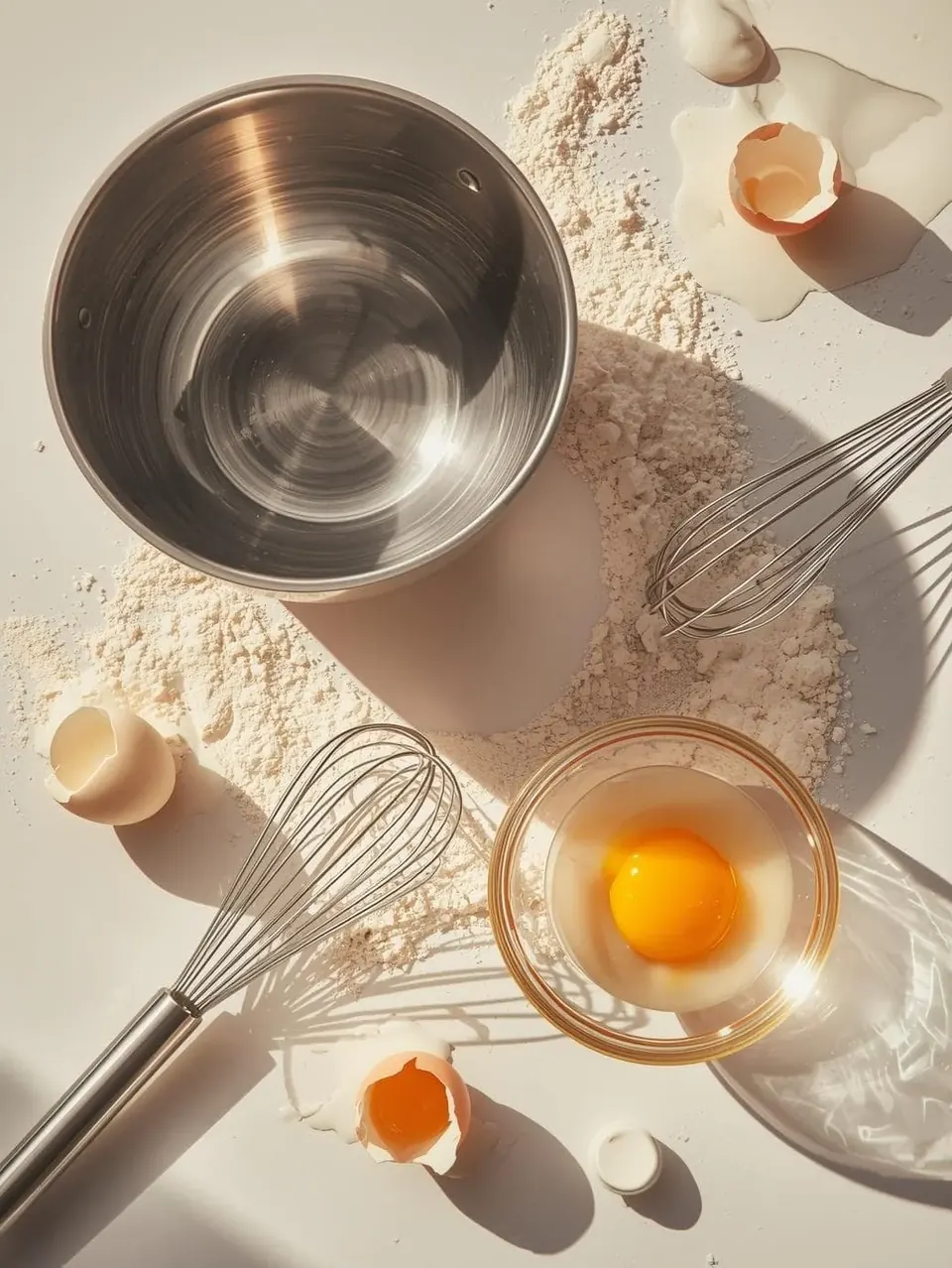
Stainless steel bowls are better for whipping egg whites or cream than glass bowls because their textured surface helps foam cling better. Glass bowls have slicker sides, so the foam just doesn't form as easily.
I'm going to walk you through everything I've learned about these kitchen workhorses. We'll look at their key differences, pros and cons, and which tasks each one handles best.
By the end, you'll know exactly which bowl to reach for, whether you're whipping up a batch of cookies or storing leftovers. And hey, maybe you'll find some alternatives you hadn't thought about.
Stainless Steel Mixing Bowl vs Glass Bowl: Key Differences
When I'm choosing between stainless steel and glass mixing bowls, I focus on three main things. What they're made of, how they perform in my kitchen, and their unique pros and cons.
Each material brings its own set of perks and quirks.
Material Composition and Design
Stainless steel mixing bowls are usually made from food-grade stainless steel, which is an alloy of iron, chromium, and nickel. This combo creates a non-reactive surface that won't soak up smells or flavors from your food.
The metal makes these bowls super lightweight. I can toss them around my kitchen without stressing. Most have a brushed or polished finish that hides scratches.
Glass bowls are made from tempered or borosilicate glass. They're totally non-porous and won't stain, even with strong colors like turmeric or beets.
Glass bowls often have thicker walls than metal ones. They're heavier, but that weight helps them stay put on the counter when I'm mixing hard. The clear design lets me see exactly what's going on with my ingredients from every angle.
Performance in Everyday Cooking
Temperature control is where these materials really split. Stainless steel bowls transfer temperature better than glass, which makes them perfect for things like whipping cream or beating egg whites.
When I need to chill a bowl fast, I just pop my stainless steel bowl in the freezer for a few minutes. The metal gets cold quickly, giving me the right environment for delicate mixtures.
Glass bowls are super versatile. I can move them from freezer to microwave, no problem. Glass mixing bowls are more versatile since they can go from freezer to fridge to microwave, which is obviously dangerous with metal bowls.
The clear walls of glass bowls help me watch my mixing progress. I can see if my cake batter is actually mixed or if there's still flour hiding at the bottom.
Strengths and Weaknesses
Stainless Steel Advantages:
Nearly indestructible with normal use
Lightweight and stackable
Great heat and cold conduction
Won't shatter if dropped
Stainless Steel Drawbacks:
Can't go in the microwave
Might dent if you hit them hard
Harder to see what's inside
Glass Bowl Advantages:
Microwave and oven safe (but check the specs)
Complete visibility of contents
Easy to clean and doesn't hold on to smells
Glass Bowl Drawbacks:
Heavier to carry around
Takes up more storage space
Advantages and Disadvantages of Stainless Steel Mixing Bowls
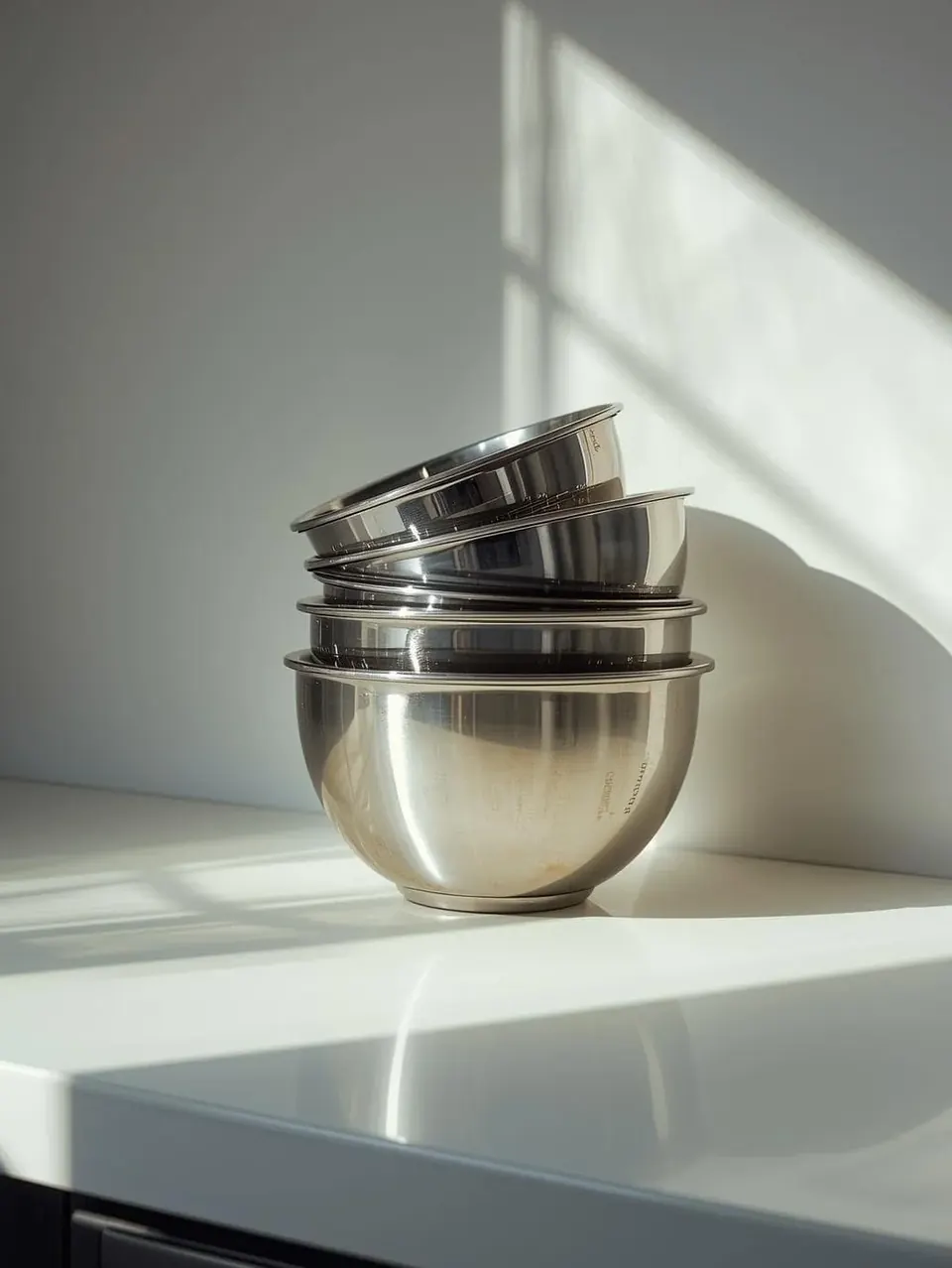
Stainless steel bowls are the workhorses of my kitchen. They're incredibly durable and lightweight, making mixing a breeze.
They do have a few quirks with temperature control, though.
Durability and Longevity
I've used the same set of stainless steel mixing bowls for over eight years, and they still look almost new. These bowls resist scratches better than any other material I've tried.
Unlike glass bowls that can shatter if dropped, my stainless steel bowls have survived plenty of falls onto my tile floor. I can scrape heavy cookie dough with metal spoons and not worry. The material doesn't stain, chip, or crack, even with daily use.
What I love most:
No scratches from whisks or beaters
Won't break if dropped
Dishwasher safe without damage
Looks good for years
The only real downside? They can get small dents if you really bang them around, but that doesn't change how they work.
Weight and Ease of Handling
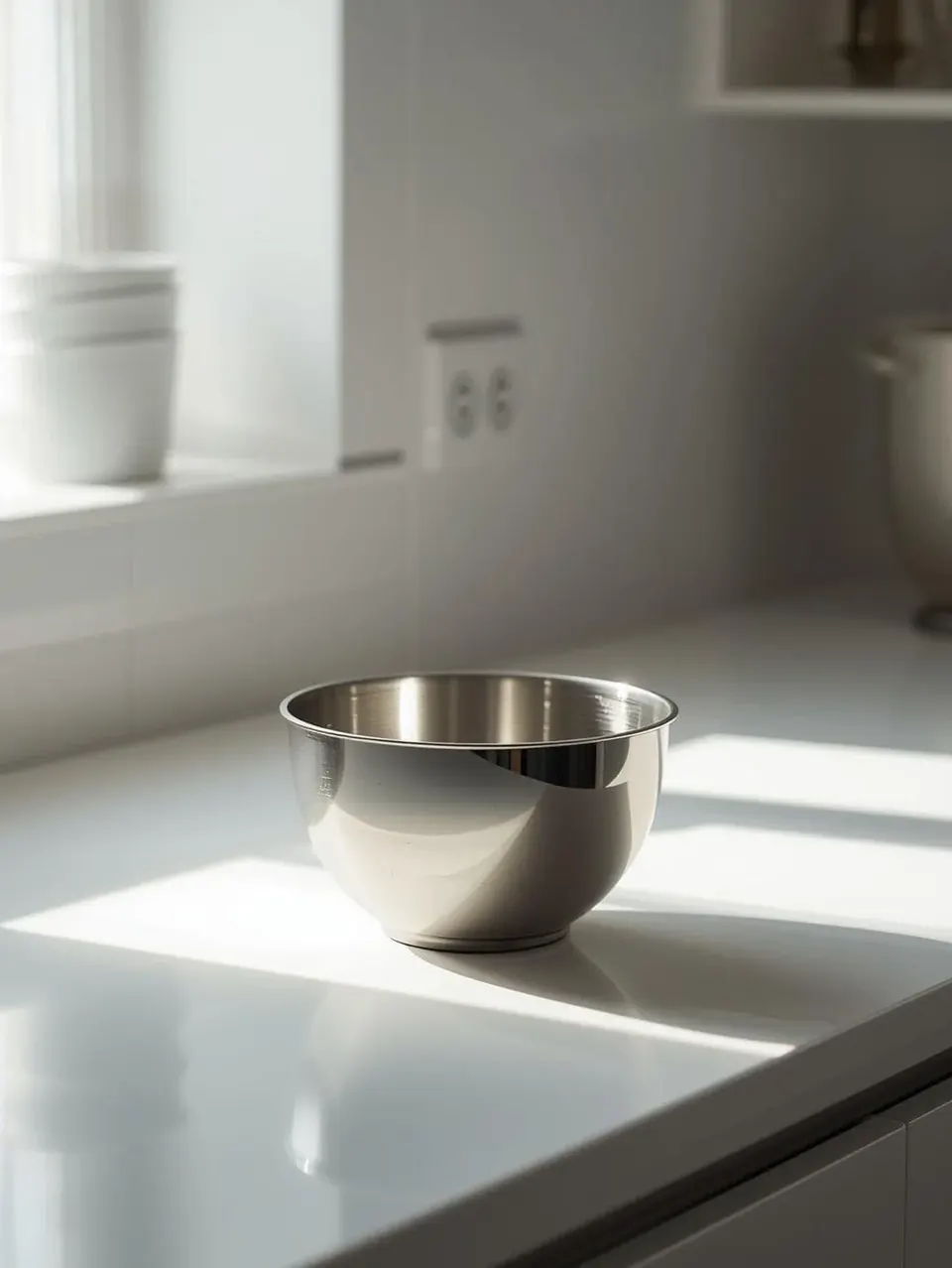
This is where stainless steel really stands out. Stainless steel bowls are lightweight because they don't need to be thick to stay strong.
When I'm whisking egg whites by hand or holding a bowl while folding in ingredients, the lighter weight is a life-saver. My glass bowls feel like dumbbells in comparison.
Pouring batter from stainless steel bowls is easy too.
The benefits I notice:
Easy to lift, even when full
Comfortable for long whisking sessions
Simple to move around stand mixers
Less strain on my wrists
The trade-off? Lightweight bowls can slide around on the counter if you're mixing really hard.
Temperature Control and Versatility
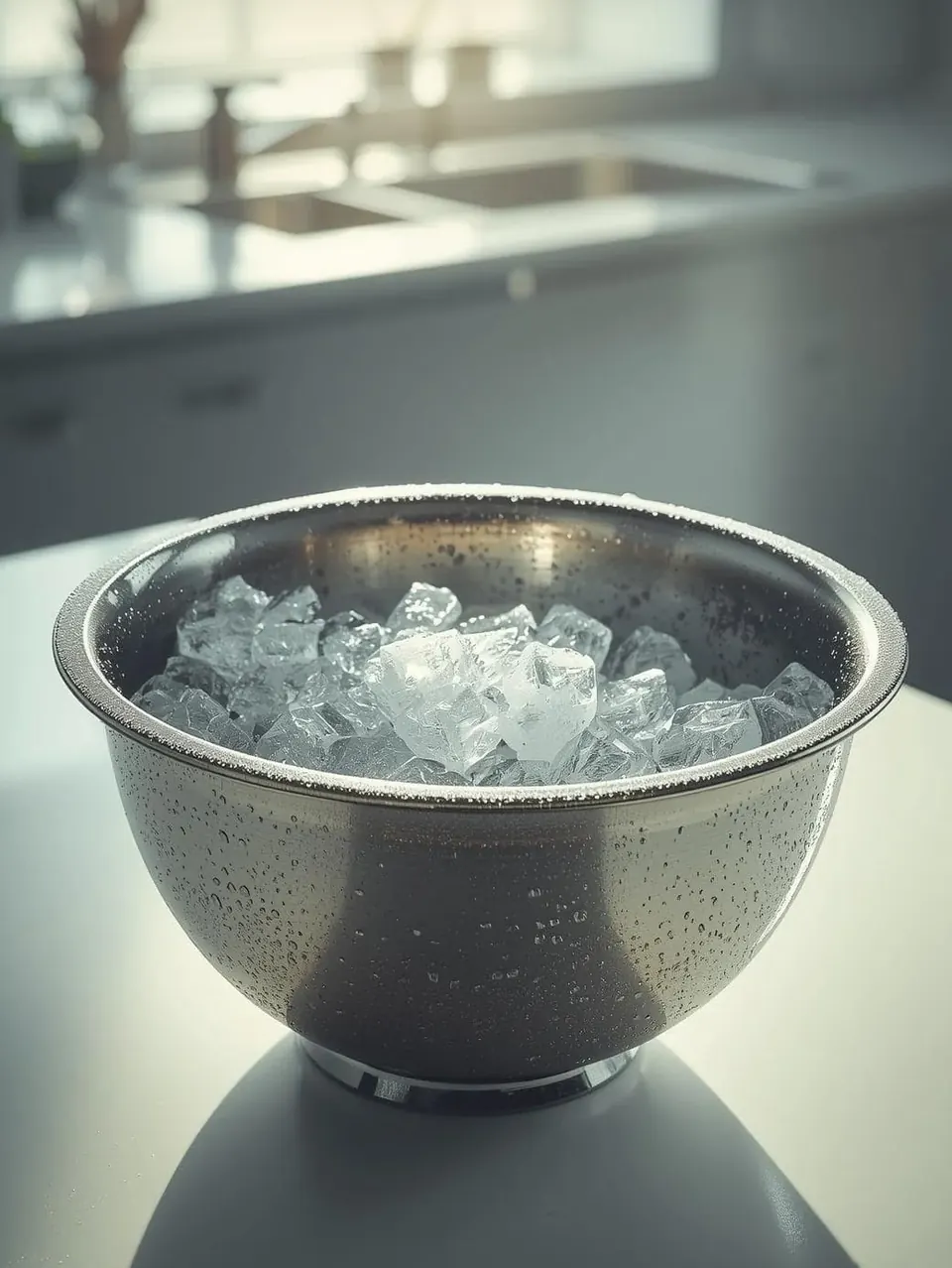
Stainless steel bowls conduct temperature really well. This can be awesome, but sometimes it's not what you want.
The good part? I can chill stainless steel bowls in the freezer before whipping cream, and they stay cold. For candy making, they heat up fast over warm water.
The not-so-great part? You can't put them in the microwave like you can with glass mixing bowls that are perfect for microwave use. I also can't see through them to check on dough or layered stuff.
Temperature pros and cons:
Pros Cons Chill quickly for whipping No microwave use Heat evenly over double boiler Can't see contents Stay cool when chilled Conduct heat to hands
Advantages and Disadvantages of Glass Mixing Bowls
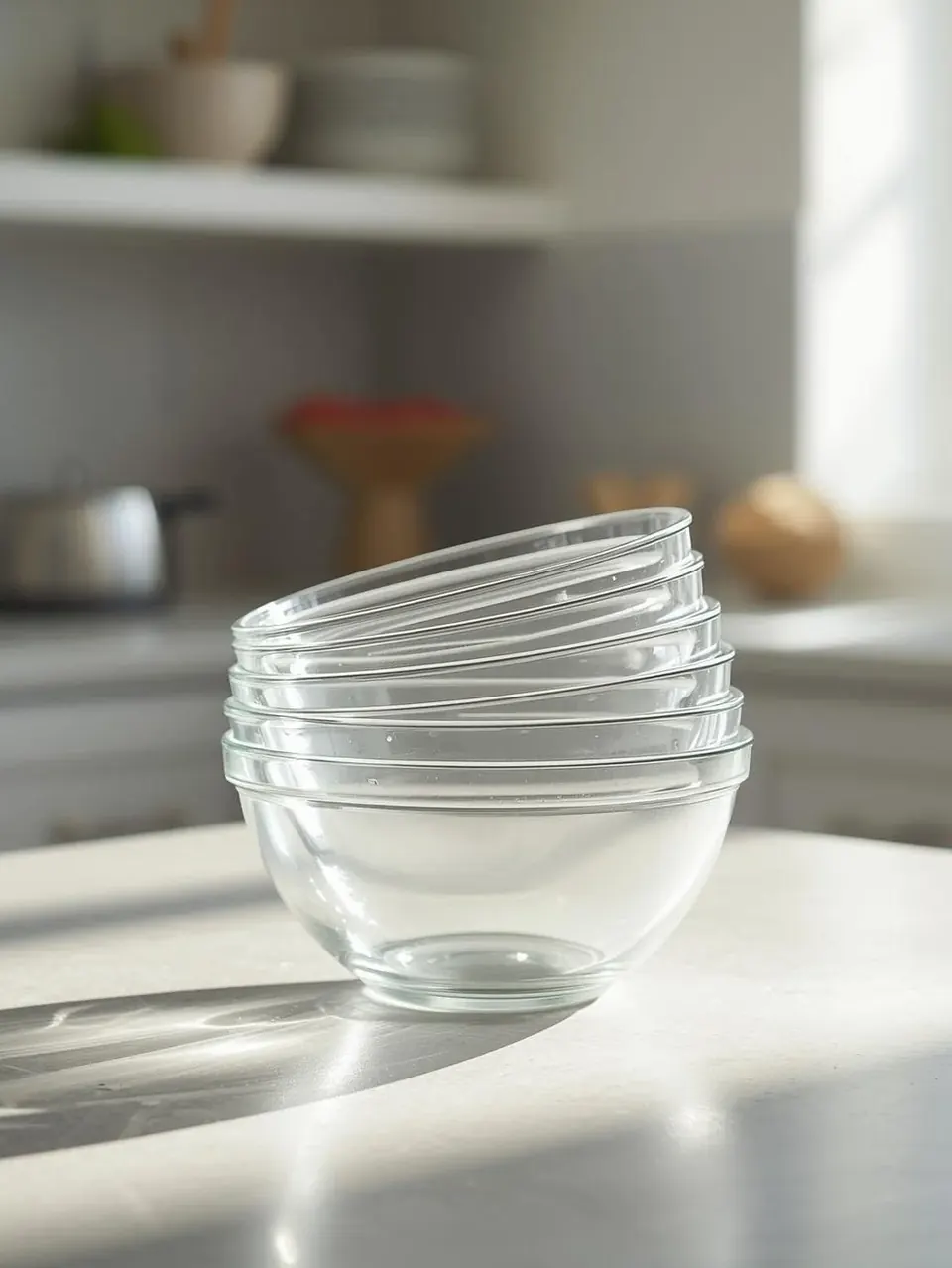
Glass mixing bowls offer clear visibility for precise measurements and work great in microwaves and freezers. But they're fragile, so one wrong move could mean sweeping up sharp pieces instead of enjoying your cookies.
Transparency and Measurement Visibility
I absolutely love how glass mixing bowls let you see exactly what's happening while you mix. There's something satisfying about watching ingredients come together.
When transparency really shines:
Layered ingredients - I can see if my flour is mixed in
Color changes - Great for watching cream become butter
Consistency checks - No guessing if my batter is smooth
The clear walls make measuring easier too. I can hold my glass bowl up to eye level and get accurate measurements without stopping all the time.
This is especially helpful when I'm adding ingredients slowly.
Whipping egg whites becomes foolproof in a glass bowl. I can watch the peaks form and catch that perfect moment when they're ready.
Microwave and Freezer Compatibility
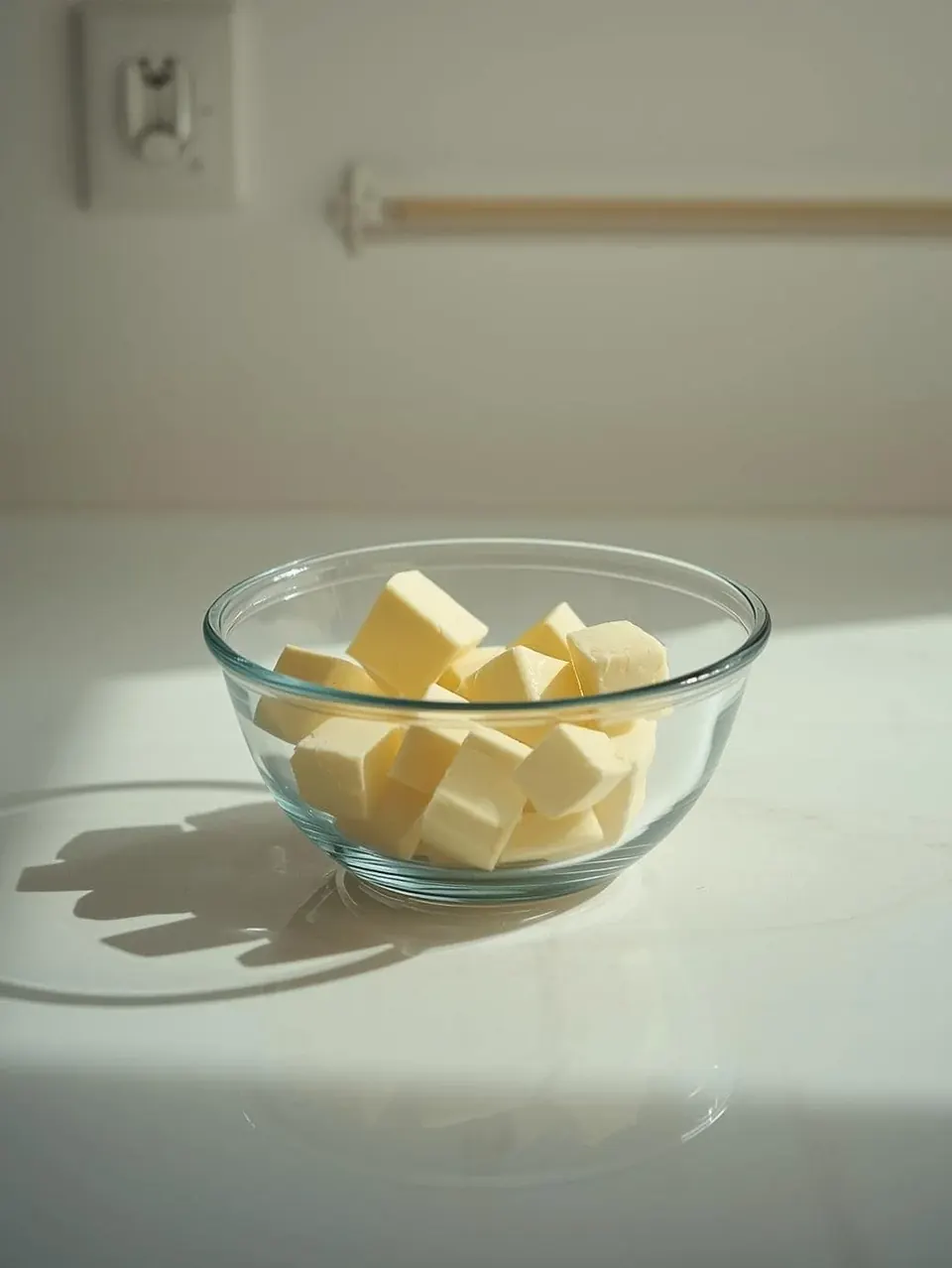
Here's where glass bowls really win me over. Glass bowls can go from freezer to fridge to microwave, which is obviously dangerous with stainless steel bowls.
I use my glass bowl for all sorts of things.
Temperature flexibility:
Freezer storage - Great for make-ahead cookie dough
Microwave melting - Butter and chocolate melt evenly
Refrigerator prep - Marinating and overnight mixing
Being able to pop a glass bowl straight into the microwave saves me from using extra containers. I can soften cream cheese, melt butter, or warm up ingredients without making more dishes.
Risks Associated with Breakage
Let me be honest—I've broken my fair share of glass bowls over the years. Metal mixing bowls are highly durable and resistant to breaking, but glass bowls need a lot more care.
Common breakage scenarios I've experienced:
Dropping while wet and slippery
Thermal shock from extreme temperature changes
Knocking against hard surfaces while mixing
Stacking mishaps in crowded cabinets
The biggest safety concern is sharp glass fragments in your food. I've had to throw away whole batches of dough after a bowl cracked during mixing. It's honestly the worst.
My glass bowl survival tips:
Never put hot glass bowls on cold surfaces
Use silicone mats under bowls for grip
Store with padding between bowls
Check for small cracks before each use
The weight matters too. A big glass bowl full of dough can be tough to move safely.
Best Mixing Bowl for Specific Kitchen Tasks
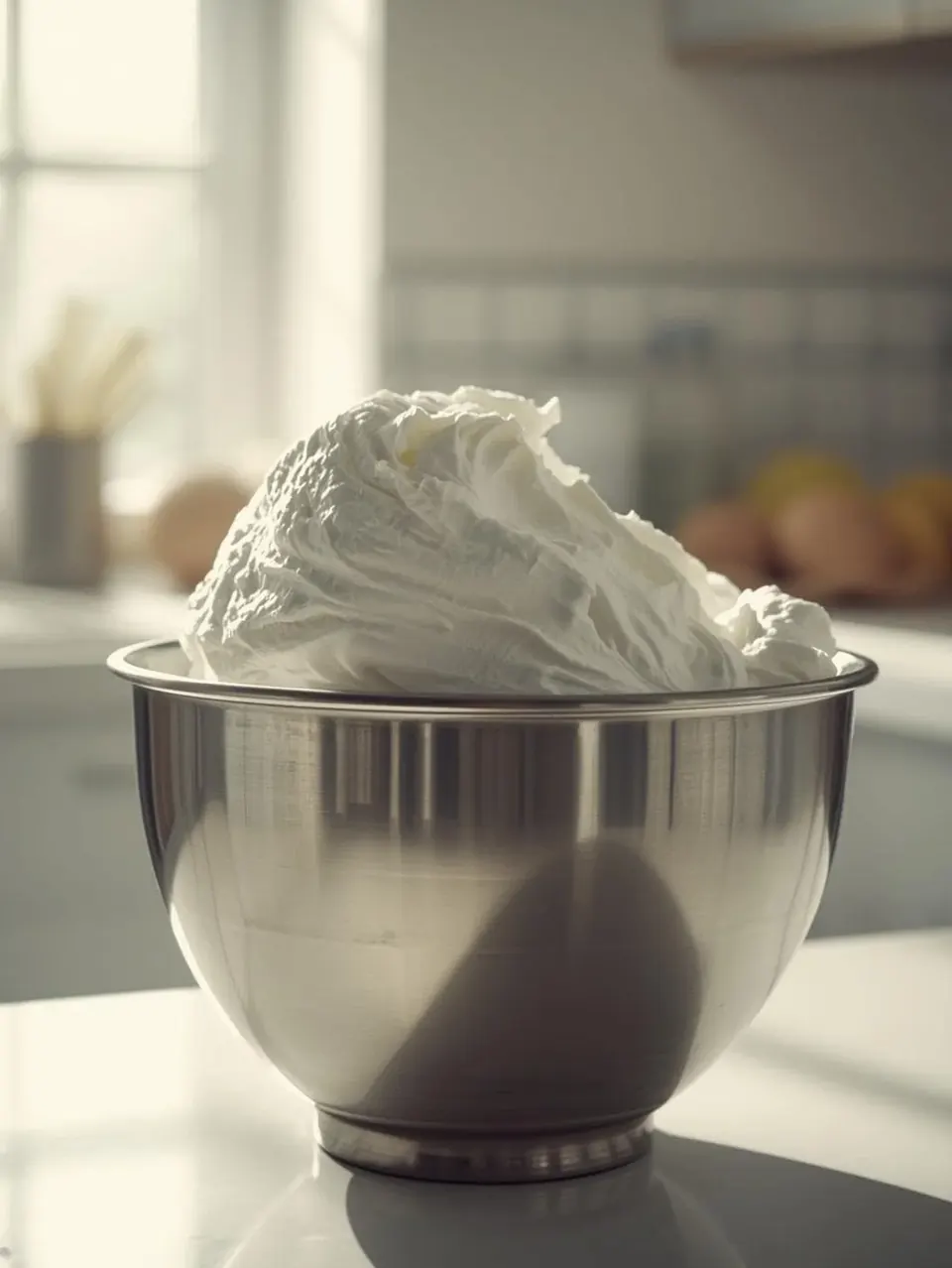
Different kitchen tasks need different bowls. Stainless steel bowls are best for whipping egg whites to perfect peaks, while glass bowls shine for baking tasks when you want to see what's happening inside.
Whipping Egg Whites and Cream
I always grab my stainless steel bowl when I'm whipping egg whites or cream. The metal stays cool, which helps make a stable foam.
Glass bowls can work, but they don't keep things as cold.
Why stainless steel wins:
Cool surface keeps ingredients at the right temp
No leftover oils to ruin egg whites
Easy to clean and get rid of fat
One trick I learned: make sure your stainless steel bowl is spotless. Even a tiny bit of grease will mess up your whipped egg whites. I wipe mine with a bit of lemon juice first.
When I'm using my stand mixer, the stainless steel bowl attachment fits perfectly with the whisk. The best mixing bowls tested by experts consistently show stainless steel working best for whipping.
Baking Doughs and Batters
For baking, I usually prefer glass bowls. Seeing through the sides helps me check if my dough is mixed right. I can spot unmixed flour or see when my batter is just right.
Glass bowls work great because:
Visual monitoring of mixing progress
Microwave safe for warming ingredients
Non-reactive surface won't mess with flavors
I use my glass bowls when making bread dough too. I can watch the dough rise without lifting it. The advantages of glass mixing bowls include this visibility, which really helps with timing.
Stainless steel works fine for batters, but I miss being able to peek at what's happening inside.
Salad Tossing and Marinating
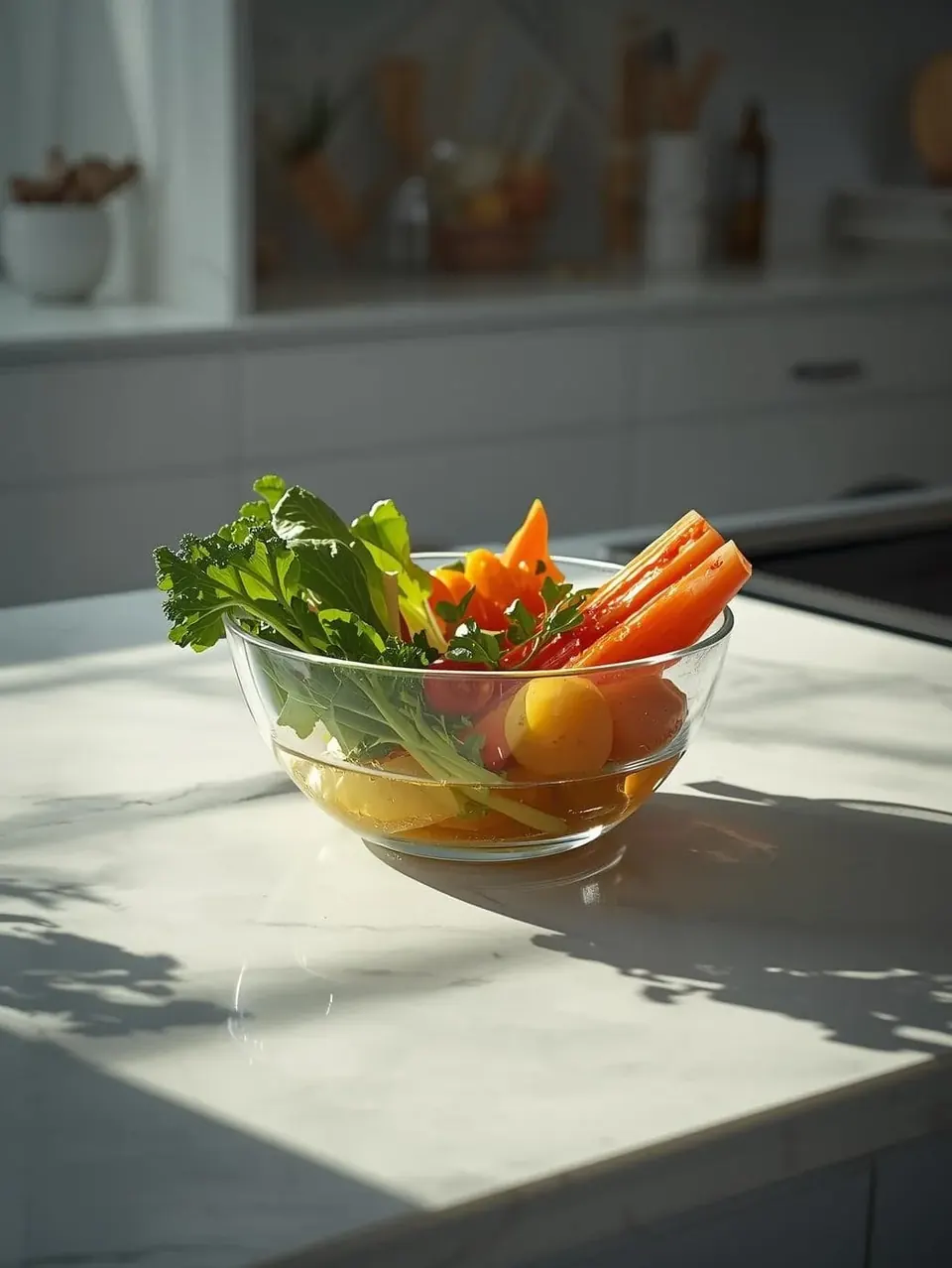
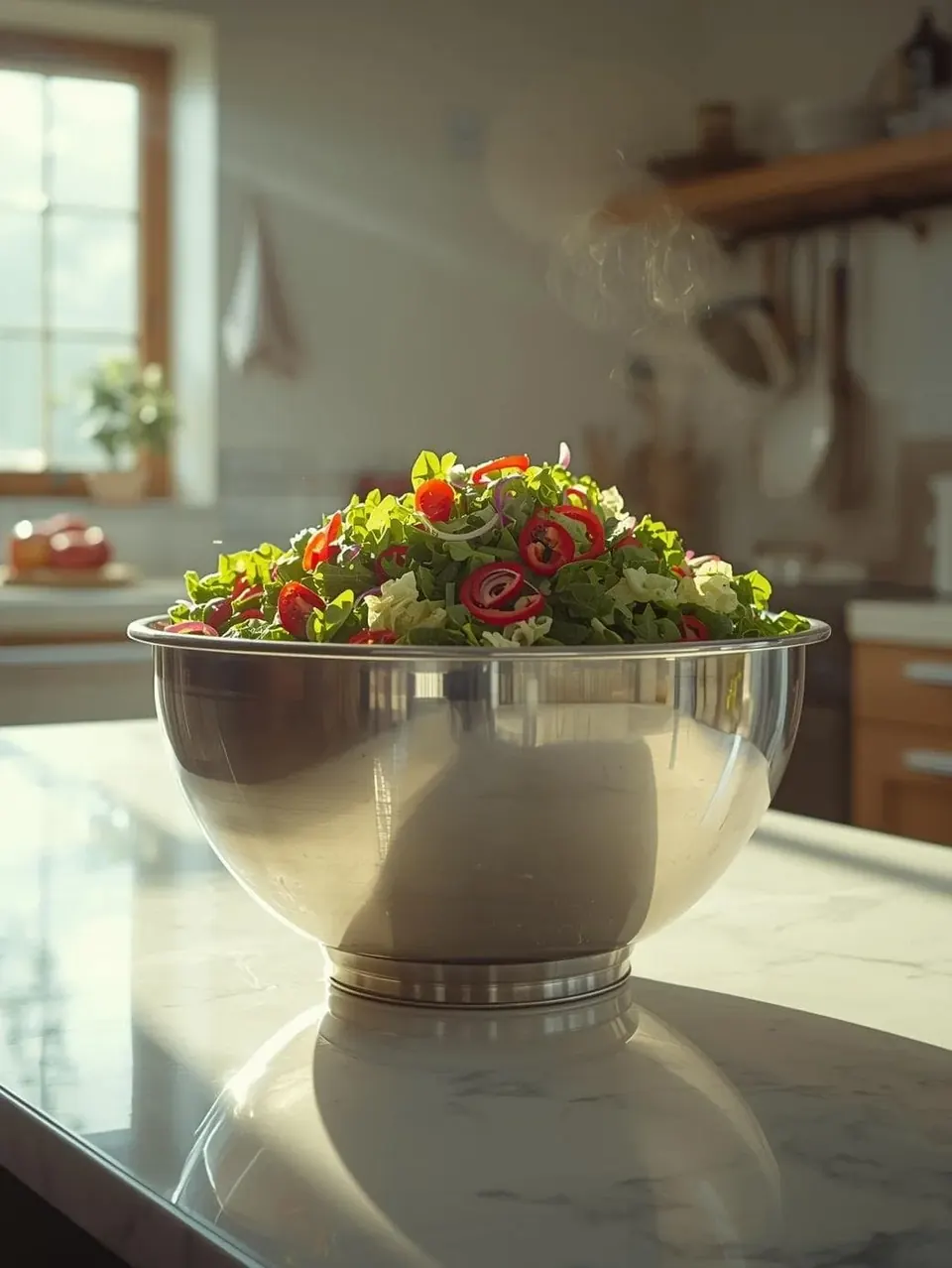
I always grab stainless steel bowls for tossing salads. They're tough enough to handle some serious mixing and don't scratch up.
They also don't hang onto strong smells like garlic or onion. That's a big win for me.
Stainless steel advantages:
Scratch resistant surface stays smooth
Odor resistant - no lingering smells
Large capacity options available
When I marinate meat, stainless steel is my top pick. Acidic marinades don't mess with the bowl or leave weird flavors behind.
Glass works too, but honestly, I'm always worried I'll drop a heavy glass bowl when my hands are slippery. Stainless steel bowls just feel safer and easier.
The durability benefits of stainless steel really show up when things get messy.
Choosing the Right Bowl for Your Kitchen
Picking the right mixing bowl isn't just about looks. You want the right size and shape for how you cook, something that fits your mixer, and bowls that are easy to store and clean.
Here's what I've figured out from years of kitchen messes and experiments.
Factors to Consider: Size and Shape
Think about what you actually cook most. If you love making big batches of cookie dough, you'll need at least one big bowl—4 to 6 quarts.
Size matters more than you think. Small bowls are just right for eggs or salad dressings. Medium bowls handle pancake batter or marinades. Large bowls are perfect for bread dough and holiday baking.
Shape counts, too. I like bowls with sloped sides because whisking feels easier. Straight-sided bowls trap ingredients in the corners, and that's just annoying.
Here's my bowl size breakdown:
Small (1-2 quarts): Eggs, dressings, small portions
Medium (3-4 quarts): Cake batter, mixing veggies
Large (5-6 quarts): Bread dough, big batches, family meals
Both glass and stainless bowls often come in nested sets. That saves so much cabinet space and gives you options for any job.
Compatibility with Kitchen Appliances

Your stand mixer probably matters most here. Most KitchenAid mixers work with both materials, but I've noticed a few differences.
Glass bowls let you see everything mixing, which is awesome for meringues or checking if butter is creamed. They're also microwave-safe, so you can melt chocolate or warm stuff right in the bowl.
Stainless steel bowls are lighter and don't shatter if you drop them. They also conduct temperature better, which helps when you need to chill or warm the bowl for certain recipes.
Most mixers come with one bowl, but you can buy extras. If you can, get both types. Use glass when you want to see inside or need to microwave. Grab stainless steel for heavy-duty mixing or when you want something lighter.
Some older mixers only fit certain bowl types, so double-check your model before buying more.
Storage, Safety, and Maintenance
Storage is where stainless steel wins big time. These bowls nest perfectly and take up way less space than glass. I can fit a whole set of stainless steel bowls in the space two glass bowls would need.
Glass bowls need more care. I stack them with towels in between to stop chips and scratches. They're heavier too, which can be tough if your arms get tired or you have arthritis.
For daily cleaning, both are simple:
Glass: Dishwasher safe, won't soak up smells, but shows stains easily
Stainless steel: Dishwasher safe, hides scratches better, but can get water spots
Be careful with temperature changes. Glass bowls can shatter if you go from hot to cold too fast. I've cracked a glass bowl by putting it straight from the dishwasher into cold water. Stainless steel doesn't do that, but it can get really hot or cold to the touch.
My storage tip: keep your favorite bowl size easy to grab, no matter the material. The material choice depends on your specific kitchen needs, but having the right size nearby makes cooking less stressful.
Alternatives and Extra Considerations
Stainless steel and glass get most of the attention, but ceramic bowls have their own perks. Plastic mixing bowls, even though some cooks roll their eyes at them, can surprise you with how handy and cheap they are.
Ceramic Bowls Pros and Cons
I've grown to love ceramic mixing bowls for some jobs, especially when I'm working with ingredients that care about temperature. Ceramic bowls keep things steady, which is great for melting chocolate or keeping butter soft.
What I like most:
Temperature stability - They don't heat up like metal
Weight and stability - Heavy enough to stay put while mixing
Non-reactive surface - Won't mess with acidic stuff like lemon juice
But ceramic bowls break easily. I lost my favorite one when it slipped onto the tile floor.
Storage is a pain since they're bulky and heavy. Unlike stainless steel bowls that are lightweight, ceramic ones hog cabinet space. Food also sticks more, so cleaning takes longer than with glass or metal.
Comparing with Plastic Mixing Bowls
Plastic mixing bowls get a bad rap, but honestly, they're super useful for outdoor cooking, camping, or baking with kids who might drop stuff.
Where plastic is great:
Durability - Pretty much unbreakable
Cost - Way cheaper than other options
Lightweight - Easy to grab and store
But plastic has big downsides. It soaks up smells and stains, especially from things like tomato sauce or curry. I've had plastic bowls that always smell faintly of garlic.
Heat is a problem too. Not all plastics are microwave-safe, and they can't handle the hot-and-cold flexibility that glass bowls offer from freezer to microwave.
Plastic scratches easily, and those grooves can trap bacteria.
Frequently Asked Questions
People ask me about these bowl battles all the time. Honestly, picking between stainless steel and glass depends on how you cook and what feels right in your kitchen.
Here are the most common questions I get from other home cooks trying to decide between these kitchen workhorses.
What are the main differences in usage between stainless steel and glass mixing bowls?
The biggest difference is how each bowl handles different kitchen tasks. Stainless steel bowls are incredibly lightweight, so I can hold one in one hand and whisk with the other.
Glass bowls are awesome when I need to see inside. When I'm tempering chocolate or watching egg whites, that clear view is a lifesaver. Glass also moves from freezer to fridge to counter without a fuss.
Glass mixing bowls are much more versatile for appliance use since you can use them in the microwave. Metal bowls can't do that.
Can I use a stainless steel mixing bowl in the microwave?
Nope, don't even try it! Metal and microwaves are a terrible combo. You'll get sparks and could ruin your microwave.
This is where glass bowls really shine. I can mix, microwave, and keep going with the same bowl. Fewer dishes is always a plus.
Are there any risks of flavor transfer or staining with stainless steel bowls that I wouldn't have with glass?
I've never had flavor transfer with good stainless steel bowls. They're non-reactive, so acidic foods like lemon juice or tomato sauce don't leave a trace.
Glass is totally non-porous and doesn't soak up smells or flavors. I can make a garlicky marinade, wash it, and then whip up dessert right after—no weird smells.
Staining isn't a big deal with either if you wash them well. But stainless steel can develop rust if not cleaned frequently enough, especially around the rim where water sits.
How do glass bowls perform under high temperatures compared to stainless steel ones?
Glass bowls can take heat, but they hate sudden temperature changes. I've cracked a glass bowl by pouring hot stuff into a cold bowl straight from the fridge.
Stainless steel doesn't care about temperature swings. I use it for hot or cold mixes without worry. The metal also heats up and cools down fast, so my ingredients reach room temp quicker.
Is there a significant weight difference between glass and stainless steel mixing bowls?
Oh, for sure! Stainless steel bowls are super light compared to glass. This matters when I'm mixing or holding the bowl for a while.
Glass bowls are heavy. That weight keeps them steady on the counter, but my wrist gets tired during long mixing sessions. Whipping cream by hand in a glass bowl? My arm definitely feels it.
Which type of bowl is more durable for frequent kitchen use, stainless steel or glass?
Stainless steel mixing bowls are highly durable and resistant to breaking. Even if you drop or bump them around in a busy kitchen, they're tough.
I've knocked my stainless bowls off the counter more times than I want to admit. They just bounce and somehow come out looking fine.
Glass bowls can last a long time if you handle them gently. But let's be honest—one drop on a tile floor, and it's game over.
If you're a bit clumsy like me, stainless steel bowls are the obvious choice for durability.