If I want the easiest everyday skillet, I’d choose ceramic-coated. If I care most about fast, precise heat control for sauces, caramel, or delicate sautéing, I’d choose lined copper. In most home kitchens, ceramic-coated is the more convenient weeknight pan, while copper is the more specialized tool.
What Actually Separates Ceramic-Coated and Copper
The biggest difference is that these pans are solving different problems. A ceramic-coated skillet is usually built on aluminum, then finished with a smooth ceramic-based nonstick coating. The aluminum does much of the heating work; the coating is there for easier release and cleanup.
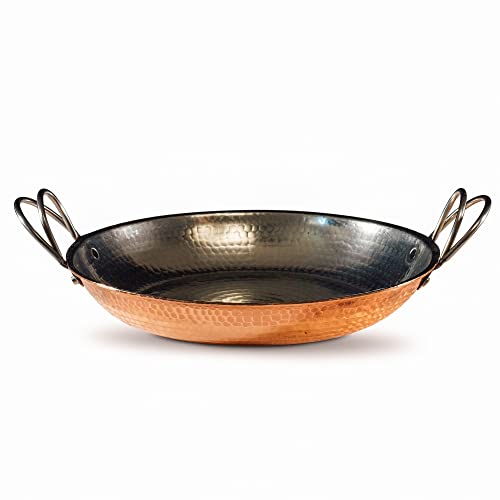
Copper cookware is different from the start. Copper is prized for how quickly it responds when the heat changes, but because copper reacts with acidic food, the cooking surface needs a lining, usually stainless steel or tin. That lining matters. Stainless-lined copper is generally tougher and more forgiving, while tin-lined copper is more delicate and needs closer attention around high heat.
This is also why the two pans feel so different at the stove. As a general material comparison, copper conducts heat far better than ceramic material, and that shows up in day-to-day cooking.
How They Cook
Ceramic-Coated Is Better for Convenience
For eggs, pancakes, vegetables, fish, and quick lunches, ceramic-coated cookware is hard to argue with. Food release is the main draw. When the pan is in good shape and I keep the heat moderate, it makes low-fat cooking feel easy and cleanup stays simple.
That said, ceramic-coated skillets are not built for punishing heat. One of the most common mistakes is treating them like a searing pan, leaving them empty over a strong burner, or assuming the slick surface will stay slick forever no matter how it’s used. The coating is a working surface, not a permanent one.
Copper Is Better for Control
Copper earns its reputation when precision matters. It heats fast, cools down fast, and reacts quickly when I lower the burner. That responsiveness is useful for caramel, reductions, custards, delicate fish, and any cooking that can swing from just right to scorched in a minute.
It also tends to distribute heat very evenly, especially in well-made pans. That matters less for a fried egg than it does for a sauce or sugar work, where hot spots can create trouble quickly. Copper’s weakness is not cooking performance but practicality: it usually asks more from the cook in weight, maintenance, and attention.
What Daily Use Feels Like
Weight and Handling
Ceramic-coated skillets are often lighter and easier to move around with one hand. That makes them pleasant for quick cooking and frequent use. Copper usually feels more substantial. Not unmanageable, just less casual.
If I’m making a fast breakfast, the lighter pan is usually the one I want. If I’m working on a careful sauce, the extra substance of copper feels more purposeful.
Sticking and Browning
This is where expectations need to stay realistic. Ceramic-coated pans help with sticking, especially with delicate foods. Copper does not automatically act nonstick. If it’s stainless-lined, it behaves more like stainless steel: proper preheating and a bit of fat matter. Tin can feel smoother, but it still is not a true nonstick surface.
For browning, copper is more flexible because it can handle temperature adjustments so well. Ceramic-coated pans can brown food, but I wouldn’t rely on one for aggressive, repeated high-heat searing. That is usually where coating life starts getting shortened.
Heat Retention and Cooktop Fit
Copper is highly responsive, but it does not hang onto heat the way heavier materials do. Ceramic-coated pans generally offer fair heat retention, depending on the base. In practice, that means copper is great when I want immediate control, while a ceramic-coated skillet can feel steadier for simple sautéing.
Cooktop compatibility is another practical dividing line. Ceramic-coated pans vary, and induction only works if the pan has a magnetic base. Copper generally does not work on induction unless it has an added compatible layer. Oven use also varies, but ceramic-coated cookware often has more limited temperature tolerance because the coating and handles may have lower limits than the pan body itself.
Care Matters More Than Most People Think
How to Keep a Ceramic-Coated Pan Working Well
The easiest way to shorten the life of a ceramic-coated skillet is too much heat. I keep these pans on low to medium for most tasks, avoid long empty preheating, and let the pan cool before washing. Sudden temperature swings are hard on both the body and the coating.
I also skip abrasive scrubbers and metal utensils. Soft sponges, mild soap, and patient soaking do more good than harsh cleaning. Even if a manufacturer allows dishwasher use, hand-washing is the gentler route, and that usually helps preserve the cooking surface longer.
Another common mistake is relying on cooking spray as the only release method. It can leave residue that builds up and makes the surface seem worse than it is.
How to Keep Copper in Good Shape
Copper needs hand-washing too, plus immediate drying. The exterior will naturally darken over time, and that isn’t a performance problem. Polishing is mostly about appearance, not function, so I think of it as optional maintenance rather than a crisis.
The more important issue is the lining. Because copper reacts with acidic food, I only think of copper as safe for normal cooking when that lining is intact. This basic point shows up in guidance on copper lining and ceramic cookware safety. If a tin lining looks worn thin or damaged, the pan needs attention before more direct cooking.
Tin-lined copper also needs special respect around high heat. Tin is softer and less heat-tolerant than stainless steel, so overheating is a real risk.
Common Buying and Cooking Mistakes
The first mistake is comparing “ceramic” and “copper” as if each name describes one exact pan. Ceramic-coated cookware can vary a lot by base thickness and coating quality. Copper can vary by lining and construction. Those details affect how the skillet performs and how long it stays pleasant to use.
The second mistake is choosing based on reputation instead of routine. If most of my cooking is eggs, vegetables, and quick skillet meals, copper may be more pan than I need. If I love sugar work, refined sauces, or exact heat control, ceramic-coated may feel limiting.
The third mistake is using the wrong cleaning and heat habits. A ceramic-coated pan usually wears out faster from overheating and abrasion than from ordinary cooking. Copper usually gets into trouble when the lining is ignored or the exterior is treated as if appearance and function are the same thing.
I also think it helps to remember that neither skillet has to do everything. For many kitchens, stainless steel or carbon steel still makes more sense for high-heat searing and fond. A skillet is most useful when it fits the job, not when it tries to cover every job.
Which One Makes More Sense for Most Home Cooks
For everyday use, ceramic-coated usually wins on ease. It’s lighter, simpler to clean, and friendlier for low-fat cooking and delicate foods. The tradeoff is that the coating has a limited useful life, especially if it sees too much heat or rough handling.
Copper is the pick for someone who really values precision and is willing to care for the pan properly. It’s more of a committed tool than a casual one. In return, it offers a level of control that other materials struggle to match. A broad comparison of copper and ceramic cooking performance lands in much the same place: copper shines in precision, while ceramic-coated cookware is more about convenience.
If I were choosing one pan for the widest range of ordinary home meals, I’d lean ceramic-coated. If I were choosing for technical stovetop work and I was comfortable with the maintenance, I’d lean copper.
FAQ
Is copper cookware better than ceramic-coated?
Not across the board. Copper is better for heat responsiveness and precise control. Ceramic-coated is usually better for easy release, lighter handling, and simpler cleanup.
What are the downsides of ceramic-coated cookware?
The main downside is that the coating wears over time. High heat, metal utensils, abrasive cleaning, and rough stacking can all shorten its easy-release life.
Is copper or ceramic-coated safer for everyday cooking?
Both can be safe when they’re in good condition and used correctly. With copper, the lining matters because exposed copper can react with acidic food. With ceramic-coated cookware, I’d be cautious about any badly damaged or peeling surface.
Do ceramic-coated pans or copper pans work on induction?
Ceramic-coated pans vary; they need a magnetic base for induction. Copper generally is not induction compatible unless it has an added magnetic layer built in.
Do professional cooks prefer copper?
Some do for sauces, pastry work, and other temperature-sensitive tasks. But many cooks also rely on stainless steel, carbon steel, cast iron, and aluminum because maintenance, durability, and cooking style all matter just as much as raw heat performance.
The Bottom Line
Ceramic-coated and copper skillets are good at different things, and that’s really the whole answer. I’d choose ceramic-coated for everyday ease and copper for precision, with the understanding that copper asks more of me and ceramic-coated won’t keep its original release forever.