Guide
The Best Pie Dish Material for Flaky Crusts
The best bakeware material for pies & crusts: how Glass compares with Stoneware, Aluminum (Anodized) on heat, upkeep and value — and when each one wins.
The best bakeware material for pies & crusts: how Glass compares with Stoneware, Aluminum (Anodized) on heat, upkeep and value — and when each one wins.
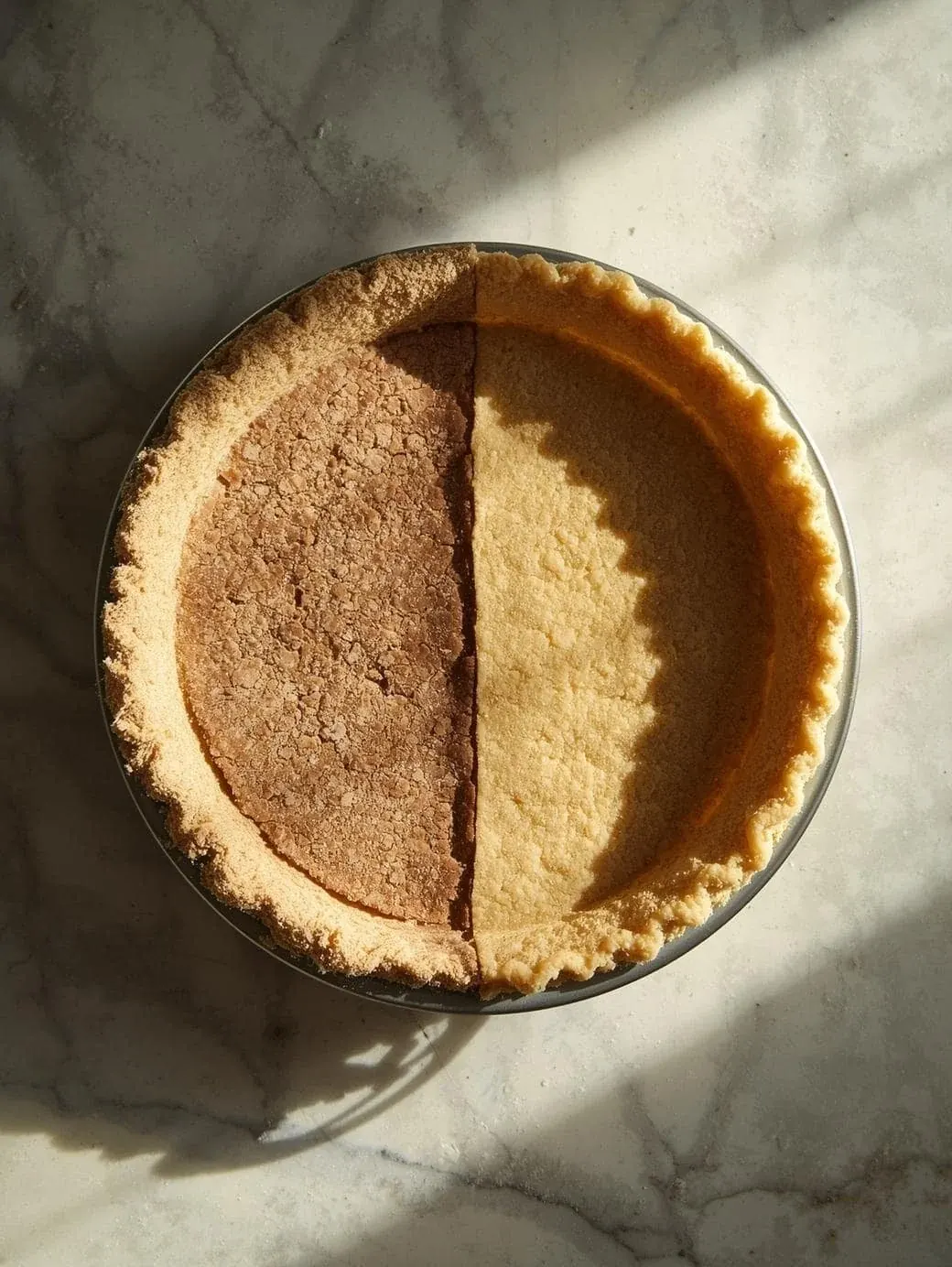
If I want the best odds of a flaky pie with a crisp, deeply browned bottom crust, I choose a light-colored metal pie dish, especially aluminum or aluminized steel. Glass and ceramic still have a place in my kitchen, particularly for custards and pies I want to bring straight to the table, but they usually bake more gently and more slowly. The right answer is less about a single “best” material and more about matching the pan to the pie.
Light aluminum is the material I’d pick first for fruit pies, blind-baked shells, and any pie where crust texture matters most. It conducts heat quickly, which helps the dough set before too much butter melts away. That fast heat transfer is what gives you a firmer, more golden base instead of the pale, soft bottom that can happen with wetter fillings.

Le Creuset Stoneware 9" Heritage Pie Dish, White
Shop at Amazon →This is also the easiest material to work with when a recipe already runs juicy. Apple, berry, and stone-fruit pies all benefit from that quicker burst of heat underneath. A chilled crust in a light metal pan has a better chance of staying layered and defined while the filling starts bubbling.
The main caution is thickness and finish. Very thin metal can warp or bake less evenly, and dark finishes tend to brown faster than pale ones. If you switch from a light pan to a dark one, start checking earlier. A few extra minutes can push a beautiful crust into overbrowned territory.
Aluminized steel gives many of the same benefits as aluminum, but with a bit more structure. It usually browns well, feels sturdier than very thin aluminum, and is a smart choice when you want strong crust performance without a flimsy pan.
For flaky crusts, it lands very close to aluminum. It transfers heat efficiently, helps the bottom crisp, and works especially well for double-crust fruit pies and savory pies. If I were choosing based on baking performance alone, this material would sit near the top.
That said, thickness and coating still matter. Not every steel pan behaves the same way, so it’s worth treating the first bake as a learning run. If the crust colors too quickly, tent the edges and give the center time to catch up.
Glass is a practical middle ground. It heats more slowly than metal, but one advantage is obvious: you can see the sides and bottom more clearly. That makes it easier to judge whether the crust is actually done instead of guessing from the top alone.

Great Jones Stoneware Sweeties
Shop at Great Jones →For fruit pies, glass can work well if you’re patient about bake time. For custard pies, it often feels especially useful because the heat is gentler and more gradual. In side-by-side comparisons, including Serious Eats’ look at metal, glass, and ceramic pie plates, each material produced noticeably different crust results, and glass tends to favor steady baking over aggressive browning.
The trade-off is that the bottom crust may need longer to turn properly golden. If a recipe was developed in metal, don’t assume the listed time will be enough. And because glass can be vulnerable to thermal shock, it matters to set a hot dish on a dry towel, board, or rack instead of a cold or wet surface.
Ceramic and stoneware pie dishes hold heat well and look lovely on the table. They bake steadily, which makes them well suited to pumpkin pie, quiche, and other fillings that benefit from a more controlled, even heat.
For flaky crusts, though, they usually aren’t my first choice. Thick ceramic walls can delay browning at the base, so the filling may be ready before the bottom crust has the color and texture you want. If I’m baking a fruit pie in ceramic, placing the dish on a preheated sheet pan can help give the underside a stronger head start.
These dishes also retain heat after they leave the oven, which is helpful for finishing a filling but can keep cooking the crust and center longer than expected. That carryover heat is worth remembering with custards, where a pie can go from softly set to overdone if it sits too long in a very hot dish.
Martha Stewart’s pie plate comparison makes a similar point: material changes not just browning, but the overall pace of baking. And as with glass, avoid sudden temperature swings.
Cast iron is less about delicacy and more about heat retention. It stores a lot of heat, which makes it a strong option for deep pies, savory pies, and rustic fruit pies where a substantial, well-browned crust is welcome.

Great Jones Sweetie Pie
Shop at Great Jones →Also at AmazonIt can absolutely produce a good crust, but it behaves differently from lighter pans. Once it gets hot, it stays hot. That means the bottom may brown assertively, and the pie can keep cooking after it leaves the oven. For a flaky fruit pie, that can be useful. For a tender custard, it can be too much.
It’s also worth being careful with acidic fillings and cleanup. Don’t leave highly acidic pie fillings sitting in bare iron longer than necessary, and follow the pan’s care guidance so the surface stays in good shape.
Silicone is the least useful material here if your goal is a truly crisp, flaky crust. It doesn’t conduct heat like metal, so the crust generally bakes paler and softer. The flexible sides also need support, especially with liquid fillings.
It can be handy when easy release matters more than browning, but for classic pie texture, I wouldn’t put it at the top of the list. If you use one, keep your expectations realistic and set it on a rigid sheet pan for stability.
For fruit pies, especially juicy ones, light metal is the strongest choice. It gives the crust a better chance against all that moisture. A preheated sheet pan underneath helps even more.
For pumpkin, chess, custard, and quiche, glass or ceramic often makes more sense. The baking is steadier, and you’re less likely to blast the bottom before the center sets properly.
For cream and chiffon pies, the filling usually goes into a pre-baked shell, so what matters most is a dish that supports the crust well during blind baking. A rigid pan with a sturdy rim is more important than dramatic heat conduction at that point.
Depth matters too. A deep-dish pie needs more time, more support, and often some top protection near the end. A shallow dish with a deep-dish recipe is an overflow problem waiting to happen.
Material matters, but it is not the only thing doing the work. Pan color, shape, and size all change the result. Light-colored metal usually browns more gently than dark metal, while dark finishes absorb heat faster and can brown edges sooner.
Rim shape matters for practical reasons. A broad, sturdy rim makes fluting easier and gives you a better grip when moving a full pie. Sloped sides can also make the first slice easier to remove cleanly.
Capacity matters just as much. A 9-inch pie dish is common, but not all 9-inch dishes hold the same volume. Guidance from professional bakers often points out that depth and diameter can shift results as much as the material itself. A wider dish gives you a thinner filling layer and often a shorter bake; a smaller, deeper dish can leave the center underdone while the crust races ahead.
The most common mistake is treating all pie dishes as interchangeable. Swapping from light metal to thick ceramic without adjusting expectations can leave you with a pale bottom. Switching from a standard dish to a deep one can leave the center underbaked.
The next mistake is pulling the pie when the top looks done but the bottom is not. This happens all the time. A browned top crust does not guarantee a properly baked base. In a glass dish, check the bottom color. In other pans, use the recipe’s cues and give the pie enough time for bubbling juices and a fully set edge.
Cooling matters too. Fruit fillings need time to thicken as they cool, and custards keep setting off the heat. Cutting too early can make even a well-baked pie seem loose and messy.
Avoid thermal shock with glass and ceramic. Don’t move a hot dish onto a cold, wet surface, and don’t pour cold liquid into a hot pan. Gentle cooling is safer and helps preserve the bakeware.
Clean sticky fruit or sugar residue promptly, but don’t scrape aggressively. Soaking usually works better than forcing it. For coated or glazed pans, nonabrasive tools help prevent damage that can affect both appearance and baking performance over time.
If you change materials, adjust with a light hand. Thick ceramic may need more time; dark metal may need earlier checking. Material is a guide, not a timer.
Metal is usually better for a crisp, flaky crust because it transfers heat faster. Glass is better when you want steady baking and the ability to see how the bottom crust is coloring.
Yes, especially for custard pies and pies you plan to serve in the dish. They bake more gently than metal, though the bottom crust may need extra help to brown well.
Glass or ceramic tends to work well for pumpkin pie because the filling benefits from gradual, even heat. Bake until the edges are set and the center still has a slight wobble.
Often, yes. Light aluminum and aluminized steel usually produce the best browning and the firmest bottom crust.
For flaky crusts, light-colored aluminum or aluminized steel is the best place to start. Glass and ceramic are still useful, especially for custards and presentation, but if a crisp bottom is the priority, metal has the clear edge.

Paige Gilmore
Founder of Stripes & Willows — recipe creator, food photographer and stylist. Every guide is written to make honest, useful kitchen decisions easier.
More about Stripes & Willows →This page contains affiliate links. If you buy through them, Stripes & Willows may earn a commission at no extra cost to you — it never affects what we recommend.
