Ever stood over a pot, squinting at those tiny bubbles, and wondered if you're doing it right? Honestly, I've been there more times than I'd like to admit!
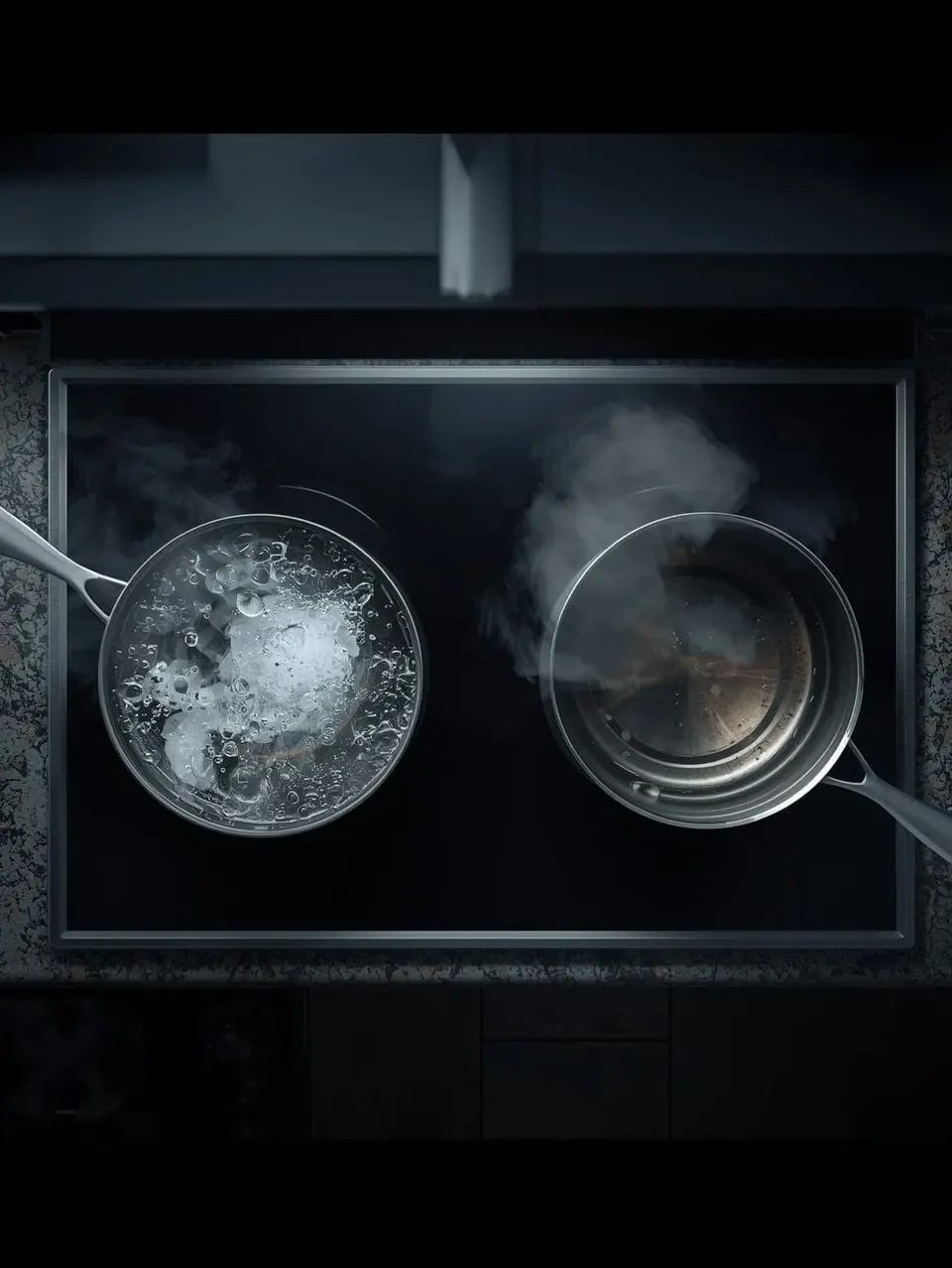
The main difference is temperature: boiling happens at 212°F with big, rolling bubbles, while simmering occurs at 180-190°F with gentle, occasional bubbles just breaking the surface.
I used to think heat was just heat until I wrecked my first batch of homemade soup by letting it boil like crazy. That's when I realized that simmering creates a calm environment where proteins relax instead of getting all tough and rubbery.
It's kind of like the difference between a gentle massage and getting tossed around in a washing machine! Knowing when to use each technique really changed how I cook.
From tender stews to pasta that doesn't turn to mush, understanding these two methods can help you nail just about any recipe. Let's break down the science, share some kitchen stories, and give you the confidence to master both.
Understanding Simmering and Boiling
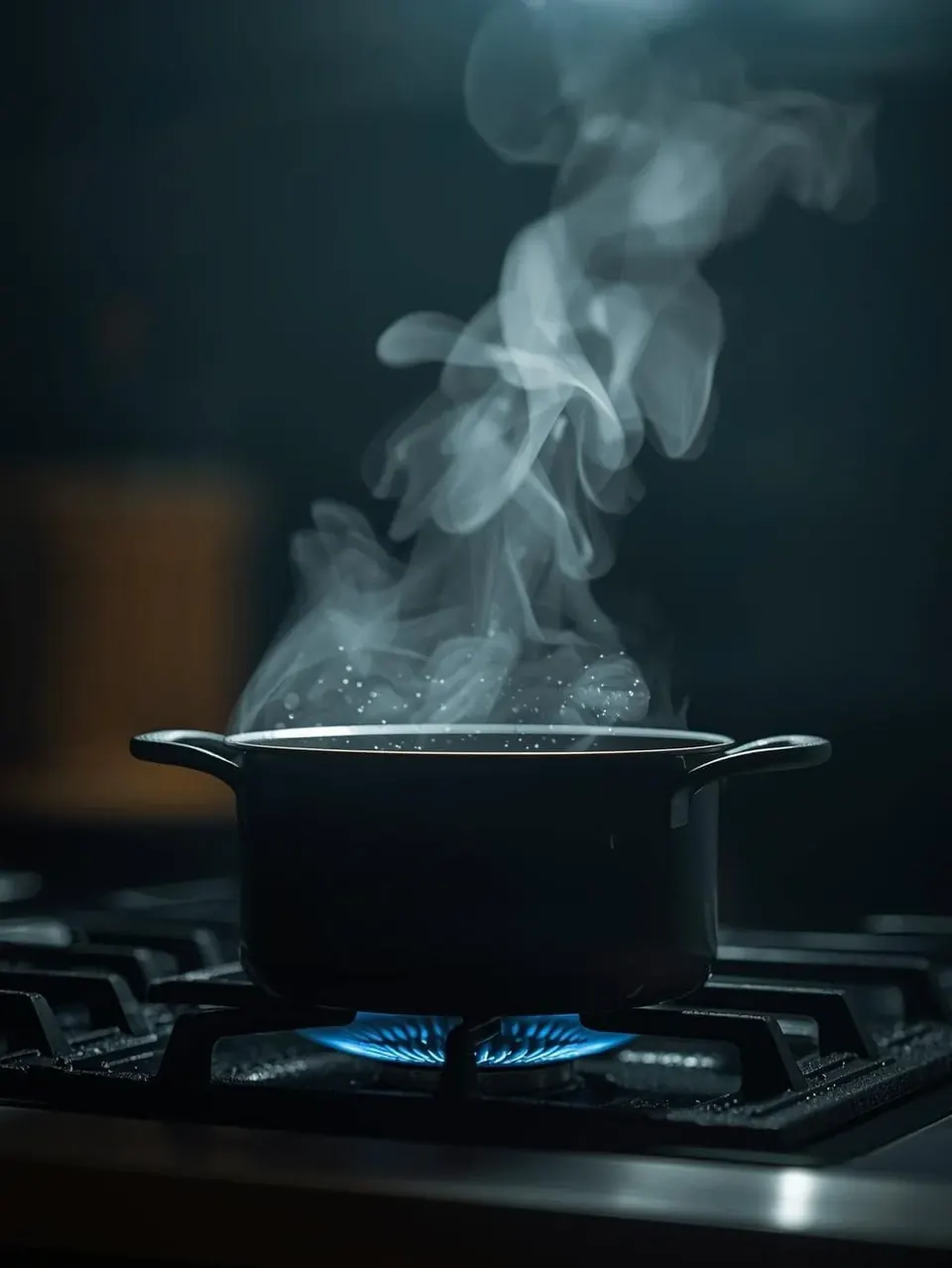
The main difference comes down to temperature and bubble activity. Boiling hits 212°F with wild bubbles, while simmering stays lower, around 185-205°F, with gentle, slow bubbles.
I'll show you what to look for and when to use each method.
Definitions and Core Differences
When I first started cooking, I honestly thought boiling and simmering were basically the same thing. Turns out, they're like cousins—similar, but totally different personalities.
Boiling is the wild one. The liquid gets to its boiling point and creates rapid, rowdy bubbles that break the surface nonstop.
Picture your pot throwing a party—lots of movement, lots of noise.
Simmering is the calm sibling. Simmering means you bring a liquid to its boiling point, then reduce the heat to just below that.
The bubbles are gentle and rise slowly. I use boiling when I want things done fast, like pasta or blanching veggies.
Simmering is my go-to for delicate stuff like making stocks or cooking proteins that would get tough with too much heat.
Boiling Point and Temperature Ranges
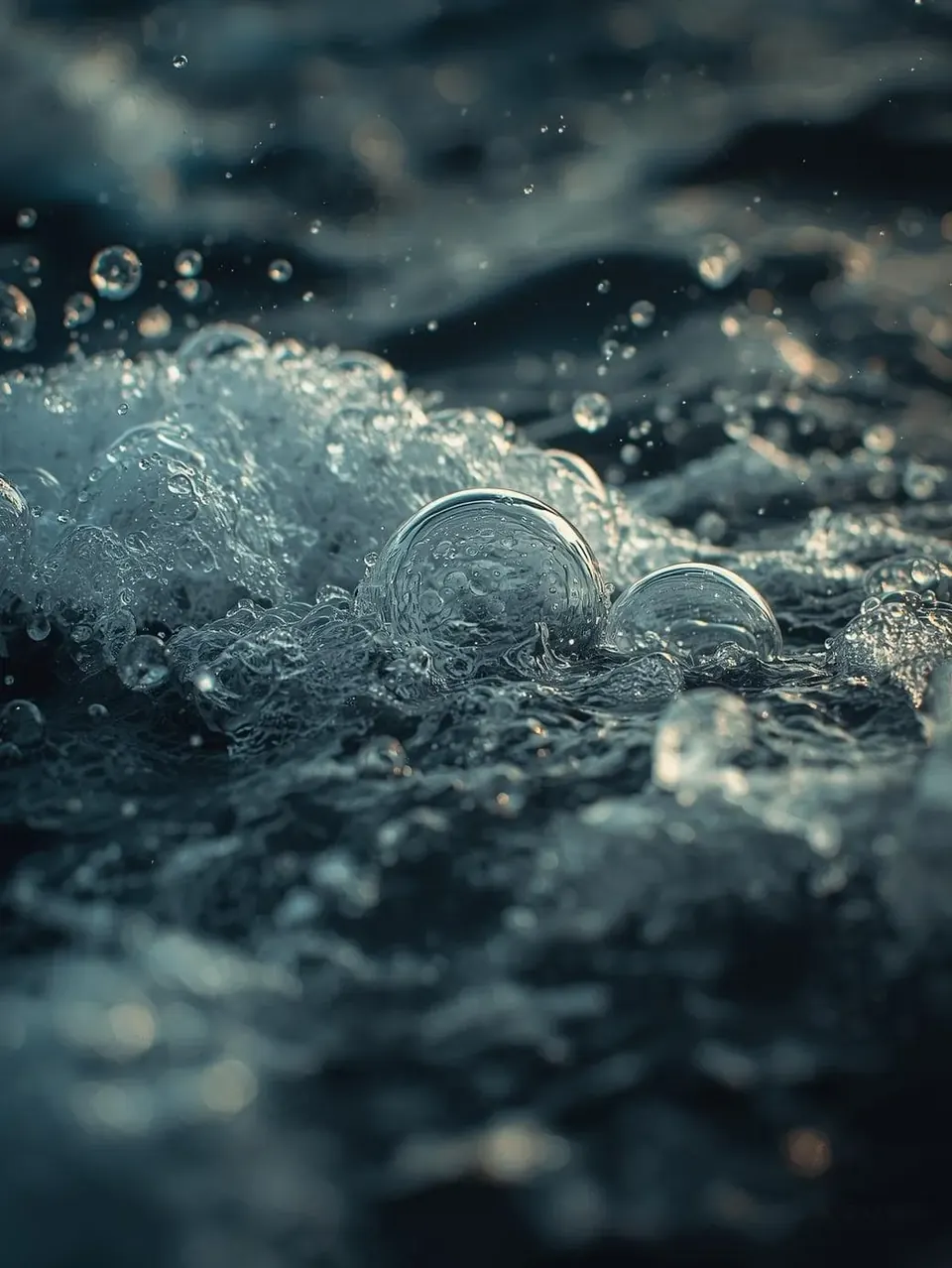
Let's get into the numbers that actually matter. Water boils at 212°F, and that's when you see those big, rolling bubbles.
Temperature ranges I keep in mind:
Full boil: 212°F (100°C)
Rolling boil: 212°F, constant bubbling
Simmer: 185-205°F (85-96°C)
Gentle simmer: 185-195°F
The simmering range gives you control over how gentle you want things. I adjust my heat to stay in that sweet spot where bubbles form slowly and rise lazily.
Visual Cues and Signs
Honestly, I don't always use thermometers. The bubbles tell me everything.
When boiling:
Big bubbles break the surface fast
Constant churning and movement
Steam rising like crazy
A rolling boil means the bubbles never stop
When simmering:
Small bubbles rise gently
Only occasional bubble breaks
Light steam, nothing wild
The liquid moves, but doesn't churn
These visual cues work better for me than constantly measuring temperature. Once you know what to look for, you can tweak the heat instantly.
How Simmering and Boiling Affect Food
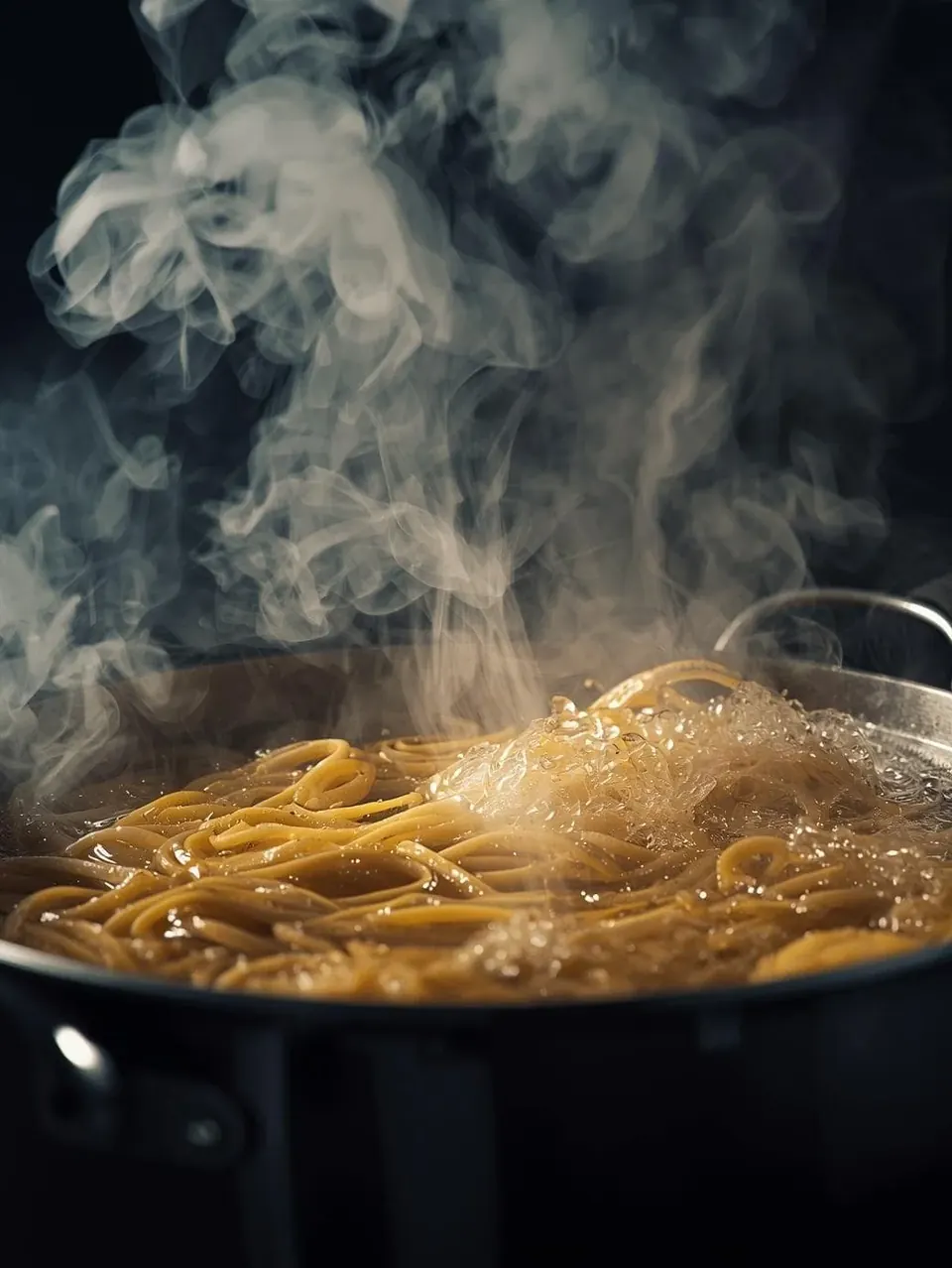
The method you pick really changes your dish. Simmering keeps food tender and lets flavors develop, but boiling can make things mushy and zap out nutrients faster.
Texture and Flavor Development
These methods make my food taste and feel totally different. When I simmer, I get gentle bubbles that let flavors build without turning veggies to mush.
Why simmering works:
Proteins stay tender, not tough
Veggies keep their shape
Flavors blend together slowly
Boiling hits my food hard. It's great for pasta, but a disaster for delicate ingredients.
I've ruined soups by letting them boil when they should've simmered. My rice turns out fluffy when I simmer because starchy foods like rice absorb liquid evenly.
Nutrient Loss and Retention
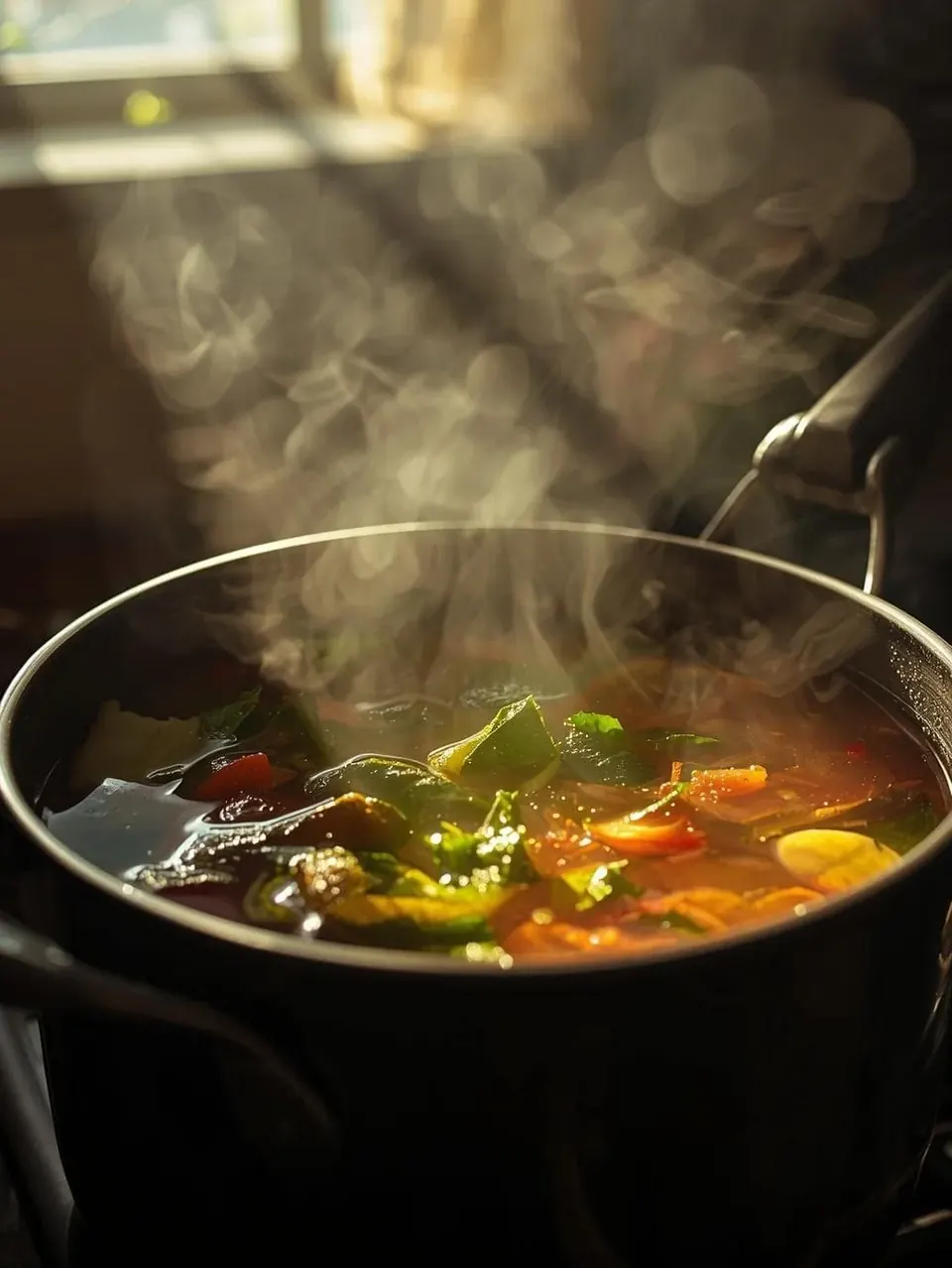
I care about keeping meals healthy, so I pay attention to nutrients. Both methods lose some nutrients, but the amount changes with time and heat.
Boiling pulls more water-soluble vitamins like C and B into the water. If I pour out pasta water or veggie water, I'm literally dumping nutrients.
Simmering is gentler. The lower temp means less breakdown of delicate vitamins.
How I save nutrients:
Use cooking liquid in soups or sauces
Keep cooking time short
Simmer vitamin-rich veggies instead of boiling
Impact on Cooking Speed
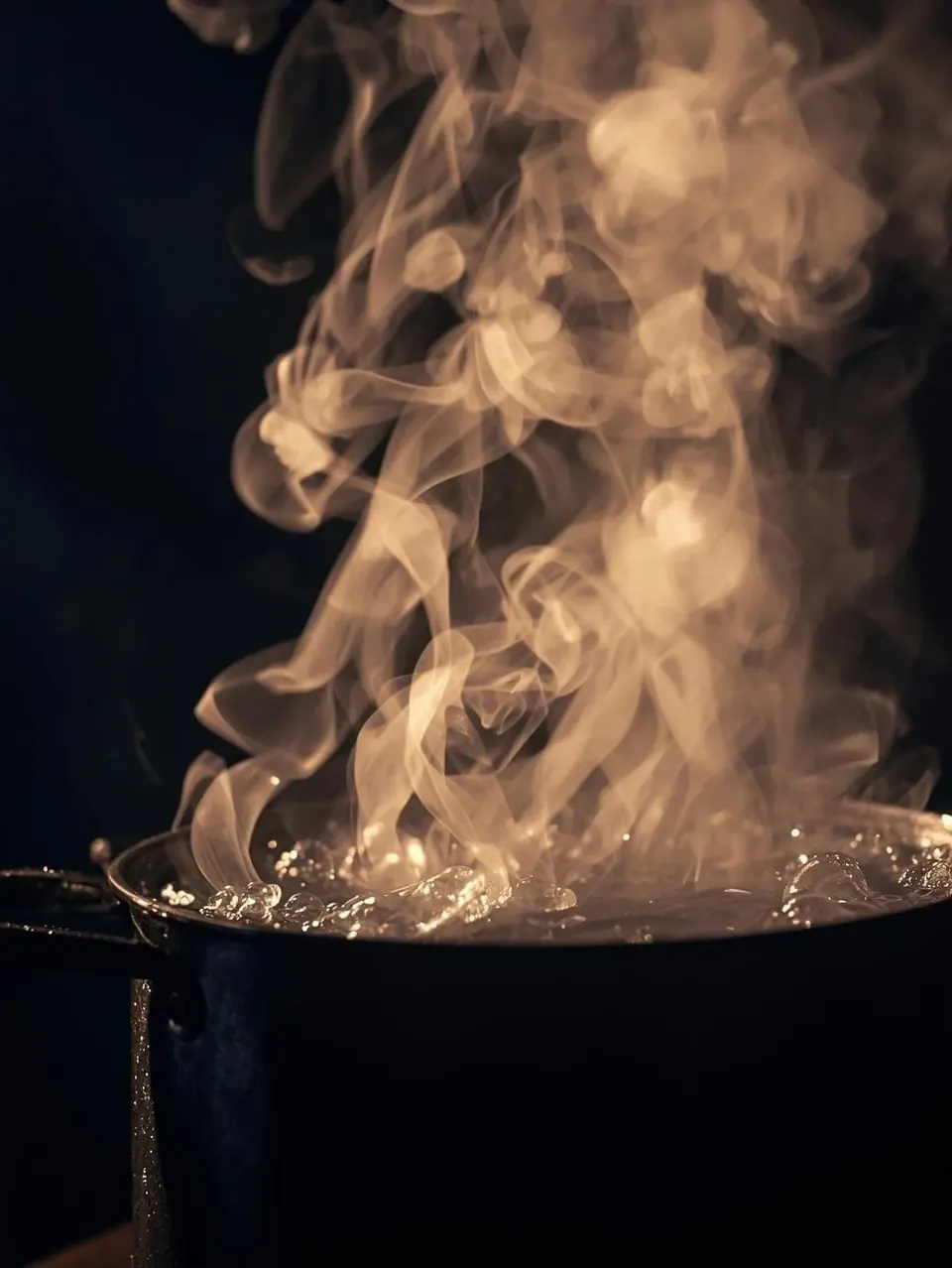
Boiling cooks food faster than simmering. The higher heat and wild bubbles transfer energy quickly.
Boiling gets my pasta done in 8-12 minutes. Potatoes take 15-20 minutes. It's my move when I'm in a hurry.
Simmering takes more patience. My chicken breasts need 20-25 minutes instead of 15.
The trade-off? Better texture and flavor when I go slow, but boiling is perfect for sturdy stuff that can handle it.
When to Use Simmering vs Boiling
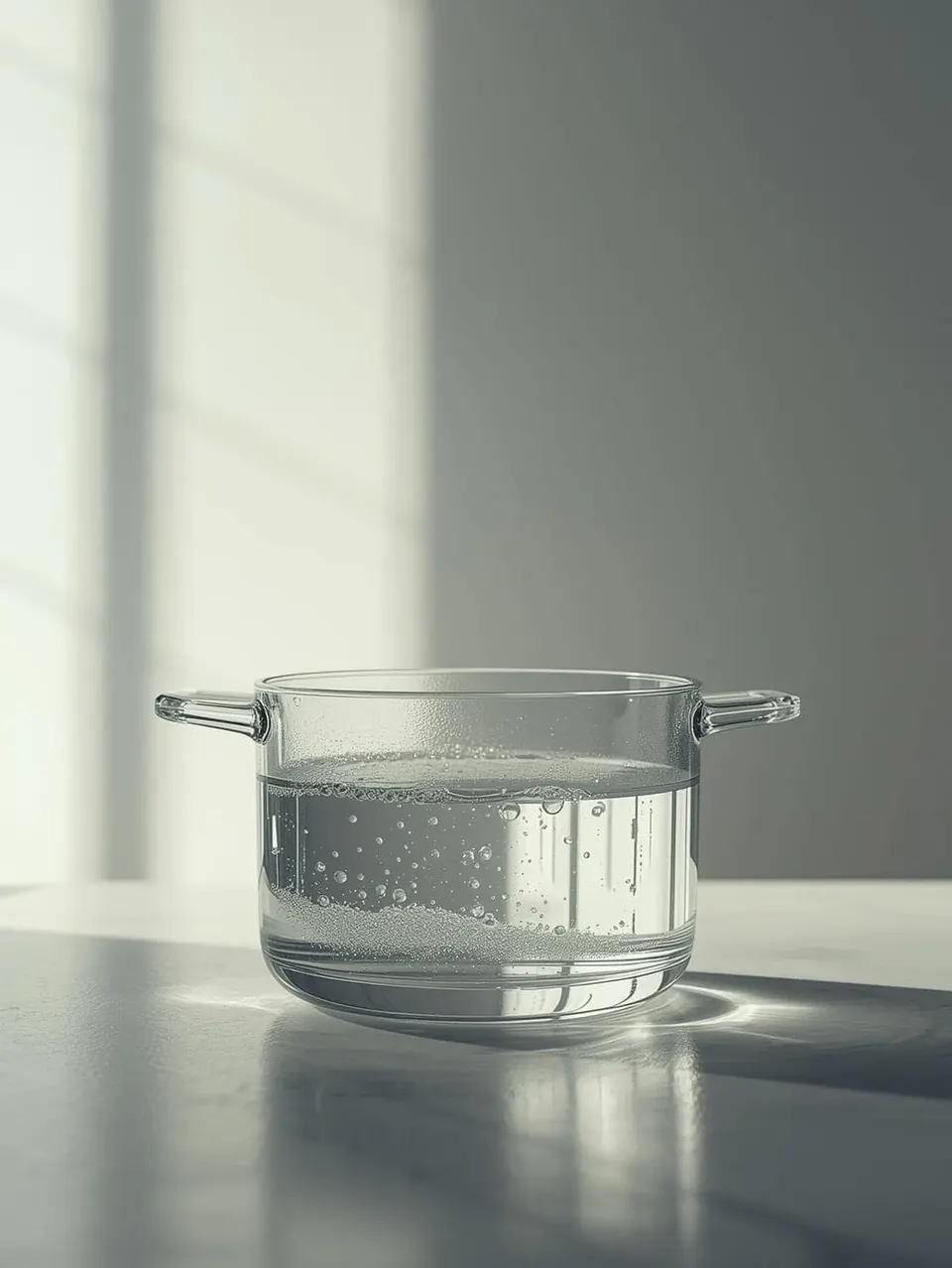
Choosing between simmering and boiling can make or break a dish. Tough meats need gentle simmering to break down, pasta needs wild boiling, and delicate sauces need careful heat to avoid curdling.
Cooking Tough Cuts of Meat
When I'm working with tough cuts, simmering is my best friend. These cuts have lots of connective tissue that need time and gentle heat to break down.
I always start by bringing my braising liquid to a boil, then drop it to a gentle simmer. The gentle heat lets the meat get tender without going tough.
Great cuts for simmering:
Chuck roast
Brisket
Pork shoulder
Short ribs
Boiling would just make them rubbery. I've made that mistake—don't do it!
For braising, I keep the liquid just barely bubbling for 2-4 hours, depending on the meat.
Preparing Pasta and Grains
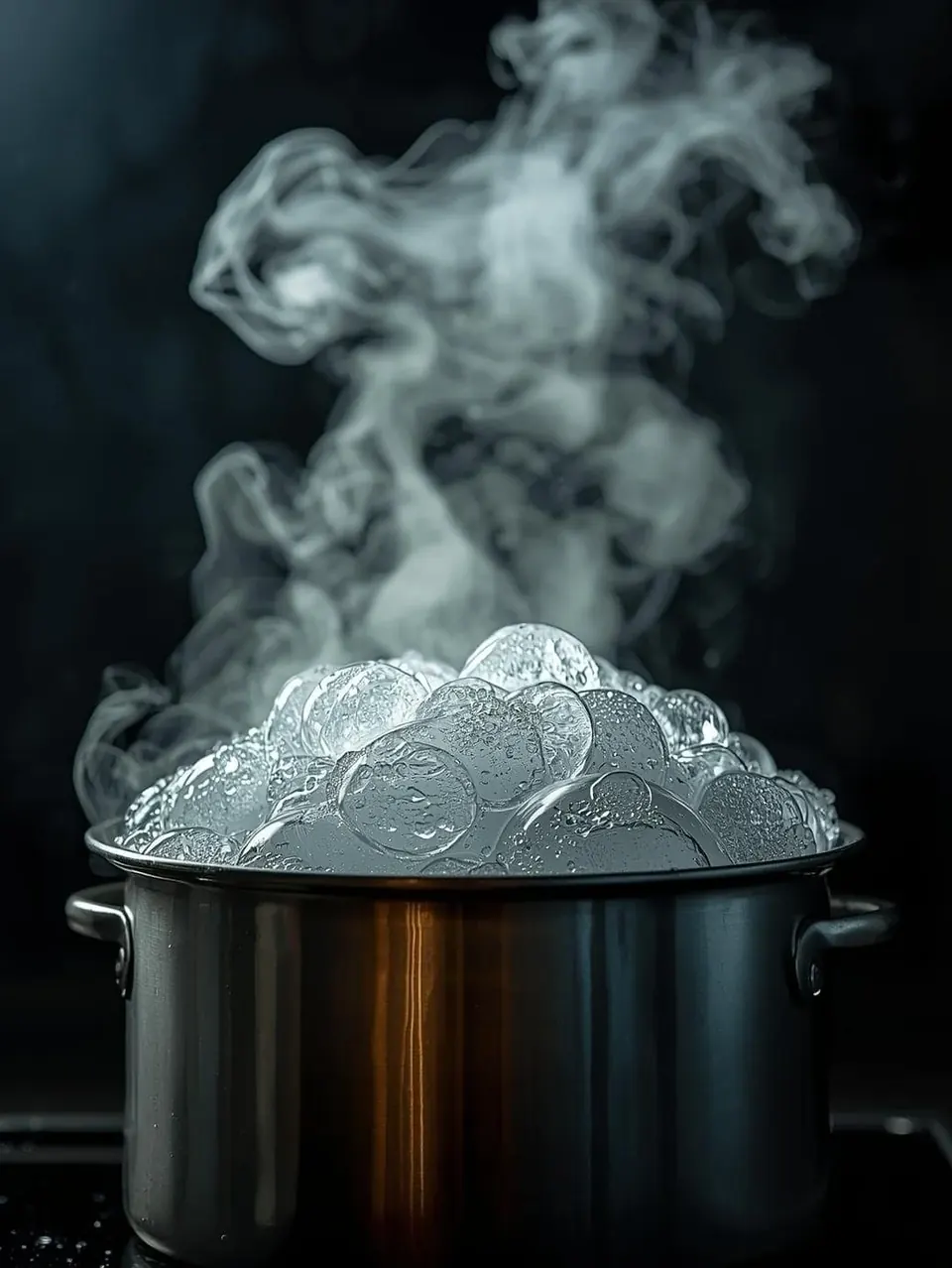
Pasta needs a rolling boil, every time. I want that 212-degree temperature to keep pasta from getting gummy.
Here's how I do it:
Bring water to a rolling boil—big bubbles, lots of movement
Add salt until it tastes like the ocean
Add pasta, keep the boil going
Stir now and then so it doesn't stick
Rice and grains are different. I bring them to a boil, then drop to a simmer and cover. That way, the grains don't get beat up.
Pasta needs the bubbling action, grains need gentle heat to soak up liquid.
Cooking Soups, Stews, and Sauces
This is where simmering really shines. Soups and stews need time for flavors to blend, and simmering creates a calm environment.
I start stocks and broths with a boil to extract flavors, then drop to a simmer for hours. Boiling makes broth cloudy and veggies mushy.
How long I simmer:
Chicken stock: 2-3 hours
Beef stock: 4-6 hours
Vegetable soup: 30-45 minutes
Tomato sauce: 1-2 hours
For sauces like hollandaise or custard ones, I never let them boil. The proteins would curdle right away.
Cream soups are tricky too. I add the cream at the end and just warm it through with a light simmer.
Cooking Methods and Techniques
Simmering and boiling create different textures and flavors. Gentle methods like poaching are perfect for delicate foods, while rapid boiling is best for quick jobs.
Poaching and Gentle Simmering
I love gentle simmering when I want to bring out flavors without beating up my food. This gentle method keeps temperatures around 180-190°F, with tiny bubbles barely breaking the surface.
Poached eggs are my favorite example. The water should look like it's just barely moving.
Good for:
Poached eggs and fish
Delicate sauces
Tough meats that need time
When I make chicken stock or beef stew, I simmer for hours. The low heat breaks down tough fibers without making the meat stringy.
Blanching and Rapid Boiling
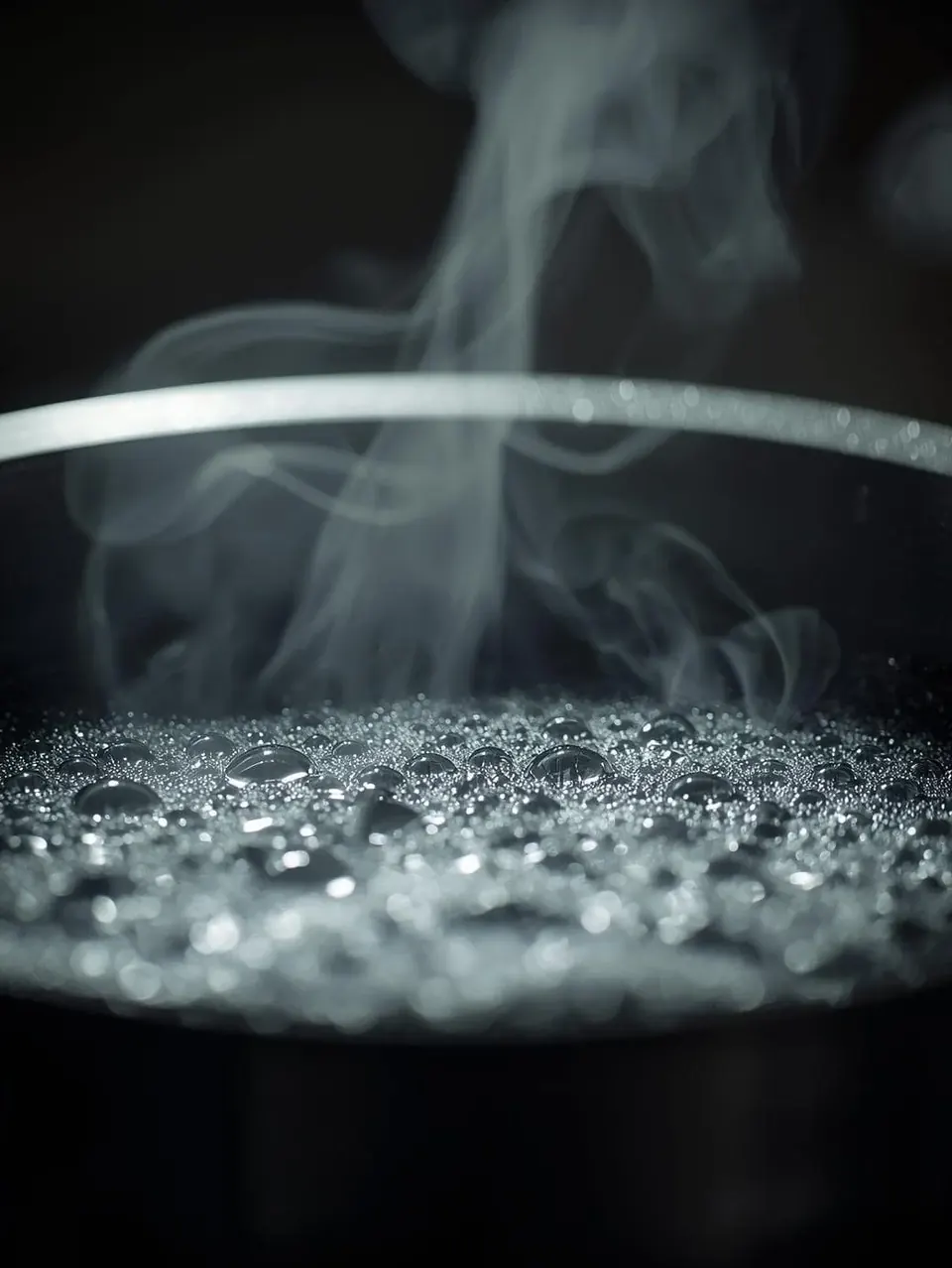
This is where I crank the heat! Rapid boiling is 212°F with big, wild bubbles.
Blanching veggies is my favorite fast trick. I drop green beans or broccoli into boiling water for 2-3 minutes.
How I blanch:
Get water to a rolling boil
Drop in veggies
Cook for 2-4 minutes
Plunge into ice water right away
For pasta, it's always rapid boiling. The rolling bubbles help sauce stick and cook noodles evenly.
Tips for Heat Control
Heat control is everything. My stove's medium-low works for simmering, high heat for boiling.
What I do:
Start high, then lower for simmering
Use a heavy-bottomed pot for steady heat
Watch the bubbles, not just the temp
Adjust heat slowly—sudden changes can mess things up
The key difference between these techniques is bubble size and action. I look for lazy bubbles when simmering, wild ones when boiling.
Sometimes I mix both. I'll start with boiling to heat everything up, then switch to simmering to finish. It's like having two tools in one.
Choosing the Right Technique for Your Recipe
The secret to great dishes is matching your cooking method to your ingredients. Delicate proteins need gentle heat, while rich stocks come out best with a long simmer to pull out flavor.
Cooking Delicate Foods
I've learned the hard way that delicate ingredients are basically the drama queens of the kitchen. They need special treatment!
Fish, eggs, and tender veggies absolutely hate aggressive boiling. When I'm poaching fish, I keep the water at a gentle simmer.
Those tiny bubbles barely breaking the surface—yeah, that's perfect. Boiling will turn your beautiful salmon into rubber.
Eggs are another story entirely. I simmer them for soft-boiled perfection or when making custards.
The gentle heat prevents curdling and keeps proteins tender. Here's what gets the simmer treatment in my kitchen:
Fish fillets and whole fish
Delicate vegetables like asparagus
Egg-based sauces and custards
Tender cuts of meat
The key difference in cooking delicate foods is that simmering keeps things tender. Boiling, on the other hand, can make them tough or totally fall apart.
Developing Flavor in Stocks and Broths
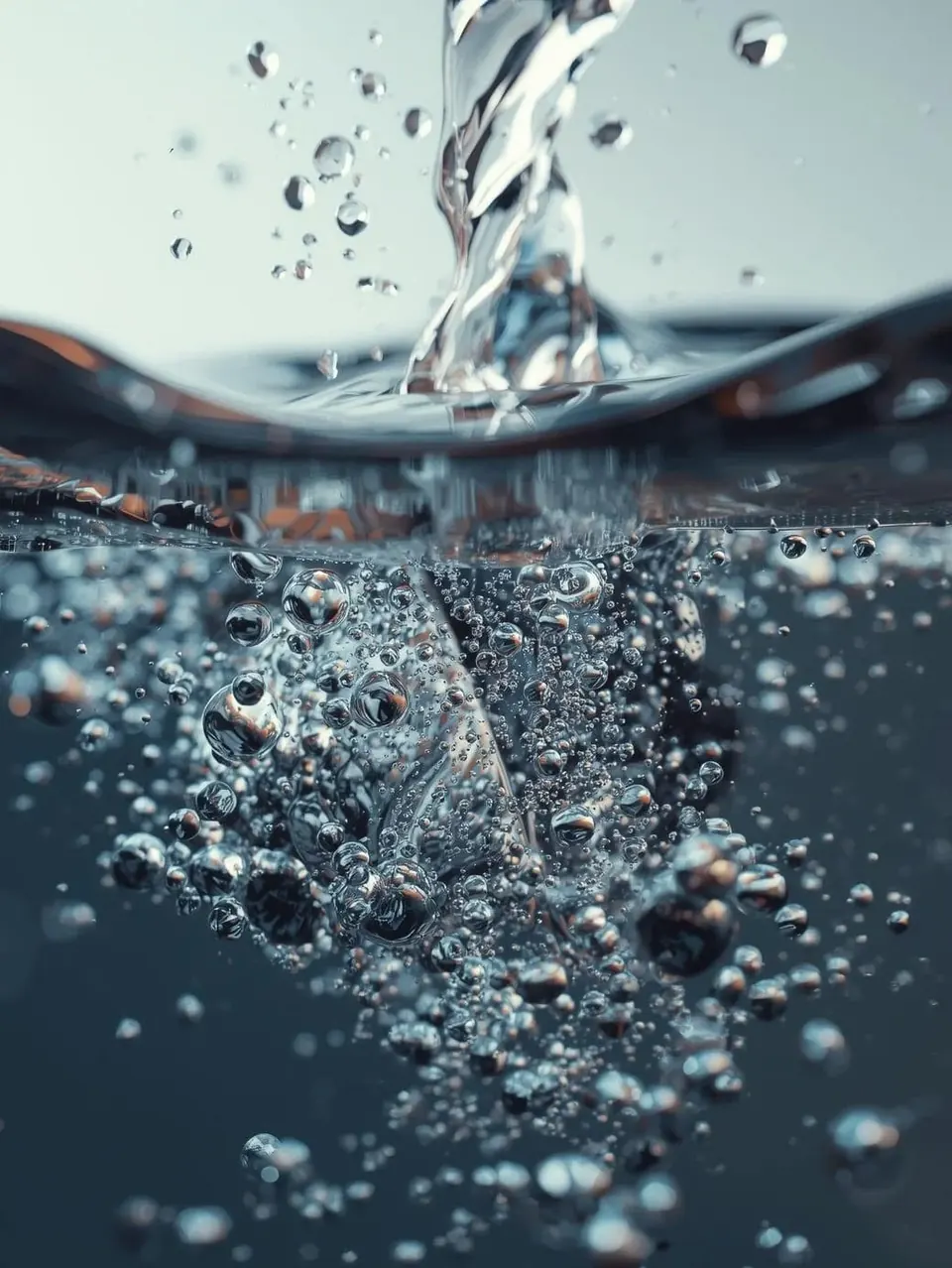
This is where I get really excited about simmering! Making stocks and broths is like conducting a flavor orchestra.
You want all those ingredients singing together, not shouting over each other. I always simmer my chicken stock for hours.
The gentle heat slowly pulls out collagen from bones and connective tissue. This gives that rich, gelatinous texture that makes soups taste like they came from a fancy restaurant.
Boiling stock is my biggest pet peeve. It makes the liquid cloudy and toughens proteins.
Plus, you lose precious liquid to evaporation way too fast. My go-to simmering times:
Chicken stock: 3-4 hours
Beef bone broth: 8-12 hours
Vegetable broth: 1-2 hours
Adjusting Methods for Best Results
I've discovered that switching between techniques mid-recipe is totally normal. Honestly, it's often necessary!
Start by bringing liquids to a boil, then reduce to simmer. For pasta, I bring water to a rolling boil first.
Once I add the noodles, I might reduce to a gentle boil to prevent overflow. That way, I keep the right cooking temperature without chaos.
When I'm making risotto, I keep my stock at a steady simmer in a separate pot. Adding cold stock would shock the rice and ruin the creamy texture I'm working so hard to get.
Quick reference for method switching:
Start with boiling to heat quickly
Reduce to simmer for gentle cooking
Return to boil if you need to reduce liquid fast
The choice between boiling and simmering really depends on your recipe and what you want in the end. I always read the recipe twice before deciding which technique to use!
Frequently Asked Questions
I get asked about these cooking techniques all the time. The confusion makes sense!
The temperature differences, visual cues, and cooking benefits can seem tricky at first. But once you know what to look for, it becomes second nature.
What's the difference between simmering and boiling when cooking?
The main difference comes down to temperature and bubble action. Boiling happens at 212°F with big, wild bubbles that break the surface fast.
Simmering is cooler, typically around 180-205°F. The bubbles are smaller and gentler.
They might barely break the surface or just hang out at the bottom of the pot. I think of boiling as the energetic friend who can't sit still, while simmering is more like a calm, steady chat.
How can I tell if my liquid is simmering instead of boiling?
Look at those bubbles! When I'm simmering, I see tiny bubbles forming on the bottom of the pot.
Only a few make it to the surface. The liquid should have gentle movement, not the aggressive churning you see with boiling.
If steam is rising but the surface looks pretty calm, you've probably hit that sweet simmering spot. I usually adjust my heat until I get just a few lazy bubbles breaking the surface every second or two.
What are the benefits of simmering over boiling for certain recipes?
Simmering is my go-to for delicate foods that need gentle treatment. It helps preserve more nutrients since the lower temperature doesn't destroy as many vitamins.
For proteins like chicken or fish, simmering keeps them tender instead of tough and rubbery. I love how it lets flavors develop slowly in soups and stews without turning veggies into mush.
Rice and other grains absorb liquid more evenly when simmered. The gentle heat keeps them from getting mushy on the outside while staying hard inside.
How does simmering affect the texture and flavor of food compared to boiling?
The texture difference is huge! Simmering keeps foods intact.
Boiling can break them apart with its aggressive bubbling. I notice that simmering lets flavors meld together beautifully.
The gentle heat gives ingredients time to release their essences. Boiling cooks things fast but can make proteins tough and veggies mushy.
Simmering respects the natural structure of food while still getting it cooked through.
At what temperature does water start to simmer, and at what temperature does it boil?
Water starts simmering around 180°F and goes up to about 205°F before it boils. Boiling point hits exactly 212°F at sea level.
The simmering range gives me plenty of wiggle room to find the right heat level. I don't need a thermometer—I just watch for those gentle bubbles.
Altitude affects these temperatures, so if you're cooking in the mountains like I sometimes do, everything happens a bit lower.
Can you offer any tips for controlling the heat to maintain a simmer?
Start by bringing your liquid to a full boil. Then reduce the heat to achieve a proper simmer.
I find this method gives me more control than trying to hit a simmer right away. Usually, I use medium-low to low heat on most stovetops.
Every burner acts a little differently. Gas stoves react faster to changes than electric ones, so I make smaller adjustments with gas.
Keep an eye on the pot for the first few minutes after you change the heat. The temperature can drift while your pot and burner settle, so I often end up making a few more tweaks.