

Honestly, I used to think roasting and baking were just different ways to say, "throw it in the oven and hope for the best." After years of trial and error (and a few kitchen disasters), I realized there's actually a reason for the madness.
The main difference between roasting and baking is the temperature. Roasting happens at 400°F or higher, while baking stays at or below 400°F.
Once I got this temperature rule down, my cooking changed. No more weird "roasted" cookies or sad, pale "baked" chicken.
The temperature difference between roasting and baking isn’t just some random rule. It actually changes the texture, flavor, and look of your food.
I was shocked to learn that these two techniques work best with different foods. They also create unique chemical reactions that transform your ingredients in cool ways.
From learning which foods love high roasting heat to figuring out the gentle art of baking, knowing when to roast or bake feels like a secret kitchen weapon.
Fundamental Differences Between Roasting and Baking
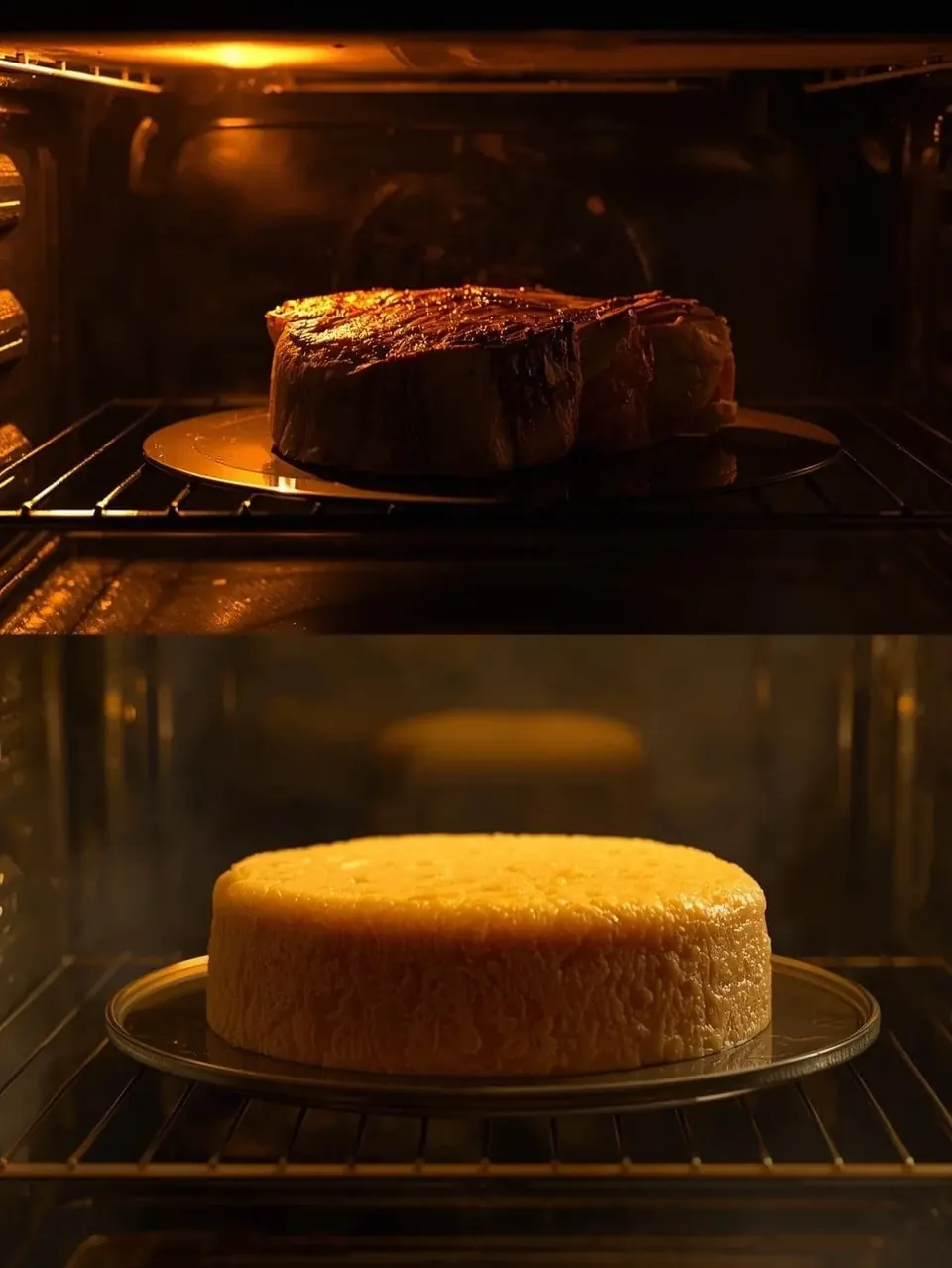
I've spent hours in my kitchen flipping between roasting and baking. Trust me, it’s not just about turning a dial.
The temperature ranges and cooking techniques give you different results. The dry heat transforms your food in unique ways.
Core Cooking Methods
Both roasting and baking use dry heat in the oven, but they’re more like distant cousins than twins. When I roast, I use intense heat to get that beautiful golden exterior.
Roasting sends hot air swirling around your food at high temps. It creates crispy outsides and keeps the inside tender.
I love how roasting caramelizes the sugars in veggies and gives meat a perfect crust.
Baking uses gentler heat that wraps around your food more evenly. This lets everything cook slowly and all the way through.
When I’m baking bread or cakes, I need that steady heat so nothing burns or stays raw.
Convection ovens work great for both, but I think they really shine with roasting. The fan helps things brown even more.
Temperature Range and Oven Settings
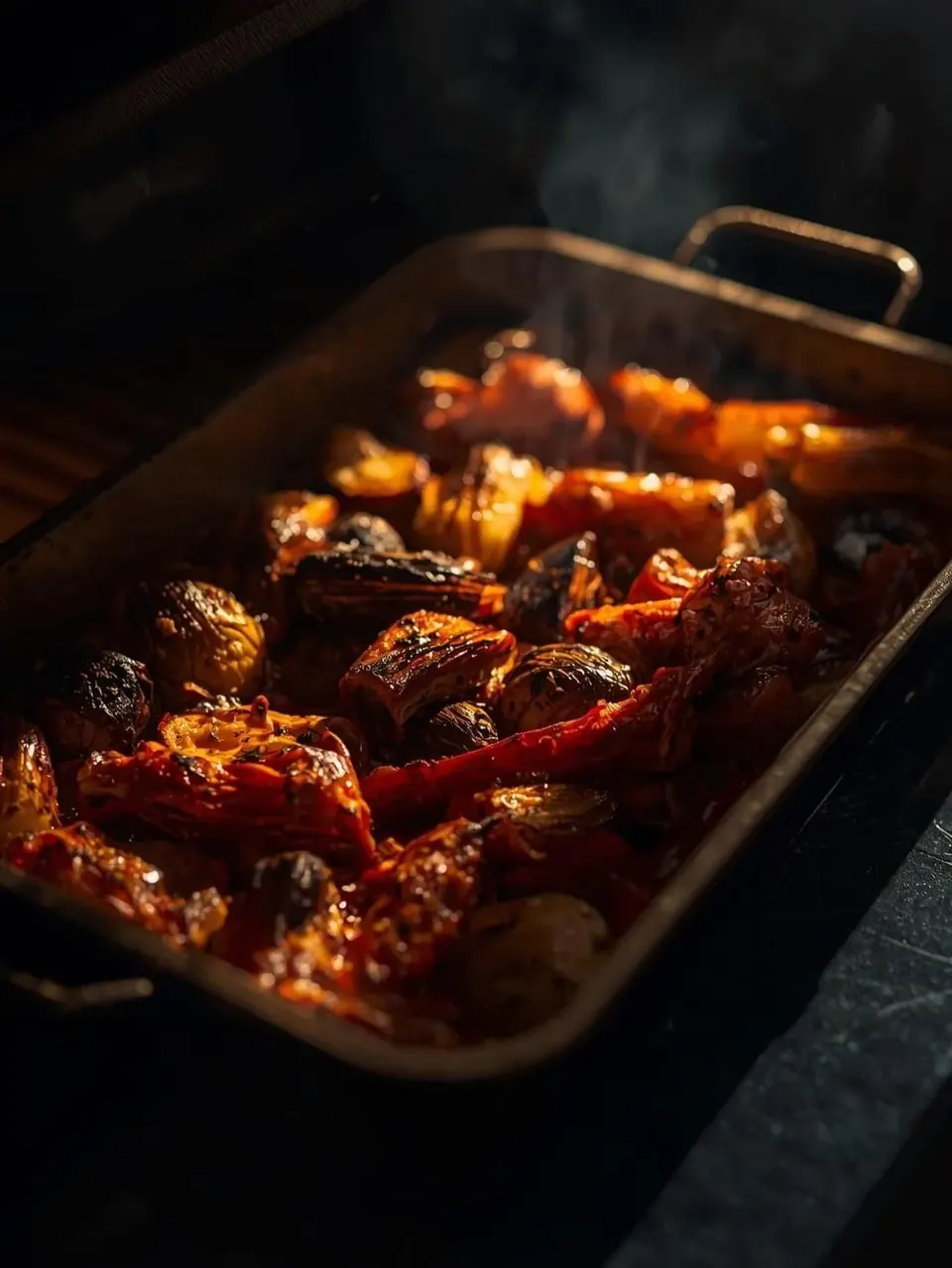
Here’s where things get real. Temperature makes or breaks your dish.
Roasting temperatures:
Above 400°F
Usually 425°F to 500°F
High heat gives you fast browning
Baking temperatures:
375°F and below
Usually 300°F to 375°F
Lower heat means gentle cooking
My oven temperature choice totally changes how things turn out. Roast veggies at 450°F and you get caramelized, crispy edges. Bake a cake at that heat? Yikes.
Convection oven settings can lower these temps by about 25°F because the fan makes the heat more efficient.
Transformation of Ingredients
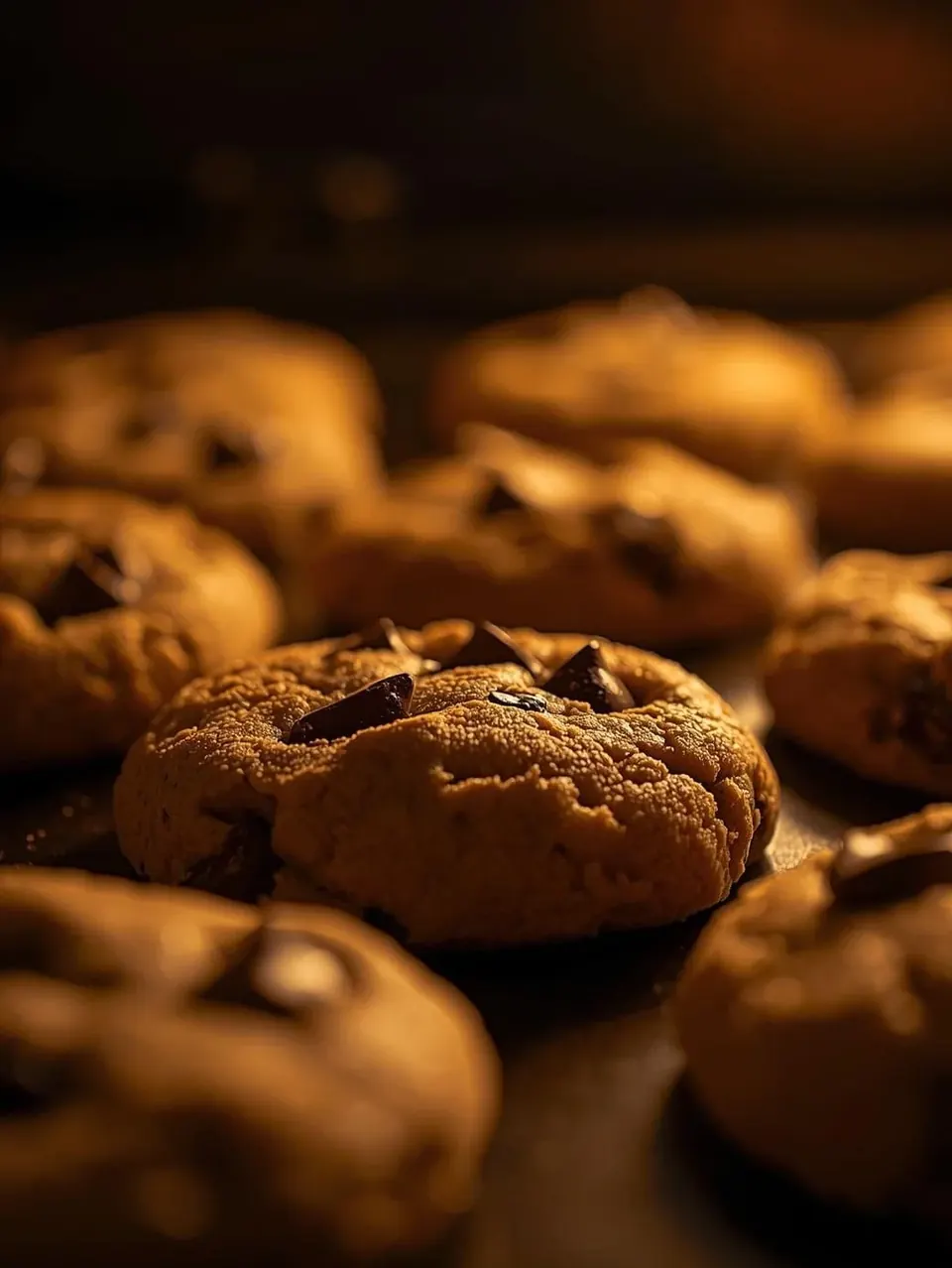
This is the fun part! The way heat changes your food is totally different for roasting and baking.
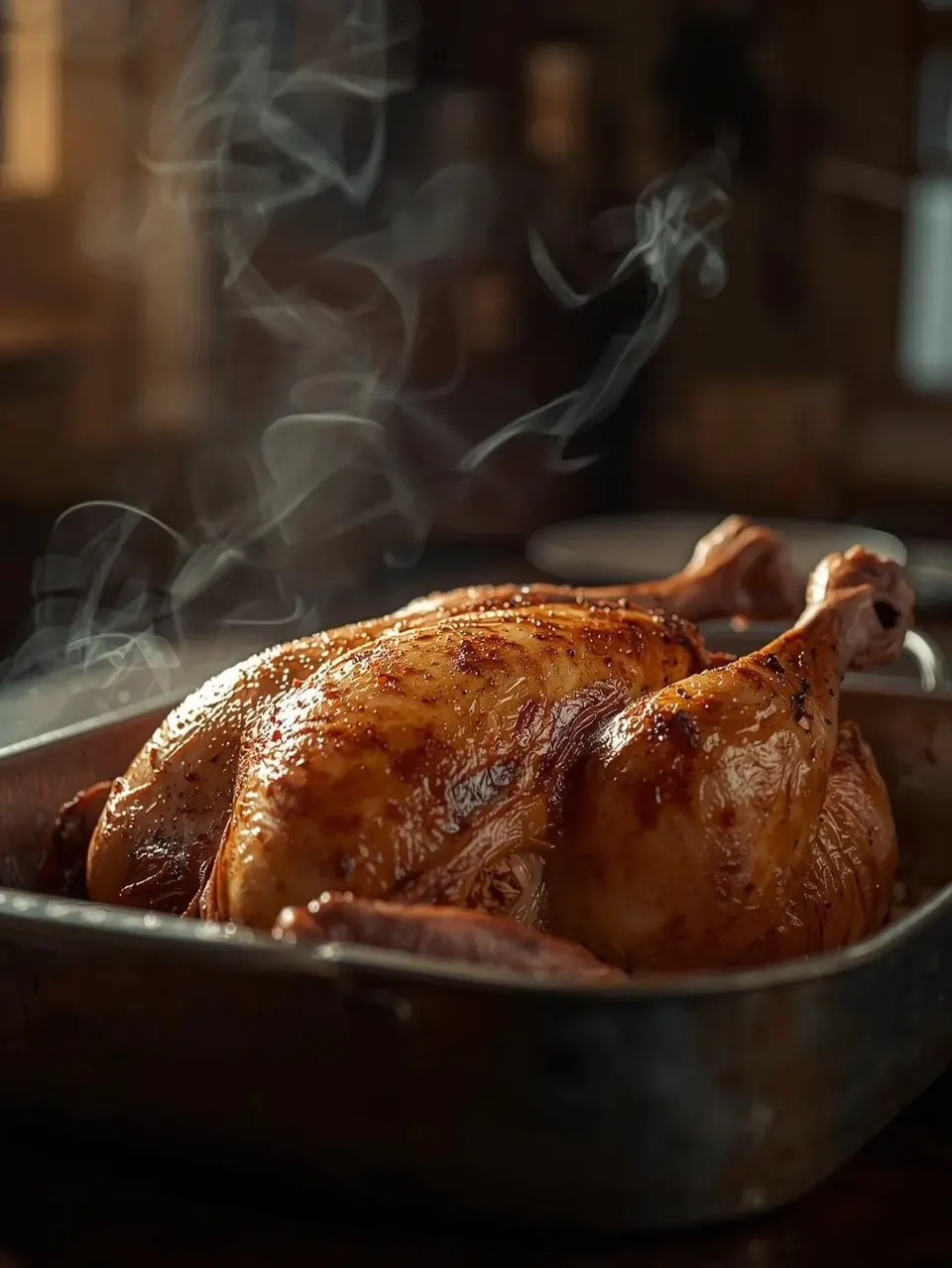
Roasting’s high heat kicks off the Maillard reaction—that’s the science-y name for browning and deep flavors. I see this when chicken skin crisps up or root veggies turn golden.
Baking is more gentle. Proteins set slowly, starches thicken, and moisture leaves at a steady pace.
That’s why my muffins rise just right and casseroles cook through without burning.
Roasting gives you way more browning. You get crispy outsides and bold flavors that baking just can’t match at lower temperatures.
Foods Best Suited to Roasting
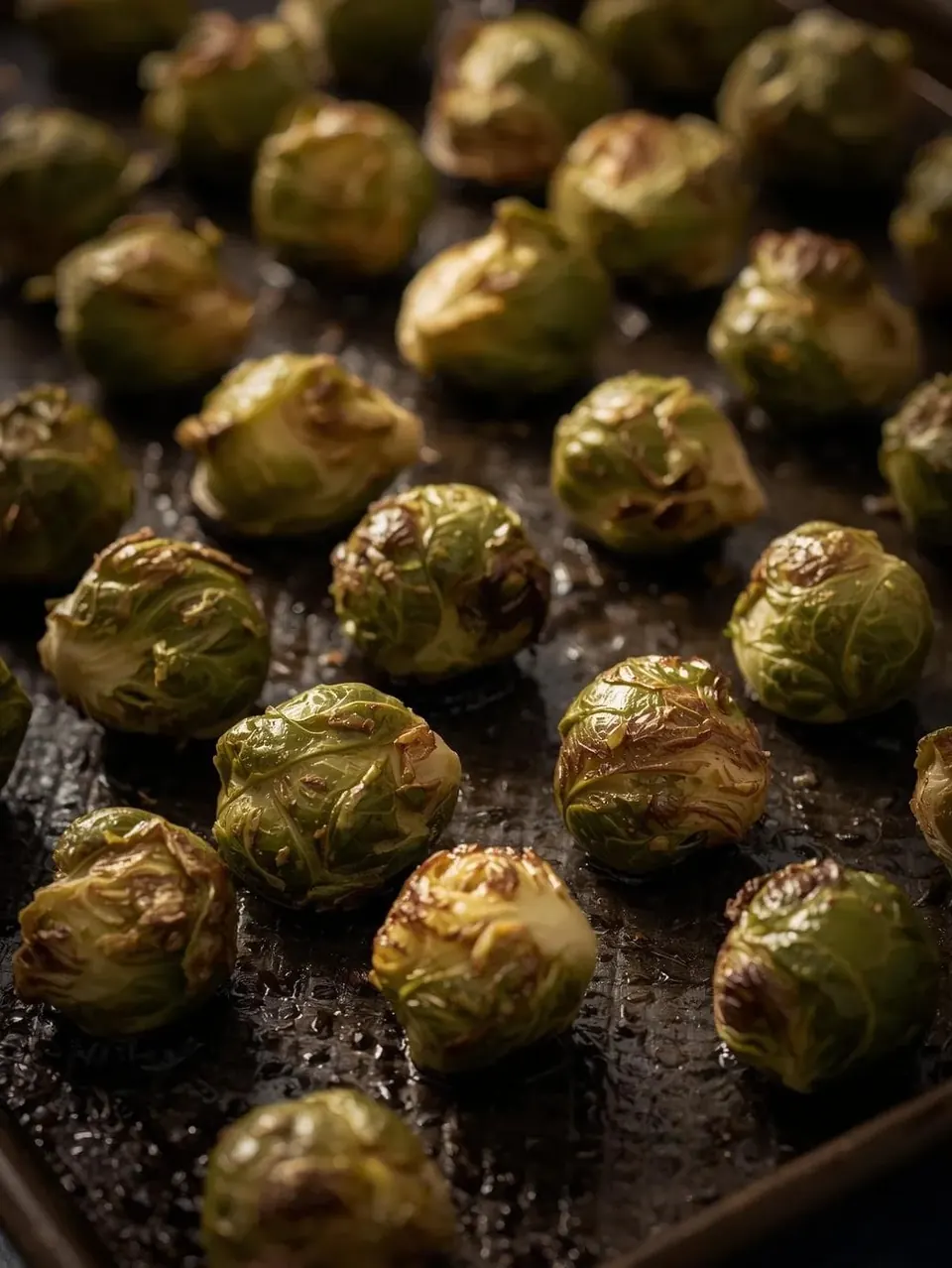
Roasting works its magic on big cuts of meat like whole chickens and beef roasts, hearty veggies, and nuts that need that golden crunch.
The high, dry heat brings out flavors you just can’t get any other way.
Roasting Meats and Whole Poultry
Pulling a perfectly roasted chicken from the oven is the best feeling! I always choose roasting for whole chickens, beef roasts, pork loins, or lamb shoulders.
Roasting’s high heat gives you golden-brown skin and juicy insides. I usually roast between 325°F and 425°F, depending on the meat.
Best meats for roasting:
Whole chickens and turkeys
Prime rib and beef roasts
Pork shoulders and loins
Leg of lamb
Duck and other whole birds
Tougher cuts like beef or lamb are perfect for roasting. The long cooking time breaks down fibers, leaving you with fork-tender meat and amazing flavor.
Roasting Vegetables
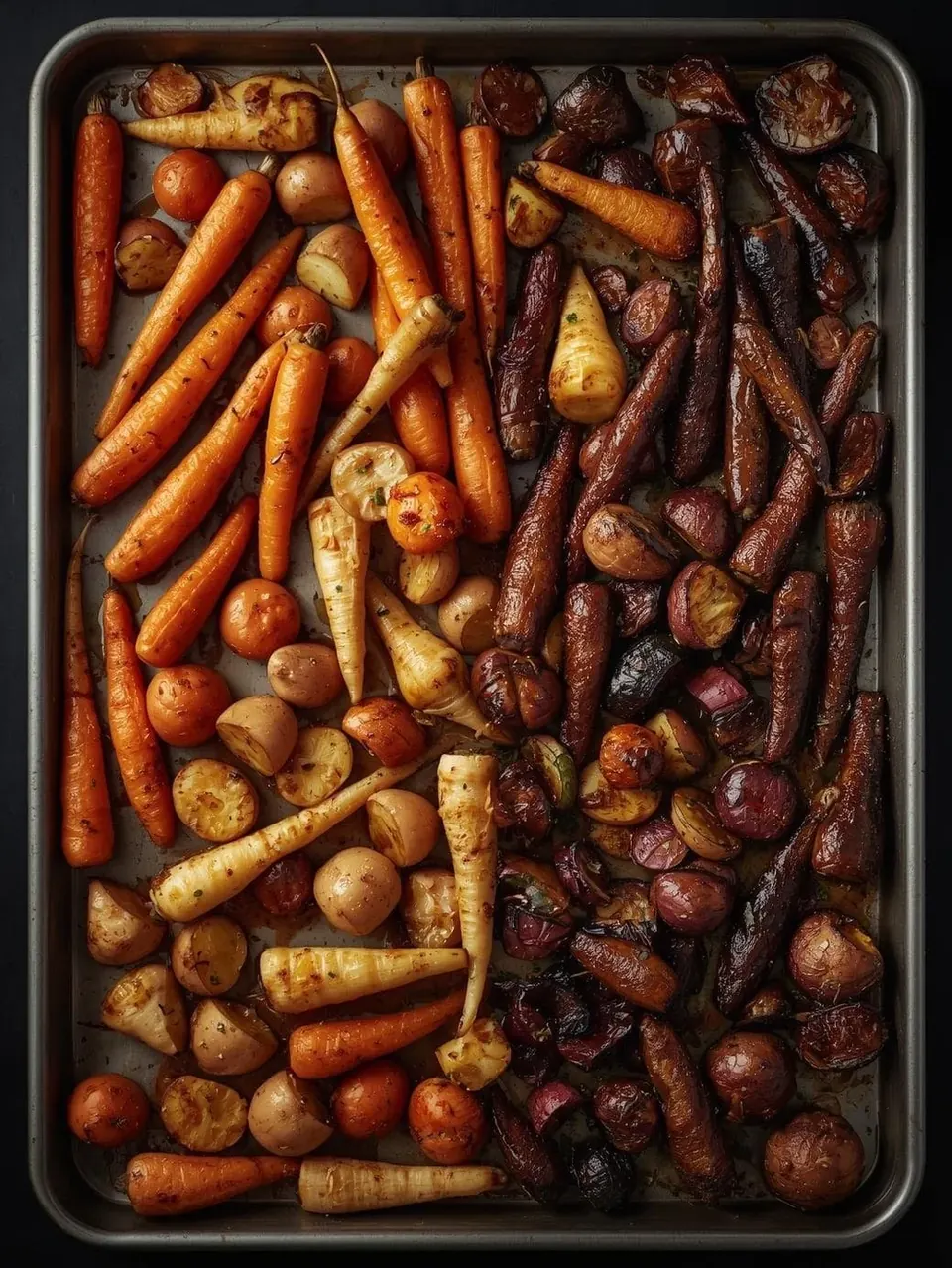
Roasted veggies made me love vegetables again! High heat brings out natural sugars I never noticed before.
Brussels sprouts go from bitter to crispy and caramelized. Cauliflower gets these brown, nutty edges that are so good.
My go-to veggies for roasting:
Root veggies (potatoes, carrots, parsnips)
Brussels sprouts and cauliflower
Squash and sweet potatoes
Bell peppers and onions
Broccoli and asparagus
I cut everything about the same size so they cook evenly. A quick toss with olive oil, salt, and some herbs, and I’m good.
Roasting brings out sweetness and gives veggies a slightly charred, caramelized taste that even picky eaters love.
Nuts, Seeds, and Other Commonly Roasted Foods
I’m kind of obsessed with roasting nuts and seeds at home. The flavor is way better than store-bought.
Raw almonds turn buttery and rich, and pumpkin seeds get super crunchy.
Perfect for roasting:
Almonds, walnuts, pecans
Pumpkin seeds, sunflower seeds
Chickpeas for a protein snack
Coffee beans (if you’re feeling bold)
Roasting nuts at home means you control the flavor and salt. I spread them on a sheet at 350°F for 8-12 minutes, shaking halfway.
Even whole garlic bulbs change completely when roasted. They become sweet and spreadable—amazing on bread or roasted veggies.
Foods Best Suited to Baking
Baking is best for foods that need gentle, steady heat—like batters that turn into fluffy cakes or dough that becomes crusty bread.
Foods with more liquid or delicate structure really do best with baking.
Baked Goods and Breads
When I think of baking, breads are always first. Watching flour, water, and yeast turn into a golden loaf still amazes me.
Bread needs steady, moderate heat so the yeast can work its magic. I usually bake bread at 350-375°F—enough time to rise and get a good crust.
Quick breads like banana bread or muffins are my weekend favorites. They use baking powder or soda, so they need lower temps to rise without getting tough.
What works best:
Yeast breads: Need time and even heat to rise
Quick breads: Lower temps stop them from over-browning
Artisan breads: Often start hot, then drop the temp for a crispy crust
The trick is giving baked goods enough time to cook through without burning.
Cakes, Cookies, and Pastries
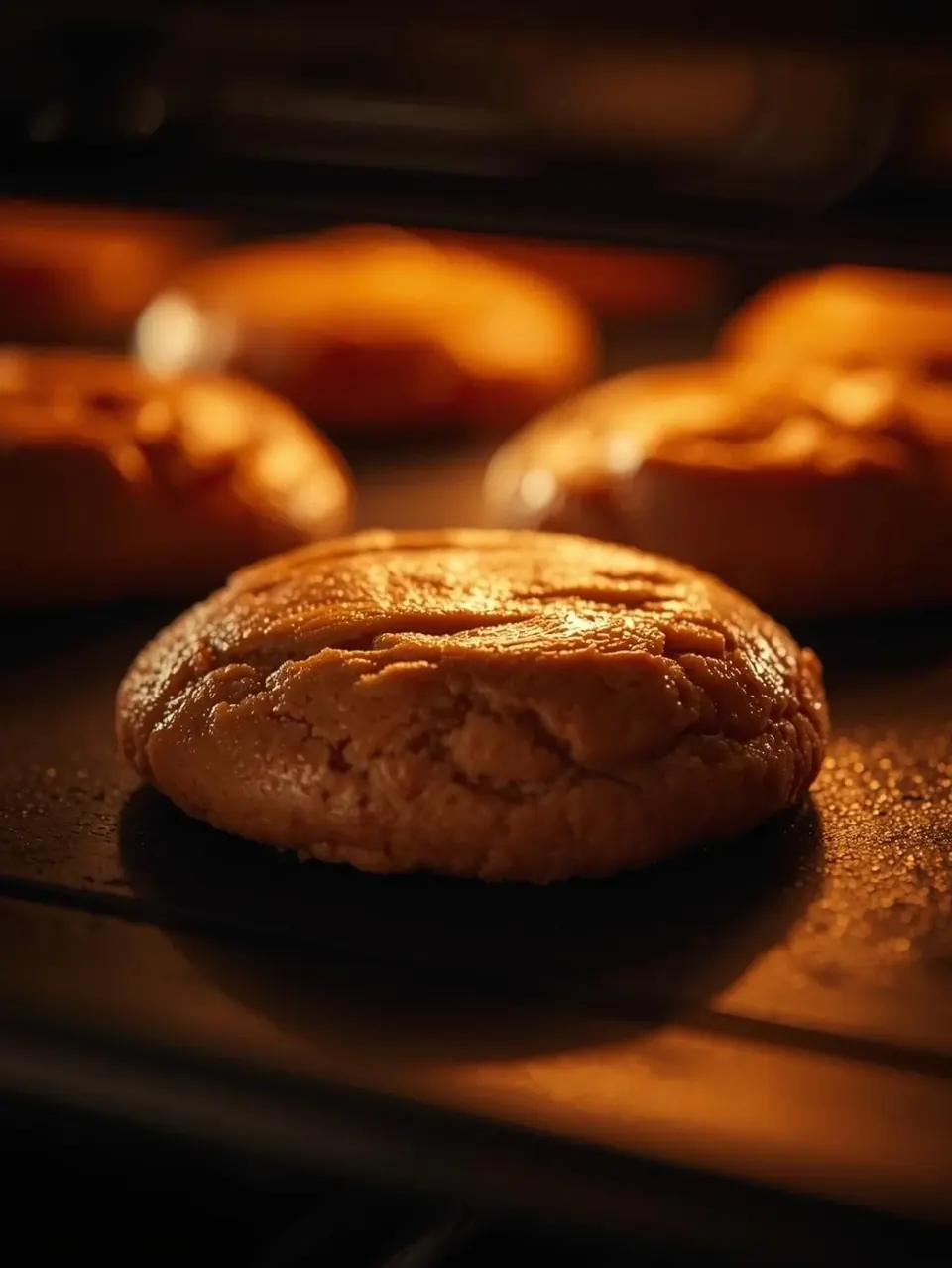
The smell of baking cakes is unbeatable! Cakes really show why baking temperature matters.
When I’m baking cookies, I stick to 325-350°F. That gives butter time to spread and the edges to get golden.
Baking cakes is even fussier—too hot and the outside sets before the middle is done.
My favorite baking projects:
Layer cakes that need gentle heat to rise
Cookies that brown evenly
Pastries like croissants that need perfect heat
Custards that bake low and slow to set just right
Delicate pastries really love the even heat of baking. Butter can create those flaky layers without burning.
Savory Baked Dishes
Baking isn’t just for sweets! Some of my favorite meals are savory dishes that need baking’s gentle touch.
Casseroles are perfect for baking. They need time for flavors to mix and the top to brown slowly.
My lasagna always turns out better when I bake it low and slow, not blasting it with high heat.
Quiches need gentle heat so the custard sets but doesn’t turn rubbery. I bake mine at 350°F until the center is just set.
My go-to savory bakes:
Casseroles: Even heating all the way through
Lasagna: Cheese melts and bubbles just right
Quiches: Gentle heat for smooth texture
Baked pasta dishes: Flavors blend and tops brown
Baking isn’t just about desserts—it’s about giving food the time and heat it needs to get perfect.
Flavor, Texture, and Chemical Reactions
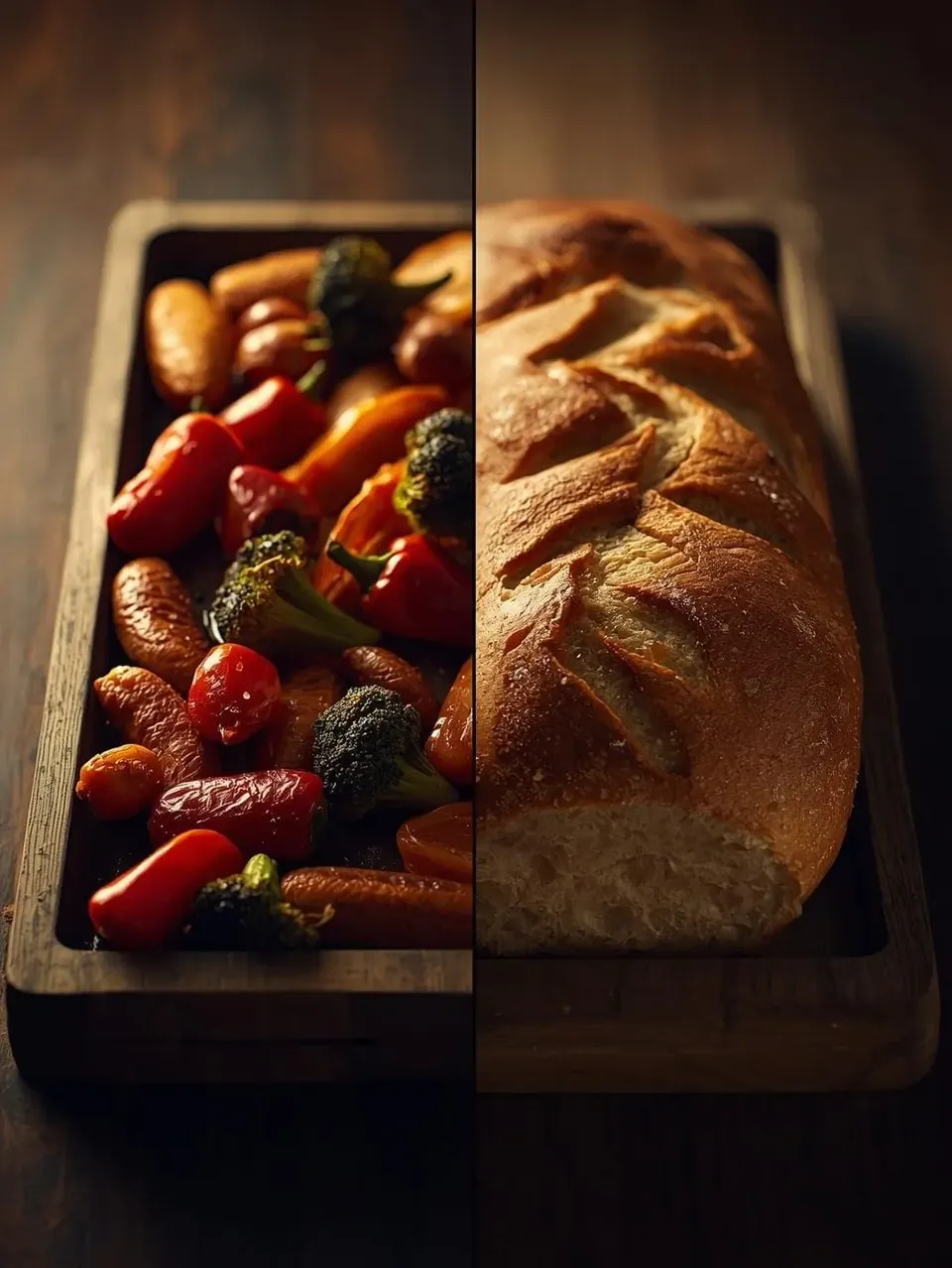
The real magic of roasting and baking comes from the wild chemical changes happening in your oven. High-heat roasting gives you crispy, caramelized outsides, while baking makes things tender and helps doughs rise.
Maillard Reaction and Caramelization
When I roast veggies or meat at high temps, I’m triggering two awesome reactions. The Maillard reaction creates deep, rich flavors when proteins and sugars meet intense heat.
Roasting at 425°F or higher makes food surfaces brown and taste amazing. That browning isn’t just for looks—it’s layers of flavor building up.
Caramelization is different, but just as cool. It breaks down sugars, making foods taste deep, sweet, and nutty.
Baking usually doesn’t get hot enough for big-time browning. That’s why dinner rolls are golden and soft, not crispy like roasted potatoes.
Crispness Versus Soft Texture
This is where roasting and baking show their true colors. Roasting’s dry heat brings out sweetness and adds crunch to veggies and meats.
Roasting pushes moisture out, giving you crispy edges on Brussels sprouts and golden chicken skin.
Baking does the opposite. Lower temps and closed spaces help food keep its moisture. That’s how you get tender cake and fluffy bread, not crunchy outsides.
Texture outcomes:
Roasting: Crispy outsides, caramelized surfaces, bold flavors
Baking: Soft texture, even cooking, moist insides
Leavening Agents and Dough Rise
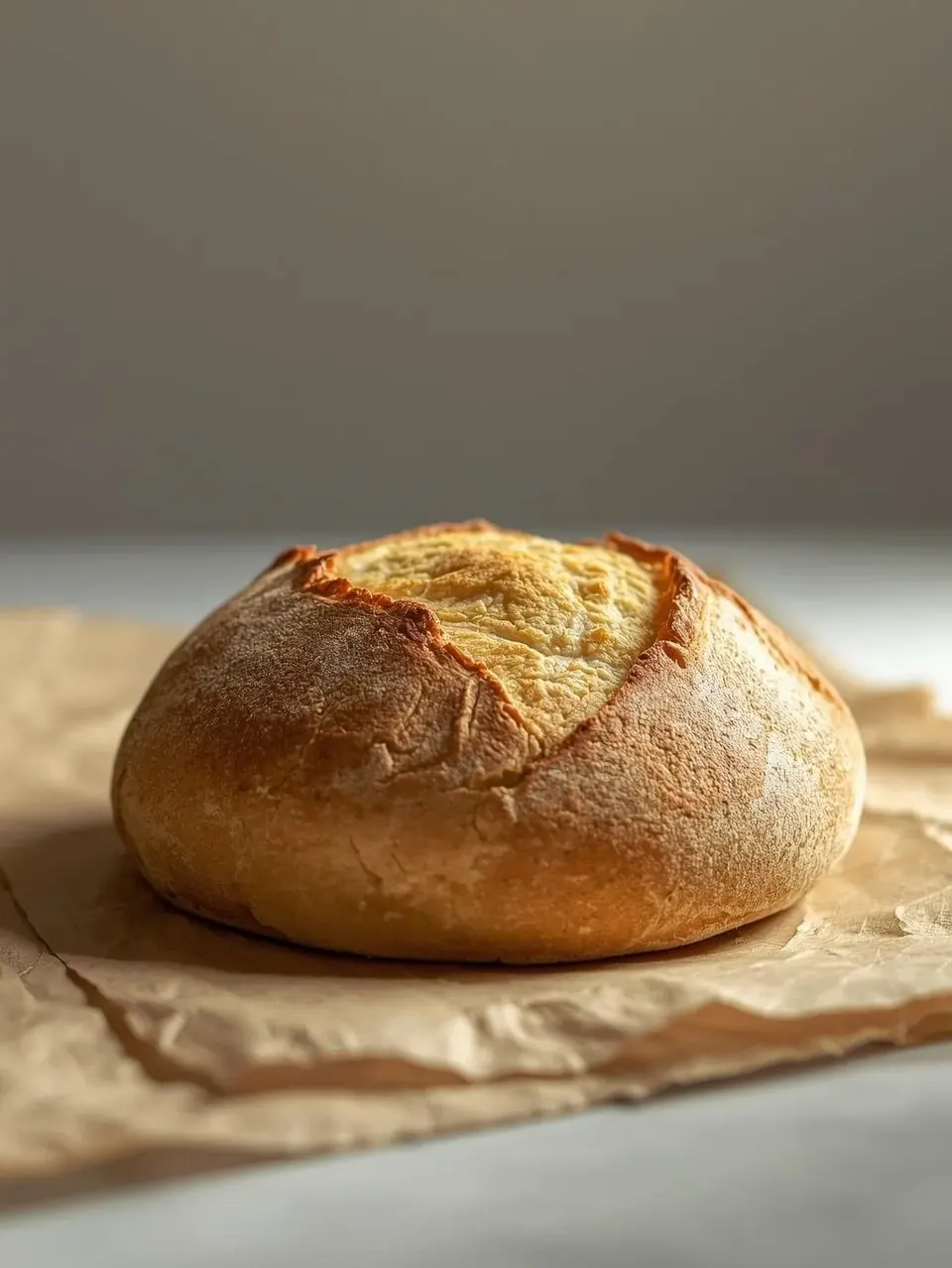
Baking is where leavening agents really show off, and honestly, the chemistry behind it is fascinating. Yeast, baking powder, and baking soda all need gentle, steady heat to do their job.
When I bake bread, yeast makes carbon dioxide bubbles that get trapped in gluten. This only works at moderate temperatures, around 350°F.
If it gets too hot, the yeast just dies off before it can lift the dough. That’s a bummer, trust me.
Chemical leaveners like baking powder kick in at certain temperatures. They slowly release gases as things bake, and that’s how you get fluffy pancakes and muffins.
Roasting temps are way too harsh for these reactions. That’s why you never see doughs rising in roasting recipes—the high heat would just flatten everything.
Equipment and Techniques for Success
The right tools and techniques can mean the difference between crispy perfection and a soggy mess. Your pan choice, oven temperature, and how you keep an eye on things all matter.
Choosing Roasting Pans and Baking Sheets
Not all pans are the same, and I’ve learned this the hard way. Roasting pans should be heavy with low sides so air moves around your food.
I always grab my stainless steel roasting pan with a rack because it keeps meat elevated. That way, the bottom doesn’t get soggy.
Shallow pans are best for roasting. Deep pans trap steam and stop that golden browning we all want.
My favorite roasting pan is about 2 inches deep with solid handles that don’t bend under a heavy turkey. That’s a lifesaver on holidays.
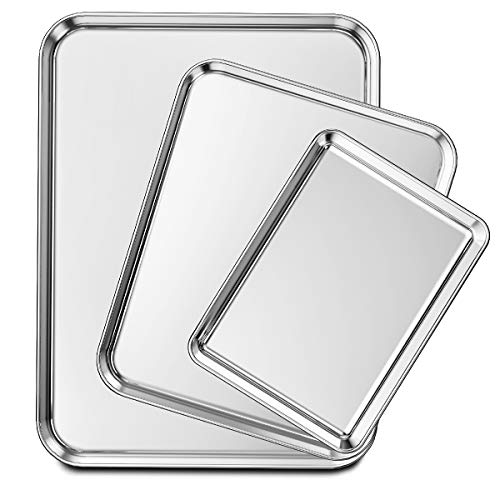
Baking sheets are a whole different story. I use rimmed half-sheet pans for most baking since they catch drips and spills.
The high edges help when cookies or pastries spread a bit. Dark pans heat up and brown food faster, while light pans cook things more gently.
I keep both types around. Sometimes you want a good brown crust, other times you need a softer touch. Proper equipment selection affects air circulation around your food a lot.
Maintaining Even Cooking and Temperature
Even cooking starts with preheating your oven—seriously, let it heat for at least 15 minutes after it beeps. My oven thermometer showed me that 350°F on the dial isn’t always true inside.
I always rotate my pans halfway through cooking. Ovens have hot spots, and this makes sure everything cooks evenly.
When I roast, I start at a high temp (about 425°F) for browning, then lower it to finish cooking. Overcrowding is a big mistake.
I’ve ruined roasted veggies by crowding them—they steam instead of brown. Leave space so hot air can move around.
For baking, I stick to the recipe’s temperature. Baked goods need steady heat, while meats can handle a little more wiggle room.
Using Meat Thermometers and Oven Racks
My meat thermometer is the MVP in my kitchen. I stick it in the thickest part of the meat, away from bone or fat.
Internal temperature is what really matters, not just time or color. For roasting, I put racks in the lower third of my oven.
This way, the top of the food browns while the bottom cooks through. Higher racks are better for baking—you want the heat to wrap around gently.
I use probe thermometers that stay in the meat as it cooks. They beep when the meat hits the right temp, so I don’t have to guess or keep opening the oven.
Oven racks need to be strong enough to hold your roasting pan. I adjust the rack height based on what I’m cooking—lower for roasting, middle for most baking.
Comparing Roasting, Baking, and Broiling
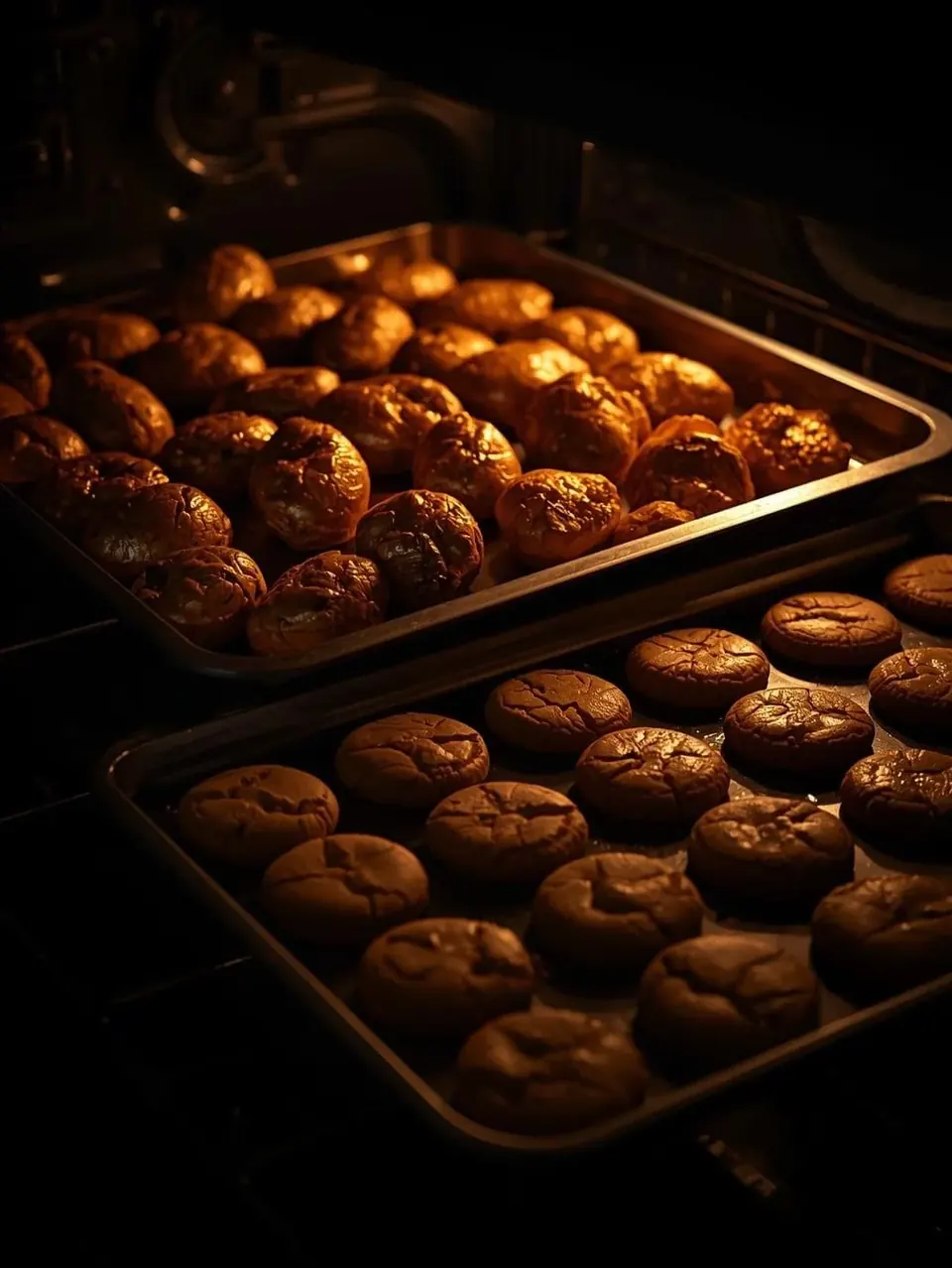
These three oven cooking methods all use dry heat, but they’re totally different in practice. Broiling blasts food with direct heat from above, while roasting and baking surround food with hot air at different temps.
How Broiling Differs from Roasting and Baking
I love how broiling gives food that perfect seared finish you just can’t get any other way. Broiling uses direct heat from the top element of your oven, and you put food just a few inches away.
It’s nothing like roasting or baking. Roasting usually uses 350°F to 450°F, but broiling cranks things up to 500°F or even more.
The food sits on the top rack, getting blasted with heat. Baking and roasting both use indirect heat that surrounds your food.
It’s like a warm hug compared to broiling’s quick slap. Broiling is fast and intense, while the other two are slower and more gentle.
Timing is way different:
Broiling: 2–10 minutes
Roasting: 20 minutes to several hours
Baking: 15 minutes to over 2 hours
When to Use Each Oven Method
Picking the right method depends on what you’re making and what you want at the end. Each one has its own magic.
Use broiling when you want to:
Melt cheese on top of casseroles
Get crispy skin on chicken thighs
Caramelize the top of crème brûlée
Cook thin fish fillets super fast
Choose roasting for bigger items that need even cooking:
Whole chickens or turkey
Root veggies like potatoes and carrots
Beef roasts or pork shoulders
Go with baking when you need gentle, steady heat:
Cookies, cakes, and bread
Casseroles that need to cook through slowly
Delicate fish in parchment
The main thing? Roasting usually uses higher temps for browning, while baking is all about moderate, steady heat for even cooking.
Frequently Asked Questions
A lot of home cooks get tripped up about when to roast or bake. Both use dry oven heat, but the differences really come down to temperature, the type of food, and what you want your dish to taste and look like.
What's the main difference between roasting and baking in terms of cooking processes?
The biggest difference I’ve noticed is that roasting is all about crispy, caramelized exteriors. When I roast, I want those golden-brown edges and deep flavors.
Baking is different. I use it when I want food to cook evenly all the way through, without crisping up too much on the outside.
Can you use the same temperature settings for both roasting and baking?
Not really. Roasting usually needs higher temps than baking.
I set my oven to 425°F or higher for roasted vegetables. For baking, I keep it between 325°F and 375°F.
The lower heat helps things like muffins or bread cook through without burning.
Are there specific types of foods that are better suited for roasting over baking, and vice versa?
Absolutely! I roast foods that get better with crispy outsides and deep flavors—think veggies, meats, and even some fruits.
For baking, I stick to things that need gentle, steady heat. Cakes, cookies, bread, and casseroles all bake better.
How does the choice of cookware affect the outcome when roasting or baking?
The pan really matters! For roasting, I use shallow pans or rimmed baking sheets so air can move around the food.
That’s how you get crispy edges. For baking, I pick deeper dishes or cake pans that hold heat evenly.
Glass and ceramic are great for baking because they spread heat gently. Metal pans are better for roasting since they conduct heat fast.
Is there a difference in the texture or flavor of food when it's roasted compared to baked?
The texture is totally different! Roasted foods get crispy, caramelized outsides and tender insides.
The high heat drives out moisture, so flavors get more intense. Baked foods stay softer and more even from top to bottom.
The gentler heat keeps things moist, so you get tender textures without the crispy bits. Flavors are usually more subtle and blended.
Should you cover food when roasting or baking, and how does this choice impact the dish?
I almost never cover food when roasting. I want that direct heat to help with browning.
Covering food traps steam and stops the crispy crust from forming. That's usually not what I'm after.
When I'm baking, though, I sometimes grab some foil and toss it over the dish. If the top starts to brown too quickly, the foil slows things down.
It also helps keep things from drying out. Sometimes you just want the inside to stay moist, you know?