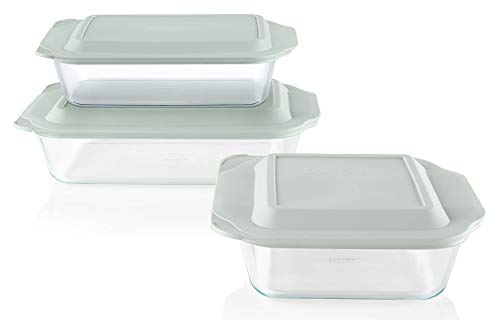
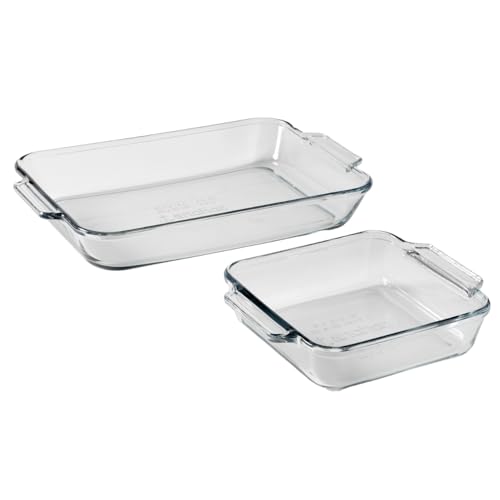
If I had to give one short answer, it’s this: use stoneware for casseroles, baked pasta, and make-ahead dishes you want to stay warm on the table, and use glass for brownies, bars, and recipes where watching the edges and bottom really helps. Both are oven-safe, both are nonreactive with acidic foods, and both can bake beautifully. The bigger difference is not “good versus bad,” but how each material handles heat and how much care it needs around temperature changes.
How Glass And Stoneware Bake Differently
Glass feels a little more straightforward to read while food is baking. I can see bubbling at the sides, check how dark the edges are getting, and sometimes even get a sense of bottom browning. That makes it especially practical for desserts and for baked dishes where color tells me a lot.
Stoneware behaves more like a slow, steady heat holder. It usually takes longer to fully warm through, but once it does, it keeps food hot very well. That’s a real advantage for lasagna, gratins, breakfast casseroles, and other dishes that benefit from gentle baking and a longer warm window after they come out of the oven.
Material affects results more than many recipes admit. King Arthur Baking’s guide to glass, metal, and stoneware is helpful on this point: pan choice can change browning, timing, and texture, especially in baked goods.
When I Reach For Glass
Glass is the dish I like for brownies, cookie bars, fruit crisps, simple cakes, and smaller baked casseroles where I want visual cues. Because it’s transparent, I can judge doneness without disturbing the food too much.
It also tends to be easier on the budget and simple to maintain. Cleanup is usually straightforward, and because the surface is clear, it’s easy to spot residue that needs another soak.
That said, glass still retains heat well, so food may continue cooking a bit after it comes out of the oven. If I’m using a recipe written for a different pan material, I start checking a few minutes early rather than assuming the printed time will be exact.
When Stoneware Makes More Sense
Stoneware is the one I’d choose for hearty casseroles, baked ziti, scalloped potatoes, cobblers, and dishes that go from oven to table. Its heat retention is excellent, so dinner stays warm longer without rushing everyone to serve immediately.
It’s also a nice fit for dense, layered recipes because the heat tends to feel steadier once the dish is fully heated. The tradeoff is that stoneware is usually heavier than glass and not quite as revealing when I’m trying to judge browning from the outside.
For many home cooks, that weight matters more than expected. A full stoneware casserole can be awkward to lift, especially when it’s bubbling hot, so it’s worth thinking about ease of handling, not just baking performance.
Browning, Doneness, And Timing
If you’ve ever made the same recipe in two different dishes and gotten slightly different results, that’s normal. Glass often makes it easier to monitor browning at the edges and bottom. Stoneware can produce a more gradual browning pattern, particularly if the walls are thick.
For casseroles, I care less about exact minutes and more about what the center is doing. I want the middle hot and bubbling, not just the edges. For brownies and cakes, I look for set edges and a center that still has a little softness. A skewer with a few moist crumbs is often more useful than waiting for it to come out perfectly clean.
When a recipe was developed in metal, glass or stoneware may need small timing adjustments. The safest approach is simple: keep a close eye on the food and trust visual and texture cues over the clock.
The Biggest Mistake: Thermal Shock
The main risk with both materials is not ordinary baking. It’s sudden temperature change.
A hot dish set on a wet counter, cold liquid poured into a hot pan, or a refrigerator-cold baking dish moved straight into high oven heat can all create stress. Glass is especially known for this kind of failure, but stoneware is not immune to it either. The Consumer Reports guidance on cold glass dishes in hot ovens makes the same point clearly: manufacturer instructions matter, and abrupt temperature swings are where problems happen.
I treat both materials the same way here. I set a hot dish on a dry towel, wooden board, or trivet, never on a cold or wet surface. I also avoid assuming that oven-safe means broiler-safe, freezer-to-oven-safe, or suitable for stovetop use. It doesn’t.
Care, Cleaning, And When To Stop Using A Dish
Both glass and stoneware are fairly easy to maintain, but they do best with gentle cleaning. I let the dish cool first, soak it in warm soapy water, and use a soft sponge or nylon brush for stuck-on food. A baking soda paste can help with stubborn baked edges.
I skip aggressive scraping and abrasive cleaners, especially on glazed stoneware or any glass dish with scratches. Glass is generally dishwasher-safe, but stoneware varies, so I always think the maker’s care instructions should win. The USDA kitchen safety guidance is a good reminder that clean cookware matters, but so does using intact cookware that isn’t chipped or cracked.
If I see a crack, a deep chip, a rough damaged rim, or glaze flaking on stoneware, I’m done with that dish. Small damage can turn into a much bigger mess under oven heat. I also avoid stacking heavy cookware on top of glass bakeware in storage, since hidden knocks and stress points are easy to miss until the dish is heated.
Which One Is Better For Everyday Home Cooking?
For many kitchens, the answer is simply both. Glass covers everyday baking tasks nicely and gives helpful visibility. Stoneware shines when warmth retention and table service matter more than seeing every stage of browning.
If I were choosing based on cooking style alone, I’d ask two questions. Do I bake more desserts and want to monitor color closely? Glass is probably the better fit. Do I make more casseroles, baked pasta, and family-style dishes that sit on the table for a while? Stoneware is usually the more satisfying choice.
Neither works on induction, and neither should be treated like a stovetop pan. They’re baking dishes first, and they perform best when used with that narrow job in mind.
FAQ
Which is better for baking, glass or stoneware?
It depends on the recipe. I like glass for brownies, bars, and bakes where I want to watch browning. I prefer stoneware for casseroles and layered dishes that benefit from steady heating and excellent heat retention.
Does stoneware bake more evenly than glass?
Stoneware can feel steadier once it has fully heated, which is helpful for dense casseroles and gratins. Glass can still bake evenly, though, and its real advantage is visibility, since I can monitor the sides and bottom more easily.
Can glass and stoneware go in the oven at the same temperature?
Not automatically. Both are oven-safe, but exact heat limits and restrictions vary by dish. I always follow the care instructions for that piece, especially around broiling, very high heat, and refrigerator-to-oven transitions.
Which is better for casseroles and lasagna?
Stoneware usually gets my vote because it holds heat so well at serving time. Glass is still a strong option if I want to see bubbling, layering, and browning as the dish cooks.
Is glass or stoneware easier to clean?
Both are relatively easy to clean with soaking and gentle scrubbing. Glass is often simpler to inspect for residue, while glazed stoneware can release stuck-on food well after a good soak. For either one, I avoid abrasive tools and stop using any dish with cracks or serious chips.
The Bottom Line
Glass is my pick for visibility, everyday baking, and dessert recipes where browning cues matter. Stoneware is the better choice for casseroles and oven-to-table dishes that need to stay warm longer. If you cook both kinds of food regularly, there’s a good case for keeping one of each.