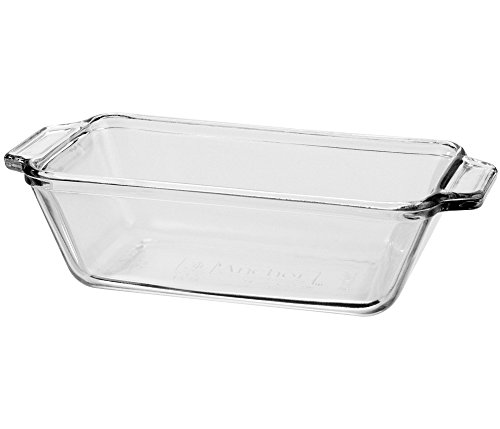
If I need a quick answer, I’d choose glass for tender quick breads, tea cakes, and meatloaf, and cast iron for darker crusts, stronger browning, and hearty yeast loaves. Neither pan is universally better. The real difference is how each material handles heat and how much attention it asks of you once the loaf is out of the oven.
How glass and cast iron bake differently
The biggest difference comes down to heat behavior. Glass heats more gently, which usually gives me softer sides and a lighter crust. Cast iron holds onto heat more aggressively, so it tends to produce a firmer exterior and deeper color around the edges and bottom.
That matters because a loaf pan doesn’t just shape the bread. It affects how fast the batter sets, how dark the crust gets, and how long the loaf keeps cooking after it leaves the oven. King Arthur Baking notes that pan material can change baking results in a meaningful way, and loaf pans are a good example of that.
With glass, I expect a steadier, gentler bake. That’s helpful for batters with a lot of sugar, fruit, or moisture, where overbrowned edges can arrive before the center is ready. With cast iron, I expect stronger carryover heat and more browning, which can be a plus for rustic breads and savory loaves but a little too assertive for delicate cakes.
Which pan works best for different loaves
For banana bread, pumpkin bread, zucchini bread, pound cake, and similar quick breads, glass is often the easier fit. The bake tends to be a little more moderate, and the pan is simple to grease, line, wash, and store. I also like being able to keep an eye on the sides and bottom as the loaf colors.
Cast iron comes into its own when I want a loaf with more structure and a more defined crust. Sandwich bread, savory breads, and denser yeast doughs all benefit from that steady heat. The pan’s weight also helps it feel stable in the oven, though that same weight makes it less convenient to lift and maneuver when hot.
For meatloaf and other savory bakes, glass is especially practical because you can see what’s happening around the sides. That visual cue helps when rendered fat starts collecting or the edges are browning faster than expected. Cast iron can still work well here, but if the mixture is sticky or acidic, I’d line the pan and avoid long storage in the pan afterward.
What changes to make when switching pans
If a recipe was written for a metal loaf pan and I’m using glass, I usually lower the oven temperature by about 25°F and start checking at the original bake time. That’s a sensible rule of thumb, not a guarantee. Pan size, batter depth, sugar content, and your oven all still matter. A broad comparison of glass and metal baking pans makes the same point: glass bakes differently enough that small adjustments are often necessary.
With cast iron, I don’t make an automatic temperature change every time. Instead, I watch the loaf more closely for early browning. If the crust darkens too fast before the center is done, I’ll loosely cover the top and let the middle catch up. That’s especially useful with sweet loaves, where sugar encourages quick color.
No matter which pan I use, I try not to judge doneness by appearance alone. A loaf can look beautifully browned and still be underdone in the center. I check the middle with a skewer or thermometer rather than trusting the crust.
Preparation matters more than people think
Most loaf-pan problems come down to sticking, overbaking, or leaving the loaf in the pan too long. Good prep prevents all three.
For glass, I grease thoroughly, paying attention to the corners, and use parchment when I want clean removal. A parchment sling is especially useful for sticky quick breads or cakes with fruit, nuts, or a high sugar content.
For cast iron, a well-maintained seasoning layer helps, but I still don’t rely on seasoning alone for delicate loaves. I add a light coating of fat and often line the pan for sugary batters or meatloaf. That extra step makes release easier and limits stubborn residue.
One common mistake with cast iron is assuming a dark crust means the loaf is finished. Another is leaving the bread in the hot pan too long after baking. Cast iron retains heat exceptionally well, so the loaf keeps cooking unless you remove it in time.
Cooling and handling without ruining the loaf
The cooling stage is where each material asks for different care. With glass, the main concern is thermal shock. I never set a hot glass pan on a cold or wet surface, and I don’t add cold liquid to it while it’s hot. A dry towel, wooden board, or cooling rack is the safer landing spot.
Cast iron is less fussy about oven heat but still demands care. It stays hot for a long time, including the handles and side walls, so it’s easy to underestimate just how much heat it’s holding. Thick, dry mitts matter here.
For most quick breads, I let the loaf rest in the pan for about 10 to 15 minutes before lifting it out. That short pause helps the crumb set so it doesn’t break apart. In cast iron, I’m a little quicker to remove the loaf because the retained heat can keep firming the crust and dry the edges if I wait too long.
Cleaning and long-term care
Glass is the easier keeper. Once it has cooled, I wash it with a nonabrasive sponge and check for chips, cracks, or deep scratches. If a glass pan is damaged, I would stop using it for baking. It’s also wise to store it where it won’t get knocked around by heavier pans.
Cast iron needs more routine attention. I avoid long soaking, dry it thoroughly, and keep a very thin film of oil on bare cast iron when needed to help prevent rust. If the pan isn’t enameled, acidic mixtures can also be less ideal, especially for extended contact, since cast iron can react with acidic foods.
That extra care is the tradeoff. Cast iron gives excellent heat retention and strong browning, but it asks you to maintain seasoning and keep moisture in check. Glass is easier to live with day to day and is often dishwasher safe, though hand-washing is still gentler if you want to keep it clear and scratch-free.
Common mistakes to avoid
The first mistake is choosing the pan for durability alone. A nearly indestructible pan isn’t automatically the best baking pan for every loaf. Texture matters more.
The second is forgetting carryover heat. Both glass and cast iron retain heat well, and cast iron does so especially strongly. If you wait for a very dark crust before pulling the loaf, you can end up with a dry crumb by the time it cools.
The third is skipping pan prep. Even in a seasoned cast iron pan, sugary batters can cling. Even in smooth glass, corners can trap bits of batter and tear the loaf on the way out.
The fourth is mishandling hot glass. The care here is simple but important. The same baking guidance that discusses performance differences also supports taking extra care with glass because material choice affects more than browning alone.
FAQ
Is it okay to bake bread in a glass loaf pan?
Yes. Glass works well for bread when you want a softer crust and gentler browning. If the recipe was written for metal, lowering the oven temperature by about 25°F is often a good starting adjustment.
Which is better for baking bread, glass or cast iron?
For crustier, heartier breads, cast iron is usually the better fit because it retains heat so well and encourages stronger browning. For softer sandwich loaves, quick breads, and cakes, glass is often the more forgiving option.
Do glass loaf pans require different baking times or temperatures?
Often, yes. A slightly lower oven temperature is common when switching from metal to glass, but exact timing still depends on loaf size, batter density, and your oven. I treat the original bake time as the first checkpoint, not a fixed finish line.
Are cast iron loaf pans good for baking bread?
Yes. Cast iron is very good for bread if you want a firm crust and deep color. Just watch the loaf closely near the end and remove it promptly so the retained heat doesn’t keep baking it too far.
The Bottom Line
Glass is the better everyday choice for tender loaves, easy cleanup, and low-fuss baking. Cast iron is worth the extra care when you want a darker crust, more heat retention, and a sturdier, more rustic result.