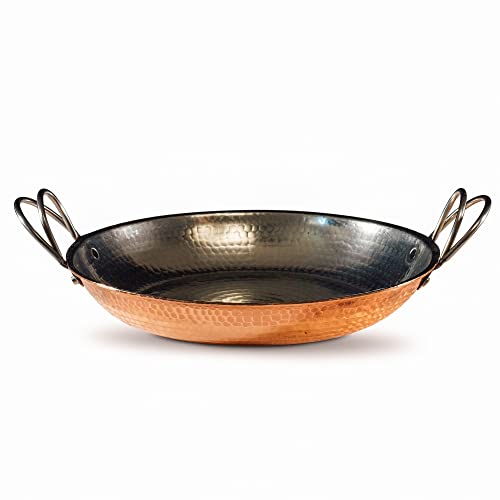
If I’m choosing between a carbon steel vs copper skillet for most home cooking, I’d pick carbon steel first. It handles high heat well, works on induction, can go in the oven, and becomes more useful as the seasoning builds. I’d choose copper when precise temperature control matters more than all-around toughness, especially for sauces and other delicate stovetop work.
How These Pans Actually Cook
Carbon steel and copper feel different from the first minute on the burner. Carbon steel is practical, sturdy, and comfortable with hard daily use. Copper is quicker to respond, so small heat changes show up faster in the pan.
That difference matters most when I’m moving between aggressive heat and gentle heat. Copper reacts quickly when the flame goes up or down, which is why it has such a strong reputation for precision cooking. Carbon steel is less immediate, but it offers good heat retention, which is part of why it does such a nice job with browning and searing.
Copper also tends to heat more evenly across the surface, while carbon steel is more likely to show hot spots if the burner is too small for the pan. With carbon steel, I get better results when I preheat gradually and match the pan size to the burner as closely as I can.
One important detail: copper cookware is usually lined because bare copper reacts with food, especially acidic ingredients. Carbon steel is reactive too, which means long tomato sauces, wine reductions, or vinegar-heavy dishes are not its strongest use.
When Carbon Steel Makes More Sense
Carbon steel is the skillet I’d lean toward for searing steaks, crisping chicken skin, sautéing vegetables, shallow frying, and general weeknight cooking. It tolerates high heat well and has a more workhorse personality than copper.
It also develops seasoning over time, which can create a naturally slick cooking surface. That seasoning is not magic, but it does help with eggs, fish, and potatoes once the pan is properly preheated and lightly oiled. The key is patience: food usually releases better once it has had time to form a crust.
I also like carbon steel for its balance of strength and maneuverability. It usually feels easier to lift and move than heavier specialty pans, and minor wear is rarely a crisis. If the seasoning gets patchy, I can clean it up and rebuild it. A solid carbon steel care guide makes the same point: these pans reward regular use more than delicate treatment.
The tradeoff is maintenance. Carbon steel needs seasoning, prompt drying, and a light oil film after cleaning if I want to keep rust away and the surface in good shape.
When Copper Is Worth It
Copper shines when control matters most. If I’m cooking a sauce that can scorch, reducing liquid without wanting one side of the pan to run hotter than the other, or making something that benefits from quick adjustments, copper has a clear advantage.
Because it responds so quickly, copper gives me a little more precision when I need to pull the heat back fast. That’s useful for delicate fish, butter-based sauces, caramel, custards, and other foods that punish inattention.
But copper is less forgiving in a busy kitchen. It’s not naturally induction-compatible unless specially constructed, and it needs more awareness around lining and heat level. Since copper reacts with acidic foods, lined interiors matter. If that lining becomes deeply scratched or worn, it deserves attention rather than being ignored.
Copper also asks for cosmetic maintenance if I care about the exterior staying bright. Polishing is optional, but hand washing is still the better route. The pan can cook beautifully without looking newly polished, so I see exterior shine as a preference, not a requirement.
Acidic Foods, Eggs, and Everyday Reality
This is where the choice gets easier for a lot of kitchens. For acidic foods, copper with an intact lining is usually the safer fit than carbon steel. Carbon steel can handle a quick deglaze, but I wouldn’t leave a tomato sauce or vinegar-heavy braise sitting in it. Acid can strip seasoning and bring out metallic notes.
For eggs, the answer is more nuanced. A well-seasoned carbon steel pan can cook eggs very well, but it still depends on heat, fat, and timing. If the pan is too cool, too hot, or under-seasoned, sticking is more likely. Copper gives excellent heat control, but a stainless-lined copper interior will not behave like a seasoned pan on its own. I still need butter or oil and a careful preheat.
For most everyday meals, carbon steel is simply less fussy. It’s happy doing the kind of cooking that leaves browned bits, asks for a quick pan sauce, or needs a pan moved from stovetop to oven without much ceremony.
Care and Cleaning Without Overthinking It
Carbon steel care is straightforward once it becomes habit. I wash it by hand, dry it right away, and add the thinnest possible layer of oil before putting it away. If food sticks, a short simmer of water can loosen residue. Then I dry the pan thoroughly and touch up the seasoning if needed. This kind of routine is also recommended in a carbon steel cleaning and seasoning guide.
The biggest carbon steel mistakes are using too much oil while seasoning, soaking the pan too long, or putting it away damp. Thick oil turns sticky instead of smooth, and moisture invites rust.
Copper is also a hand-wash pan. I’d skip the dishwasher entirely. Harsh detergent and prolonged moisture are rough on both the finish and, in some cases, the lining or hardware. A soft sponge and mild soap are usually the better choice.
For copper, the biggest mistakes are overheating an empty pan, using abrasive scrubbers, or ignoring lining wear. If the exterior darkens, that’s normal patina, not failure. If the lining looks compromised, that’s the part to take seriously.
Common Problems to Avoid
With either material, thermal shock is worth avoiding. I don’t want to take a very hot skillet and run it under cold water or set it on a wet, cold surface. That kind of rapid temperature change can encourage warping.
Sticking in carbon steel usually comes down to one of four things: not enough preheat, not enough fat, excess moisture on the food, or trying to move food too early. The pan often tells me what to do if I slow down and let the surface heat properly.
With copper, the common mistake is assuming faster response means easier cooking. It often means I need to pay closer attention. The pan changes temperature quickly, which is great when I’m focused and less helpful when I’m distracted.
If I were building a kitchen around one skillet, carbon steel would usually be the more flexible choice. If I already had my basics covered and wanted a specialist for precision, copper would make more sense.
FAQ
Which heats more evenly, carbon steel or copper?
Copper generally heats more evenly and responds faster to changes in burner temperature. Carbon steel can cook very well, but it is more dependent on proper preheating and a burner that fits the pan.
Is copper safer for acidic foods?
Only if it has a proper lining in good condition. Both carbon steel and copper are reactive materials, so bare cooking surfaces are not ideal for long acidic cooking. For carbon steel, acidic ingredients can also strip seasoning.
Which skillet needs more maintenance?
Carbon steel needs more routine maintenance because it requires seasoning and careful drying to prevent rust. Copper does not need seasoning, but it does need hand washing, occasional polishing if appearance matters to you, and attention to the condition of its lining.
Can both go in the oven?
Yes, both can be oven safe, but the real limit depends on the handle, lining, and overall construction. I always check the maker’s guidance before using high oven temperatures.
Is copper worth it over carbon steel?
It can be, if precise heat control is central to how you cook. For many home kitchens, carbon steel is the more practical all-purpose skillet, while copper earns its place when responsiveness matters enough to justify the extra care. A broad frying pan material guide makes a similar distinction between copper’s performance strengths and carbon steel’s broader everyday utility.
The Bottom Line
Carbon steel is the better everyday skillet for most cooks: durable, oven safe, induction-friendly, and excellent for high-heat cooking once seasoned. Copper is the more specialized choice, best for cooks who want faster, more even response and are willing to care for a premium pan accordingly.