If I’m choosing between an anodized aluminum cake pan and a silicone one, I pick anodized aluminum for most cakes. It bakes with more structure, more reliable browning, and fewer surprises. Silicone has a place, especially for molded shapes and easy release, but for a standard layer cake or sheet cake, aluminum is the steadier choice.
How the pan changes the bake
The biggest difference comes down to how each material handles heat. Aluminum responds quickly in a fully preheated oven, so the batter at the sides and bottom starts setting sooner. That early structure matters in cakes, because it helps the whole panful rise in a more controlled way.
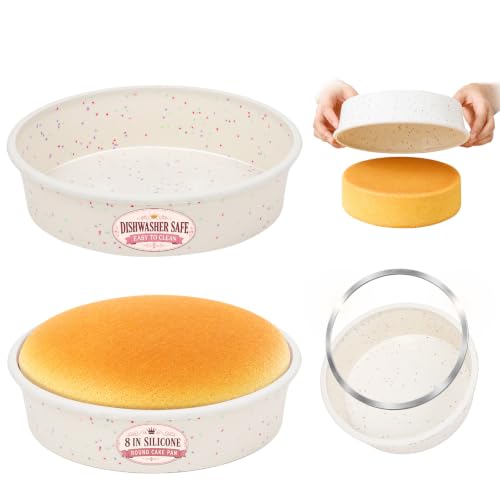
Silicone is much less conductive. It works more like an insulator, so heat moves into the batter more slowly. In practice, that usually means paler sides, a softer outer edge, and a center that may need longer to finish baking. Martha Stewart’s guidance on silicone bakeware lines up with that reality and also stresses proper support for flexible molds.
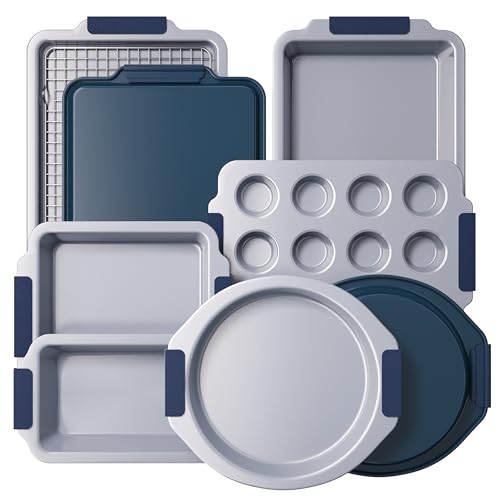
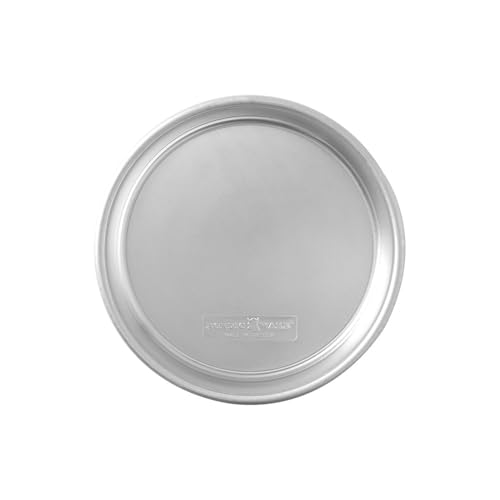
With anodized aluminum, I’d still keep pan color and thickness in mind in general terms, but the main advantage is consistency. Cakes tend to bake with cleaner edges and a more defined crust. Silicone can absolutely bake a good cake, but it changes the timing and the texture enough that I wouldn’t treat it like a one-to-one swap.
What to expect from texture and rise
Aluminum gives you more structure
For layer cakes, loaf cakes, and any batter where shape matters, aluminum usually gives the more predictable rise. Because the edges set earlier, the cake has support while the center continues to expand. That often means straighter sides and a neater finished layer.
Silicone is more forgiving when release is the goal, but less helpful when you want a tall, tidy cake. The walls can flex as the batter expands, especially in thinner molds or larger shapes. That movement can affect the final profile of the cake.
Silicone tends to produce softer, paler edges
If you like a very tender outer crumb and don’t care much about browning, silicone can work well. Cakes baked in silicone often come out with a soft, pale perimeter rather than the lightly golden edge many people expect from a classic cake pan.
That softer finish can be pleasant in a snack cake or molded dessert. But if you want a cake that stacks neatly, trims cleanly, or has a bit of crust for frosting support, anodized aluminum usually does the better job. This guide on how pan material affects bakes makes the same point: pan material influences both color and crumb, not just timing.
Baking time is rarely identical
One of the most common mistakes with silicone is assuming the recipe time will stay exactly the same. Often, it won’t. Because silicone transfers heat more slowly, cakes may need a few extra minutes, sometimes a bit more for deep or dense batters.
I wouldn’t solve that by raising the oven temperature right away. Higher heat can push the top or outer edge too far before the center catches up. It makes more sense to start checking at the recipe’s suggested time, then add a few minutes at a time until the cake tests done.
A skewer or cake tester helps, but I also look for gentle spring-back in the center and for the cake to begin pulling slightly from the sides when the recipe normally behaves that way. Surface color alone is less helpful in silicone because the sides often stay pale even when the interior is finished.
Release and handling matter more than people expect
Silicone is easier to unmold, but not always effortless
Silicone’s big advantage is release. For detailed shapes, curved molds, and small individual cakes, that flexibility is genuinely useful. You can peel the mold away from the cake instead of forcing the cake out of a rigid pan.
Still, I wouldn’t assume silicone never needs greasing. Intricate patterns, sticky batters, and lower-fat cakes can cling in creases and corners. A light coating of fat can save a lot of frustration, especially if the mold has fine detail.
Aluminum needs prep, but rewards it
Aluminum generally asks for a little more setup: greasing, lining, or both. That extra minute is worth it. A properly prepared aluminum pan gives clean release and more dependable edges, which matters if you’re leveling layers or frosting a cake with visible sides.
For standard round cakes, I’d rather prep aluminum well than depend on silicone’s flexibility to fix a delicate crumb after baking.
Always support silicone on a sheet pan
This is the silicone mistake I see most often: filling the mold first, then trying to carry it to the oven. Flexible pans shift, bow, and spill easily. Even if batter doesn’t slosh over the edge, the pan can settle unevenly and affect how the cake bakes.
The simple fix is to place the empty silicone mold on a rigid sheet pan before filling it. Then fill it, transfer the whole tray to the oven, and remove it the same way. It keeps the cake level and makes the pan much easier to handle safely.
Cooling and turning out the cake
With aluminum, a short cooling period in the pan is usually enough before turning the cake onto a rack. That pause helps the structure settle without trapping too much steam.
Silicone often benefits from a little more patience. Because the cake may have softer sides and because the pan itself is flexible, turning it out too early can warp the shape or tear fragile edges. I’d wait until the cake feels more set, then gently pull the mold away from the sides rather than pressing hard on the bottom.
This matters even more with novelty shapes. The more decorative the mold, the more cooling time usually helps.
Care and long-term use
Both materials are fairly easy to maintain, but they do best with slightly different care. Anodized aluminum is straightforward to wash by hand with mild soap and a soft sponge. I would skip the dishwasher, since aluminum pans generally aren’t the best candidates for it even when they seem sturdy enough for daily use.
Silicone is usually easy to wash and is often dishwasher safe, but it can hang onto grease if it isn’t cleaned thoroughly. If a silicone pan feels slick after washing, it usually needs hotter water, more soap, or a second pass. It can also retain odors or stains over time, especially after strongly flavored or deeply colored bakes.
Neither material should react with acidic foods in normal use here, which makes both reasonable for common cake batters. The bigger safety point with silicone is simply to follow the manufacturer’s oven-temperature guidance and avoid poorly labeled bakeware. This overview of silicone versus metal heat distribution is also useful if you want to understand why the two materials behave so differently in the oven.
Who should choose which
If I bake mostly birthday cakes, layer cakes, snack cakes, and everyday loaf cakes, anodized aluminum makes more sense. It is light, easy to maintain, oven-safe, and generally the better fit for repeatable baking. It also tends to be budget-friendly, which helps if you want a few matching pans for consistent layers.
Silicone makes more sense when the shape of the pan is the whole point, or when easy release matters more than browning. It is also light, easy to store, and usually easy to clean. I just wouldn’t expect it to match aluminum for structure or crisp, golden edges.
FAQ
Do cakes bake faster in aluminum pans than in silicone pans?
Usually, yes. Aluminum transfers heat more efficiently, so cakes often bake more quickly and set more predictably. Silicone commonly needs extra time, especially for thicker batters.
Why do many bakers prefer aluminum for cake pans?
Because it gives more dependable structure, better browning, and cleaner edges. For cakes that need to stack, frost, or slice neatly, aluminum is usually easier to work with.
Is silicone bakeware safe in the oven?
In general, yes, as long as it is food-grade bakeware used within its stated temperature range. I’d check the care instructions and avoid assuming every silicone pan can handle the same heat.
Which pan is better for detailed or novelty cake shapes?
Silicone is often better for that job because the flexible mold can peel away from curves and fine details. Just be sure to support it on a sheet pan and allow extra cooling time before unmolding.
The Bottom Line
Anodized aluminum is the better all-around cake pan for most home bakers because it gives stronger structure, more even browning, and more reliable results. Silicone is useful for specialty shapes and easy release, but it usually asks for more patience with support, baking time, and cooling.