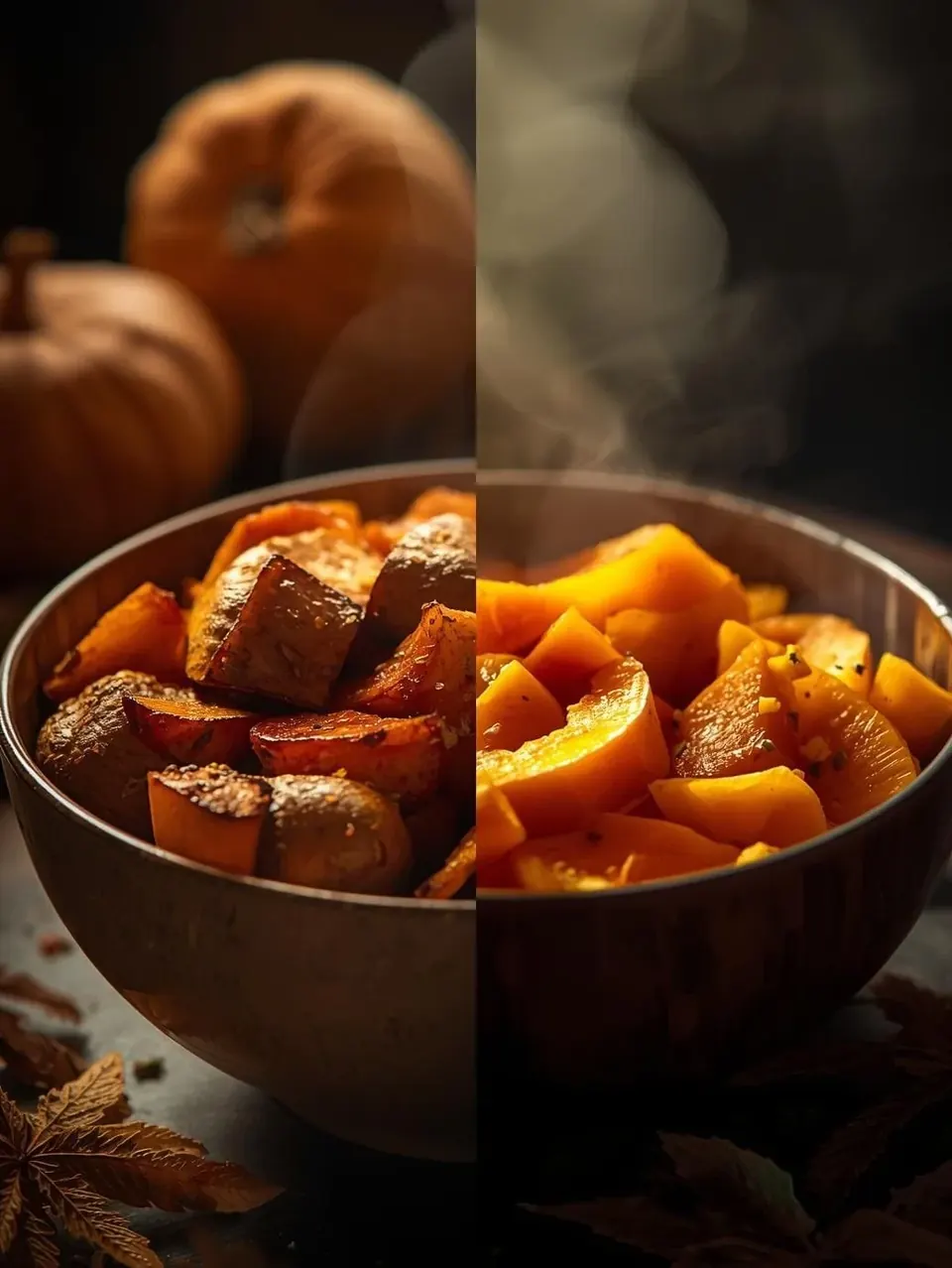
When I first started cooking with fresh pumpkins, I made the classic mistake of thinking all cooking methods were created equal. Spoiler alert: they're not! After years of experimenting in my kitchen, I've discovered that the battle between roasting and steaming pumpkin isn't just about preference—it's about getting the right results for your specific dish.
The truth is, steaming gives you incredibly soft, silky pumpkin that's perfect for purees and soups, while roasting brings out those deep, caramelized flavors that make your taste buds do a happy dance. It really depends on personal preference and the intended use, but once you understand what each method does to your pumpkin, you'll never second-guess yourself again.
I'm going to walk you through everything I've learned about both methods—from how they affect nutrition to which varieties work best for each technique. By the end, you'll know exactly when to fire up that oven and when to break out your steamer basket, plus you'll have foolproof steps for creating the most amazing pumpkin puree that'll make your fall recipes absolutely shine.
Key Differences Between Roasting and Steaming Pumpkin
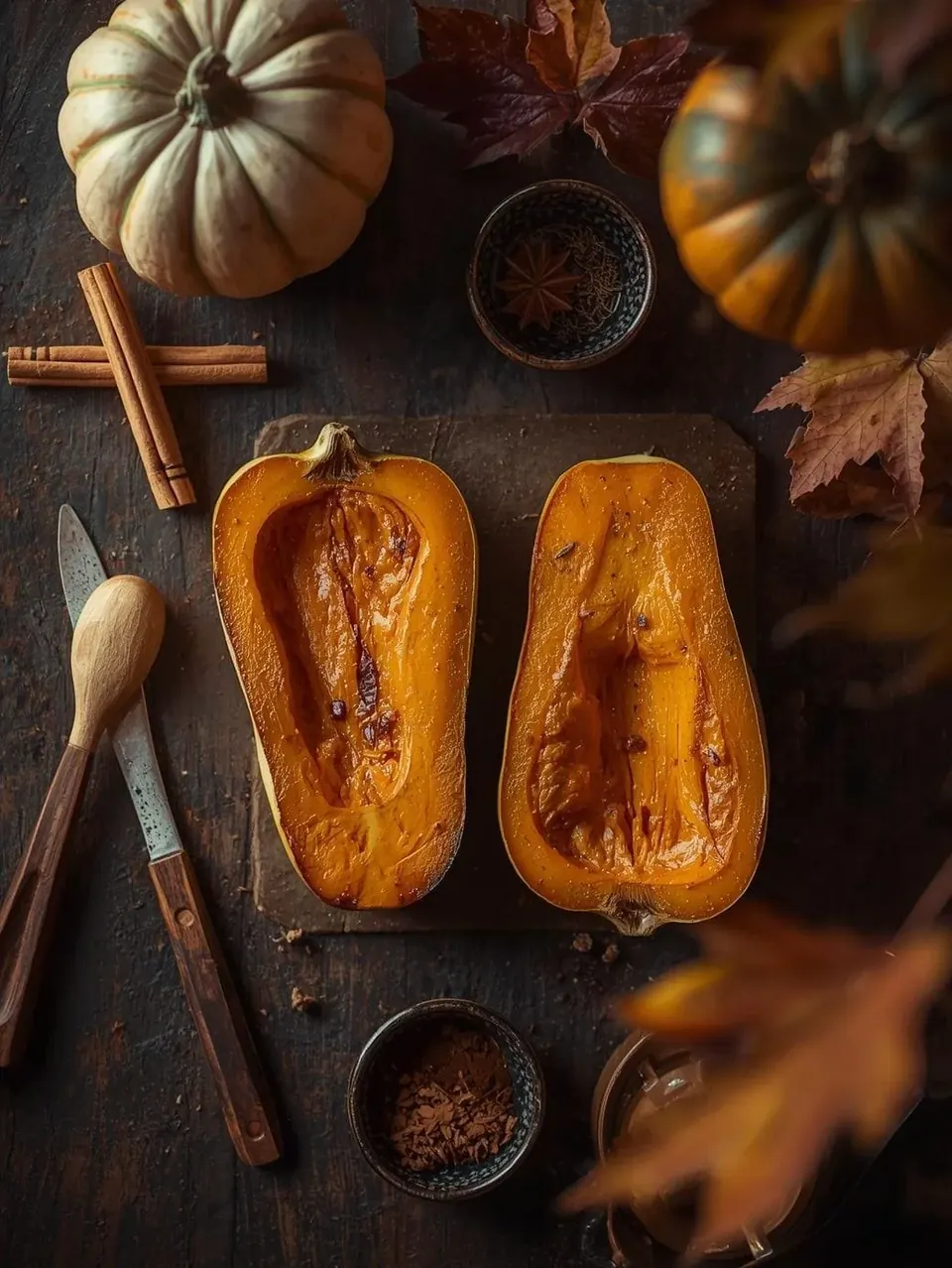
I've discovered that roasting creates caramelized, rich flavors through dry heat, while steaming cooks faster and preserves more moisture for silky textures. The cooking methods use completely different heat sources and produce totally different results for your pumpkin dishes.
Cooking Methods Overview
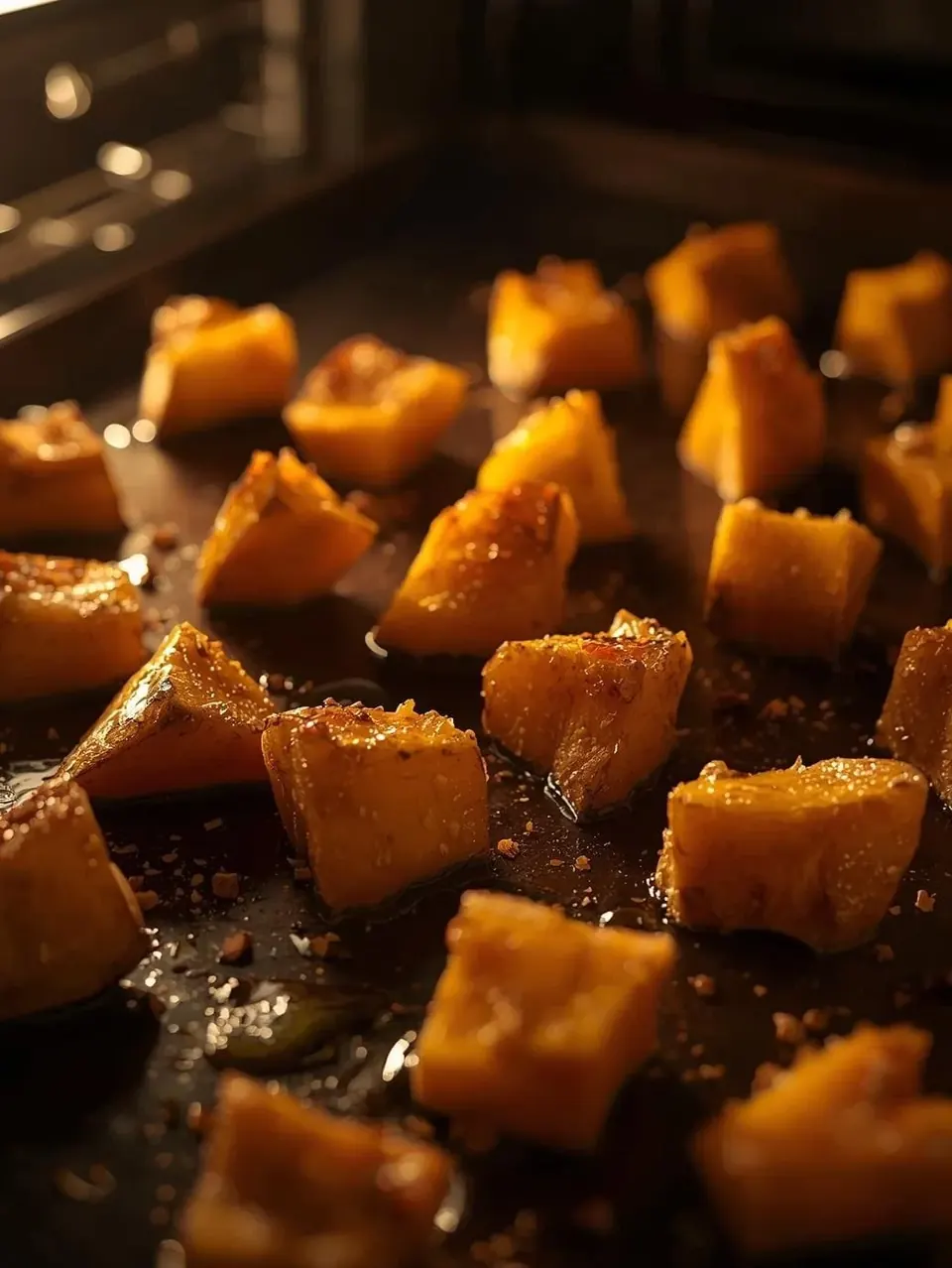
When I roast pumpkin, I'm using dry heat from my oven, usually around 400°F. I cut the pumpkin into chunks, toss with a bit of oil, and let the oven work its magic for 25-45 minutes.
The high heat creates what's called the Maillard reaction. This fancy term just means the natural sugars in the pumpkin caramelize and create those gorgeous golden-brown edges.
Steaming is totally different - it's all about moist heat. I place pumpkin pieces in a steamer basket over boiling water. The gentle steam cooks the flesh without any browning.
Steaming cooks much faster than roasting, usually taking just 10-15 minutes. No oil needed, and there's zero chance of burning or drying out.
The beauty of steaming? It locks in the pumpkin's natural moisture and preserves more of the original flavor.
Texture and Flavor Comparisons
Here's where things get really interesting. Roasted pumpkin develops this amazing concentrated sweetness that I absolutely love.
The dry heat evaporates moisture, which intensifies the flavors. You get those slightly crispy edges with a tender interior that's perfect for eating straight off the pan.
Roasting Steaming Caramelized, sweet flavor Pure, clean pumpkin taste Slightly firm texture Soft, moist texture Golden-brown color Bright orange color Some moisture loss Retains maximum moisture
Steamed pumpkin has what I call a "cleaner" taste. It tastes more intensely pumpkin-y because steam cooks faster and locks in flavor.
The texture is incredibly soft and moist. Steaming helps retain more moisture within the pumpkin flesh, resulting in a smoother, less dry texture.
Typical Uses in Recipes
I always roast pumpkin when I want it to be the star of the show. Think roasted pumpkin salads, grain bowls, or as a side dish where you want those caramelized flavors to shine.
Roasted chunks hold their shape better, making them perfect for soups where you want visible pumpkin pieces. The concentrated flavors also work beautifully in savory dishes with herbs and spices.
For purees and smooth applications, steaming wins every time. Steamed pumpkin is ideal for purees and other recipes where a creamy consistency is desired.
I steam pumpkin for pie filling, smoothies, baby food, or any baking recipe calling for pumpkin puree. The extra moisture means my purees blend effortlessly without any dry chunks.
Steamed pumpkin also mashes beautifully for gnocchi or adding to pancake batter where you want mild pumpkin flavor without overwhelming sweetness.
How Each Method Affects Nutrients and Health Benefits
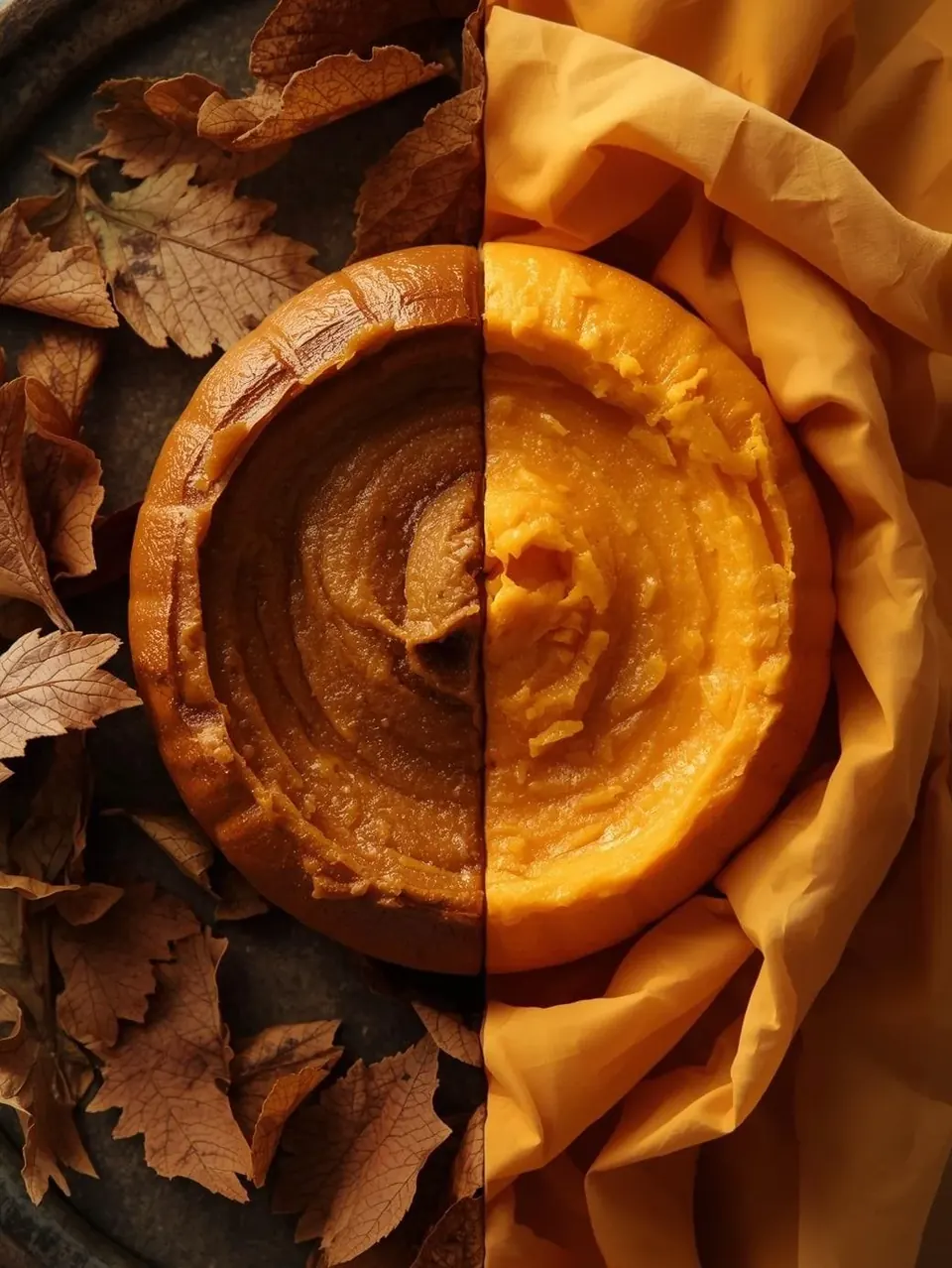
When I cook pumpkin, I'm always thinking about getting the most nutrition bang for my buck. Steaming keeps more water-soluble vitamins intact, while roasting actually boosts certain antioxidants through heat concentration.
Nutrient Loss and Retention
I've learned that steaming and roasting both help retain nutrients in pumpkin better than boiling. When I steam pumpkin, the gentle heat preserves delicate nutrients without leaching them into water.
Roasting works differently but effectively. The dry heat concentrates nutrients as water evaporates. I notice roasted pumpkin has a more intense flavor, which often means concentrated nutrition too.
Steaming advantages:
No nutrient leaching into cooking water
Lower cooking temperatures
Shorter cooking times
Preserves original texture
Roasting benefits:
Concentrates flavors and nutrients
Creates beneficial compounds through browning
No added water needed
The key difference is that steaming protects what's already there, while roasting can actually create new beneficial compounds through the Maillard reaction.
Impact on Water-Soluble Vitamins
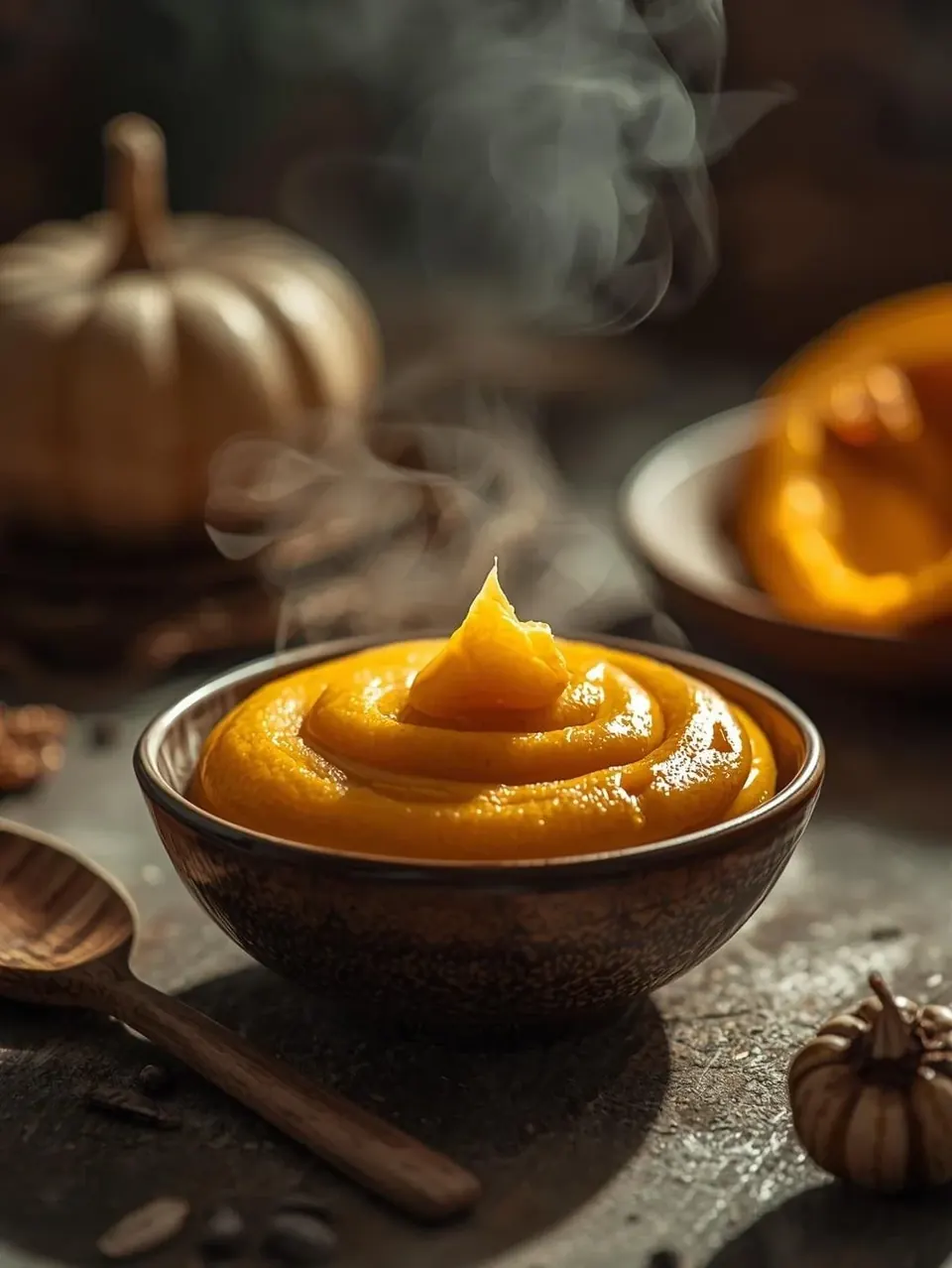
Water-soluble vitamins like vitamin C and B vitamins are my biggest concern when cooking pumpkin. These nutrients dissolve easily and disappear quickly with the wrong cooking method.
When I steam pumpkin, I keep almost all the vitamin C intact. There's no water to leach it away, and the lower temperatures don't break it down as much. B vitamins like folate and thiamine stay put too.
Roasting presents a different challenge. The higher heat can reduce vitamin C levels by 15-25%. However, I've found that roasting times are usually short enough that I don't lose everything.
Here's what I've noticed:
Steaming: Retains 85-95% of water-soluble vitamins
Roasting: Keeps 70-85% of these nutrients
The trade-off is worth considering. While roasting might reduce some vitamin C, it makes other nutrients more available to my body.
Antioxidants and Beta-Carotene
This is where roasting really shines in my kitchen. Beta-carotene, the compound that makes pumpkin orange and converts to vitamin A, actually becomes more available when I roast.
Heat breaks down the tough cell walls in pumpkin. This makes it easier for my body to absorb the beta-carotene. I get about 20-30% more usable beta-carotene from roasted pumpkin compared to steamed.
Other antioxidants benefit from roasting too. The browning process creates new antioxidant compounds that weren't there before. These help fight inflammation in my body.
Steaming preserves the original antioxidants well, but doesn't create new ones. The beta-carotene is still there, just not as easy for my body to use.
My personal take: if I want maximum vitamin C, I steam. If I want the most beta-carotene and antioxidants, I roast every time.
Choosing and Preparing the Best Pumpkin Varieties
The secret to perfect roasted or steamed pumpkin starts with picking the right variety - and trust me, not all pumpkins are created equal! Sugar pumpkins deliver the sweet, creamy flesh you want, while proper selection ensures you get the best flavor and texture.
Sugar Pumpkins vs. Carving Pumpkins
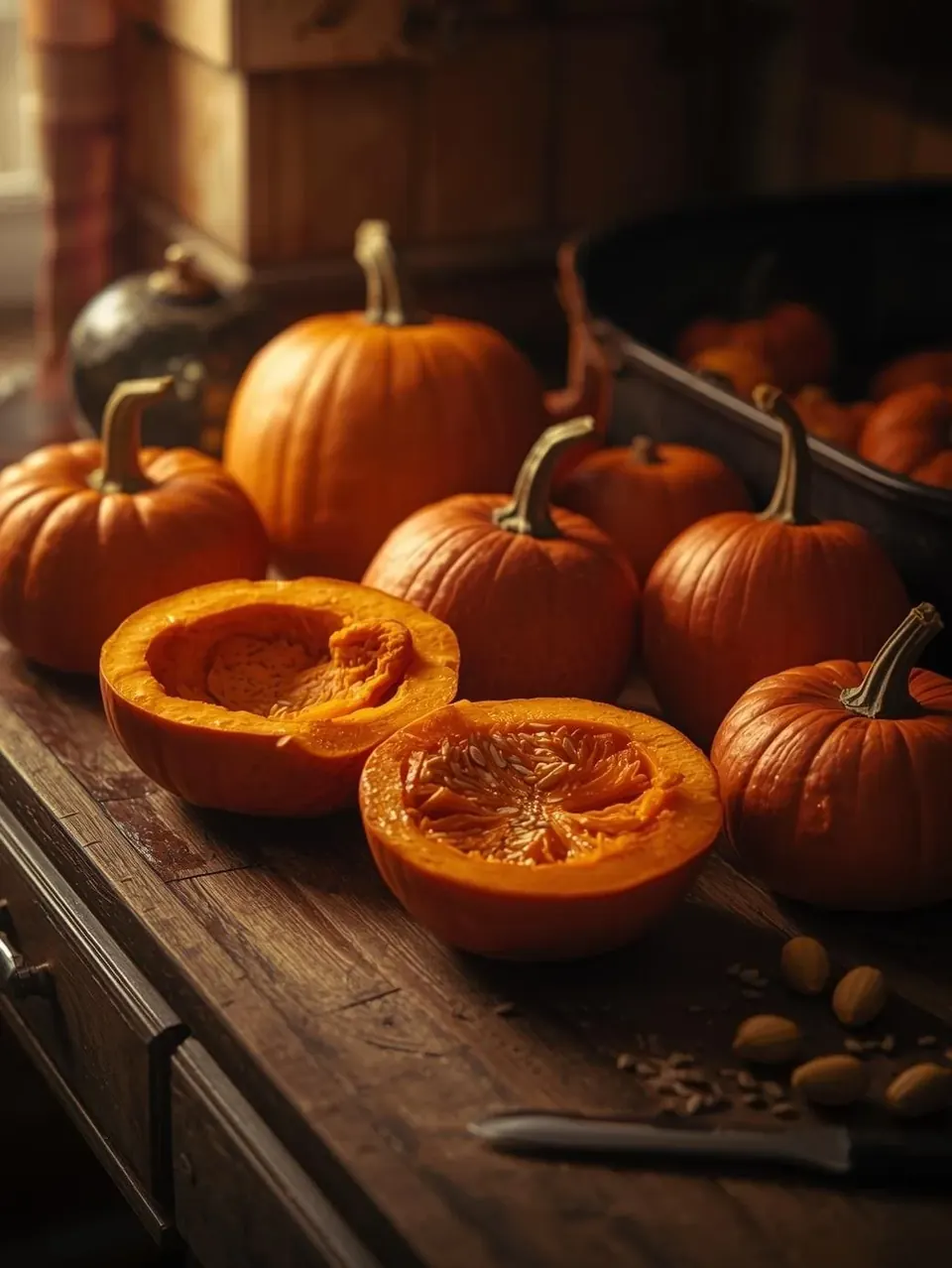
Here's what I've learned from years of pumpkin cooking: sugar pumpkins are your best friend in the kitchen. These small, round beauties pack dense, sweet flesh that's perfect for both roasting and steaming.
Sugar pumpkins (also called pie pumpkins) weigh between 2-8 pounds. Their thick walls contain less water than carving pumpkins, which means richer flavor and better texture.
Carving pumpkins - those big jack-o'-lantern types - might look impressive, but they're disappointing for cooking. Their flesh is stringy, watery, and bland. I made this mistake once and ended up with mushy, flavorless results.
Key differences:
Sugar Pumpkins Carving Pumpkins Dense, sweet flesh Watery, stringy flesh 2-8 pounds 10+ pounds Thick walls Thin walls Rich orange color Pale orange color
The best pumpkin varieties for cooking include Sugar Pumpkins, which have dense flesh with rich flavor that works perfectly for both sweet and savory dishes.
Tips for Selecting Quality Pumpkins
When I'm choosing the right pumpkin, I look for specific signs of quality. A good pumpkin feels heavy for its size - this tells me the flesh is dense and fresh.
The stem should be intact and dry, not soft or moldy. I always check for a deep, consistent orange color without soft spots or blemishes.
My selection checklist:
Heavy weight relative to size
Hard, intact stem (about 1-2 inches)
No soft spots or dark patches
Deep orange color throughout
Matte finish (shiny skin means it's not ripe)
The pumpkin should sound hollow when you tap it, just like other root vegetables. If it sounds dull or feels squishy anywhere, keep looking.
I prefer pumpkins that still have some stem attached - it's like a freshness indicator. Once you've found your perfect sugar pumpkin, you're ready to create something delicious!
Step-By-Step: Roasting Pumpkin
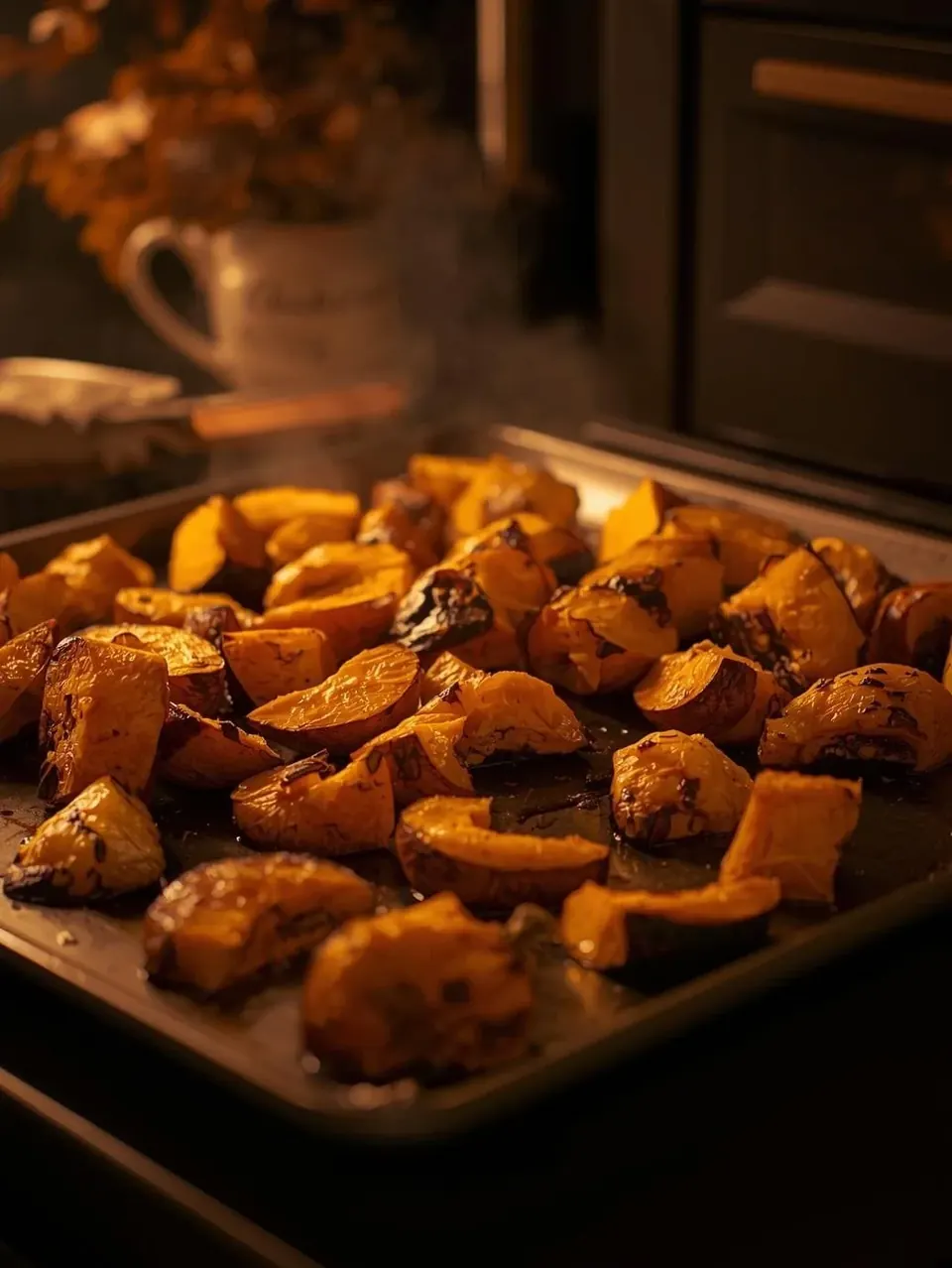
Roasting pumpkin transforms this fall favorite into caramelized perfection with minimal effort. I'll walk you through my foolproof method for getting tender, flavorful pumpkin flesh plus show you how to turn those seeds into a crunchy snack.
Preparation and Roasting Process
I always start by choosing the right pumpkin. Sugar pie pumpkins work best because they're sweet and not too watery.
First, I wash the pumpkin and pat it dry. Then I cut it in half from top to bottom using a sharp knife. This takes some muscle, so I go slow and steady.
Next comes the fun part - scooping out the guts! I use a large spoon or ice cream scoop to remove all the stringy bits and seeds. Save those seeds though - we'll roast them later.
I drizzle olive oil on the cut sides and sprinkle with salt and pepper. The pumpkin halves go cut-side down on a baking sheet lined with parchment paper.
My oven gets preheated to 400°F. The pumpkin roasts for 30-45 minutes depending on size. I know it's done when a fork slides easily into the flesh.
Once cool enough to handle, I scoop out the tender pumpkin flesh with a spoon. It comes away from the skin easily.
Flavor Enhancements
Plain roasted pumpkin tastes amazing, but I love jazzing it up with different flavors. My go-to is a sprinkle of cinnamon and a drizzle of maple syrup before roasting.
For savory dishes, I add garlic powder, thyme, and a pinch of smoked paprika. The roasted vegetables develop deep, rich flavors this way.
Sometimes I brush melted butter mixed with brown sugar on the cut sides. This creates a beautiful caramelized coating that makes the pumpkin flesh extra sweet.
My favorite seasoning combinations:
Sweet: cinnamon + nutmeg + maple syrup
Savory: rosemary + garlic + parmesan cheese
Spicy: chili powder + cumin + lime juice
I always taste test different spice blends. The cooking time stays the same, but the flavors change completely.
Making Roasted Pumpkin Seeds
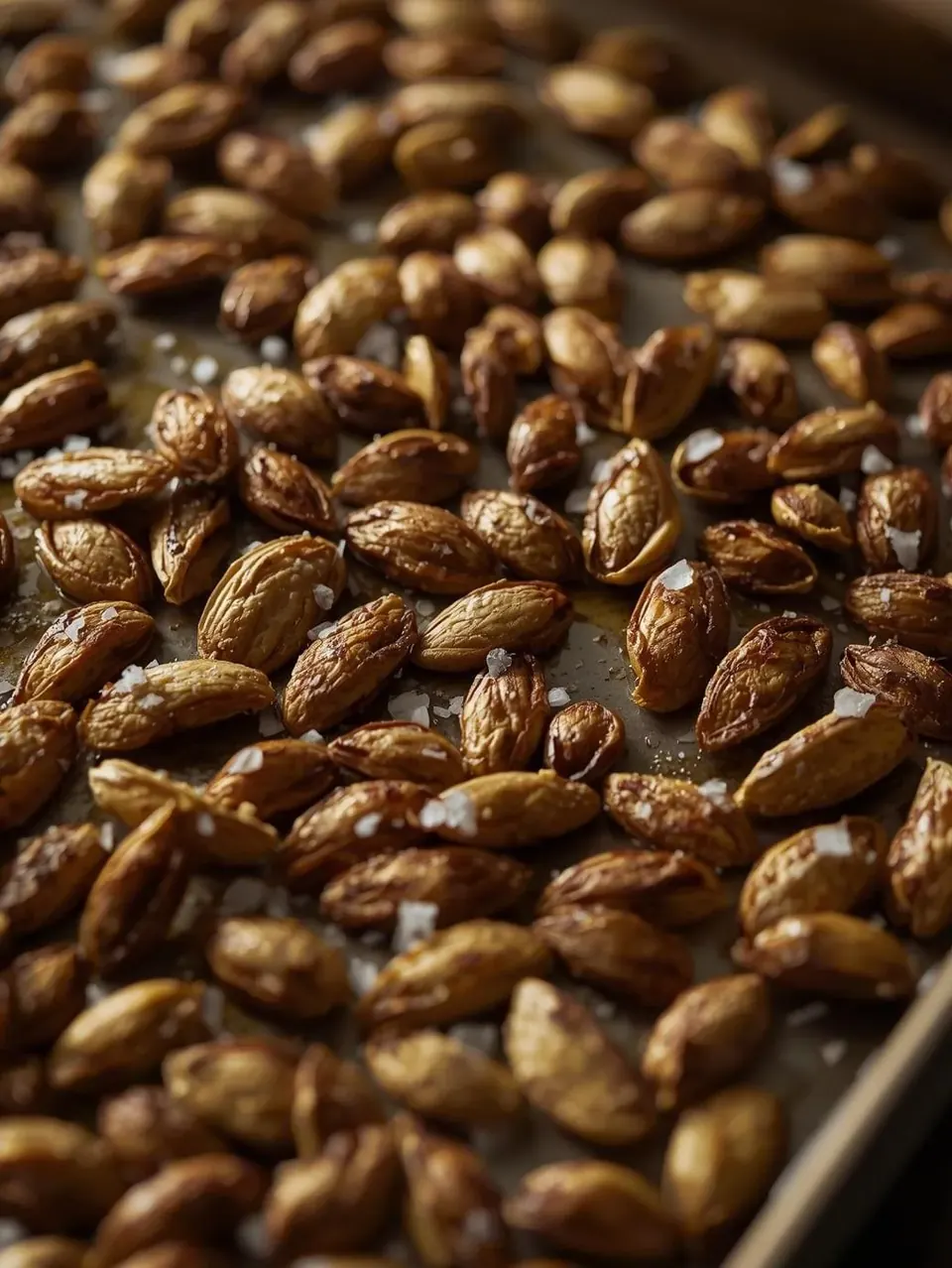
Don't throw away those pumpkin seeds! They make the perfect crunchy snack when roasted properly.
I rinse the seeds in a colander to remove all the orange pulp. This takes a few minutes of rubbing under cold water.
Then I pat them completely dry with paper towels. Wet seeds won't get crispy.
I toss the clean seeds with olive oil and salt. About one tablespoon of oil per cup of seeds works perfectly.
Basic roasted seed recipe:
1 cup pumpkin seeds
1 tablespoon olive oil
1/2 teaspoon salt
I spread them on a baking sheet in a single layer. They roast at 300°F for 15-20 minutes until golden brown and crunchy.
I flip them halfway through for even browning. My favorite seasonings include garlic powder, curry spices, or even a sprinkle of parmesan cheese.
Step-By-Step: Steaming Pumpkin
I find steaming to be the gentlest way to cook pumpkin, preserving its natural sweetness while creating incredibly tender pumpkin flesh. The key is choosing the right equipment, deciding between pieces or whole pumpkin, and nailing your cooking time for perfect results.
Using a Steamer Basket
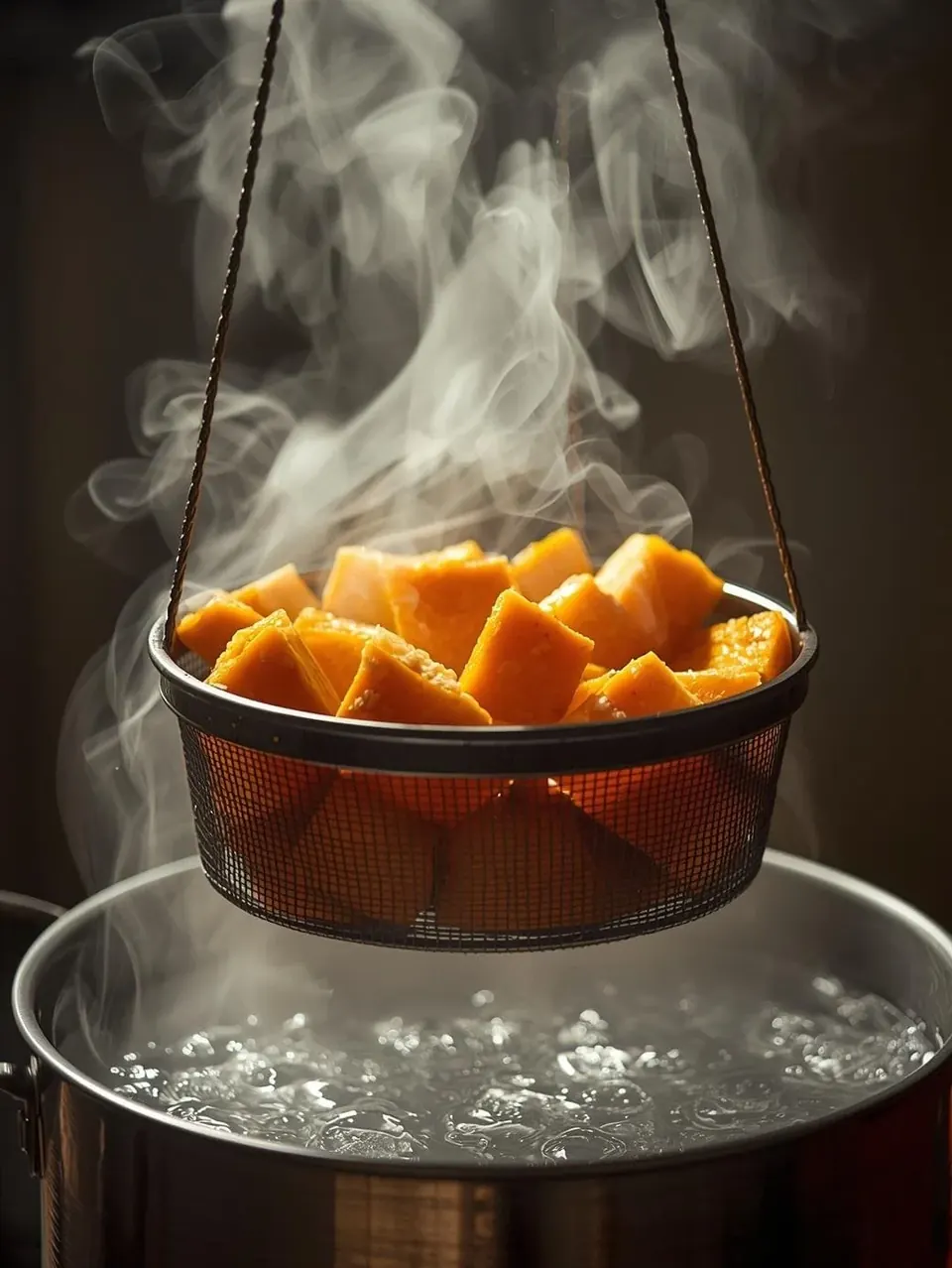
My go-to method involves a trusty steamer basket that fits snugly in my largest pot. I fill the pot with about 2 inches of water, making sure it doesn't touch the bottom of the basket.
Here's my steamer setup:
Large pot with tight-fitting lid
Metal steamer basket or bamboo steamer
2 inches of water in the bottom
I bring the water to a rolling boil before adding my pumpkin pieces. The steam does all the work, creating those perfectly steamed vegetables we're after.
Once I place the pumpkin in the basket, I cover immediately and reduce heat to medium. This keeps the steam circulating without losing precious moisture through the lid.
Steaming Pumpkin Pieces vs. Whole
I almost always choose pieces over steaming whole pumpkin because they cook faster and more evenly. Cut pumpkin into 2-3 inch chunks for the best results.
Pumpkin pieces pros:
Cook in 15-20 minutes
Easy to check for doneness
Better digestibility
Whole pumpkin pros:
Less prep work
Dramatic presentation
Keeps more moisture
For pieces, I peel and remove seeds first. The exposed flesh steams beautifully and becomes fork-tender quickly.
Whole pumpkins need 45-60 minutes depending on size. I pierce the skin several times to prevent bursting.
Timing and Tips
My cooking time depends entirely on the size of my pumpkin pieces. Small cubes take 12-15 minutes, while larger chunks need 20-25 minutes.
I test doneness by poking with a fork - it should slide in like butter. Overcooked pumpkin turns mushy, so I check every 5 minutes after the 15-minute mark.
My favorite steaming tips:
Don't overcrowd the basket
Keep the lid on tight
Add more hot water if needed
Season after steaming
The beauty of steaming is how it enhances digestibility compared to other methods. The gentle heat breaks down tough fibers without destroying nutrients.
I never add salt to the steaming water - it doesn't penetrate anyway. Instead, I season the tender flesh afterward with butter, herbs, or spices.
Making and Using Pumpkin Puree
The cooking method you choose dramatically changes your pumpkin puree's texture and flavor. Roasted pumpkin flesh creates a deeper, caramelized taste while steamed pumpkin yields a lighter, more neutral base.
Texture Differences from Roasting and Steaming
I've noticed huge differences when I make pumpkin puree using different cooking methods. Roasted pumpkin gives me a thicker, more concentrated puree with natural caramelization.
The high heat removes more moisture from the pumpkin flesh. This creates a denser texture that holds its shape better in recipes.
Steamed pumpkin produces a lighter, smoother puree. The gentle heat preserves more water content, making it perfect when I need a silky consistency.
Here's what I've learned about each method:
Method Texture Moisture Level Prep Time Roasting Dense, thick Lower 45-75 minutes Steaming Light, smooth Higher 12-18 minutes
When steaming pumpkin on the stovetop, I cube it into 1-inch pieces first. This speeds up the cooking process and creates an even texture throughout.
Best Applications in Cooking
My roasted pumpkin puree works best in recipes where I want bold flavor. Pumpkin pies, breads, and muffins benefit from that concentrated sweetness and thicker consistency.
I use roasted puree when the pumpkin needs to be the star ingredient. The caramelized notes add complexity that you just can't get from steaming.
For soups, smoothies, and sauces, I reach for steamed puree every time. The neutral flavor lets other ingredients shine while adding creamy texture.
Steamed pumpkin puree also works better when I'm cooking vegetables together in one dish. It blends seamlessly without overpowering delicate flavors.
Quick tip: I always drain my steamed pumpkin in a sieve for 10 minutes before blending. This prevents watery puree that can ruin baked goods.
For savory applications like curries or pasta sauces, steamed puree gives me better control over the final consistency.