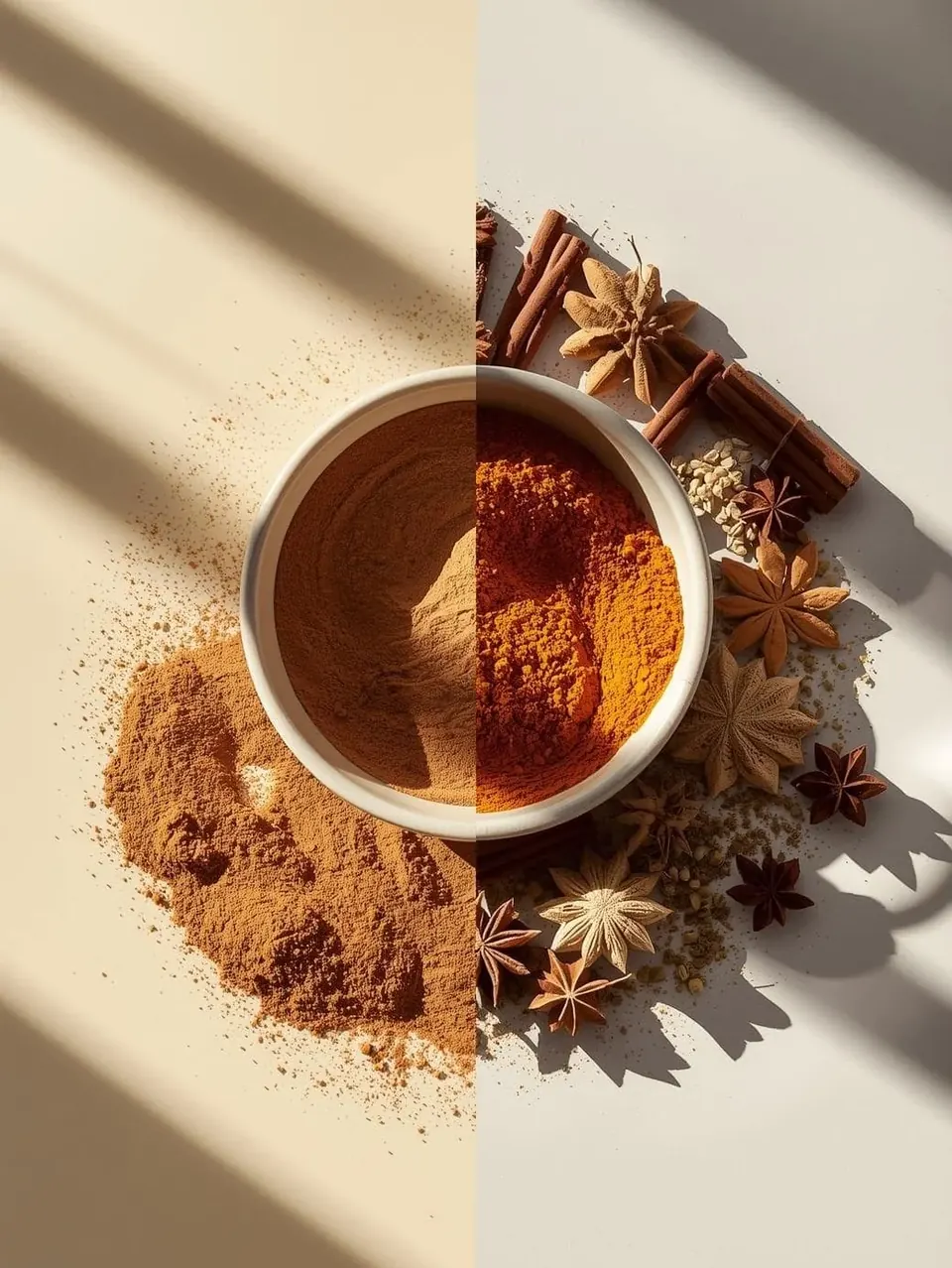
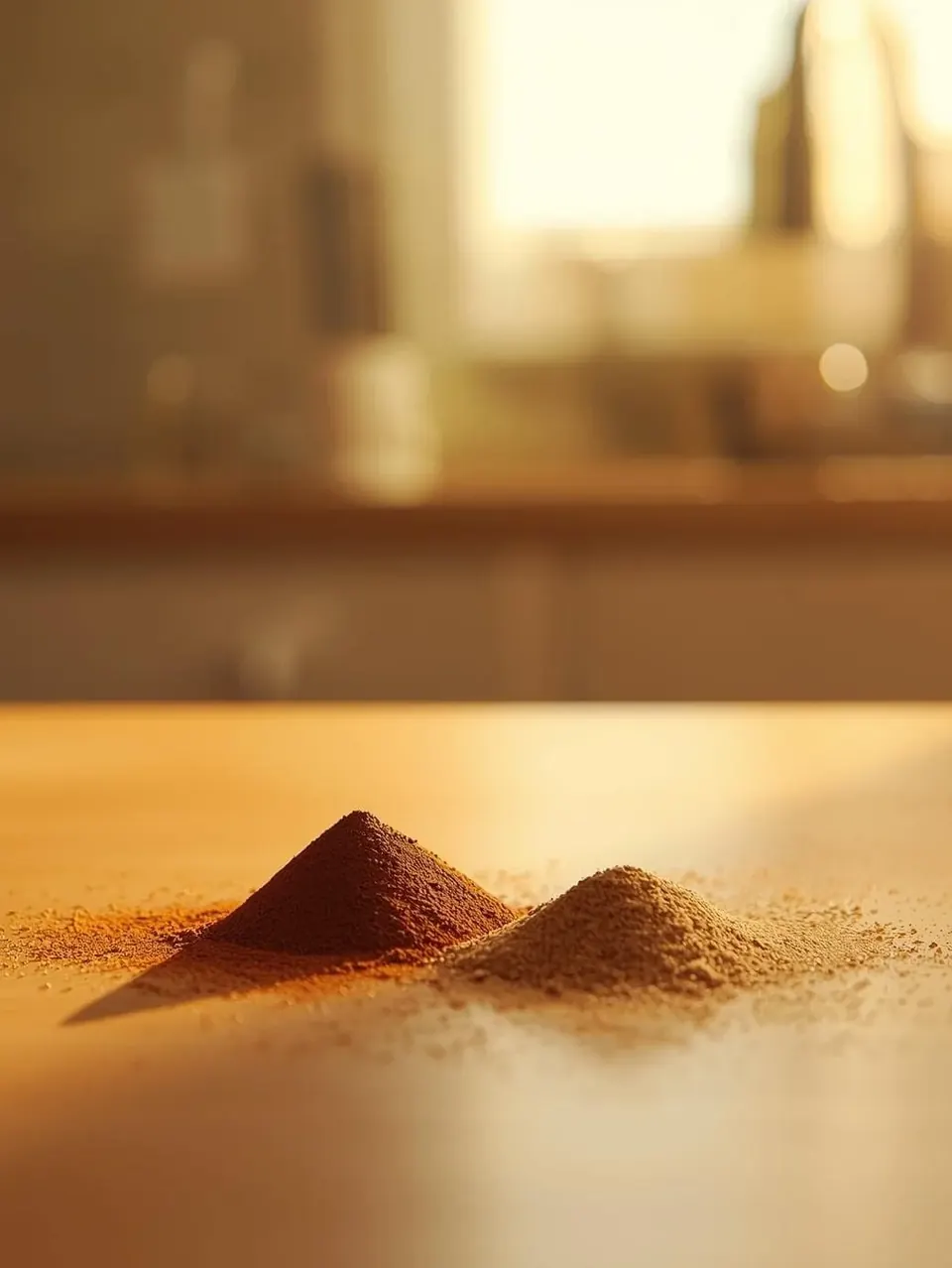
When I first started baking, I thought pumpkin pie spice and cinnamon were basically the same thing – boy, was I wrong! The main difference is that cinnamon is a single spice with a sweet, warm flavor, while pumpkin pie spice is a blend that contains cinnamon plus ginger, nutmeg, cloves, and sometimes allspice. This means they each bring totally different flavor experiences to your kitchen.
I've learned through years of trial and error that understanding these two spices can completely change your fall baking game. While cinnamon has a wider range of culinary applications, pumpkin pie spice delivers that complex, cozy flavor that screams autumn in every bite.
In this guide, I'll walk you through everything I wish I'd known when I started – from how their flavors actually work in different recipes to which one gives you better health benefits, plus my favorite tricks for making your own custom blends at home.
Cinnamon vs Pumpkin Pie Spice: Key Differences
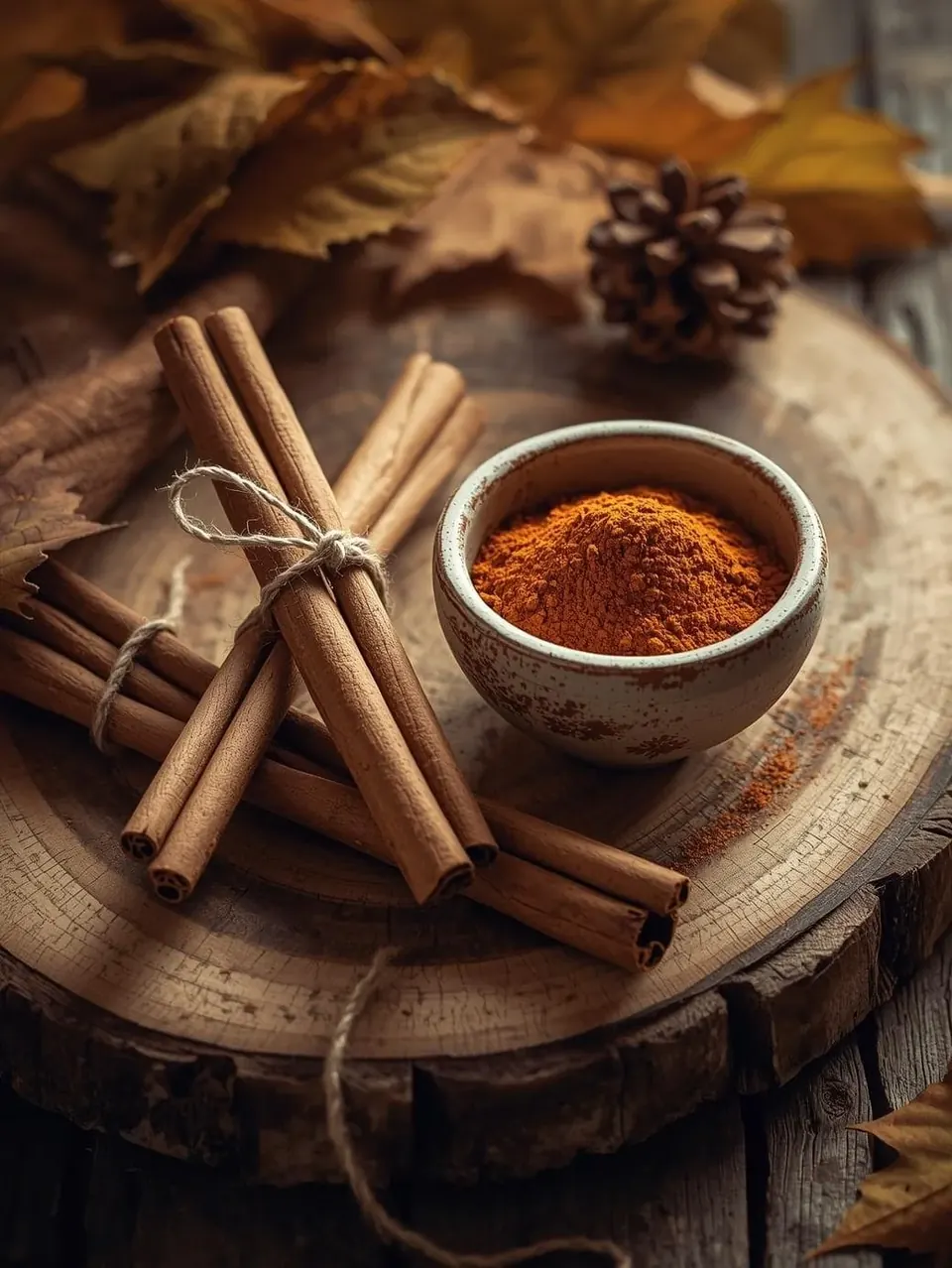
Cinnamon is a single spice with a sweet, warm flavor, while pumpkin pie spice is a blend that combines cinnamon with other autumn spices. The main differences lie in complexity of flavor and how you use them in cooking.
What Is Cinnamon?
I've been cooking with cinnamon for years, and it's honestly one of my favorite single spices. Cinnamon comes from the inner bark of cinnamon trees and has that instantly recognizable sweet, warm taste.
Ceylon and Cassia are the two main types you'll find. Ceylon tastes more delicate and sweet. Cassia has a stronger, spicier kick that most people know from grocery stores.
When I look at the nutrition facts, cinnamon has more fiber, manganese, and calcium than spice blends. It covers your daily fiber needs much better too.
The flavor is straightforward - just that classic cinnamon warmth. I use it in everything from coffee to savory dishes like Moroccan tagines.
What Is Pumpkin Pie Spice?
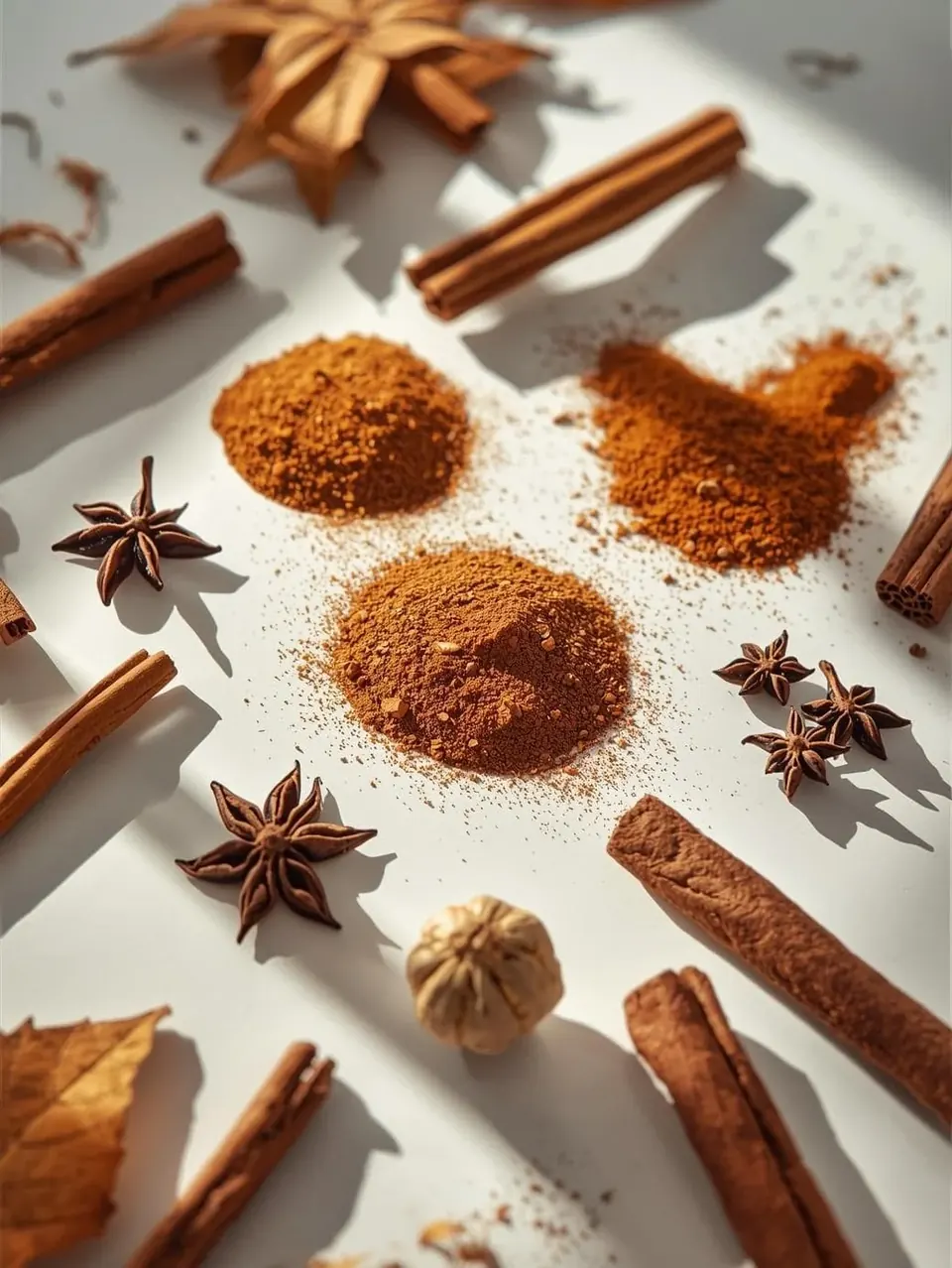
Pumpkin pie spice is where things get interesting! It's not just one spice - it's a carefully balanced blend that I absolutely love during fall.
The typical mix includes:
Cinnamon (the base)
Nutmeg
Ginger
Allspice
Cloves
Some brands add cardamom too. Pumpkin pie spice is higher in iron, vitamin C, vitamin B6, magnesium, copper, and selenium because of all these different spices.
The flavor is way more complex than plain cinnamon. You get that familiar cinnamon sweetness plus warming notes from ginger, earthiness from nutmeg, and a slight bite from cloves.
I find pumpkin spice and pumpkin pie spice are the same thing - the terms get used interchangeably.
Cinnamon vs Pumpkin Spice: Naming and Usage Differences
The biggest difference I notice is versatility. Cinnamon works year-round in sweet and savory dishes. I throw it in my morning oatmeal, use it in curries, and sprinkle it on roasted vegetables.
Pumpkin spice blends feel more seasonal to me. They're perfect for fall-themed treats like pumpkin pie, lattes, and muffins, but they also work great in unexpected places like roasted butternut squash soup.
Flavor complexity is another key difference. Cinnamon has a sweet, warm, and pungent flavor, while pumpkin spice is a blend with a more complex and nuanced flavor.
If I'm making something delicate where I want just that cinnamon taste, I stick with plain cinnamon. When I want cozy autumn vibes with layers of warming spices, pumpkin pie spice wins every time.
Core Ingredients and Flavor Profiles
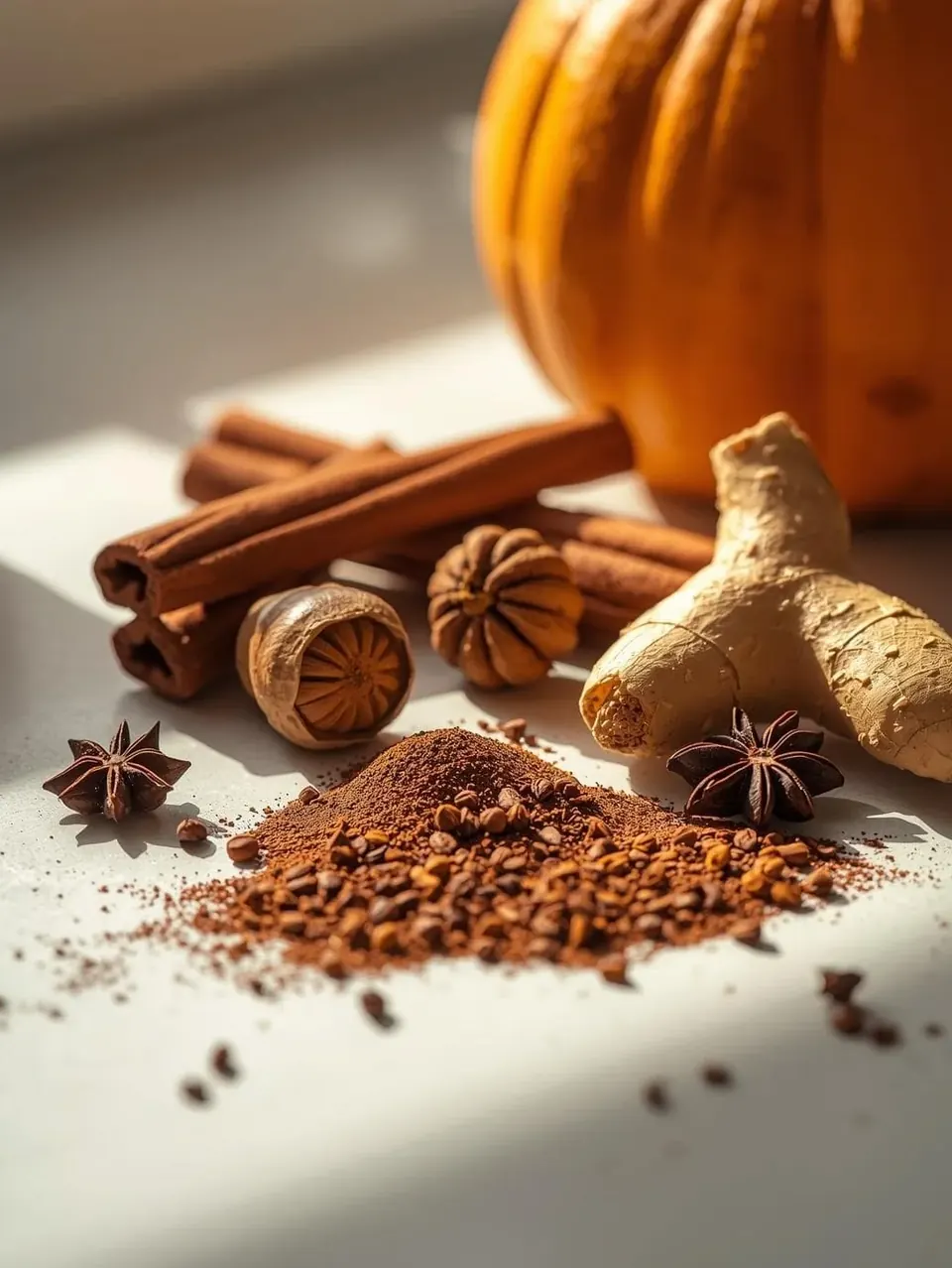
Cinnamon brings a sweet, woody warmth that's instantly recognizable, while pumpkin pie spice creates a complex symphony of fall flavors through its carefully balanced blend of spices. Each has distinct aromatic qualities that can transform your baking in different ways.
Cinnamon's Unique Flavor and Origins
I've always been fascinated by how cinnamon comes from the inner bark of the cinnamon tree. When dried, it naturally curls into those iconic quills we all recognize.
The flavor hits you with sweet warmth first, followed by subtle woody notes. There's also a gentle spiciness that never overwhelms your taste buds.
What I love most is cinnamon's versatility. It works beautifully in sweet treats like cookies and cakes. But I also use it in savory dishes like chili and Middle Eastern stews.
The aroma alone can fill your entire kitchen. That's because cinnamon contains natural oils that release when heated or ground fresh.
Pumpkin Pie Spice Composition and Variations
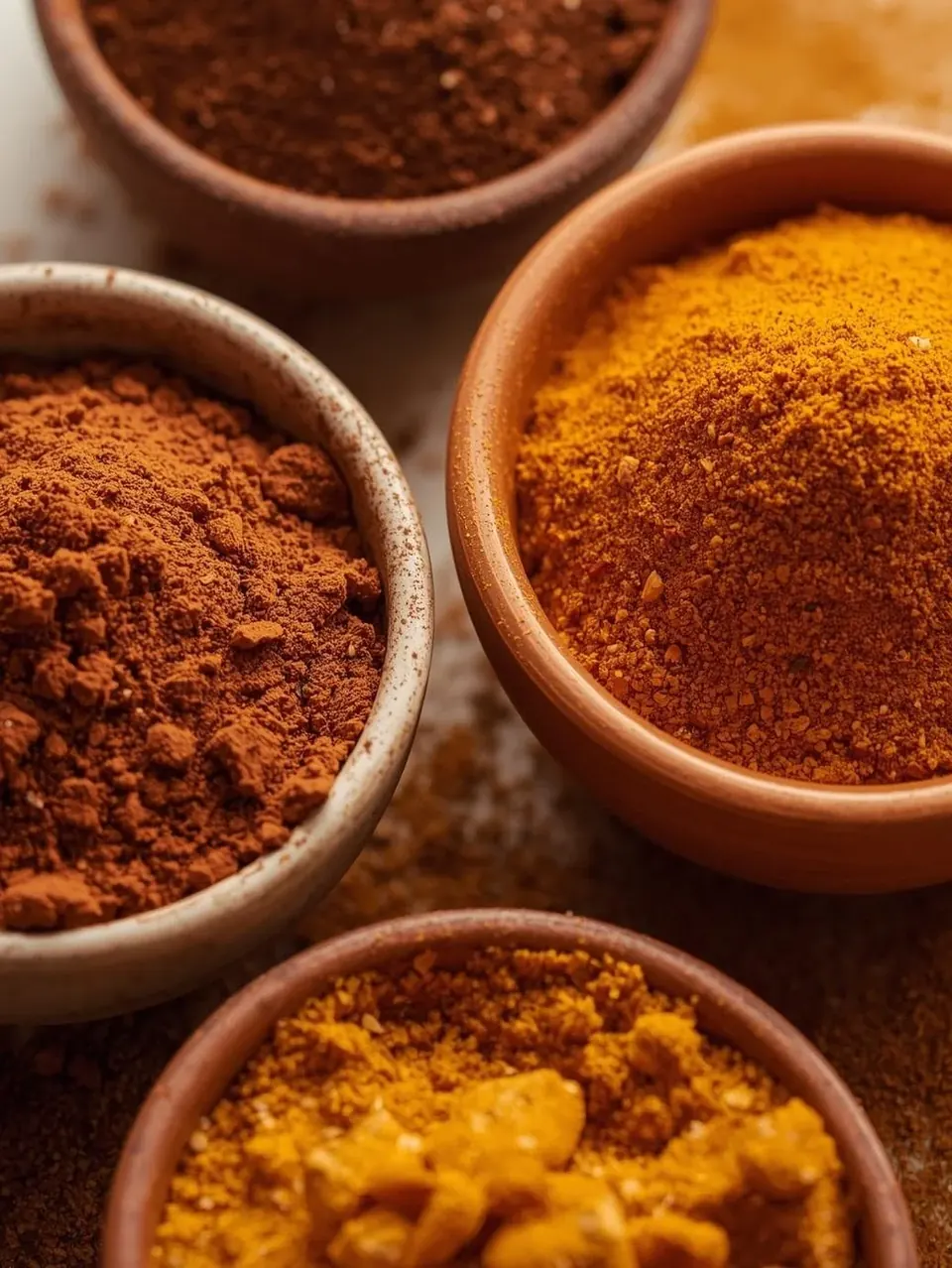
Pumpkin pie spice typically includes cinnamon, nutmeg, ginger, and cloves. Some blends also add allspice or even cardamom for extra depth.
Here's what each spice brings to the party:
Cinnamon - provides the sweet, warm base
Nutmeg - adds subtle nuttiness and warmth
Ginger - contributes a spicy kick with citrus notes
Cloves - delivers intense, almost floral spiciness
Allspice - rounds out the blend with peppery sweetness
I've noticed that different brands use varying ratios. Some lean heavily on cinnamon, while others balance the spices more evenly.
The beauty is in how these spices work together. No single flavor dominates - they create something entirely new.
Comparing Aroma and Fall Flavors
The aroma difference between these two is striking. Cinnamon gives you that pure, focused warmth that's comforting and familiar.
Pumpkin pie spice hits differently. It's like walking into a bakery during October - complex, layered, and unmistakably autumnal.
When I smell cinnamon, I think of cinnamon rolls and hot chocolate. Pumpkin spice creates that cozy fall feeling that makes you want to grab a sweater and light a candle.
In terms of flavor intensity, cinnamon is more direct and pronounced. Pumpkin pie spice offers subtlety and nuance that builds with each bite.
Both capture fall flavors beautifully, but in completely different ways. Cinnamon is the reliable friend, while pumpkin pie spice is the exciting new adventure.
Culinary Applications for Cinnamon and Pumpkin Pie Spice
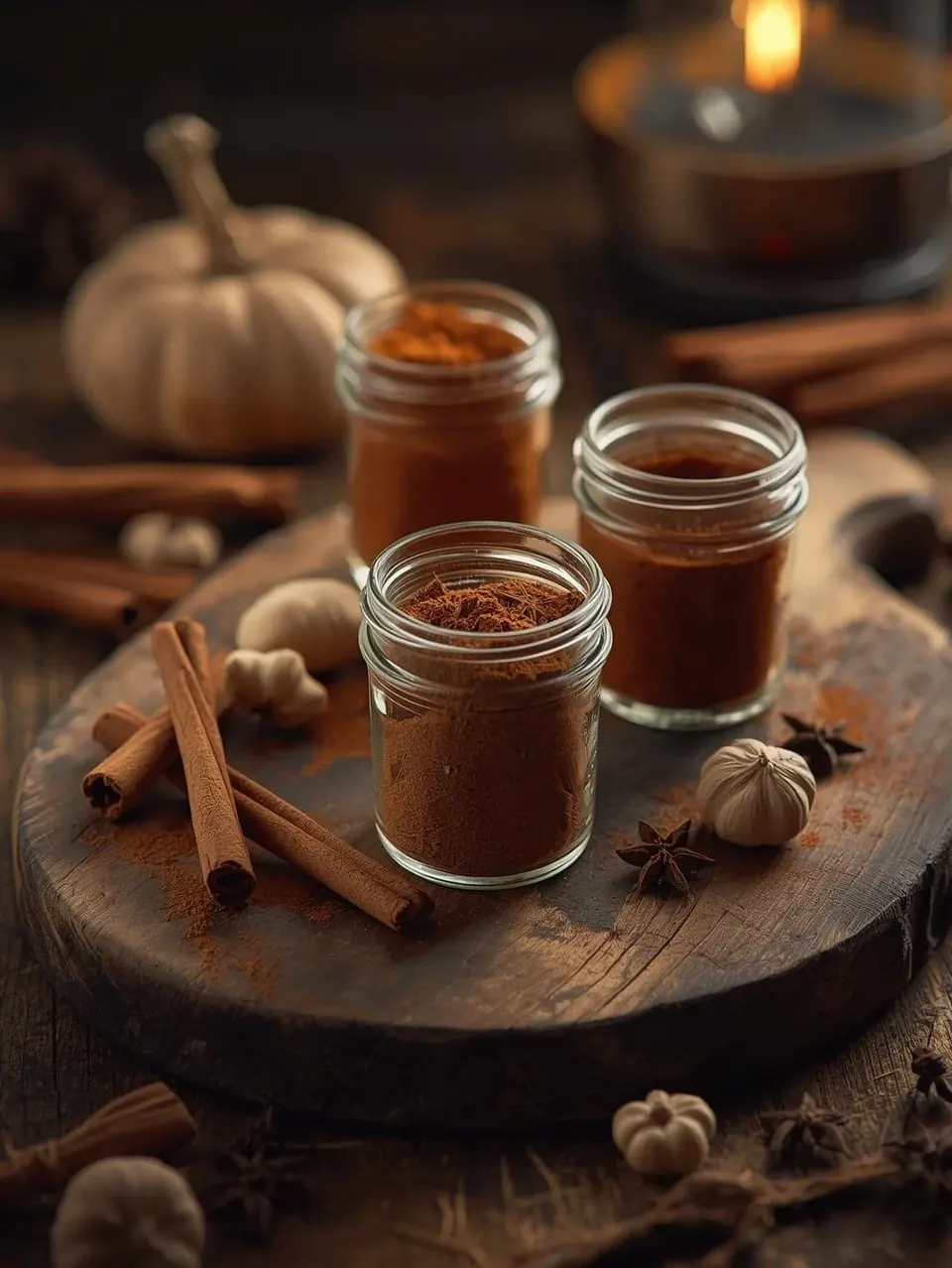
Cinnamon works in everything from morning toast to savory meat dishes, while pumpkin pie spice shines brightest in fall baking and cozy drinks. Both spices bring warmth to your kitchen, but they play very different roles depending on what you're cooking.
Classic Baked Goods
I reach for cinnamon when I'm making everyday treats that need that familiar warm kick. It's perfect in cinnamon rolls, snickerdoodles, and coffee cake. The single spice keeps things simple and lets me control exactly how much warmth I want.
Cinnamon stars in:
Cinnamon sugar cookies
Apple pie and apple crisp
Banana bread
French toast and pancakes
Pumpkin pie spice brings more complexity to my baking. I love using it when I want that cozy fall feeling without measuring out four different spices. It saves me time and gives consistent results every time.
Pumpkin pie spice works great for:
Pumpkin bread and muffins
Spice cakes and cupcakes
Scones and biscuits
Sugar cookies with autumn flair
The main difference I notice is that cinnamon gives me one clear flavor note, while pumpkin pie spice creates complex autumn flavors with its blend of cinnamon, nutmeg, ginger, and allspice.
Desserts and Autumn Treats
Nothing beats pumpkin pie spice for fall desserts. I use it in pumpkin pie, pumpkin bars, and even homemade ice cream. It makes my kitchen smell like autumn magic.
My favorite autumn applications include pumpkin cheesecake, spiced donuts, and caramel apple desserts. The blend just works better than plain cinnamon for these treats.
Cinnamon shines in year-round desserts like rice pudding, churros, and chocolate chip cookies. I also love it in fruit desserts where I don't want competing spice flavors.
Quick comparison for desserts:
Dessert Type Best Choice Why Pumpkin pie Pumpkin pie spice Traditional blend complements pumpkin Apple pie Cinnamon Clean flavor with apples Spice cookies Either works Depends on complexity desired Fruit crumbles Cinnamon Won't overpower fruit
Savory Dishes and Creative Uses
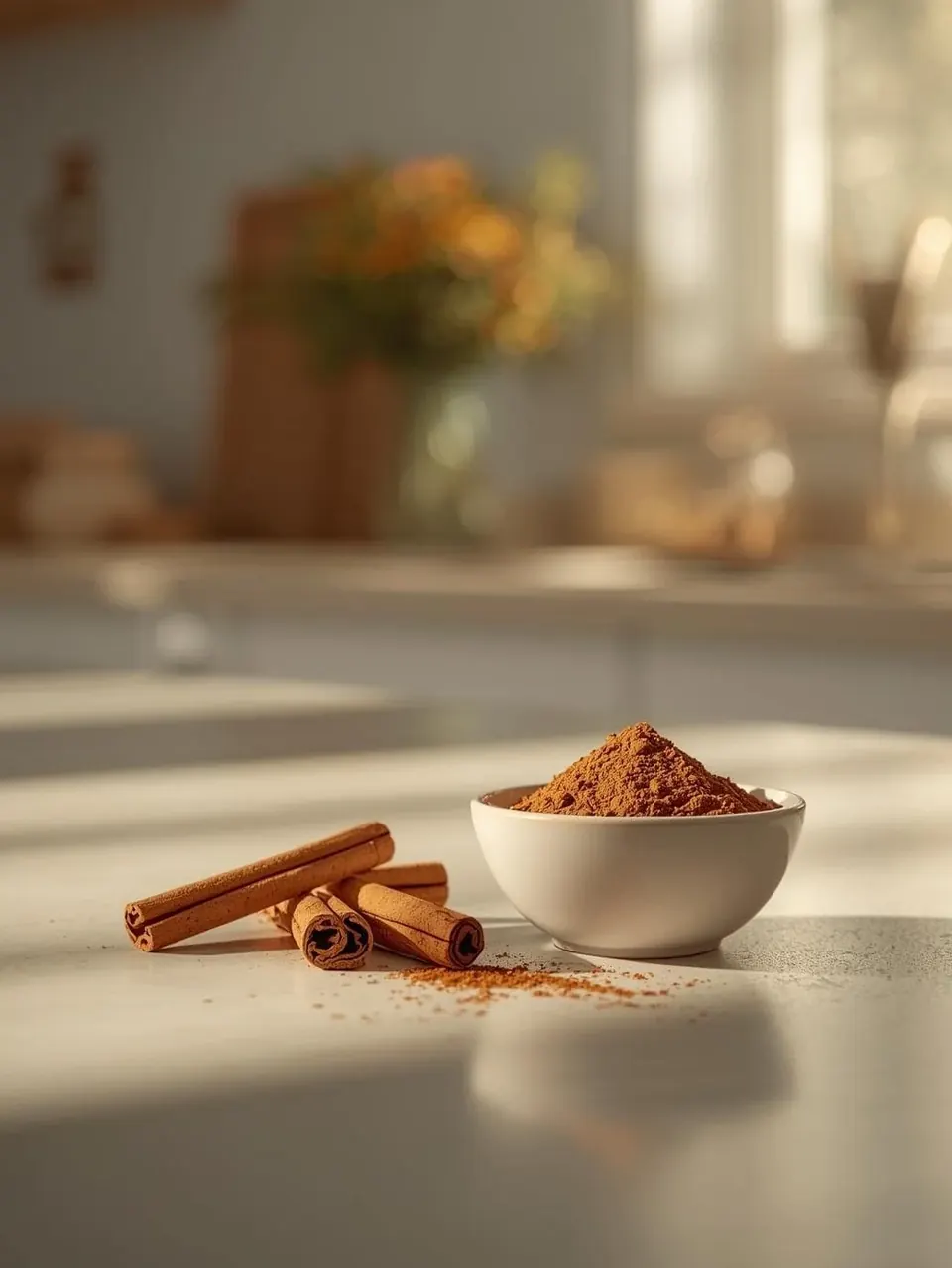
Cinnamon surprises people in savory cooking, but I love it in Middle Eastern and Mexican dishes. It adds warmth to chili, barbacoa, and lamb dishes without making them taste like dessert.
I sprinkle cinnamon on roasted sweet potatoes, add it to coffee rubs for meat, and use it in curry blends. The key is using small amounts so it doesn't overwhelm.
Pumpkin spice finds its way into savory dishes like roasted vegetables and soups too. I've used it on butternut squash, in cream soups, and even in salad dressings for fall flavors.
My favorite creative uses include pumpkin spice lattes (obviously!), spiced nuts for snacking, and seasoning blends for roasted chicken. Both spices work in homemade granola and oatmeal too.
The trick with both spices in savory cooking is starting small. You can always add more, but you can't take it back once it's too spicy or sweet.
Health Benefits and Wellness Considerations
Both cinnamon and pumpkin pie spice pack some serious nutritional punch, with cinnamon offering stellar blood sugar support while pumpkin pie spice brings a powerhouse blend of anti-inflammatory compounds to your kitchen.
Antioxidants and Blood Sugar Control
I'm always amazed by how cinnamon steals the show when it comes to managing blood sugar levels. This sweet spice contains compounds that help your body use insulin more effectively.
Cinnamon has antimicrobial properties and acts as a natural antioxidant powerhouse. When I add it to my morning oatmeal, I know I'm getting more than just flavor.
Pumpkin pie spice brings its own antioxidant game through multiple spices working together. The cloves in the blend are particularly rich in antioxidants that fight free radicals in your body.
Here's what makes each option special:
Cinnamon Benefits:
Supports healthy blood sugar levels
Contains powerful antioxidants
May help reduce cholesterol
Pumpkin Pie Spice Benefits:
Multiple antioxidant sources from different spices
Higher in vitamin C and selenium
Broader range of protective compounds
Digestive and Anti-inflammatory Properties
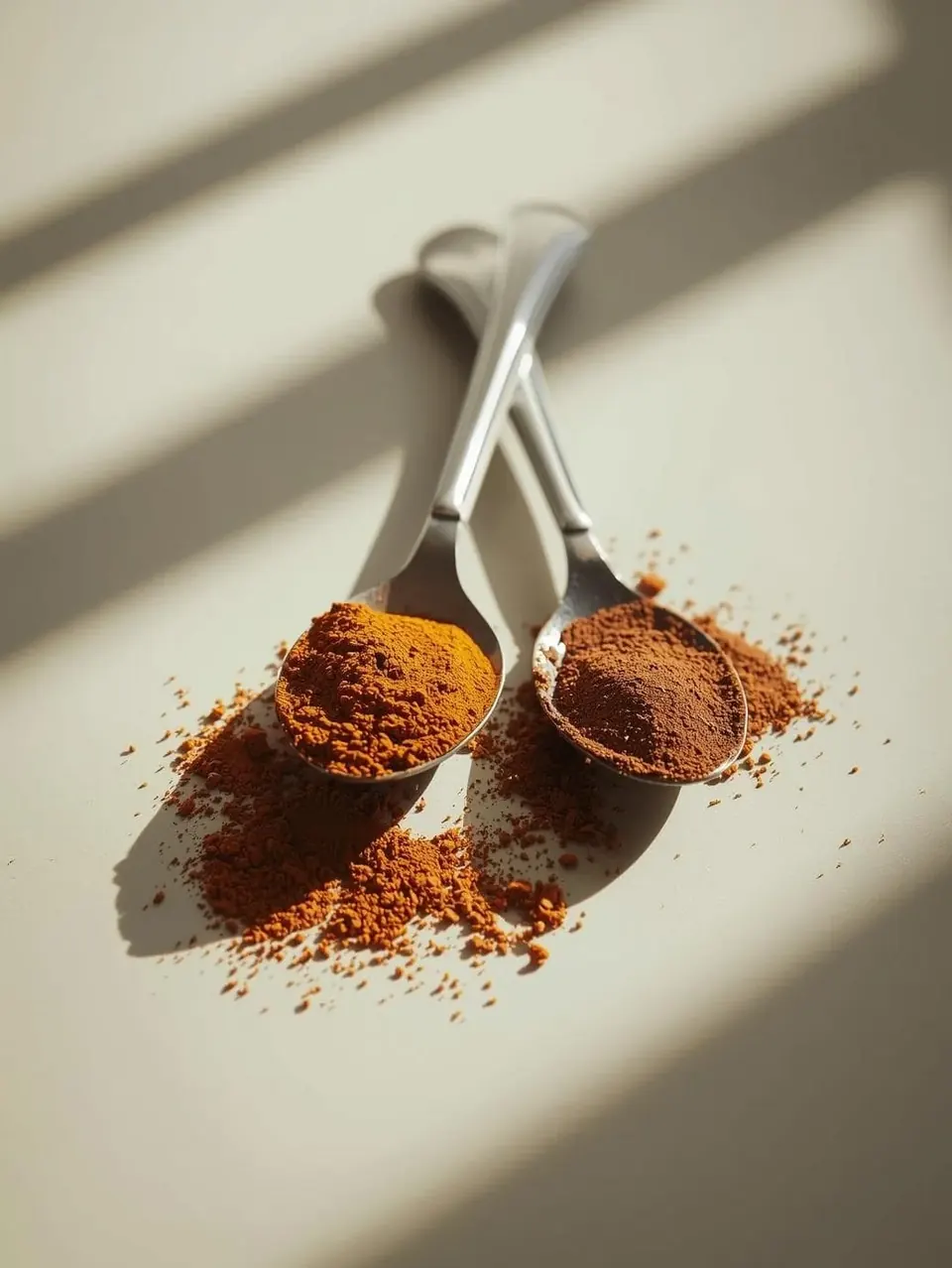
The ginger component in pumpkin pie spice is my go-to for settling an upset stomach. Ginger helps with nausea and has anti-inflammatory properties that make it perfect for digestive support.
Both options offer impressive anti-inflammatory benefits, but they work differently. Cinnamon provides focused anti-inflammatory action, while pumpkin pie spice gives you a broader spectrum approach.
The spice mixture may reduce cholesterol and aid in gut health. I've noticed my digestion feels better when I regularly include these warming spices in my cooking.
Cloves add another layer of wellness support with natural pain-relieving properties. Combined with nutmeg's anti-inflammatory effects, pumpkin pie spice becomes a wellness multitasker in your spice cabinet.
Making and Using Pumpkin Pie Spice at Home
I've discovered that making your own pumpkin pie spice blend is incredibly simple and gives you complete control over the flavor balance. The basic recipe uses just four common spices, and homemade versions often taste fresher than store-bought options.
Pumpkin Pie Spice Recipe
Making homemade pumpkin pie spice is one of my favorite kitchen shortcuts. I keep a jar ready all fall long.
Here's my go-to pumpkin spice blend recipe:
Spice Amount Ground cinnamon 3 tablespoons Ground ginger 2 teaspoons Ground nutmeg 1 teaspoon Ground cloves 1/2 teaspoon
I simply whisk everything together in a small bowl. The mix stores perfectly in an airtight jar for up to one year.
Some recipes include allspice, but I prefer this classic four-spice version. The warm spices blend together to create that cozy fall flavor we all crave.
Homemade vs Store-Bought Blends
I used to buy pumpkin pie spice from the store until I realized how much better homemade versions taste. Fresh spices make a huge difference.
Homemade benefits:
Fresher, more vibrant flavor
Control over spice ratios
More affordable
No preservatives
Store-bought spices often sit on shelves for months. My homemade blend uses spices I already have, and I can adjust the cinnamon if I want it stronger.
The flavor difference is remarkable. My homemade mix has a brighter, more complex taste that really shines in baked goods.
Substituting with Apple Pie Spice
Apple pie spice works as a decent substitute when I'm out of pumpkin pie spice. Both blends share similar warm spices, though the ratios differ slightly.
Apple pie spice typically contains more cinnamon and sometimes includes cardamom. I use it in equal amounts when substituting.
The flavor difference is subtle. Apple pie spice gives a slightly sweeter, more cinnamon-forward taste. It works great in pumpkin bread, muffins, and even lattes.
If you only have cinnamon, you can substitute using mostly cinnamon with small amounts of ginger, nutmeg, or cloves. It won't be exactly the same, but it'll still taste delicious.
Seasonal Trends and Cultural Impact
I've watched pumpkin spice transform from a simple pie seasoning into a cultural phenomenon that completely takes over every fall season. The blend has become so popular that it now appears in everything from coffee drinks to dog treats, creating a seasonal obsession that goes way beyond traditional baking.
Popularity During the Fall Season
The fall season brings an incredible surge in pumpkin spice demand that I find absolutely fascinating. According to McCormick's recent survey about seasonal flavors, pumpkin spice ranked as the top seasonal flavor consumers look forward to most throughout the year.
This beats out other popular autumn treats like cinnamon, peppermint, and eggnog. I've noticed that stores start stocking pumpkin spice products as early as August, anticipating the massive demand.
Peak Season Timeline:
August: Early product launches
September: Full market saturation
October: Maximum availability
November: Thanksgiving focus
The popularity creates what I call the "pumpkin spice phenomenon." It's amazing how this simple spice blend triggers such strong seasonal emotions and buying habits in consumers across the country.
Pumpkin Spice in Modern Food and Culture
I'm constantly amazed by how pumpkin spice has taken over the world of flavor in modern culture. The famous pumpkin spice latte started this cultural revolution, but now I see the flavor in unexpected places.
Common Pumpkin Spice Products I've Found:
Coffee drinks and lattes
Baked goods and desserts
Breakfast cereals
Ice cream flavors
Candles and air fresheners
Even pet treats
The blend has become what experts call a cultural phenomenon that combines nostalgia, emotion, and marketing genius. I think it taps into my memories of autumn comfort and family traditions.
What fascinates me most is how pumpkin spice's appeal doesn't seem to be waning. It's become a permanent part of modern consumer culture, and I expect it will stay on shelves as long as people crave seasonal comfort flavors.