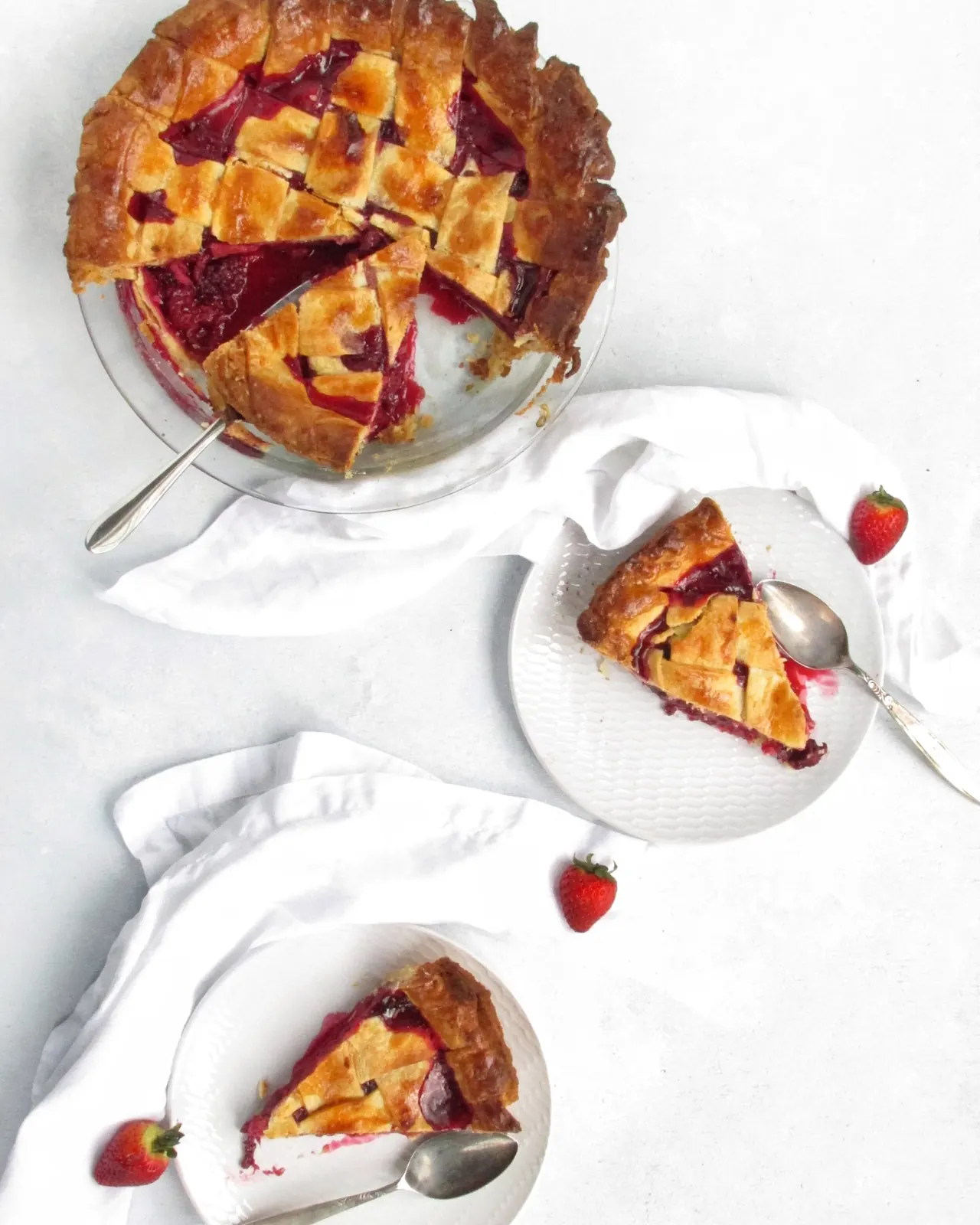
If I want the crispest, deepest browning on a pie crust, I choose anodized aluminum. If I want a heavier, table-ready dish that holds heat well for custards, quiche, or a pie I plan to serve warm from the dish, I choose stoneware. Both can bake a good pie, but they behave differently enough that the right pick depends on the crust and filling I care about most.
How the baking differs
The biggest difference is heat transfer. Aluminum heats quickly and pushes browning early, especially on the bottom crust. Stoneware warms more gradually, then holds onto that heat for longer. That general pattern lines up with guidance from King Arthur Baking and with broader material comparisons from Martha Stewart.
In practical terms, aluminum is usually more forgiving when I am baking a fruit pie with a juicy filling. The pastry starts setting sooner, which helps protect the bottom crust from turning soft. Stoneware can still bake a lovely pie, but it often needs more time for the base to fully brown.
That slower, steadier heating is exactly why I like stoneware for some pies. A pumpkin pie, sweet potato pie, or quiche benefits from a more gradual bake, and the retained heat helps keep the center warm at the table.
When anodized aluminum makes more sense
Anodized aluminum is my first pick for pies where crust texture matters most. Apple, cherry, peach, and berry pies all benefit from stronger bottom heat, especially if the filling is loose or the crust is on the thick side.
It is also easier to handle. Aluminum is light, easy to move in and out of the oven, and it cools down faster once the pie is out. That faster cooling can help if I want the filling to settle sooner for cleaner slices.
Another advantage is predictability. If a recipe is written for a standard metal pie pan, anodized aluminum usually behaves close to that expectation. I still watch closely, because metal can brown the crust faster than expected, but the direction is familiar: quick response, quicker color, less residual heat after baking.
When stoneware is the better choice
Stoneware shines when I want gentle, even baking once the dish is fully heated and when I care about serving straight from the oven. It is especially useful for baked custard pies, quiche, and deeper pies that need to stay warm for a while.
The retained heat is a real strength here. A stoneware dish stays hot long after it leaves the oven, so the filling keeps some warmth at the table. That can be helpful for savory pies and custards, though it also means carryover cooking is more noticeable. If a custard is right on the edge of done when it comes out, the hot dish may continue nudging it forward.
Stoneware is heavier too, which can feel stable but less convenient when the dish is full and very hot. For some cooks, that serving-friendly weight is a plus. For others, it is reason enough to keep metal in regular rotation.
The biggest crust question: bottom browning
If you have ever cut into a pie and found a pale, soft base, the dish material may have played a part, but it is rarely the only reason. Aluminum gives the bottom crust more direct help. Stoneware asks for better technique.
With stoneware, I rely more on oven setup. A fully preheated oven matters. So does rack position. I usually want the pie lower in the oven so the base gets stronger heat. If the dish manufacturer allows it, baking on a preheated sheet pan can also help the bottom crust get a better start.
With either material, overfilling is a common mistake. Too much fruit juice or custard can overwhelm the crust no matter what pan I use. A thick bottom crust can cause trouble too, because the center of the pastry simply takes longer to bake through.
Blind baking and timing adjustments
For cream pies, chilled fillings, and some especially wet fillings, blind baking matters more than pan material. Aluminum tends to brown faster during blind baking, while stoneware often needs a little more patience before the base looks dry and baked through.
I do not trust the timer alone when switching between these materials. In aluminum, I start checking a bit earlier because crust color can move fast. In stoneware, I expect that the pie may need more time, especially if the filling started cold or the dish is thick.
Visual cues matter more than the clock: the bottom crust should look set, the edges should be properly browned, and fruit fillings should bubble clearly in the center, not just around the rim. Serious Eats makes a similar point in its comparison of pie plate materials, especially around how paler ceramic-style dishes can need a longer bake.
Care and everyday use
Both materials are fairly easy to live with, but they have different weak spots.
Stoneware is durable in the sense that it will not dent, but it can chip or crack. The main risk is thermal shock. I avoid moving a very hot stoneware dish onto a cold or wet surface, and I do not rush it from extreme heat to cold. If a dish is chipped or cracked, it is worth retiring, because that damage can worsen in the oven.
Anodized aluminum does not have the same thermal-shock issue, and it is less breakable in daily use. Still, lighter metal can warp or dent if it is knocked around or exposed to rough handling. A bent pan can bake unevenly and may not sit flat.
Cleaning is straightforward for both once the dish has cooled. Warm water, mild soap, and a soft sponge are usually enough. I skip aggressive scrubbing on stoneware glaze, and I am careful with any coated or finished surface on metal. Dishwashers are not a safe assumption here: stoneware may or may not be dishwasher safe depending on the maker, while anodized aluminum generally is better kept out of the dishwasher.
Common mistakes to avoid
- Using stoneware and pulling the pie as soon as the edges brown, before the bottom crust and center have fully finished.
- Putting a hot stoneware dish onto a cold, wet, or shockingly cool surface.
- Assuming a pie baked in stoneware will finish in exactly the same time as one baked in metal.
- Overfilling a fruit pie and blaming the pan when excess liquid is really the cause of a soggy base.
- Ignoring rack position. A lower rack often helps the bottom crust more than changing the recipe does.
How I would choose
If my priority is flaky pastry with a well-browned underside, anodized aluminum is the easier, more reliable choice. It is also practical when I am baking multiple pies or carrying one somewhere, since the dish is lighter and cools faster.
If my priority is a warm, attractive bake that goes right to the table and benefits from retained heat, stoneware is a strong choice. I just plan for the slower heating and bake until the center and bottom are truly done, not merely until the rim looks pretty.
For many kitchens, this is less a question of which material is best overall and more a question of which pie you bake most often.
FAQ
Which material is better for pie crust?
For the crispest, most reliably browned crust, anodized aluminum is usually better. Stoneware can bake a good crust too, but it often needs more time and stronger bottom heat to avoid a pale base.
Does a metal pie pan bake faster than stoneware?
Usually, yes. Aluminum transfers heat faster, so the crust starts baking and browning sooner. Stoneware tends to heat more slowly and may need extra baking time, especially for deep or chilled pies.
Is stoneware good for baking pies?
Yes. Stoneware is especially good for custard pies, quiche, and pies meant for warm table service. I just account for its slower heating and avoid sudden temperature changes that could crack the dish.
Do I need to blind bake more often with stoneware?
Not always more often, but I am more careful about it. If the filling is wet or unbaked, stoneware may need a longer blind bake to get the crust base fully dry and set before the filling goes in.
What size pie dish works for most recipes?
A standard nine-inch pie dish works for many recipes unless the recipe says otherwise. Depth matters too, since a deeper dish changes the filling volume, baking time, and crust-to-filling balance.
The Bottom Line
Anodized aluminum is my choice for crisp crust and strong browning, especially for juicy fruit pies. Stoneware is the better fit when I want heat retention, gentle baking, and a dish that looks right at home on the table.