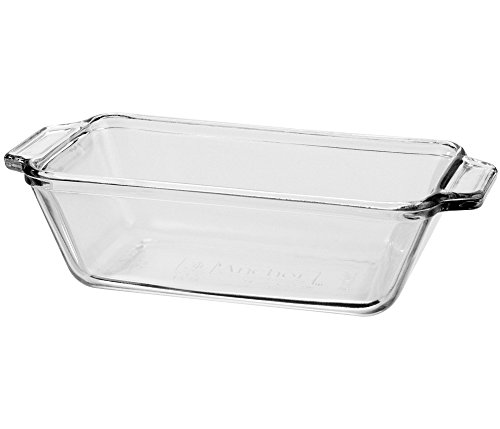
If I had to give a simple answer, I’d say this: glass is usually the easier choice for quick breads and softer-sided loaves, while stoneware is the better pick when I want a firmer crust and slower, steadier heat. Neither one is universally better. The right loaf pan depends on what you’re baking, how much crust you want, and how closely you’re willing to watch doneness.
How glass and stoneware bake differently
Glass and stoneware have more in common with each other than either does with metal. Both heat more gradually, and both hold onto heat after they come out of the oven. That matters with loaf baking, because a pan that stays hot can keep cooking the sides and bottom for a few minutes after the bake is technically finished.
Glass gives me more visual feedback. I can usually see how the sides are coloring and whether the loaf is starting to pull away from the pan. In practical terms, that makes glass especially nice for banana bread, pumpkin bread, zucchini bread, and other recipes where I want a tender crumb and don’t need a thick crust.
Stoneware is denser and tends to retain heat even longer. That gentle, sustained warmth can help a loaf bake evenly through the center, especially if the batter or dough is on the dense side. It also tends to encourage a sturdier exterior. As King Arthur Baking notes, pan material can noticeably change results even when the dimensions are the same.
Which is better for quick breads
For most home bakers, I think glass has the edge with quick breads. It suits batters that are rich, moist, and a little delicate. Banana bread, lemon loaf, sour cream loaf cakes, and similar bakes often do well in glass because the crust stays a bit softer and the center can remain tender without the edges getting too firm.
Stoneware still works for quick breads, but it changes the feel of the finished loaf. I’d expect a more structured edge and a little more crust development. That can be a good thing if I want cleaner slices or a slightly heartier exterior, but it can also push a sugary loaf toward over-browning if I leave it in the hot pan too long after baking.
In either pan, I don’t trust time alone. A skewer in the center should come out with moist crumbs, not wet batter. I also look for a set top and sides that no longer look glossy or underdone.
Which is better for yeast breads and sandwich loaves
Stoneware is often the more appealing choice for sandwich bread and other yeast loaves where I want a firmer side crust. Because it retains heat so well, it can help create a loaf with even color and a more substantial outer layer, while still baking the interior steadily.
Glass can absolutely bake yeast breads, but the result is usually a bit softer. That’s not a flaw. If I want a more tender sandwich loaf, glass can be a very good fit. I just pay closer attention to the center of the loaf rather than judging only by side color.
For yeast breads, an instant-read thermometer is more useful than guesswork. Many lean loaves finish somewhere around 190°F to 210°F depending on the formula, shape, and hydration. A hollow sound when tapped can help, but I treat it as a backup check rather than the main one.
Temperature and timing adjustments
This is where many loaf pan frustrations start. If a recipe was written for light metal, the same batter may behave a little differently in glass or stoneware.
With glass, I often think in terms of slightly gentler heat. A common adjustment is lowering the oven temperature by about 25°F and starting doneness checks a bit early. That doesn’t always mean the loaf finishes sooner. Sometimes it still needs the full time or even a few extra minutes, just at a lower temperature. This overview from King Arthur Baking is a good reminder that the pan material changes the bake in ways a recipe clock can’t fully predict.
With stoneware, I’m less likely to lower the temperature automatically. I usually keep the stated oven temperature unless the recipe or pan care instructions suggest otherwise. What matters more is checking the loaf before I assume it’s done, because stoneware can keep the baking steady while also staying hot for a long time.
If the top is browning too fast before the center is set, I loosely tent it with foil and keep going.
Care and handling matter more than most people think
Both materials are oven-safe, both are nonreactive with acidic ingredients, and both are fairly easy to maintain if I treat them gently. The real caution with each one is temperature shock.
I don’t place a hot glass or stoneware pan onto a cold or wet surface. I set it on a dry towel, wooden board, or another heat-safe landing spot. I also avoid pouring cold liquid into a hot pan or moving chilled bakeware straight into a very hot oven unless the manufacturer specifically allows it.
Stoneware is usually heavier than glass, and that extra weight changes how I handle a full loaf pan. I support it from underneath instead of gripping one narrow side with one hand. Glass is a bit easier to maneuver, but it still deserves careful handling, especially around the rim and corners.
For cleanup, I let the pan cool first, then use warm water, dish soap, and a soft sponge. A little baking soda can help with stuck-on residue. For glass, that’s usually straightforward. For stoneware, dishwasher safety can vary, so it makes sense to follow the pan’s care instructions instead of assuming every piece should go into the dishwasher.
Common mistakes to avoid
The biggest mistake is blaming the material when the real issue is pan size. A 9-by-5-inch loaf pan and an 8 1/2-by-4 1/2-inch pan are not interchangeable. The smaller pan holds noticeably less batter, and overfilling it can lead to overflow, a tall gummy center, or dramatic cracking along the top. King Arthur Baking’s pan size guide is a helpful reference if you’re converting a recipe.
Another common mistake is unmolding too early. Most quick breads need a short rest in the pan, often around 10 to 20 minutes, so the crumb can set before turning out. Too soon, and the loaf may crack or collapse. Too late, and steam can soften the sides, especially in a hot pan that keeps holding heat.
I also try not to use side color as my only sign of doneness. Glass lets me see browning clearly, but a browned side doesn’t guarantee the center is finished. Stoneware can look beautifully even on the outside while still needing a few more minutes inside.
And if I’m baking meatloaf or another savory loaf, I never judge safety by appearance alone. The USDA safe temperature guidance is the standard I’d follow for the specific meat mixture.
FAQ
Is it better to bake bread in glass or stoneware?
It depends on the kind of bread. I’d choose glass for quick breads and softer crusts, and stoneware for sandwich loaves or bakes where I want a firmer exterior and more heat retention.
Does bread bake differently in a glass loaf pan than in stoneware?
Yes. Glass usually gives a softer crust and makes side browning easier to monitor. Stoneware holds heat longer and often creates a sturdier crust with even coloring.
Should I adjust baking time or temperature for glass or stoneware?
Often, yes. With glass, lowering the oven temperature by about 25°F is a common starting point when a recipe was written for metal. With stoneware, I usually keep the listed temperature and rely on visual and internal doneness cues rather than the clock alone.
Is banana bread better in glass or stoneware?
In most cases, I’d lean glass. It tends to suit moist quick breads well and gives a tender result. Stoneware can still work nicely if I want a slightly firmer crust.
Which loaf pan makes a better crust?
Stoneware usually does. Its stronger heat retention tends to build a more substantial outer crust, while glass is better for a gentler, softer finish.
The Bottom Line
For everyday quick breads, I think glass is the more forgiving and practical choice. For yeast loaves and breads that benefit from a firmer crust, stoneware often pulls ahead. If I match the pan to the recipe, watch doneness closely, and handle both materials carefully, either one can turn out a very good loaf.